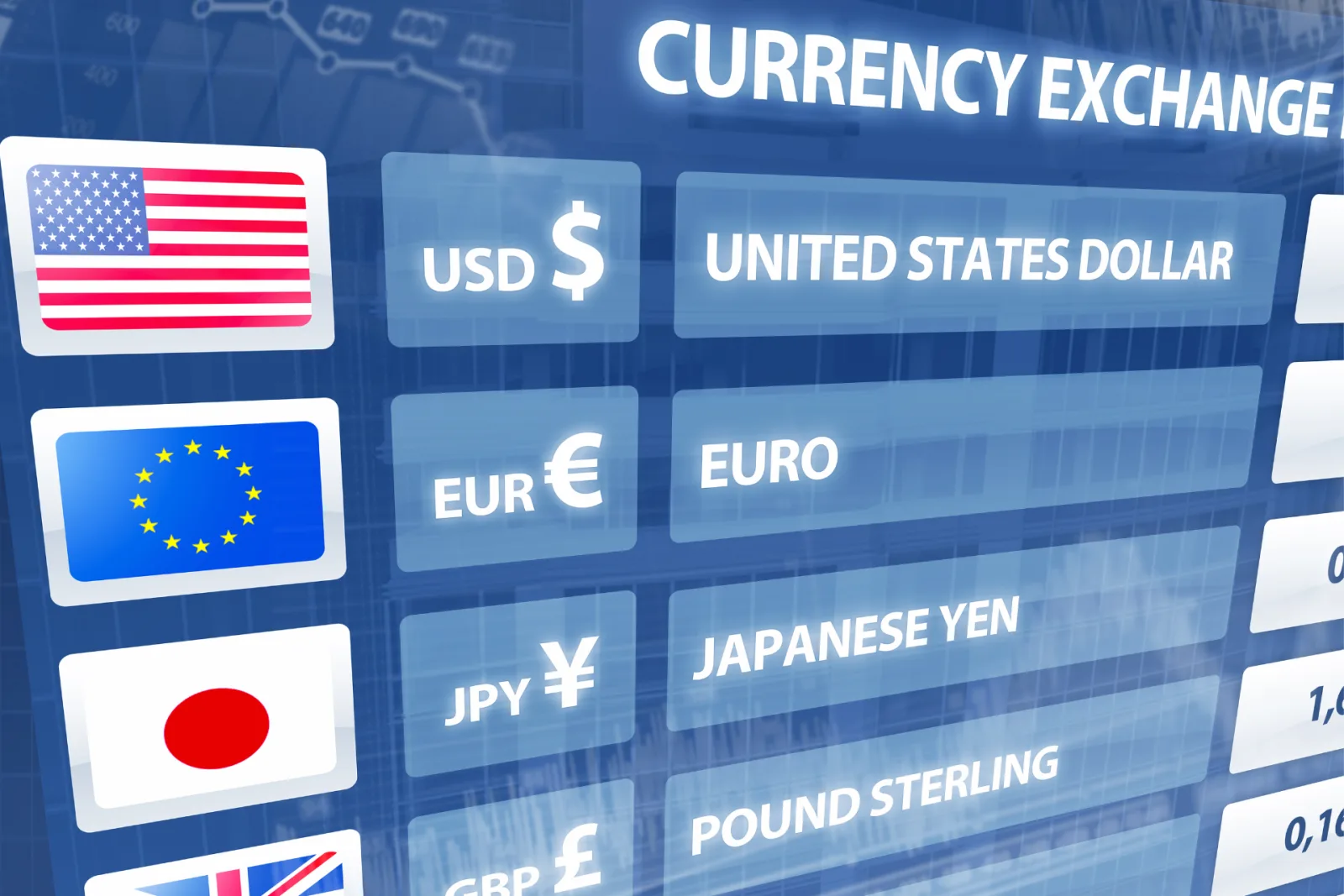
2026 Moroccan Dirham (MAD) to Indian Rupee (INR) exchange rate trends and volatility
Major Moroccan bank ATM fee structures and daily withdrawal limits for foreign cards
Official exchange bureau (Bureau de Change) regulations and receipt requirements for re-conversion
Fact-checked April 2026
Last updated: April 2026
Navigating Money in Morocco: A Guide for Indians
Essential financial logistics to ensure smooth transactions during your Moroccan adventure.
Planning your overall budget? For a comprehensive breakdown of flights, accommodation, and daily expenses, refer to our detailed Morocco Trip Cost from India guide.
The local currency in Morocco is the Moroccan Dirham (MAD), which is a "closed currency." This means it cannot be legally bought or sold outside of Morocco. For Indian travelers, this requires specific pre-trip planning regarding cash, cards, and exchange strategies to avoid poor rates or logistical hurdles upon arrival.
Bringing Cash: The USD/EUR Strategy
Why carrying US Dollars or Euros is the most effective financial strategy for Indians in Morocco.
Indian Rupees (INR) are not accepted in Morocco, and exchanging INR directly to MAD in India yields highly unfavorable rates. The most efficient strategy is a two-step conversion:
Step 1: Purchase crisp, new, undamaged USD or EUR notes from your local bank or authorized forex dealer in India before departure.
Step 2: Exchange these USD/EUR notes for MAD at licensed "Bureaux de Change" upon arrival at Moroccan airports (Casablanca CMN or Marrakech RAK) or in major city medinas.
Why this works: USD and EUR are in high demand in Morocco, guaranteeing the tightest exchange spreads and best rates for travelers.
Crucial: Keep the receipts from your official exchange. You will need them to reconvert any leftover Dirhams back to USD/EUR before leaving the country.
Using ATMs and International Cards
How to safely withdraw Dirhams and use cards for larger purchases.
ATM Withdrawals
Use ATMs affiliated with major Moroccan banks like Attijariwafa Bank, BMCE (Bank of Africa), or CIH. These are secure and reliably dispense cash.
Inform your Indian bank about your international travel dates to prevent your card from being blocked for suspicious activity.
Expect a flat ATM usage fee from the Moroccan bank (typically 20–30 MAD per transaction) plus any foreign transaction or markup fees charged by your home bank (usually 2-3.5%).
Withdraw larger amounts less frequently to minimize the impact of flat ATM fees.
Credit & Debit Cards
Visa and Mastercard are widely accepted in hotels, upscale restaurants, larger retail stores, and official tour operators.
American Express and Diners Club have significantly lower acceptance rates and should not be relied upon as a primary payment method.
UPI is NOT available: Digital payment systems like Paytm, PhonePe, or Google Pay do not work in Morocco. Do not rely on them for any transactions.
Always choose to be charged in the local currency (MAD) when prompted by a card terminal, never in INR or USD, to avoid Dynamic Currency Conversion (DCC) markups.
Tipping Etiquette (Baksheesh) in Morocco
Understanding the cultural expectation of tipping and how much to give.
Tipping, locally known as "baksheesh," is deeply ingrained in Moroccan service culture. While not legally mandatory, it is socially expected for good service. Keeping small denomination notes (10, 20, and 50 MAD) is essential.
Restaurants: Round up the bill or leave 10% if a service charge is not already included.
Hotel Porters: 10–20 MAD per bag.
Housekeeping: 20 MAD per day, left on the bedside table.
Tour Guides: 50–100 MAD per day for a good guide, depending on group size.
Drivers: 30–50 MAD per day for private drivers.
Public Toilets: 2–5 MAD for the attendant (always have small change ready).
Protecting your money from unfavorable rates and fraudulent practices.
Golden Rule: Only exchange money at licensed "Bureau de Change" offices or official bank branches. Avoid exchanging money on the black market or with individuals on the street, as this is illegal and often involves counterfeit notes or short-changing.
Red Flags to Watch For
No Official Signage: Legitimate exchange offices display their rates clearly on a board and have a license number visible.
Counting Errors: Always count your Dirhams before leaving the counter. A common tactic is to hand back less money than agreed upon, hoping the tourist won't recount.
Pressure Tactics: If a vendor aggressively approaches you on the street offering "better rates than the bank," walk away immediately.
Hidden Fees: Some airport kiosks advertise "0% Commission" but embed a massive markup in the exchange rate itself. Always check the actual "Buy" rate displayed on the board.
Frequently Asked Questions — Morocco Currency
Quick answers to common financial questions from Indian tourists.
1Can I use UPI or Indian Rupees in Morocco?
No. UPI (Paytm, PhonePe, GPay) does not work in Morocco, and Indian Rupees (INR) are not accepted or easily exchanged. You must carry USD or EUR in cash to exchange for Moroccan Dirhams (MAD), or use an international Visa/Mastercard.
2Should I exchange INR to MAD in India or Morocco?
Exchange INR to USD in India before your trip, then exchange USD to MAD upon arrival in Morocco. Exchanging INR directly to MAD in India yields poor rates, and INR is rarely accepted at Moroccan exchange bureaus.
3Are ATMs in Morocco safe for Indian debit/credit cards?
Yes, ATMs affiliated with major banks like Attijariwafa Bank, BMCE, and CIH are safe and reliable. Ensure your Indian bank has enabled international transactions. Expect a flat ATM usage fee (approx. 20-30 MAD) plus any foreign transaction fees charged by your home bank.
4Can I reconvert leftover Moroccan Dirhams back to INR or USD?
Yes, but you must present the original exchange receipts from licensed "Bureau de Change" offices showing you purchased the MAD with USD or EUR. Without receipts, reconversion is typically not allowed. It is best to spend or tip leftover small denominations.
5What is the tipping etiquette in Morocco for Indian travelers?
Tipping (baksheesh) is customary. Round up restaurant bills by 10% if service is not included. Tip hotel porters 10-20 MAD per bag, housekeeping 20 MAD per day, and tour guides/drivers 50-100 MAD per day depending on service quality. Keep small MAD notes handy for this purpose.
Want a hassle-free financial experience on your trip? Our customized Morocco packages include transparent pricing, pre-arranged transport, and expert guidance on local logistics.
Note: Exchange rates fluctuate daily. The information provided here is for general guidance. Always verify current ATM fees, bank policies, and exchange rates with your financial institution and licensed Moroccan bureaus before traveling. For comprehensive budget planning, refer to our Morocco Trip Cost Guide.
About This Currency Exchange Guide
This Morocco currency guide is researched and updated for 2026, providing Indian travelers with practical, safety-conscious advice to manage their finances confidently abroad.
India-Specific Insights
Tailored advice on INR to USD conversion, UPI limitations, and international card markup fees relevant to Indian bank accounts.
Verified Local Logistics
Accurate, on-the-ground information regarding major Moroccan bank ATM reliability, Bureau de Change regulations, and authentic tipping norms.
2026 Updated Data
Regularly reviewed to reflect current MAD/INR exchange trends, international transaction fee structures, and tourist financial advisories.
Fill out the enquiry form below and our travel experts will help you plan your Morocco tour — with transparent pricing and expert guidance on local logistics.
Get a customized Morocco itinerary and instant quote for your adventure.