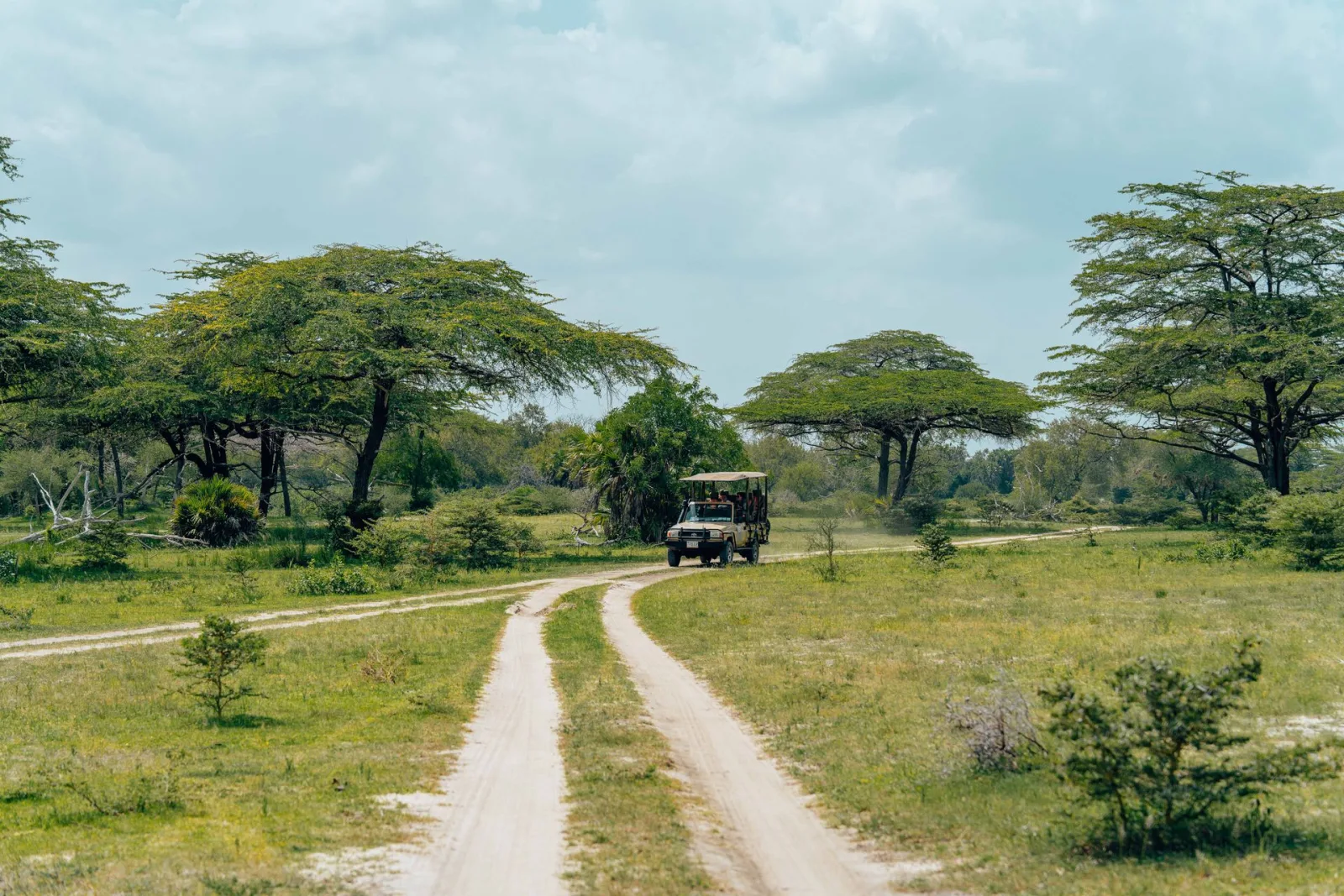
Safari guide pointing out wildlife to guests in an open 4x4 vehicle in the Okavango Delta, Botswana

Botswana Safari Tips & Essentials
Packing, Health & Photography 2026

Master the art of the African bush with our essential guide to packing, health precautions, photography, and luxury lodge etiquette for Indian travelers.

Updated for 2026 Travelers
Written by Vishal Narayan — Africa Travel Specialist
Reviewed by Veena Rathore · Africa Travel Reviewer
Last updated after reviewing:
  • Updated 2026 light aircraft weight limits and soft-sided baggage rules for Delta transfers
  • Revised malaria prophylaxis recommendations for the Okavango and Chobe regions
  • Current luxury lodge photography and drone regulations for 2026

Last updated: April 2026

Preparing for the Ultimate Botswana Safari
Botswana's "high-value, low-volume" tourism model means your safari experience will be exclusive, remote, and deeply immersive. Proper preparation is key.

The Safari Reality

  • Remote Wilderness: You will be far from cities, hospitals, and shops. Self-sufficiency and adherence to guide instructions are paramount.
  • Dust & Elements: The bush is dusty, the sun is intense, and morning game drives in open vehicles can be surprisingly cold.
  • Wildlife Proximity: Animals are wild and unpredictable. Strict etiquette ensures your safety and respects the ecosystem.

As detailed in our complete Botswana travel guide, understanding these realities before you arrive ensures a seamless, stress-free luxury experience.
Light Aircraft Rules

  • Strict Weight Limits: Internal charters allow only 15kg (33lbs) per person, including carry-on and camera gear.
  • Soft Bags Only: Hard-shell suitcases are strictly prohibited. You must use soft-sided duffel bags.
  • Weigh-Ins: Passengers are weighed before boarding to balance the small aircraft. This is standard and non-negotiable.

If you are optimizing your Botswana itinerary, packing light and smart is essential for hopping between Delta camps and Chobe.

Safari Packing Essentials: What to Bring
Dress for the environment, respect local laws, and prepare for extreme temperature shifts.

Clothing Rules

  • Neutral Colors: Pack khaki, olive, beige, and brown. These blend into the bush and don't startle wildlife.
  • Avoid Bright Colors: White, red, and yellow make you highly visible and can agitate animals.
  • Avoid Dark Blue/Black: These colors attract tsetse flies, which deliver a painful bite.
  • NO CAMOUFLAGE: Camouflage clothing is strictly reserved for the military in Botswana. Wearing it can lead to arrest.
  • Layering: Mornings in open 4x4s are freezing (5–10°C). Afternoons are hot (30°C+). Bring a warm fleece, a windproof jacket, and a wide-brimmed hat.

Gear & Accessories

  • Binoculars: Essential. 8x42 or 10x42 are the best specifications for safari.
  • High-SPF Sunscreen: The African sun is intense, even in winter.
  • Lip Balm & Moisturizer: The bush is incredibly dry and dusty.
  • Headlamp/Flashlight: Camps are unlit at night to preserve the wilderness. A headlamp is crucial for walking to your tent after dark.
  • Universal Adapter: While Indian Type D plugs often work, lodges frequently have Type G (UK) sockets. Bring a universal adapter.
Health, Malaria & Safety Precautions
Protecting yourself in a remote, malaria-endemic wilderness environment.

Malaria Prevention

  • Prophylaxis: Botswana is a high-risk malaria zone, especially in the Delta and Chobe. Consult your doctor in India 4-6 weeks before travel to get the right antimalarial medication.
  • Bite Avoidance: Mosquitoes are most active at dusk and dawn. Wear long sleeves and trousers during these times.
  • Repellent: Use high-DEET insect repellent on exposed skin.
  • Nets: Sleep under the provided mosquito nets in your tent or room.

Camp Safety Rules

  • Never Walk Alone: In unfenced camps, dangerous wildlife (elephants, lions, hippos) can wander through the property. Always wait for an escort after dark.
  • Water Safety: Do not drink tap water. Drink only bottled or filtered water provided by the lodge.
  • Vehicle Rules: Never stand up, hang off the side, or exit the 4x4 vehicle in a national park unless your guide explicitly says it is safe to do so.
  • Medical Kits: All lodges carry comprehensive first-aid kits, and guides are trained in wilderness first response.
Safari Photography & Drone Rules
Capturing the magic of the Okavango and Chobe while respecting the wilderness.

Camera Gear Tips

  • Lenses: A 200-400mm zoom lens is ideal for wildlife. A 70-200mm is great for landscapes and closer subjects.
  • Dust Protection: The dust is fine and pervasive. Bring ziplock bags to protect your camera when not in use, and a blower brush to clean lenses.
  • Power: Electricity in tents may be limited to specific hours (e.g., 6 AM - 10 AM, and 5 PM - 9 PM). Bring high-capacity power banks and extra camera batteries.
  • Storage: Bring more memory cards than you think you need. You will take thousands of photos.

The Drone Ban

  • Strictly Prohibited: Drones are illegal in all Botswana national parks and reserves without special permits, which are rarely granted to tourists.
  • Lodge Policies: Almost all luxury lodges ban drones entirely to prevent disturbing wildlife and ruining the tranquility for other guests.
  • Confiscation: Attempting to fly a drone can result in heavy fines, confiscation of the equipment, or deportation.
  • Alternative: Many lodges offer spectacular helicopter or light aircraft scenic flights for aerial photography.
Luxury Lodge Etiquette & Tipping
Navigating the social norms of Botswana's world-class safari camps.

Game Drive Etiquette

  • Silence is Golden: When a predator or sensitive animal is spotted, maintain absolute silence. Loud noises will cause the animal to flee.
  • No Flash: Never use flash photography at night or on animals. It blinds them and causes severe stress.
  • Respect the Guide: Your guide is trained to read animal behavior. If they say it is time to leave an area, comply immediately for your safety.
  • Sundowners: The traditional evening stop for drinks in the bush is a cherished ritual. Participate and enjoy the sunset!

Tipping Guidelines

  • Why Tip? Staff in remote camps work incredibly long hours away from their families. Tips form a vital part of their income.
  • Safari Guide: $10 – $20 USD per person, per day. Hand this directly to your guide at the end of your stay.
  • General Staff: $10 – $15 USD per person, per day. Place this in the communal tip box at the main lodge for the cooks, cleaners, and boat drivers.
  • Currency: USD cash is strongly preferred. Ensure bills are crisp and printed after 2013, as older or torn notes are often rejected.

For a deeper dive into budgeting for these extras, review our Botswana trip cost from India breakdown.

Want a seamless, fully guided Botswana safari experience? Our experts handle all logistics, packing lists, and lodge bookings.

Plan My Botswana Safari →
Frequently Asked Questions — Botswana Safari Tips
Quick answers to preparation and etiquette questions from Indian travelers.
1What colors should I avoid wearing on a Botswana safari?
Avoid bright colors (red, yellow, white) and dark blue or black, which attract tsetse flies. Also, never wear camouflage clothing, as it is strictly reserved for the military in Botswana and can lead to arrest. Stick to neutral tones like khaki, olive, beige, and brown.
2What is the baggage limit for internal flights in Botswana?
Internal light aircraft flights have a strict limit of 15kg (33lbs) per person, including carry-on and camera gear. Bags must be soft-sided duffels; hard-shell suitcases are not permitted and must be stored at Maun airport.
3Do I need a drone for my Botswana safari?
Drones are strictly prohibited in all national parks and reserves in Botswana without special, hard-to-obtain permits. Furthermore, most luxury lodges ban them entirely to preserve the wilderness experience and avoid disturbing wildlife. Leave the drone at home.
4How much should I tip my safari guide and lodge staff?
Tipping is customary and a vital part of the safari industry. Budget $10–$20 USD per person, per day for your safari guide, and $10–$15 USD per person, per day for the general camp staff (usually placed in a communal tip box). Bring crisp, post-2013 USD bills in small denominations.
5Is malaria a risk in Botswana?
Yes, Botswana is a malaria-endemic country, particularly in the Okavango Delta and Chobe regions. Consult your doctor in India well before your trip to obtain appropriate prophylaxis. Use DEET insect repellent, wear long sleeves at dusk, and sleep under mosquito nets if provided.

Note: Safari conditions are dynamic. Weather, wildlife movements, and camp logistics can change rapidly. Always follow the direct instructions of your professional safari guide, as they are trained to prioritize your safety and the conservation of the ecosystem.

More Travel Guides

Explore Other Destinations

Plan Your Botswana Safari Experience

Fill out the enquiry form below and our travel experts will help you plan a fully guided, luxury Botswana safari with all logistics handled.

Get assistance with luxury lodge bookings, internal charter flights, dietary accommodations, and complete Botswana safari packages from India.

Enquire About This Package