Grand Egyptian Museum (GEM) phased opening and new digital ticketing systems for 2026
Updated Valley of the Kings tomb rotation and additional special tomb ticket pricing for 2025/2026
New safety and early-morning convoy protocols for Abu Simbel excursions from Aswan in 2026
Fact-checked April 2026
Exploring Egypt's Ancient Wonders
A practical guide for Indian travelers to navigate Egypt's rich historical landscape.
Egypt is home to seven UNESCO World Heritage Sites and thousands of years of human history. For Indian travelers, walking through the halls of Karnak or standing before the Great Pyramid is a profoundly moving experience. However, the sheer scale and popularity of these sites require careful planning to ensure a comfortable and enriching visit.
This guide focuses strictly on the logistics of visiting Egypt's major historical attractions: ticketing, timing, guided tours, and cultural respect. For a broader understanding of how to fit these sites into your overall holiday, refer to our comprehensive Egypt Travel Guide. If you are calculating your daily expenses for entry fees and guides, our detailed Egypt trip cost from India breakdown will help you budget accurately.
Top Historical Sites in Egypt
The must-visit ancient monuments and essential tips for exploring them.
The Pyramids of Giza & Sphinx
The last surviving Wonder of the Ancient World. The complex includes the Great Pyramid of Khufu, the Pyramids of Khafre and Menkaure, and the Great Sphinx.
Best Time: 8:00 AM right at opening to avoid heat and crowds.
Indian Traveler Tip: Hire a licensed Egyptologist guide at the entrance (approx. ₹1,500–₹2,500 for a half-day). They navigate the complex efficiently and provide rich historical context that guidebooks cannot match.
Karnak & Luxor Temples
Karnak is the largest religious building ever constructed, famous for its Great Hypostyle Hall. Nearby, Luxor Temple is beautifully illuminated at night.
Best Time: Late afternoon for Karnak to avoid midday heat; evening for Luxor Temple.
Indian Traveler Tip: The Sound and Light Show at Karnak in the evening is a spectacular, family-friendly way to experience the temple's history after the daytime crowds have dispersed.
Valley of the Kings
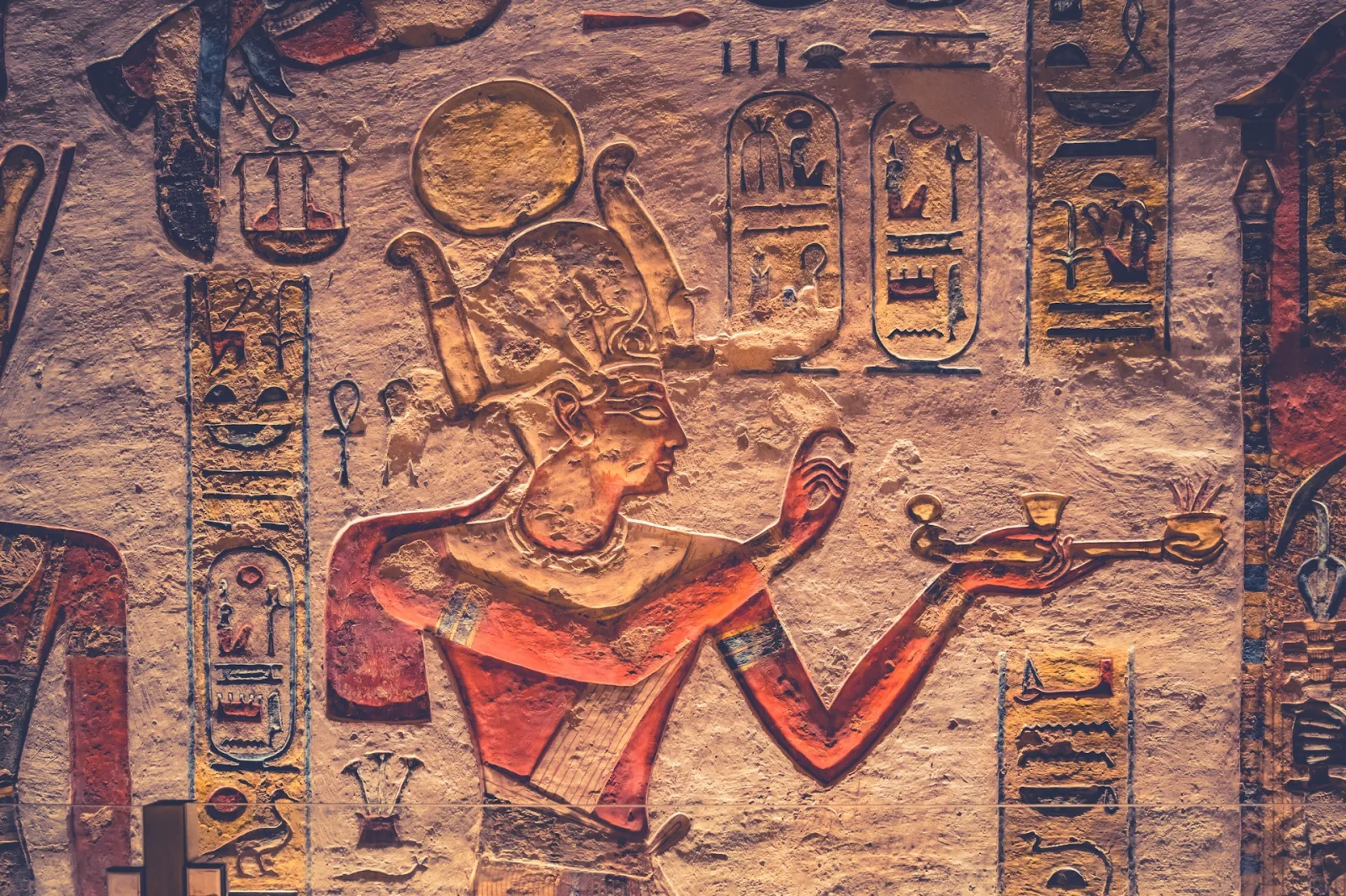
The hidden burial site of pharaohs like Tutankhamun and Ramses II, located on the West Bank of the Nile near Luxor.
Best Time: 6:00 AM. The valley has minimal shade, and temperatures soar by 9:00 AM.
Indian Traveler Tip: A standard ticket includes entry to three random tombs. If you wish to see Tutankhamun's or Seti I's tomb, you must purchase separate, premium tickets at the entrance. Carry cash (EGP) as card machines often fail in this remote location.
Abu Simbel Temples
Massive rock-cut temples built by Ramses II, relocated to higher ground to save them from the rising waters of Lake Nasser.
Best Time: Early morning. The sun illuminates the inner sanctuary precisely twice a year (Feb 22 & Oct 22).
Indian Traveler Tip: Book a private AC vehicle with a trusted driver or join the official early-morning tourist convoy from Aswan (departing around 4:00 AM). The 3-hour drive is through the desert, so bring water and snacks.
Essential Visiting Tips for Indian Tourists
Practical advice to maximize comfort, safety, and historical appreciation.
Book Tickets Online: The Egyptian Ministry of Tourism and Antiquities has rolled out digital ticketing for major sites like the Grand Egyptian Museum (GEM) and the Valley of the Kings. Booking in advance saves hours of queuing in the heat.
Hire Licensed Guides Only: Official guides wear a visible badge with a photo and license number. They are knowledgeable, speak good English, and will protect you from persistent unofficial touts at site entrances.
Student Discounts: If you have a valid International Student Identity Card (ISIC), you are eligible for up to 50% off entry fees at most archaeological sites. Always carry the physical card.
Photography Rules: General photography is allowed in most outdoor areas. However, flash photography is strictly banned inside tombs to protect ancient pigments. Some special tombs require an additional camera permit or ban photography entirely.
Cultural Etiquette at Historical Sites
Respecting the heritage and local customs while exploring ancient Egypt.
Modest Dress Code
While the heat is intense, modest dress is a sign of respect in Egypt. Both men and women should wear clothing that covers shoulders and knees. Women should carry a lightweight scarf to cover their heads when entering active mosques, such as the Muhammad Ali Mosque in the Cairo Citadel.
Preservation Respect
Never touch the ancient wall carvings or paintings inside tombs. The oils from human hands accelerate the degradation of these millennia-old artworks. Stay on designated pathways and follow all instructions from site guards.
Quick answers to common queries from Indian travelers visiting ancient monuments.
1How much does it cost to visit the Pyramids of Giza for Indians?
The general entry ticket to the Giza Plateau costs around 540 EGP (approx. ₹900). Entering the Great Pyramid of Khufu requires an additional ticket of around 900 EGP (approx. ₹1,500). Hiring a licensed guide costs about ₹1,500–₹2,500 for a half-day.
2Do I need to book Valley of the Kings tickets in advance?
While walk-in tickets are still available, online booking via the official Egyptian tourism portal is highly recommended to skip long queues. A standard ticket includes entry to three tombs; special tombs like Tutankhamun or Seti I require separate, premium tickets.
3Is it safe for Indian families to visit historical sites in Egypt?
Yes, major historical sites are heavily guarded by tourist police and are very safe for Indian families. Stick to official pathways, hire licensed guides, and avoid unsolicited "help" from unofficial touts at the entrances.
4Can I take photographs inside the tombs and pyramids?
Photography is generally allowed in most areas, but flash photography is strictly prohibited inside tombs to preserve the ancient paintings. Some special tombs (like Seti I) may charge an additional camera permit fee or ban photography entirely.
5How do I get to Abu Simbel from Aswan?
You can join the official early-morning tourist convoy (departing around 4:00 AM), hire a private AC vehicle with a licensed driver (approx. ₹3,000–₹5,000 round trip), or take a short domestic flight. The convoy or private car takes about 3 hours each way.
Want a seamless historical tour with certified Egyptologists and skip-the-line access? Let our experts handle your itinerary.
Note: Entry fees, operating hours, and tomb availability are subject to change by the Egyptian Ministry of Tourism and Antiquities. During extreme summer heat (May–September), many sites open earlier and close earlier to protect visitors. Always verify current conditions with your hotel or tour operator on the day of your visit.