Updated tourist police contact numbers and emergency protocols in Cairo and Luxor (2026)
New regulations and enhanced security for group tours and solo female travelers in Upper Egypt
Egyptian Ministry of Health advisories on tap water safety and local vaccination recommendations
Fact-checked April 2026
Navigating Egypt Safely: A Guide for Indian Travelers
Practical advice to ensure a secure, comfortable, and worry-free Egyptian holiday.
Safety is a top priority for any international traveler, and Egypt is no exception. The Egyptian government places a high priority on tourist security, particularly in major hubs like Cairo, Luxor, Aswan, and the Red Sea resorts, which feature a highly visible tourist police presence. For a comprehensive overview of your trip, including cultural norms and top attractions, refer to our Egypt Travel Guide.
This page focuses strictly on safety, health, and scam avoidance. Understanding local customs and staying vigilant will go a long way in ensuring your trip is as smooth as possible. If you are currently budgeting for your trip, our detailed Egypt trip cost from India guide also includes tips on safe transport options that fit your budget.
General Safety in Egypt
Key guidelines to follow while exploring cities and historical sites.
Personal Security
Valuables: Keep passports, large amounts of cash, and expensive electronics secured in your hotel safe. Carry only the daily cash you need.
Crowded Areas: Markets like Khan el-Khalili and busy metro stations are prone to pickpocketing. Wear a crossbody bag and keep your wallet in a front pocket.
Nighttime: Stick to well-lit, populated areas after dark. Avoid walking alone in isolated streets or parks at night.
Photography: Always ask for permission before photographing locals, especially women. Photography of military installations, bridges, and government buildings is strictly prohibited.
Transport Safety
Ride-Hailing: Use Uber, DiDi, or InDrive in Cairo and Alexandria. These apps provide fixed pricing, driver details, and GPS tracking, eliminating the risk of meter tampering or overcharging.
White Taxis: If you must use a street taxi, insist on using the meter ("Ammal") before getting in. Have small change ready, as drivers often claim not to have change.
Intercity Travel: For travel between cities (e.g., Cairo to Luxor), domestic flights or pre-booked private AC vans through reputable tour operators are the safest and most comfortable options.
Common Scams to Avoid
Be aware of these frequent tourist traps and know how to handle them politely but firmly.
The "Free" Gift or Headdress: A vendor may drape a scarf over your shoulders or hand you a small trinket, claiming it is a "free gift." Once you accept it, they will aggressively demand payment. Solution: Keep your hands in your pockets, politely say "La, shukran" (No, thank you), and keep walking.
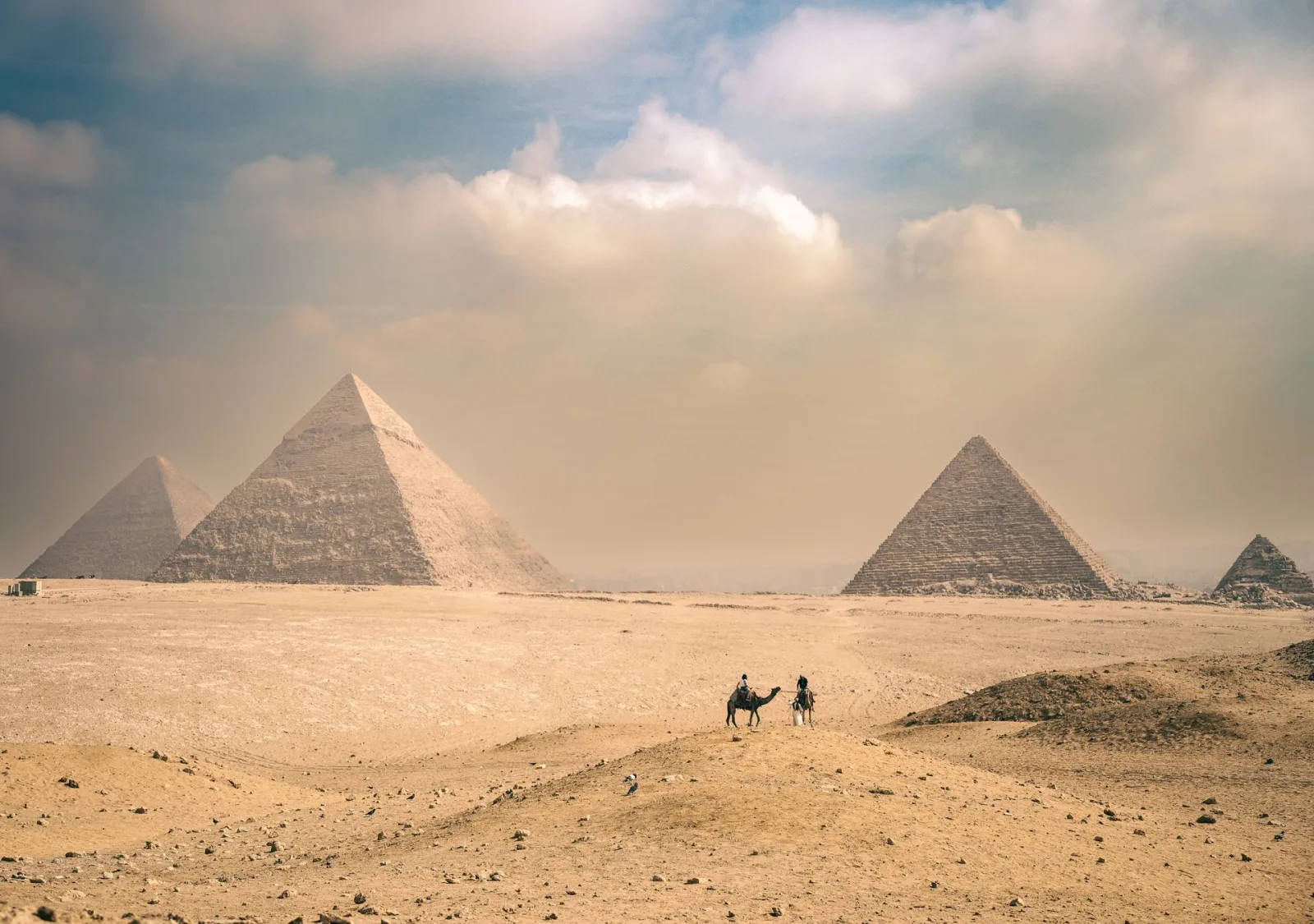
The Camel Ride Bait-and-Switch: You may be quoted a low price for a camel ride at the Pyramids, but upon dismounting, the handler demands a much higher fee or a tip. Solution: Book camel rides only through your hotel or a licensed tour operator, and agree on the total price (including tips) in writing or clearly in front of a witness before mounting.
Fake Papyrus and Alabaster: Street vendors often sell cheap banana-leaf "papyrus" or synthetic stone at high prices. Solution: Buy papyrus only from government-certified institutes (which provide a certificate of authenticity) and alabaster directly from known workshops in Luxor where you can see the carving process.
Unofficial "Guides": Individuals may approach you at historical sites claiming to be official guides or stating that a specific area is "closed" to redirect you. Solution: Ignore them. Official guides wear government-issued badges. Rely on your pre-booked Cairo or Luxor guide, or purchase tickets directly at the official gate.
Safety for Solo Female & Family Travelers
Specific advice for women and families navigating Egyptian culture.
Solo Female Travelers
Egypt is a patriarchal society, and solo female travelers may experience staring or unwanted attention. To minimize this:
Dress Modestly: Cover shoulders, cleavage, and knees. Carry a lightweight scarf to cover your hair when entering mosques.
Avoid Eye Contact: If approached by persistent men, ignore them completely and walk purposefully toward a populated area or shop.
Accommodation: Stay in reputable hotels in safe neighborhoods like Zamalek or Maadi in Cairo, which have 24-hour security and female-friendly environments.
Trust Your Instincts: If a situation feels uncomfortable, leave immediately. Do not worry about being polite.
Families with Children
Egyptians are generally very warm and welcoming toward children. However, keep these tips in mind:
Hygiene: Carry wet wipes and hand sanitizer at all times. Ensure children only drink sealed bottled water.
Crowds: Hold hands with young children in busy areas like bazaars or train stations.
Food: Stick to cooked foods and peeled fruits. Avoid street-side ice cream or juices where hygiene is questionable.
Pace: The heat and walking at archaeological sites can be exhausting for kids. Plan for frequent breaks and hire a private AC vehicle for site transfers.
Health & Hygiene Precautions
How to stay healthy and avoid common traveler's illnesses in Egypt.
Crucial: "Pharaoh’s Revenge" (traveler’s diarrhea) is common. Prevention is entirely in your hands regarding what you consume.
Water: Drink ONLY sealed bottled water (check the seal is intact). Use it for brushing your teeth. Avoid ice cubes in drinks at local eateries.
Food: Eat at busy, reputable restaurants. Avoid raw, unpeeled salads from street vendors, as they may have been washed in tap water.
Medication: Carry a basic medical kit including anti-diarrheal medication (e.g., Loperamide), oral rehydration salts (ORS), antacids, and any personal prescription medicines. Bring a doctor's note for prescription drugs.
Sun Protection: The Egyptian sun is intense. Wear high-SPF sunscreen, a wide-brimmed hat, and sunglasses. Stay hydrated, especially in Luxor and Aswan.
Vaccinations: No mandatory vaccinations are required for entry from India, but routine vaccines (Hepatitis A, Typhoid, Tetanus) are recommended. Consult your doctor 4-6 weeks before travel.
Emergency Contacts & Embassy Information
Keep these numbers saved in your phone for quick access in case of an emergency.
Local Emergency Numbers
General Emergency (Police/Ambulance): 122 / 123
Tourist Police (English speaking): 126
Traffic Police: 122
Fire Department: 180
Indian Embassy in Cairo
Address: 10, Amr Ibn El Aas St., Zamalek, Cairo 11211
Note: Register your travel details on the Indian government's MADAD portal before departure for faster assistance if needed.
Frequently Asked Questions — Egypt Safety
Quick answers to common safety and health queries from Indian travelers.
1Is Egypt safe for Indian tourists in 2026?
Yes, Egypt is generally safe for Indian tourists. The government heavily prioritizes tourist security, especially in major hubs like Cairo, Luxor, Aswan, and the Red Sea resorts, which feature a visible tourist police presence.
2What are the most common scams to avoid in Egypt?
Common scams include taxi drivers refusing to use the meter, vendors offering "free" gifts or headdresses that later demand payment, and unofficial "guides" at historical sites. Always use app-based taxis like Uber, politely decline unsolicited items, and hire only licensed guides.
3Is it safe for Indian women to travel solo in Egypt?
While many Indian women travel solo in Egypt successfully, it requires heightened vigilance. Dress modestly, avoid walking alone in poorly lit areas at night, use Uber instead of street taxis, and stay in well-reviewed accommodations in safe neighborhoods like Zamalek.
4Is tap water safe to drink in Egypt?
No, it is highly recommended that tourists drink only sealed bottled water (e.g., Baraka, Nestle). Use bottled water for brushing teeth as well to avoid stomach upsets.
5What is the emergency number for tourists in Egypt?
The general emergency number is 122 (Police) and 123 (Ambulance). The dedicated Tourist Police hotline is 126, and they have English-speaking operators to assist foreign travelers.
Travel with peace of mind. Our curated Egypt tour packages include vetted guides, safe transport, and 24/7 on-ground support.
Note: Travel advisories and local conditions can change. Always check the latest travel advisories from the Indian Ministry of External Affairs (MEA) and register on the MADAD portal before your trip. This guide provides general safety information and should not replace professional medical or security advice.