- Checked Baggage: Ethiopian Airlines strictly enforces a 20kg limit for foreign passport holders on domestic flights, regardless of your international business/first-class allowance. Excess baggage fees are high and charged per kilogram in USD.
- Cabin Baggage: Limited to 7kg. Ensure your backpack or trolley fits easily in overhead bins or under the seat.
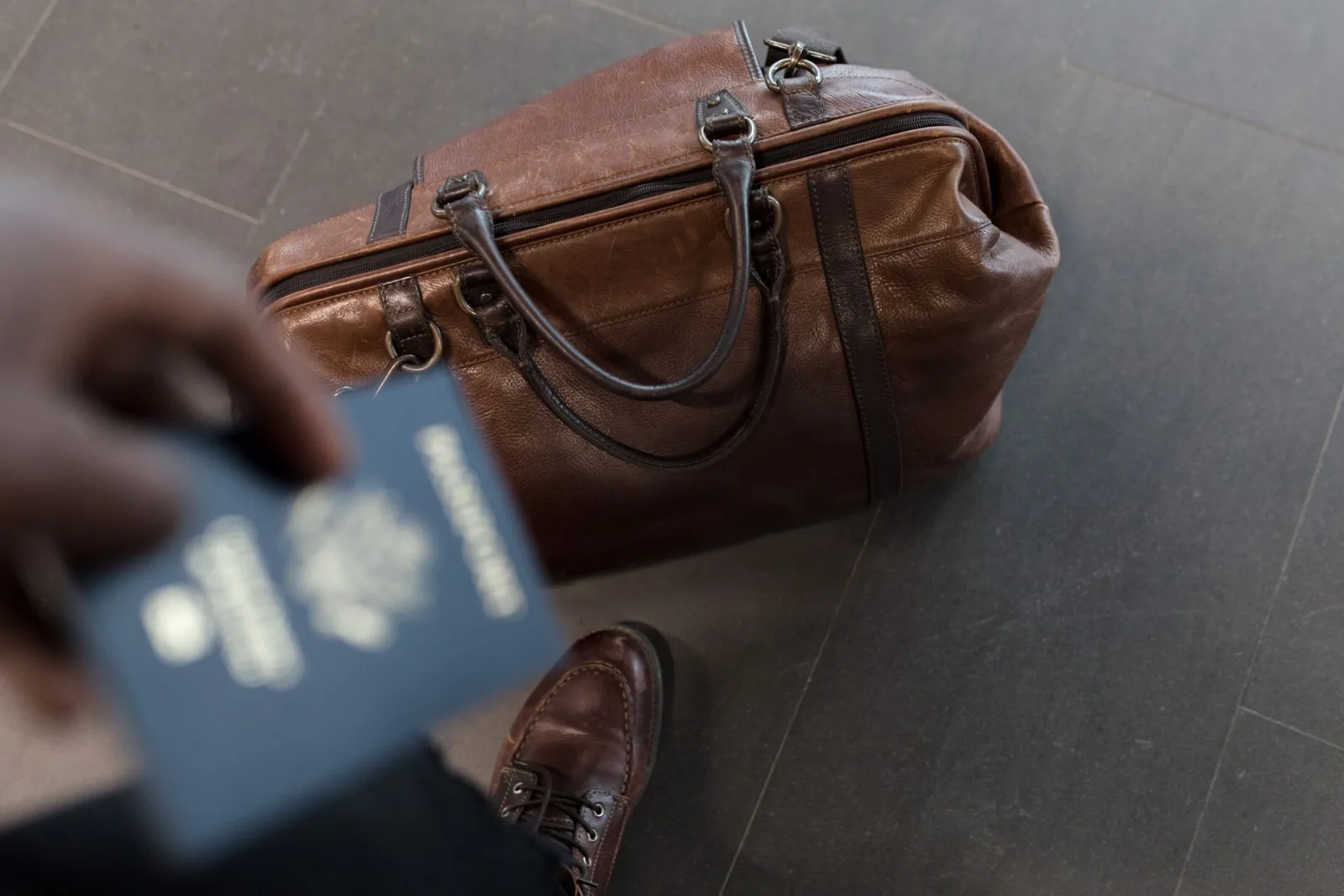
- Luggage Type: A soft-sided duffel bag or a 40-50L travel backpack is highly recommended over hard-shell suitcases, as domestic transfers often involve rough roads and uneven surfaces.
- Pro Tip: Pack heavy winter gear or non-essentials in a separate bag and leave it at your Addis Ababa hotel while you travel to the northern historical circuit.
Packing Smart for Ethiopia's Diverse Climates
How to balance highland chills, desert heat, and cultural modesty in one suitcase.
Packing for Ethiopia requires strategic planning. The country's dramatic elevation changes mean you could experience chilly 10°C mornings in the Simien Mountains and 40°C+ heat in the Danakil Depression on the same trip. Additionally, Ethiopia's conservative culture and strict domestic airline baggage limits demand a minimalist, versatile approach.
This focused packing guide complements our broader Ethiopia Travel Guide and Weather Guide by providing a precise, actionable checklist tailored specifically for Indian travelers heading to the Horn of Africa.
Luggage & Baggage Limits
Navigating Ethiopian Airlines' strict domestic weight restrictions.
Clothing & Cultural Modesty
Layering is essential for high altitudes and conservative cultural sites.
Highlands (Addis, Lalibela, Gondar)
- Moisture-wicking base layers (avoid heavy cotton).
- Light to medium fleece or sweater for chilly mornings and evenings.
- Windproof and waterproof outer shell jacket (highlands get sudden rain).
- Long pants or skirts below the knee (mandatory for church visits).
- Shirts with sleeves that cover shoulders (mandatory for church visits).
- Lightweight scarf or shawl for women to cover hair inside churches.
Lowlands (Danakil, Omo Valley)
- Lightweight, breathable, light-colored clothing (linen or technical fabrics).
- Wide-brimmed hat with a chin strap (for strong winds).
- High-SPF sunscreen (50+) and UV-blocking sunglasses.
- Bandana or buff to protect against dust and strong sun.
- Quick-dry clothing (laundry takes longer to dry in humid lowlands).
Footwear Essentials
Comfort and cultural respect go hand in hand.
- Primary Shoes: Sturdy, broken-in walking shoes or light hiking boots with excellent grip. You will navigate uneven, ancient stone pathways in Lalibela and Gondar.
- Slip-Ons: Highly recommended. You must remove your shoes before entering the grounds of every Orthodox church and many traditional homes. Slip-ons save constant bending and tying.
- Socks: Bring thick, moisture-wicking socks. You will be walking in your socks inside church compounds.
- Sandals: Comfortable, sturdy sandals for relaxing at the lodge or for the intense heat of the Danakil Depression (if not trekking).
Health, Hygiene & Toiletries
Protecting your well-being in a developing environment.
Health Kit
- Personal prescription medications (carry copies of prescriptions).
- Anti-diarrheal medication (e.g., Loperamide) and oral rehydration salts (ORS).
- Altitude sickness medication (consult your doctor before traveling to highlands).
- Basic first-aid: band-aids, blister plasters, antiseptic cream, pain relievers.
- Insect repellent (DEET-based) for malaria-prone lowland areas.
Hygiene
- High-SPF sunscreen and lip balm with SPF (highland sun is intense).
- Hand sanitizer and wet wipes (soap and water are not always available).
- Your own toilet paper and tissues (public restrooms rarely provide them).
- Reusable water bottle with a built-in filter or purification tablets. Tap water is not safe to drink.
Electronics & Documents
Staying connected and compliant at the border.
- Plug Adapter: Indian Type C (2-pin round) plugs work in Ethiopian Type C/F sockets. Bring a universal adapter for Type I (Australian 3-pin) outlets found in some newer hotels.
- Power Bank: Essential. Power outages are common outside Addis Ababa, especially in remote lodges.
- Camera Gear: Dust is pervasive. Bring a rocket blower, microfiber cloths, and weather-sealed bags. Do not bring a drone; they are confiscated at customs without special Ministry of Defense permits.
- Documents: Printed copies of your e-Visa, return flight tickets, hotel bookings, travel insurance policy, and Yellow Fever certificate (if applicable).
- Currency: Pristine, post-2013 US Dollar bills in small denominations ($10, $20) for tipping and exchange.
Want a hassle-free Ethiopia trip? Our curated packages include pre-arranged luggage logistics, verified accommodations, and expert guidance on what to pack for your specific itinerary.
View Ethiopia Tour Packages →Frequently Asked Questions — Packing for Ethiopia
Quick answers to common packing and gear questions from Indian travelers.
1What is the most important thing to pack for Ethiopia?
Modest, layered clothing and a good pair of broken-in walking shoes. Ethiopia's highland climate varies drastically between day and night, and church visits require covered shoulders and knees.
2Do I need a universal travel adapter for Ethiopia?
Indian Type C (2-pin round) plugs work directly in Ethiopian Type C and F sockets without an adapter. However, a universal adapter is recommended for Type I (Australian-style 3-pin) outlets found in some newer hotels.
3Can I bring a drone to Ethiopia for photography?
No. Importing drones into Ethiopia requires special, difficult-to-obtain permits from the Ministry of Defense. Drones are routinely confiscated at Addis Ababa airport customs without prior authorization. Leave it at home.
4What type of shoes are best for Ethiopia?
Sturdy, comfortable walking shoes or light hiking boots with good grip are essential. You will walk on uneven stone paths in Lalibela and Gondar, and you must remove your shoes frequently when entering church compounds (slip-ons are highly convenient).
Note: Baggage policies and health advisories can change. Always verify the latest airline weight limits and vaccination requirements with Ethiopian Airlines and your physician 4–6 weeks before departure. For broader safety tips, review our Ethiopia Safety Guide.