- Book 4-6 Months Ahead: Flight prices to West Africa surge closer to the departure date. Secure your tickets from Delhi or Mumbai as early as possible.
- Choose Ethiopian Airlines: Via Addis Ababa, Ethiopian Airlines consistently offers the most competitive fares and reasonable layover times compared to Middle Eastern carriers.
- Avoid "Detty December": Traveling in late December guarantees a 40-60% premium on airfare due to the massive diaspora return. If your dates are flexible, travel in January or February for the same great weather at a fraction of the cost.
- Be Flexible with Hubs: Check fares from both Delhi (DEL) and Mumbai (BOM). Sometimes a cheap domestic flight to Mumbai before your international departure saves thousands overall.

Last updated: April 2026
How to Travel Ghana on a Budget
Practical, India-focused strategies to minimize expenses while maximizing your cultural immersion.
While flights from India make up the bulk of a Ghana trip's cost, your daily on-ground expenses can be highly manageable if you travel smart. Ghana is not as dirt-cheap as Southeast Asia, but it offers incredible value if you know where to spend and where to save. This guide breaks down actionable tips to keep your budget intact. For a complete overview of your total expected expenses, refer to our detailed Ghana trip cost from India breakdown.
Flight Hacks: Securing the Best Fares
How to minimize the biggest expense of your Ghana trip.
Accommodation Savings
Where to stay to get the best value for your Rupee.
Guesthouses vs. Hotels
- Local Guesthouses: In cities like Kumasi and Cape Coast, family-run guesthouses offer clean, safe, and basic rooms for ₹1,500–₹2,500 per night. They often include a simple breakfast.
- Hostels in Accra: Accra has a growing backpacker scene. Hostels in neighborhoods like Osu offer dorm beds for ₹1,000–₹1,800, plus a great way to meet other travelers.
- Airbnb Private Rooms: Renting a private room in an local's apartment in East Legon is often cheaper than a hotel and provides a more authentic experience.
Location Matters
- Avoid Airport Residential: While highly secure, this area caters to expats and business travelers, with prices starting at ₹8,000+ per night.
- Look at Osu or Labadi: These areas in Accra offer a massive range of mid-range and budget accommodations, putting you within walking distance of restaurants and the beach.
- Stay Outside the Center: In Kumasi, staying slightly outside the immediate city center can cut hotel costs by 30%, provided you use ride-hailing apps to commute.
Eating Well on a Shoestring
How to enjoy authentic Ghanaian cuisine without the tourist markup.
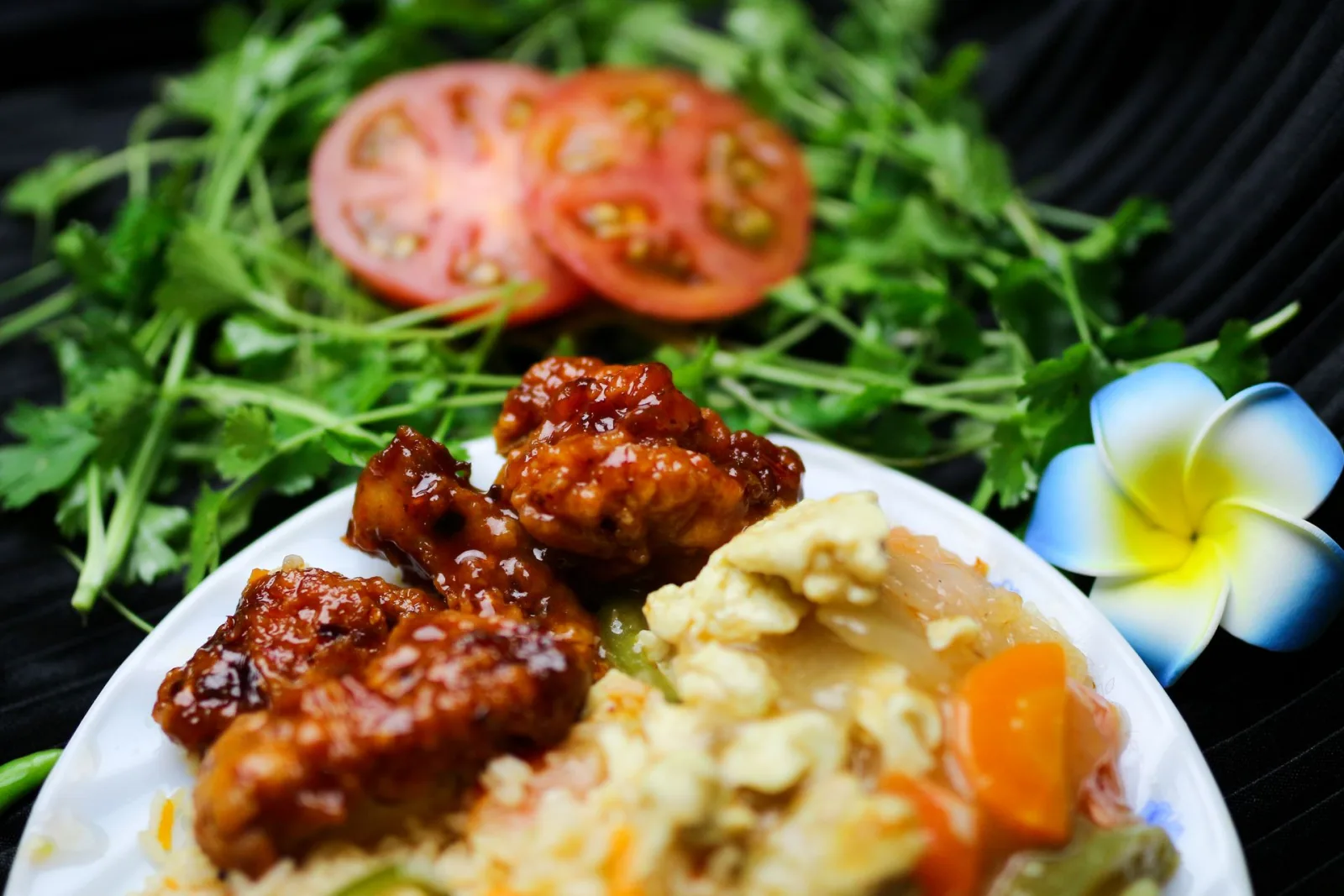
The golden rule of budget dining in Ghana: eat where the locals eat. "Chop bars" and street vendors offer incredible flavor for a fraction of restaurant prices.
- Chop Bars: These local eateries serve massive plates of Jollof rice, Fufu, or Waakye for just ₹200–₹400. They are hygienic, fast, and deeply authentic.
- Street Food: Breakfast on Hausa Koko (spiced millet porridge) with bread for under ₹100. Snack on Kelewele (spicy fried plantains) for ₹100 in the evening.
- Drink Local: Imported beers and spirits are heavily taxed and expensive. Drink local Star Beer, Club Beer, or fresh coconut water (₹50) to keep your bar tab low.
- Market Fruit: Buy mangoes, pineapples, and papayas from street vendors or markets like Makola. They are incredibly cheap, fresh, and delicious.
For a deeper dive into what to eat and where, explore our comprehensive Ghana Food Guide.
Navigating Ghana Cheaply
Getting around without blowing your budget on private drivers.
Intercity Buses
- STC & VIP Buses: For long distances (e.g., Accra to Kumasi or Cape Coast), use the state-run STC or private VIP buses. They are air-conditioned, safe, and cost only ₹500–₹1,000.
- Book a Day Ahead: These buses fill up quickly, especially on weekends. Visit the station a day prior to secure your seat.
City Transit
- Ride-Hailing Apps: Uber, Bolt, and Yango are surprisingly affordable in Accra. A 20-minute ride might cost just ₹300–₹500, making them cheaper than negotiating with street taxis.
- Trotros: The iconic green minibuses cost as little as ₹30–₹80 per trip. They are an unforgettable cultural experience and the ultimate budget hack, though they can be crowded and lack AC.
- Walking: Neighborhoods like Osu (Oxford Street) in Accra are highly walkable. Save on short taxi rides by exploring on foot during the cooler morning hours.
Free & Low-Cost Activities
Experiencing Ghana's culture without paying premium entry fees.
- Independence Square: Walking around Black Star Square and taking photos of the iconic Black Star Gate is completely free.
- Beach Days: Public beaches like Labadi (a small entry fee applies) or the free stretches near Kokrobite offer great relaxation without expensive tour costs.
- Market Wandering: Exploring the sensory overload of Makola Market in Accra or Kejetia in Kumasi costs nothing. Just keep your wallet secure.
- Bargain Hard: When buying souvenirs at the Arts Centre, start your negotiations at 40% of the asking price. Walking away is a powerful bargaining tool.
- University Campuses: The University of Ghana in Legon has a beautiful, sprawling campus with the excellent Balme Library and lively student areas to explore for free.
To see how these budget tips fit into a structured route, check our optimized 7-Day Ghana Itinerary.
Frequently Asked Questions — Ghana Budget Travel
Quick answers to help you stretch your Rupee further in West Africa.
1How can Indian travelers save money on flights to Ghana?
Book your flights 4 to 6 months in advance. Ethiopian Airlines via Addis Ababa often offers the most competitive fares from Delhi and Mumbai compared to Middle Eastern carriers. Avoid traveling during the peak "Detty December" season if you want to avoid massive flight surges.
2Is street food safe and cheap in Ghana?
Yes, street food is incredibly affordable (₹100–₹300 per meal) and generally safe if you buy from busy stalls with high turnover. Dishes like Waakye, Red Red, and Kelewele are delicious, filling, and budget-friendly. Always ensure the food is served hot.
3What is the cheapest way to travel between cities in Ghana?
The cheapest option is the STC (State Transport Corporation) bus or VIP intercity buses, which cost between ₹500 and ₹1,200 for long routes like Accra to Kumasi. While trotros (minibuses) are even cheaper, they are overcrowded and not recommended for comfort or safety.
4Do I need to bargain in Ghanaian markets?
Absolutely. Bargaining is expected at open-air markets like Makola and Kejetia, as well as the Arts Centre. Start by offering 40-50% of the initial asking price and negotiate politely. Fixed prices only apply in malls, supermarkets, and upscale boutiques.
5Can I visit Ghana on a strict backpacker budget?
Yes, but flights from India will still be your biggest expense (approx. ₹70,000+). Once on the ground, you can manage on ₹2,500–₹4,000 per day by staying in hostels or basic guesthouses, eating at local chop bars, and using public buses.
Want a customized Ghana itinerary that maximizes your experience while respecting your budget? Let our experts help.
Plan Your Budget Ghana Trip →Note: Prices for transport, food, and accommodation are approximate and subject to change based on inflation, seasonality, and exchange rate fluctuations. Always carry small denominations of Ghanaian Cedis for local transport and market purchases.