Colorful colonial buildings and a classic vintage car driving through a street in Old Havana, Cuba

Havana City Guide
for Indian Travelers

Neighborhoods, top attractions, transport, and local tips to navigate Cuba's vibrant capital in 2026.

Updated for 2026 Travelers
Written by Sunita Lal — North America Travel Specialist
Reviewed by Anita Pattigili · North America Travel Reviewer
Last updated after reviewing:
  • Classic car tour routing restrictions and official pricing updates in Old Havana (2025-2026)
  • Casa particular registration and ETECSA Wi-Fi availability changes in Habana Vieja
  • Viazul bus terminal relocation and booking window updates for Havana departures

Last updated: April 2026

Welcome to Havana (La Habana)
Havana is a city frozen in time, where crumbling colonial mansions sit alongside bright 1950s American cars. For Indian travelers, it is a sensory overload of salsa music, cigar smoke, and warm Caribbean breezes. For a complete destination overview, refer to our comprehensive Cuba Travel Guide.

Time Required

  • Minimum: 2 full days to cover Old Havana and the Malecón.
  • Ideal: 3 days to include Vedado, Fusterlandia, and a relaxed evening salsa show.
  • Pacing: Distances in Old Havana are walkable, but the heat and humidity require frequent breaks in air-conditioned cafes or plazas.


Getting Oriented

  • Airport: José Martí International (HAV) is 20km from the center.
  • Core Areas: Habana Vieja (Old Havana), Centro Habana, Vedado, and Miramar.
  • Connectivity: Wi-Fi is not ubiquitous. Purchase ETECSA Nauta cards to access internet in specific plazas and parks.
Havana Neighborhoods Guide
Understanding Havana's distinct districts will help you plan your daily walking routes and dining choices.

Old Havana (Habana Vieja)

The UNESCO-listed historic heart. Cobblestone streets, four main plazas (Plaza de la Catedral, Plaza de Armas, Plaza Vieja, Plaza de San Francisco), and the highest concentration of 'casas particulares' and tourist restaurants.

  • Vibe: Bustling, historic, heavily touristed.
  • Best For: First-time visitors, architecture lovers, and sunset Malecón walks.

Vedado

The modern downtown area, characterized by wide avenues, art deco buildings, and the famous Hotel Nacional. It is the center of Cuban nightlife, featuring the best salsa clubs (like Fabrica de Arte Cubano) and upscale paladares.

  • Vibe: Lively, cosmopolitan, authentic local energy.
  • Best For: Nightlife, dining, and experiencing modern Cuban culture.

Miramar

An upscale, quiet residential neighborhood located west of Vedado. It features grand embassies, wide streets, and the famous Marina Hemingway. It is less touristy and offers a glimpse into the lives of affluent locals and diplomats.

  • Vibe: Quiet, affluent, residential.
  • Best For: Travelers seeking luxury hotels, embassy proximity, and a peaceful retreat.
Top Attractions in Havana
Must-visit landmarks that define the cultural and historical landscape of the capital.

The Essentials

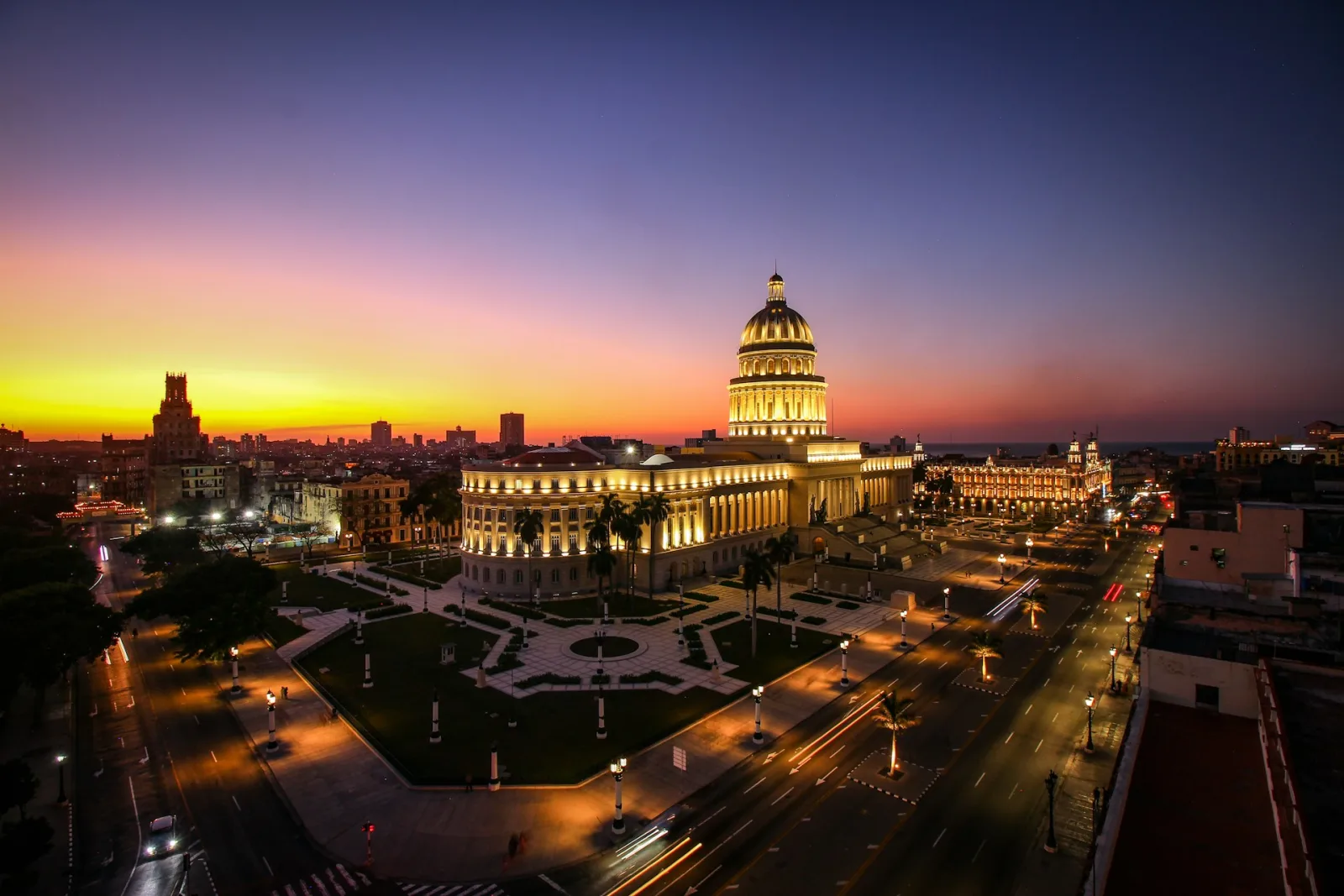
  • El Capitolio: A stunning neoclassical building resembling the US Capitol, now home to the Museum of Natural Sciences.
  • Plaza Vieja: The most beautiful of Old Havana's squares, surrounded by colonial buildings, art galleries, and cafes.
  • The Malecón: An 8km seawall stretching along the coast. It is the social spine of Havana, especially vibrant at sunset.
  • Fusterlandia: A whimsical, colorful neighborhood in Jaimanitas covered in mosaic art, created by local artist José Fuster.
  • Plaza de la Revolución: The massive political center of Cuba, featuring the iconic Che Guevara building facade.
Getting Around Havana
Navigating the city requires a mix of walking, classic cars, and local transport. For intercity routing, check our Cuba Itinerary Guide.

Classic Cars & Taxis

The iconic 1950s American cars (almendrones) are a must-do experience.

  • Classic Car Tour: A 1-2 hour tour of Old Havana and the Malecón typically costs ₹2,500–₹4,000. Always negotiate the price in USD/EUR before getting in.
  • Modern Taxis: Yellow coco-taxis (for short distances) and modern sedans are available. Use your casa particular host to call a reliable 'alfonsino' (private driver) for airport transfers.

Local Buses & Walking

Old Havana is highly walkable, but the heat requires pacing.

  • Walking: The best way to experience the architecture of Habana Vieja and Centro Habana.
  • Public Buses (Guaguas):** Extremely cheap (₹10) but notoriously crowded and confusing for tourists. Not recommended unless you are on a strict budget and have a local guide.
  • Viazul Buses: For leaving Havana to Viñales or Trinidad, you must use the Viazul terminal. Book tickets 2-3 days in advance.
Food & Paladares in Havana
Where to eat and what to expect. For a full breakdown of daily budgets, see our Cuba Trip Cost from India guide.

Dining Realities

Paladares vs. State Restaurants: Always choose 'paladares' (privately owned restaurants). They offer vastly superior food, better service, and a more welcoming atmosphere for tourists.

  • Must-Try Dishes: Ropa Vieja (shredded beef), Moros y Cristianos (black beans and rice), and fresh seafood.
  • Drinks: A authentic Mojito at La Bodeguita del Medio or a Daiquiri at El Floridita (touristy but historic).
  • Vegetarian Indians: Inform your paladar in advance. While meat-heavy, they can usually prepare excellent vegetable croquettes, rice, beans, and plantains.
  • Payment: Cash only (CUP). Cards are almost never accepted in private restaurants.
Safety & Essential Tips for Indians
Practical advice to ensure a smooth and secure stay in the Cuban capital.

Safety & Security

Havana is remarkably safe regarding violent crime. The primary concern is petty theft.

  • Pickpocketing: Common in crowded areas like Plaza de la Catedral and on public transport. Keep your passport locked in your casa and carry only daily cash.
  • Night Walks: The Malecón and main plazas in Old Havana are safe at night and heavily patrolled by tourist police.
  • Scams: Be wary of overly friendly locals offering to "show you a great cigar factory" or "take you to a private party." Politely decline and stick to verified guides.

Money & Connectivity

Cuba's dual-economy legacy requires specific financial preparation. For visa and entry document checks, see our Cuba Visa Guide.

  • Cash is King: Bring pristine USD or EUR notes. Exchange them at CADECA offices for Cuban Pesos (CUP). Do not rely on ATMs.
  • Wi-Fi: Internet is not free. Buy Nauta cards from ETECSA kiosks to access Wi-Fi in designated parks (like Plaza Vieja) or your hotel lobby.
  • Tipping: Tipping (10%) in paladares and giving small tips (₹50-₹100) to housekeeping and musicians is highly appreciated and expected.

Want a seamless Havana experience? Our packages include pre-booked casas, private airport transfers, and guided classic car tours.

View Cuba Tour Packages →
Frequently Asked Questions — Havana City Guide
Quick, honest answers to city-specific questions from Indian travellers.
1How many days do I need to explore Havana properly?
You need a minimum of 2 to 3 full days to explore Havana properly. This allows enough time to walk through Old Havana (Habana Vieja), see the Capitolio, take a classic car tour along the Malecón, and explore the Vedado neighborhood without feeling rushed.
2Is Old Havana safe for Indian tourists at night?
Yes, Old Havana and the Malecón are generally very safe for Indian tourists, even at night, due to a heavy police presence. However, standard precautions apply: avoid poorly lit side streets, keep your valuables hidden, and use official taxis or your casa particular host to arrange transport late at night.
3How do I get from Havana airport to the city center?
José Martí International Airport (HAV) is about 20km from Old Havana. The most convenient option for Indian travelers is a pre-arranged private taxi or a transfer booked through your casa particular (approx. ₹1,500–₹2,500). Official airport taxis are available but can be overpriced; always agree on the fare in USD or EUR before getting in.
4Can I use my Indian credit card in Havana restaurants?
No, it is highly risky to rely on cards. Foreign credit and debit cards (except those issued by US banks) technically work in some high-end hotels, but the network connectivity in Cuba is notoriously unreliable. You must carry pristine USD or EUR cash and exchange it for Cuban Pesos (CUP) at official CADECA offices to pay for paladares, transport, and Wi-Fi cards.

Note: Havana's infrastructure and transport availability can fluctuate. The information provided is based on current on-ground realities for tourists. Always verify opening hours for museums and confirm transport schedules with your casa particular host.

About This Havana City Guide

This Havana city guide provides Indian travelers with hyper-local, practical insights for navigating Cuba's capital. Researched using on-ground logistics and updated for 2026 travel conditions.

Expert Verified

Every neighborhood recommendation and transport tip is cross-checked with recent traveler experiences in Havana.

Regularly Updated

Paladar recommendations, classic car pricing, and Wi-Fi availability are reviewed quarterly to reflect current on-ground conditions.

Plan Your Havana City Experience

Fill out the enquiry form below and our travel experts will help you plan a customized Havana itinerary that fits your schedule and budget.

Get assistance with casa particular reservations, private airport transfers, classic car tours, and complete Cuba packages.

Enquire About This Package