Ghana Meteorological Agency updated Harmattan onset dates and dust concentration forecasts for the 2025-2026 dry season
Ghana Civil Aviation Authority protocols for flight delays at Tamale and Kotoka airports during peak low-visibility Harmattan mornings
Revised health advisories from the Ghana Health Service regarding respiratory care and skin hydration for foreign tourists during the dry winds
Fact-checked April 2026
Last updated: April 2026
Navigating the Harmattan Season in Ghana
What Indian tourists need to know about the dry Saharan winds between December and February.
If you are planning a trip to Ghana during the peak Indian winter holiday window (December to February), you will be visiting during the Harmattan season. Characterized by dry, dusty trade winds blowing south from the Sahara Desert, this period offers rain-free skies and cooler temperatures, but it also brings unique environmental challenges. Understanding how to prepare for the dust and dry air is essential for a comfortable West African adventure. For a complete overview of your trip planning, refer to our comprehensive Ghana Travel Guide.
What is the Harmattan?
Understanding the meteorological phenomenon that defines West Africa's dry season.
The Harmattan is a seasonal wind that originates in the Sahara Desert and blows toward the Gulf of Guinea. In Ghana, it typically arrives in late November and lasts until March, with peak intensity in December and January.
The "Dry Season": It completely halts the rainy season, ensuring clear, rain-free days perfect for outdoor tourism.
Temperature Drop: The dust cloud blocks some intense solar radiation, making the days feel pleasantly warm rather than oppressively hot, while nights become notably cool and breezy.
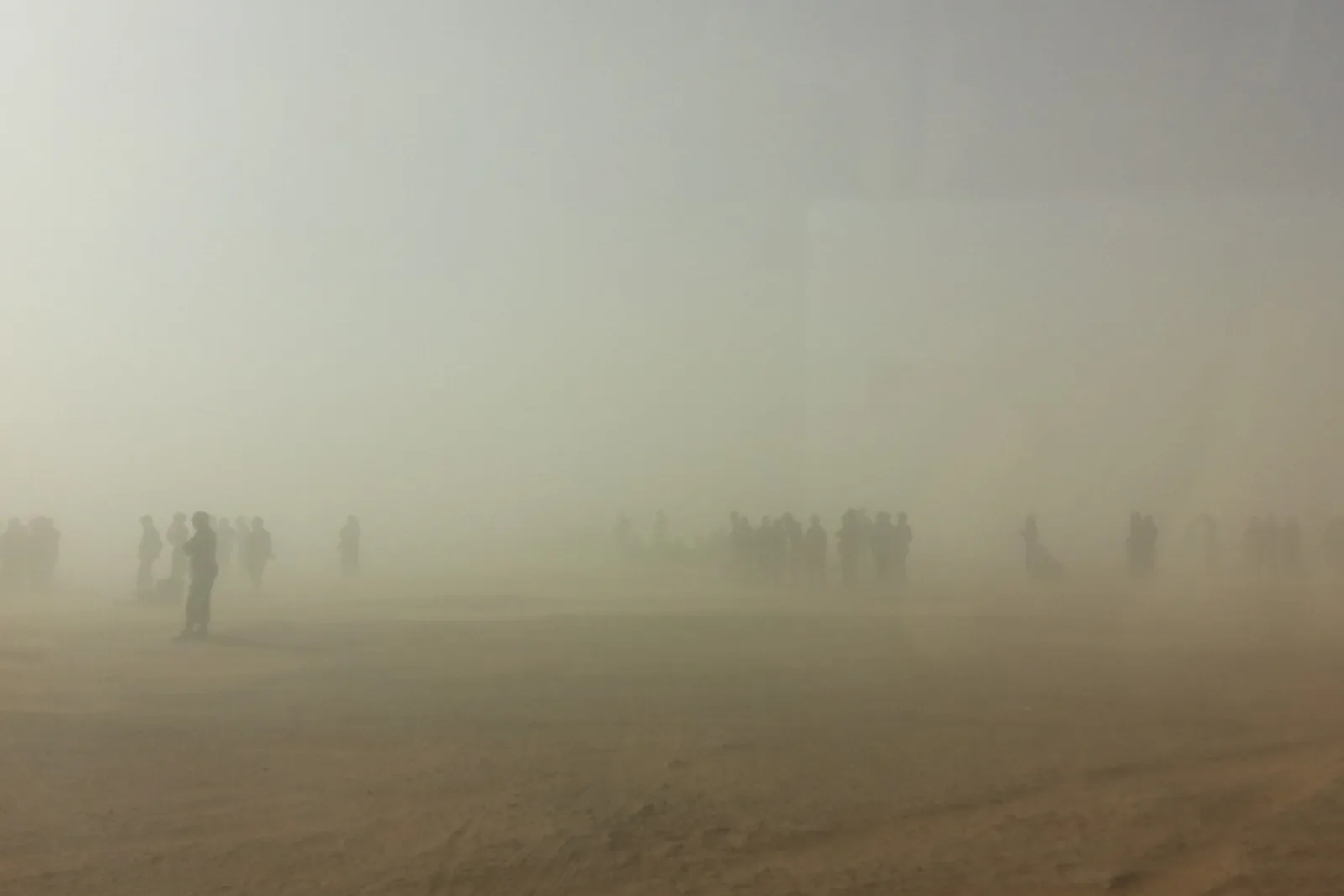
The Haze: The fine Saharan dust creates a distinct hazy or foggy appearance in the sky, often turning sunsets a brilliant, deep orange.
To see how the Harmattan fits into the broader annual weather patterns, check our detailed Best Time to Visit Ghana breakdown.
How Harmattan Impacts Travel & Logistics
Regional differences in dust concentration and what it means for your itinerary.
Southern Ghana (Accra & Cape Coast)
Dust Level: Mild to Moderate. You will notice a hazy horizon and a fine layer of dust on parked cars, but it rarely disrupts daily life.
Flights: Kotoka International Airport (ACC) operates normally. Delays are rare.
Activities: Ideal for visiting Cape Coast Castle, exploring Makola Market, and walking the Kakum canopy without worrying about sudden tropical downpours.
Northern Ghana (Mole National Park)
Dust Level: Heavy. The sky can appear brown or orange, and visibility can drop significantly in the early mornings.
Flights & Roads: Early morning domestic flights to Tamale may face slight delays due to low visibility. If driving, your private driver will use fog lights and delay departure until the sun burns off the thickest dust (usually by 9:00 AM).
Activities: The dust makes the midday heat more tolerable, but morning safari drives in Mole National Park might be hazy until the sun rises higher.
Health, Skin & Respiratory Tips
How Indian travelers can stay comfortable and healthy in the dry, dusty air.
The transition from humid India to the extreme dryness of the Harmattan can be a shock to the system. Proactive care is highly recommended.
Intense Hydration: The dry air dehydrates you rapidly without you realizing it. Drink at least 3-4 liters of bottled water daily.
Skincare: Pack heavy-duty moisturizers, lip balms, and under-eye creams. The dust and wind can cause severe chapping and dry skin.
Eye Care: Carry lubricating eye drops. The fine dust particles can cause irritation, especially for contact lens wearers.
Respiratory Sensitivities: If you have asthma, allergic rhinitis, or sinus issues, carry your prescribed inhalers and medications. An N95 mask is highly useful for dusty mornings or when traveling on unpaved rural roads.
Laundry: Avoid drying clothes outside on open balconies during peak Harmattan weeks, as they will collect a layer of fine dust.
For a comprehensive checklist of medical preparations and travel insurance requirements, refer to our Ghana Safety & Health Guide.
Best Activities During the Harmattan
Making the most of the rain-free, cooler dry season.
Outdoor & Nature
Kakum Canopy Walk: Without the slippery rain, the canopy walkway is safer and offers clearer (though slightly hazy) views of the rainforest.
Beach Days: The coastal breeze in Accra and Cape Coast is refreshing, and the lack of rain guarantees perfect beach weather.
Northern Safaris: The dry season forces wildlife to gather around the few remaining waterholes in Mole National Park, making elephant spotting much easier.
Cultural & Festivals
Detty December: The Harmattan season coincides with Ghana's massive "Detty December" festival season, featuring incredible nightlife, concerts, and cultural events.
Akwasidae Festival: The cool, dry weather makes attending the vibrant Ashanti royal festivals in Kumasi much more comfortable than during the humid summer months.
Historical Tours: Exploring the open-air ramparts of Elmina and Cape Coast Castles is far more pleasant without the scorching sun or heavy rain.
Frequently Asked Questions — Harmattan Season
Quick answers to weather and health concerns for dry-season travel.
1What exactly is the Harmattan season in Ghana?
The Harmattan is a dry, dusty trade wind that blows from the Sahara Desert southward into West Africa between late November and March. It brings hazy skies, reduced visibility, and significantly lower humidity to Ghana.
2Does the Harmattan affect flights and travel in Ghana?
In southern Ghana (Accra, Cape Coast), the impact is minimal. However, in Northern Ghana (Tamale, Mole National Park), the dense dust can reduce visibility, occasionally causing early morning flight delays or requiring drivers to use fog lights on highways.
3Is it safe to visit Ghana during the Harmattan?
Yes, it is very safe and actually the most popular time for tourists to visit. The rains have stopped, the weather is cooler, and outdoor activities like the Kakum canopy walk and Cape Coast Castle tours are highly enjoyable. You just need to manage the dry air and dust.
4How should Indian tourists prepare for the Harmattan dust?
Carry a high-quality moisturizer, lip balm, and hydrating eye drops. If you have asthma or respiratory sensitivities, bring an N95 mask for dusty days and keep your inhalers handy. Drink plenty of bottled water to stay hydrated.
5What is the temperature like during the Harmattan?
While the days are warm and sunny (28°C–33°C), the lack of cloud cover and humidity means nights and early mornings can be surprisingly cool and breezy, especially in the northern regions, dropping to around 18°C–22°C.
Planning a December or January trip to Ghana? Let our experts handle your flights, visa, and dry-season itinerary planning.
Note: The intensity and exact onset of the Harmattan vary slightly each year based on Saharan weather patterns. Always check short-term meteorological forecasts closer to your departure date. If you have pre-existing respiratory conditions, consult your physician before traveling during peak dust months.
Fill out the enquiry form below and our travel experts will help you plan your Ghana tour — including flights, visa, hotels, and dry-season itineraries.
Get assistance with December/January travel logistics, Accra hotel bookings, and complete Ghana packages tailored to the Harmattan season.