Kejetia Market redevelopment zoning updates and new tourist vendor sections in Kumasi (2025-2026)
Mobile Money (MoMo) payment integration expansion at Makola Market and Arts Centre for tourist convenience
Updated Ghana Tourism Authority guidelines on exporting authentic Kente cloth and protected wood carvings
Fact-checked April 2026
Last updated: April 2026
Shopping in Ghana: A Vibrant Cultural Experience
From chaotic open-air bazaars to upscale craft centers, discover the best places to shop.
Shopping in Ghana is an immersive sensory experience. The markets are not just places to buy goods; they are the commercial and social heartbeats of the cities. For Indian travelers, the vibrant textiles, intricate beadwork, and rich cocoa products offer a delightful contrast to the shopping scenes back home. For a complete overview of how to budget for your market haul and daily expenses, refer to our comprehensive Ghana Travel Guide.
Top Markets to Explore in Ghana
The best open-air markets and craft centers for authentic local goods and souvenirs.
Makola Market (Accra)
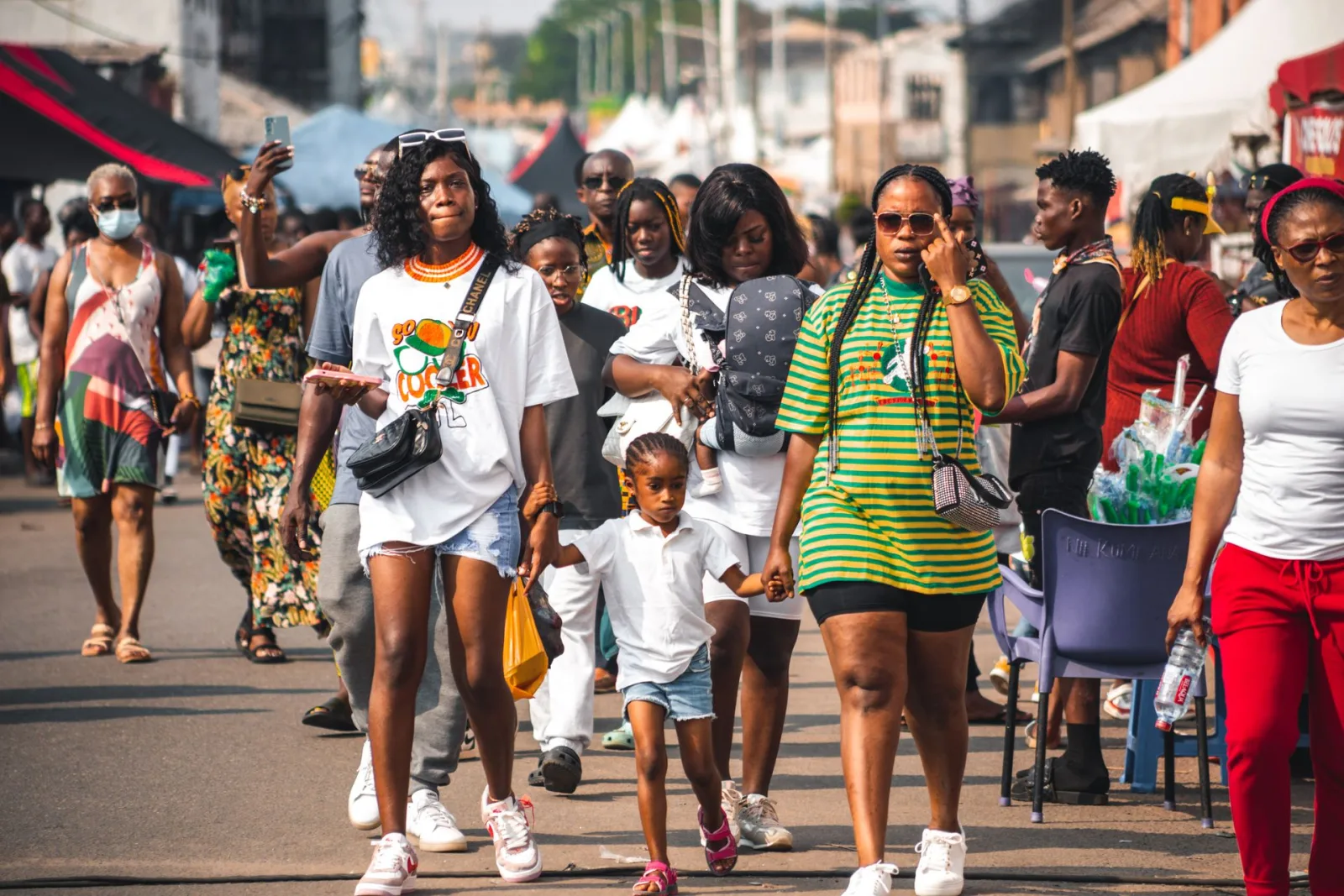
The undisputed commercial heart of Accra. Makola is a sprawling, chaotic, and incredibly vibrant open-air market.
Best For: Experiencing raw local life, buying wholesale fabrics, spices, and everyday goods.
Vibe: Extremely crowded, loud, and energetic. Head porters (kayayei) navigate the narrow aisles with massive loads on their heads.
Tip: Keep your valuables secure and close to your body. Visit early in the morning to avoid the peak heat and crushing crowds. For a detailed look at navigating the capital, see our Accra City Guide.
Kejetia Market (Kumasi)
Located in the Ashanti capital, Kejetia is reputed to be the largest open-air market in West Africa.
Best For: Traditional Ashanti crafts, brass castings, authentic Kente cloth, and local spices.
Vibe: A massive labyrinth of thousands of stalls. The newly redeveloped sections offer better zoning for tourists.
Tip: Bargaining is essential here. Hire a local guide or go with your driver to help navigate the sheer scale of the market. Learn more about the city in our Kumasi City Guide.
Arts Centre (Accra)
Officially the Centre for National Culture, this is the most famous tourist-friendly craft market in Accra.
Best For: Souvenirs, wood carvings, masks, drums, and African print fabrics.
Vibe: More organized than Makola, with dedicated stalls for artisans. Vendors are accustomed to tourists and bargaining.
Tip: Start your negotiations at about 50% of the asking price. If you want fixed prices and higher-end curated crafts, visit the Aburi Crafts Centre just outside the city instead.
Best Authentic Souvenirs to Buy
Iconic Ghanaian crafts and products that make perfect gifts or keepsakes.
Kente Cloth: The most iconic Ghanaian textile. Originating from the Ashanti kingdom, these handwoven strips of silk and cotton feature vibrant, symbolic patterns. For the most authentic experience, buy directly from the weavers in Bonwire village.
Shea Butter: Raw, unrefined Shea butter is a staple of Ghanaian skincare. Buy it from local markets or women's cooperatives to ensure it is pure and to support local economies.
Cocoa Products: Ghana is the world's second-largest cocoa producer. Look for high-quality, locally made chocolate bars and rich cocoa powder.
Krobo Beads: Traditional glass beads, often recycled from old bottles, are handcrafted in the Krobo region. They are used in jewelry and hold deep cultural significance.
Wood Carvings: Intricately carved stools, masks, and figurines. The Ahwiaa village near Kumasi is famous for its master carvers. Note: Check customs regulations before exporting certain types of protected wood.
Shopping Tips & Etiquette for Indians
Practical advice on payments, bargaining, and market hours.
Payments & Currency
Cash is King: Open-air markets and craft centers operate almost exclusively on cash (Ghanaian Cedi - GHS).
No UPI: UPI is not available in Ghana. Do not rely on digital payments from India.
Card Usage: Credit and debit cards are accepted in upscale boutiques, malls (like Accra Mall), and supermarkets, but not at local stalls.
Mobile Money (MoMo): Locals use MTN MoMo or Telecel Cash for everything. While tourists can register for a MoMo SIM, cash is much simpler for short trips.
To understand how much cash to carry and how to manage your overall travel budget, check our detailed Ghana trip cost from India breakdown.
Hours & Bargaining
Market Hours: Open-air markets like Makola and Kejetia operate from early morning (6 AM) to late afternoon (5 PM). They are largely closed on Sundays.
Mall Hours: Modern shopping malls typically operate from 10 AM to 9 PM, seven days a week.
Bargaining: Haggling is expected and part of the culture in markets. Start at 50% of the asking price and negotiate politely with a smile. Never bargain in fixed-price supermarkets or malls.
Etiquette: Always greet the vendor ("Maakye" for good morning) before starting to browse or negotiate. It is considered rude to ignore the seller and just start haggling.
Frequently Asked Questions — Ghana Shopping
Quick answers to help you navigate markets and buy souvenirs safely.
1What is the best market to visit in Accra?
Makola Market is the best market in Accra for an authentic, chaotic, and vibrant local experience, offering everything from fresh produce to textiles. For souvenirs, wood carvings, and tourist-friendly crafts, the Arts Centre (Centre for National Culture) is the top choice.
2Do I need to bargain in Ghanaian markets?
Yes, bargaining is expected and part of the culture in open-air markets like Makola and Kejetia, as well as the Arts Centre. Start by offering about 50% of the initial asking price and negotiate politely with a smile. Fixed prices apply in malls and upscale boutiques.
3Can I use my credit card or UPI at local markets?
No. UPI is not available in Ghana, and credit cards are rarely accepted at local market stalls. You must carry cash in Ghanaian Cedis (GHS). While some vendors are beginning to accept Mobile Money (MoMo), cash remains the most reliable payment method for tourists.
4What is the best authentic souvenir to buy from Ghana?
Authentic, handwoven Kente cloth is the most iconic Ghanaian souvenir. Other excellent choices include raw, unrefined Shea butter, traditional Krobo glass beads, high-quality Ghanaian cocoa products, and intricate wood carvings from the Ahwiaa village.
5Are the markets safe for Indian tourists?
Yes, major markets like Makola and Kejetia are generally safe, but they are incredibly crowded and chaotic. Keep your valuables secure and close to your body, avoid flashing large amounts of cash, and consider visiting with a local guide or your private driver for your first time.
Want a hassle-free shopping and cultural tour in Ghana? Our packages include private drivers, local market guides, and curated craft village visits.
Note: Market dynamics, vendor prices, and operating hours can change. Always carry small denominations of Ghanaian Cedis for easier transactions. Verify customs regulations before purchasing and exporting protected wood carvings or antique artifacts.