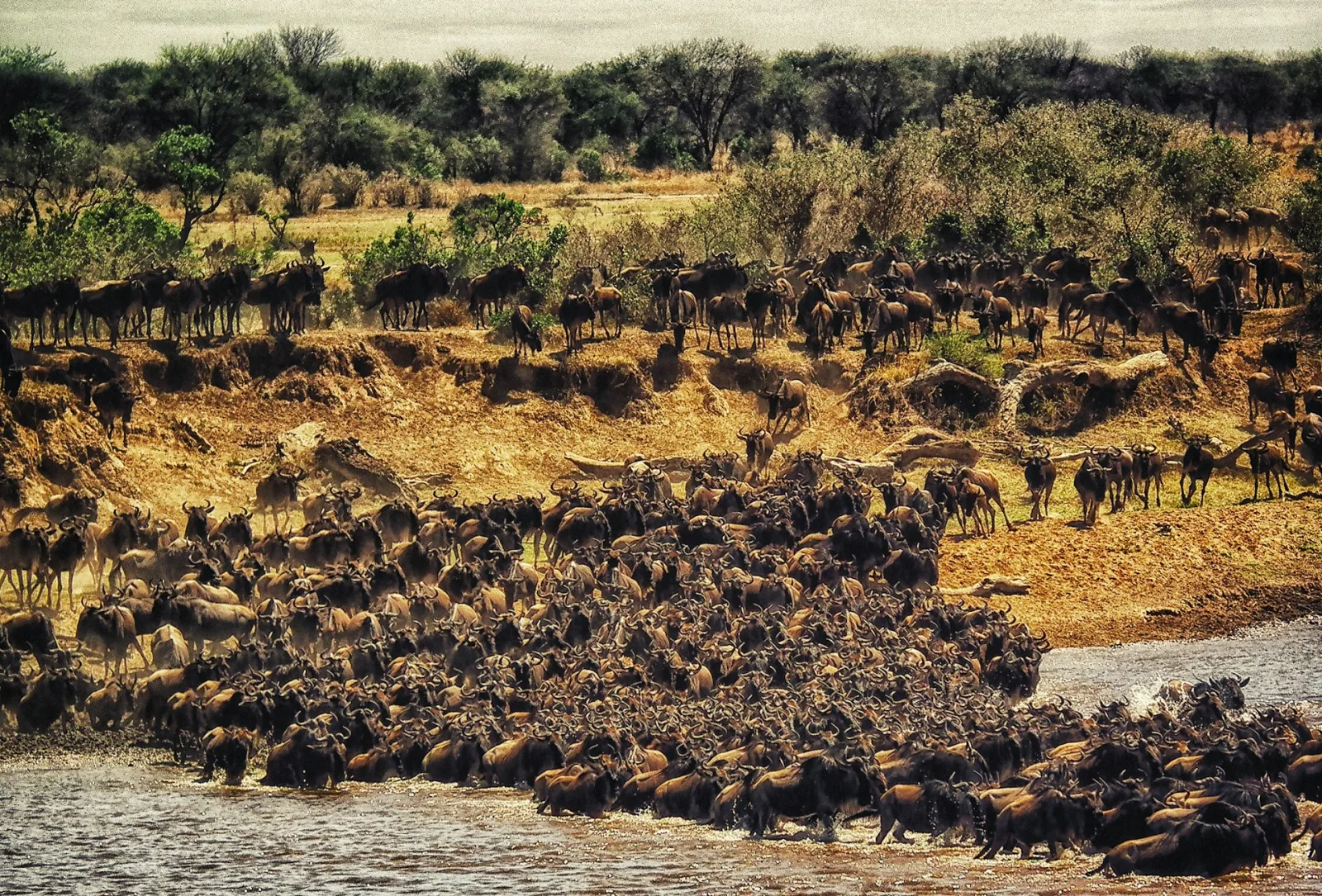
A massive herd of wildebeest crossing the dusty plains of the Maasai Mara during the dry season in July, Kenya

Kenya in July Safari Guide
for Indian Travelers

Experience the start of the Great Migration and peak wildlife viewing. Your complete guide to weather, costs, and booking tips for a July safari in 2026.

Updated for 2026 Travelers
Written by Vishal Narayan — Africa Travel Specialist
Reviewed by Veena Rathore · Africa Travel Reviewer
Last updated after reviewing:
  • 2026 Great Migration river crossing prediction windows for July in Maasai Mara
  • Peak season lodge minimum stay requirements and premium pricing for July departures
  • Maasai Mara road conditions and dust levels during the dry season in July

Last updated: April 2026

Why Choose a Kenya Safari in July?
July marks the beginning of the dry season and the highly anticipated arrival of the Great Migration in the Maasai Mara.

The July Advantage: For Indian travelers, July offers the perfect balance of excellent wildlife viewing and slightly fewer crowds than the peak month of August. The weather is cool, dry, and comfortable, and the landscape transitions to the classic golden-brown savanna that makes spotting animals incredibly easy.

Optimal Game Viewing

Because there is no rain, the bush thins out, and wildlife is forced to congregate around permanent water sources like the Mara River and swamps. This makes finding animals significantly easier compared to the lush, wet green season.

Comfortable Climate

July is in the middle of the Kenyan winter. Daytime temperatures are a pleasant 20°C to 25°C, making long game drives comfortable. There is virtually no chance of rain disrupting your daily safari schedule.

Planning Note: For a complete day-by-day routing that includes the Maasai Mara, refer to our detailed Kenya Safari Itinerary Guide.

Wildlife & The Great Migration in July
What to expect from the animal kingdom during the start of the dry season.

The Migration Arrives

In July, the front runners of the Great Migration—over 1.5 million wildebeest and zebra—begin crossing the border from Tanzania's Serengeti into Kenya's Maasai Mara. While the massive, chaotic river crossings peak in August and September, July offers the exciting spectacle of the herds gathering, moving north, and the first dramatic crossings of the season.

Predator Action

The arrival of the migration brings a surge in predator activity. Lions, cheetahs, leopards, and hyenas are highly active, taking advantage of the abundance of prey. The dry vegetation provides excellent visibility for spotting these big cats on the hunt.

Weather & Packing for a July Safari
Prepare for cool mornings, warm afternoons, and dusty conditions.

Weather Conditions

  • Daytime: Pleasant and sunny, 20°C to 25°C (68°F to 77°F).
  • Morning/Evening: Surprisingly chilly, dropping to 10°C to 12°C (50°F to 54°F) in open 4x4 vehicles.
  • Rainfall: Virtually zero. July is one of the driest months of the year.
  • Dust: The dry season kicks up a lot of fine, red dust, especially in the Maasai Mara.

What to Pack

  • Warm Layers: A fleece jacket, down vest, or warm sweater is mandatory for early morning game drives.
  • Dust Protection: A bandana or scarf to cover your nose and mouth on dusty roads. Sunglasses are essential.
  • Camera Gear: Bring a blower brush to clean dust off your lens. Avoid changing lenses in the open vehicle.
  • Colors: Stick to neutral khaki, olive, and brown. Avoid black (attracts tsetse flies) and bright colors.

Planning Note: For a complete packing checklist, including luggage limits for domestic flights, refer to our Kenya Safari Packing List.

Peak Season Costs & Booking Tips
July is highly sought after. Strategic planning is essential to secure the best lodges and rates.
Expense Category Shoulder Season (e.g., May) Peak Season (July) Premium Applied
Luxury Tented Camp (per night)₹20,000 – ₹35,000₹35,000 – ₹60,000+40% – 70%
Mid-Range Lodge (per night)₹8,000 – ₹12,000₹14,000 – ₹22,00050% – 80%
International Flights₹50,000 – ₹70,000₹75,000 – ₹1,10,00030% – 50%
Domestic Flights (Mara/Nairobi)₹10,000 – ₹15,000₹15,000 – ₹22,00030% – 50%

Book 6 to 8 Months Ahead

July is one of the most popular months for international tourists. The best luxury conservancy camps and family-friendly lodges sell out by January or February for the upcoming July season. Early booking is non-negotiable.

Minimum Stay Requirements

Many premium lodges in the Maasai Mara enforce a 3-night or 4-night minimum stay requirement during July. Ensure your itinerary aligns with these policies to avoid booking complications or penalty fees.

Secure your July Great Migration safari. Our Kenya tour packages include early-bird lodge bookings and seamless logistics for peak season travel.

Frequently Asked Questions — Kenya in July
Quick, honest answers to the most common July safari questions from Indian travellers
1Is July a good time for a Kenya safari from India?
Yes, July is arguably the best month for a Kenya safari. It marks the start of the dry season, meaning wildlife congregates around water sources, and the Great Migration herds begin arriving in the Maasai Mara from the Serengeti. The weather is cool, dry, and pleasant.
2Will I see the Great Migration river crossings in July?
July is the beginning of the river crossing season in the Maasai Mara. While the herds are arriving and crossings do occur, the absolute peak frequency of crossings is typically in August and September. However, July offers the advantage of slightly fewer crowds than August.
3How much does a Kenya safari cost in July?
July is peak season. Expect to pay a 20% to 40% premium on lodge rates compared to the shoulder season. A 7-day peak season safari typically costs between ₹1.8 lakh and ₹3.5 lakh per person, depending on the level of luxury and whether you fly or drive. For a detailed breakdown, see our Kenya Trip Cost from India guide.
4What is the weather like in Kenya in July?
July is in the middle of the cool, dry season. Daytime temperatures in the Maasai Mara are pleasant (20°C–25°C), but early morning game drives can be quite chilly (10°C–12°C). Rain is very rare, and the skies are generally clear, making it perfect for photography.

Note: The timing of the Great Migration is a natural phenomenon and can vary by a few weeks each year depending on rainfall patterns in the Serengeti. Peak season lodge availability and pricing are highly dynamic. Always verify current migration movements and lodge policies with your tour operator before finalizing your July booking.

About This Kenya in July Guide

This Kenya in July guide provides practical, expert-tested advice for Indian travelers planning a peak season wildlife holiday in 2026. Researched, regularly updated, and trusted by group tour planners.

Expert Curated Content

Every logistical detail — from migration timing to peak season booking strategies — is verified by travel professionals with extensive on-ground East African experience.

Regularly Updated Information

Kenya peak season lodge policies, flight pricing trends, and migration tracking data are reviewed and refreshed to reflect current 2026 conditions.

Trusted by Indian Travelers

Used by group tour organizers, families, and independent travelers from India researching July safari logistics, Great Migration viewing, and peak season planning.

Complete Kenya Resource

One guide covering migration timing, weather patterns, packing essentials, and booking strategies — all with India-specific context and 2026 accuracy.

More Travel Guides

Explore Other Destinations

Plan Your July Kenya Safari

Fill out the enquiry form below and our travel experts will help you plan your July Great Migration safari — including early-bird lodge bookings and seamless logistics.

Get assistance with Maasai Mara peak season availability, river crossing routing, and complete Kenya July safari packages.

Enquire About This Package