A neatly organized safari packing layout featuring khaki clothing, binoculars, sunscreen, and a passport on a wooden table

Kenya Safari Packing List
Essential Checklist for Indian Travelers

Don't get caught off guard. Discover exactly what to pack for a Kenya safari, including clothing, documents, camera gear, and strict domestic flight luggage rules for 2026.

Updated for 2026 Travelers
Written by Vishal Narayan — Africa Travel Specialist
Reviewed by Veena Rathore · Africa Travel Reviewer
Last updated after reviewing:
  • Domestic flight luggage restrictions (15kg soft bag limit) for SafariLink/AirKenya 2026
  • Updated Yellow Fever vaccination certificate requirements for transit travelers
  • Mandatory Type G (UK) plug adapter requirements for safari lodges

Last updated: April 2026

Clothing & Layering for the African Bush
Safari dressing is all about versatility. Temperatures can swing from 10°C (50°F) at dawn to 30°C (86°F) by midday.

Color Rule: Stick to neutral, earthy tones like khaki, beige, olive green, and brown. Avoid bright colors (they startle wildlife), black/dark blue (they attract tsetse flies), and pure white (it gets covered in red dust instantly).

Top & Bottom Layers

  • Lightweight long-sleeved shirts: 3-4 breathable cotton or moisture-wicking shirts for sun and insect protection.
  • T-shirts: 2-3 short-sleeved tops for midday heat at the lodge.
  • Convertible trousers: 2 pairs of zip-off pants are highly practical for transitioning from cool mornings to hot afternoons.
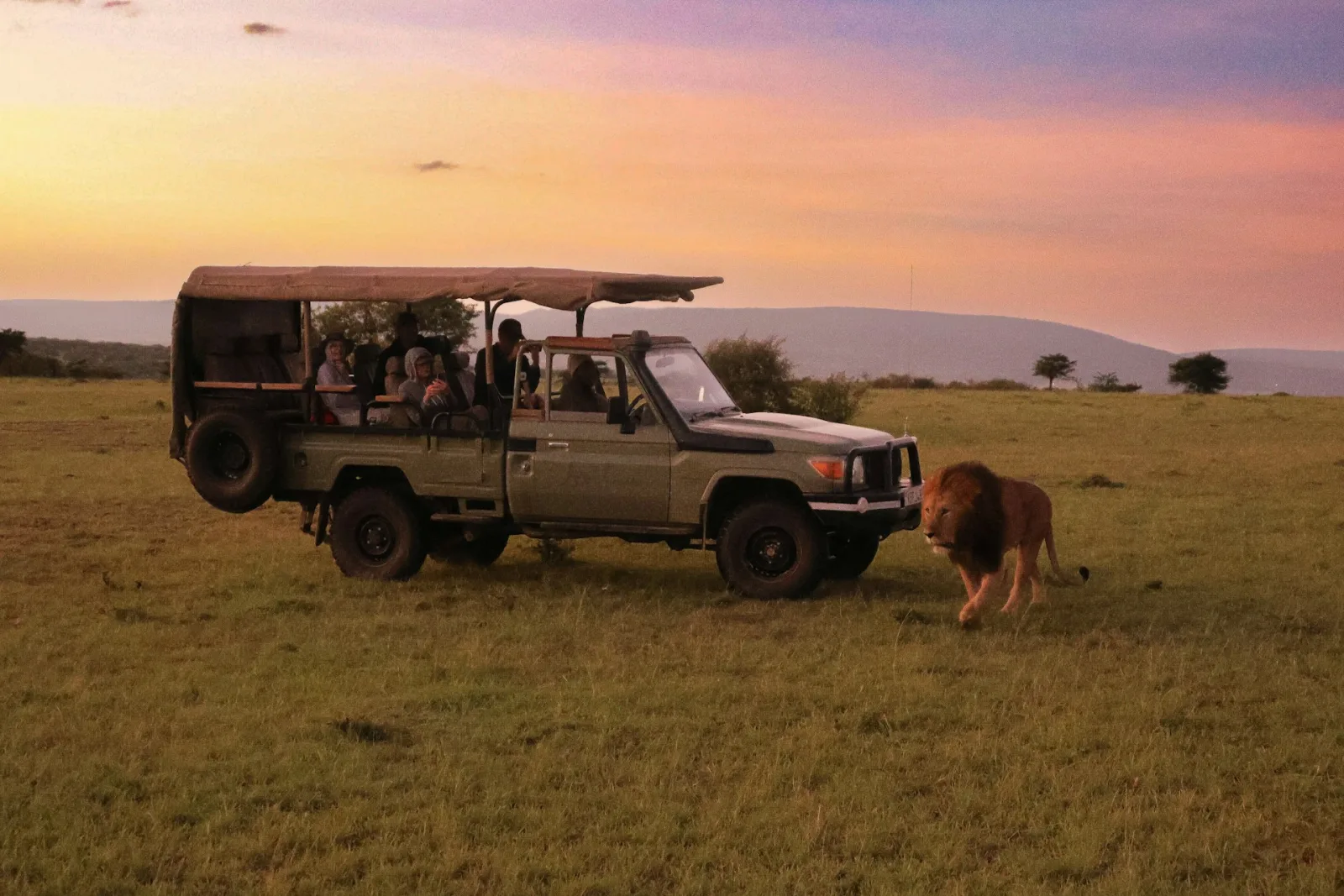
  • Warm fleece or down jacket: 1 essential layer for early morning and evening game drives in open 4x4 vehicles.
  • Comfortable shorts: 1-2 pairs for relaxing at the lodge or pool during midday.

Footwear & Accessories

  • Closed-toe walking shoes: Sturdy, comfortable sneakers or lightweight hiking boots for nature walks and dusty conditions.
  • Sandals/Flip-flops: 1 pair for wearing around the lodge or camp.
  • Wide-brimmed hat: Essential for sun protection, ideally with a chin strap for windy open-vehicle game drives.
  • Bandana or scarf: Useful for wiping sweat or protecting your face from dust on bumpy roads.
  • Swimwear: 1 set, as most mid-range and luxury lodges feature swimming pools.
Essential Travel Documents
Keep these documents organized in a waterproof folder in your carry-on luggage.

Primary Identification

  • Passport: Must be valid for at least 6 months beyond your date of entry, with a minimum of 2 blank visa pages.
  • Kenya eTA Approval: Print at least two physical copies of your approved Electronic Travel Authorisation. Airlines will check this before boarding.
  • Flight Itinerary: Printed copies of your international and domestic flight tickets.
  • Hotel/Lodge Confirmations: Printed proof of accommodation for the duration of your stay.

Health & Financial Documents

  • Yellow Fever Certificate: Mandatory if you are transiting through or arriving from a yellow fever endemic country (e.g., Ethiopia, Uganda). Carry the original "Carte Jaune".
  • Travel Insurance Policy: Printed copy including the 24/7 emergency assistance phone number and policy number.
  • Prescriptions: Copies of prescriptions for any regular medications, including malaria prophylaxis.
  • USD Cash: Crisp, unmarked USD bills printed in 2013 or later. (Kenyan banks strictly reject older or damaged notes).
Health & Toiletries Checklist
Safari lodges provide basics, but specialized items must be brought from India.

Medical Essentials

  • Malaria Prophylaxis: Consult your doctor 4–6 weeks before travel for appropriate medication (e.g., Malarone or Doxycycline).
  • Insect Repellent: DEET-based repellent (20-30% concentration) for exposed skin, especially at dawn and dusk.
  • Basic First Aid: Band-aids, antiseptic cream, pain relievers (Paracetamol/Ibuprofen), and anti-diarrheal medication (e.g., Loperamide).
  • Motion Sickness Pills: Useful for bumpy safari roads or small domestic aircraft.

Toiletries

  • Sunscreen: High SPF (50+), broad-spectrum, reef-safe if visiting coastal areas.
  • Lip balm with SPF: The African sun and wind can quickly chap lips.
  • Moisturizer: The air can be very dry, especially in the Rift Valley.
  • Hand sanitizer & wet wipes: Invaluable for quick clean-ups before meals or after dusty game drives.
  • Biodegradable soap/shampoo: Recommended if staying at eco-camps with sensitive water systems.
Safari Gear & Electronics
Maximize your wildlife photography and stay connected in the bush.

Photography & Viewing

  • Binoculars: 8x42 or 10x42 are ideal for spotting distant wildlife. (Some lodges provide them, but bringing your own is recommended).
  • Camera & Lens: DSLR or mirrorless camera with a zoom lens (e.g., 70-200mm or 100-400mm) for wildlife photography.
  • Extra Batteries & Memory Cards: Essential, as charging opportunities may be limited during full-day game drives.
  • Bean bag or window mount: Provides stability for photography when resting your camera on the 4x4 vehicle's window frame.

Electronics & Power

  • Universal Power Adapter: Kenya uses Type G (British 3-pin rectangular) outlets. Indian 2-pin plugs will not work without an adapter.
  • Power Bank: 10,000mAh or higher to keep phones and cameras charged during long days in the bush.
  • Smartphone: With offline maps (Google Maps) and translation apps downloaded.
  • Headlamp or small flashlight: Useful for navigating unlit camp pathways at night.

Planning Note: For a complete financial breakdown of your trip, including gear rental options, refer to our Kenya Trip Cost from India guide.

Strict Luggage Rules for Domestic Flights
If your itinerary includes flying between Nairobi and the Maasai Mara or the coast, you must adhere to strict aviation rules.

The 15kg Soft-Bag Rule

  • Weight Limit: Airlines like SafariLink and AirKenya enforce a strict 15kg (33 lbs) total weight limit per passenger. This includes your main bag AND your hand luggage/camera bag.
  • Bag Type: Luggage must be a soft-sided duffel bag. Hard-shell suitcases are not accepted due to the limited, curved cargo holds of small Cessna Caravan aircraft.
  • Consequence of Overweight: Excess baggage is charged at a high premium per kg, or you may be bumped to a later flight if the plane is weight-restricted.
  • Pro Tip: Leave your large, hard-shell international suitcase at your Nairobi hotel. Pack only essentials in a soft duffel for the bush, and retrieve your main luggage upon return to Nairobi.

Let us handle the logistics. Our Kenya tour packages include pre-trip packing checklists, domestic flight bookings, and seamless luggage transfer coordination.

Frequently Asked Questions — Kenya Safari Packing
Quick, honest answers to the most common packing questions from Indian travellers
1What is the luggage weight limit for domestic flights in Kenya?
Domestic flights on SafariLink and AirKenya have a strict 15kg (33 lbs) weight limit per passenger, which includes both checked and carry-on luggage. Bags must be soft-sided duffel bags, not hard-shell suitcases, due to limited cargo space in small aircraft.
2What colors should I avoid wearing on a Kenya safari?
Avoid bright colors (red, blue, yellow) as they can startle wildlife. Avoid black and dark blue, as they attract tsetse flies. Avoid pure white, as it gets dirty instantly on dusty safari roads. Stick to neutral tones like khaki, beige, olive green, and brown.
3Do I need a plug adapter for Kenya?
Yes. Kenya uses Type G electrical outlets (British 3-pin rectangular) with 240V at 50Hz. Indian 2-pin (Type C) plugs will not work without a universal travel adapter, which is essential for charging cameras and phones at safari lodges.
4Is malaria medication necessary for a Kenya safari?
Yes, the Maasai Mara, Amboseli, and other safari regions are malaria-endemic zones. It is highly recommended to consult your doctor 4–6 weeks before travel to obtain child-safe or adult-appropriate malaria prophylaxis, and to pack DEET-based insect repellent.

Note: Airline luggage policies and health advisories are subject to change. Always verify the latest weight limits, bag dimensions, and vaccination requirements directly with your airline and a travel health clinic before your departure.

About This Kenya Safari Packing Guide

This Kenya safari packing list provides practical, expert-tested advice for Indian travelers preparing for a wildlife holiday in 2026. Researched, regularly updated, and trusted by group tour planners.

Expert Curated Content

Every packing recommendation — from domestic flight baggage limits to malaria prophylaxis guidelines — is verified by travel professionals with extensive on-ground East African logistics experience.

Regularly Updated Information

Kenya airline luggage rules, eTA document requirements, and health advisories are reviewed and refreshed to reflect current 2026 conditions.

Trusted by Indian Travelers

Used by group tour organizers, families, and independent travelers from India researching Kenya safari logistics, packing lists, and domestic flight preparation.

Complete Kenya Resource

One guide covering clothing layers, essential documents, health kits, camera gear, and strict luggage rules — all with India-specific context and 2026 accuracy.

More Travel Guides

Explore Other Destinations

Get Your Kenya Safari Packing Checklist & Quote

Fill out the enquiry form below and our travel experts will provide a customized Kenya safari itinerary, complete with a detailed packing checklist and seamless logistics.

Get assistance with domestic flight bookings, lodge selections, and complete Kenya safari packages tailored to your needs.

Enquire About This Package