1Do Indians need a visa for Nepal? Has anything changed recently?
No — Indian citizens do not require a visa under the 1950 Indo-Nepal Treaty of Peace and Friendship. This remains unchanged in 2026. Carry a valid Voter ID card, Aadhaar card, or Passport. No fees, applications, or biometric registration required for entry or hotel check-ins.
2Is Nepal expensive for Indian tourists?
A 5–7 day Nepal trip costs approximately ₹15,000–₹35,000 per person excluding flights. Flights add ₹8,000–₹15,000. Ground expenses are highly affordable. Accommodation ranges from ₹1,500–₹5,000/night. Meals cost ₹800–₹2,000/day. Nepal is one of the most budget-friendly international destinations for Indians.
3How long is the flight from India to Nepal?
Direct flights from Delhi, Kolkata, or Patna take 1.5 hours. Mumbai and Bengaluru routes take 2–2.5 hours. Overland travel via Sunauli-Bhairahawa or Raxaul-Birgunj borders takes 12–20 hours depending on origin city. Flights operate 15+ times daily during peak seasons.
4What is the best time to visit Nepal from India?
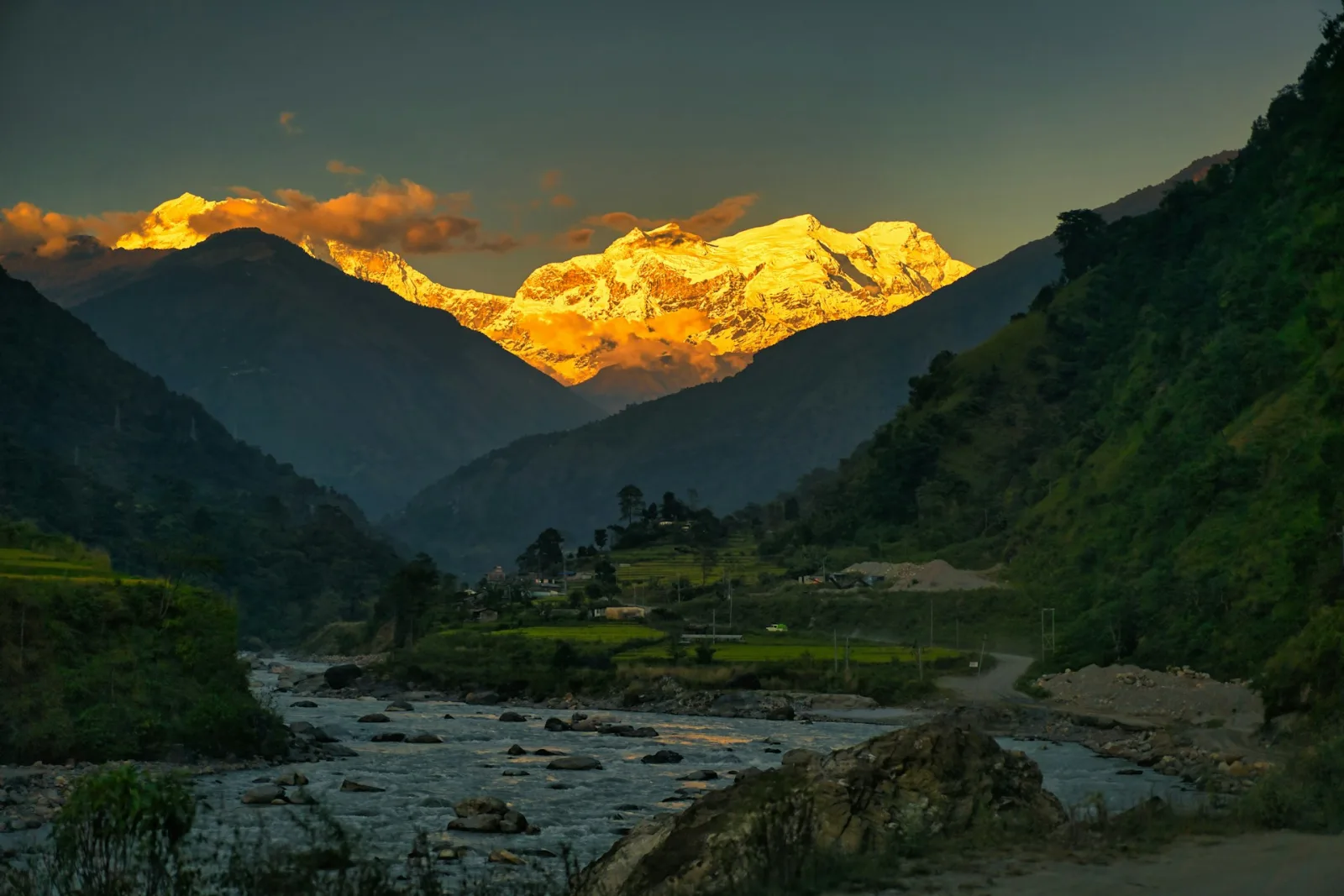
October to November and March to April are ideal. Autumn offers crystal-clear Himalayan views and festival seasons. Spring brings blooming rhododendrons and comfortable trekking weather. Monsoon (June–Sept) sees heavy rain and landslides; avoid high-altitude trails. Winter (Dec–Feb) is excellent for low-altitude cultural tours.
5Is Nepal safe for Indian tourists?
Extremely safe. Cultural, linguistic, and religious familiarity creates a highly comfortable environment. Use registered taxis, avoid isolated mountain trails without licensed guides, and secure valuables in crowded tourist hubs. Indian travelers consistently report warm hospitality and smooth logistics.
6Do Indians need a transit visa for Nepal flights?
No. Direct flights require no transit visas. If connecting via Middle Eastern hubs (uncommon for Nepal routes), standard international transit rules apply. Overland border crossings are seamless for Indians with valid photo ID. Keep ID accessible throughout the journey.
7What is the Nepal tourist visa fee for Indians?
Zero. Indian citizens enjoy visa-free entry under the bilateral treaty. No consular fees, permit costs, or registration charges for standard tourism. Trekking permits (TIMS/Conservation Area) apply only for specific trails and cost ₹500–₹3,000 depending on region.
8What plug type is used in Nepal?
Nepal uses Type C (European 2-pin) and Type D (Indian 3-pin round) outlets at 230V, 50Hz. Indian plugs work perfectly without adapters in 95% of hotels and guesthouses. Older mountain lodges may have limited outlets; carry a compact universal adapter as backup.
9Can I use Indian Rupee or UPI in Nepal?
Yes, but with restrictions. Indian Rupees are widely accepted in tourist areas. ₹500 and ₹1000 notes are restricted in Nepal; carry ₹10, ₹20, ₹50, ₹100, and ₹200 notes. UPI is not officially integrated, but Paytm and digital wallets are accepted in select Thamel and Pokhara shops. NPR cash remains preferred for local transport and small purchases.
10What is the national dish of Nepal?
Dal Bhat Tarkari is the national staple — steamed rice, lentil soup, and vegetable curry, often served with pickles and occasionally meat. It is nutritious, widely available, and served with free refills. "Dal Bhat Power, 24 Hour" is a popular trekker's saying.
11What is the time difference between India and Nepal?
Nepal is exactly 15 minutes ahead of Indian Standard Time (IST). Nepal follows Nepal Standard Time (NST, UTC+5:45). India follows UTC+5:30. When it is 12:00 PM in Kathmandu, it is 11:45 AM in India. The difference remains constant year-round.
12Can vegetarian Indians find food in Nepal?
Yes, extensively. Nepali cuisine is heavily vegetarian-friendly. Dal Bhat, veg momos, thukpa, chow mein, Newari vegetarian feasts, and Indian restaurants are widely available. Most trekking teahouses cater to vegetarian diets. Specify "veg" when ordering; avoid meat-based broths if strict vegetarian.
13Which is better for first-time visitors — Kathmandu or Pokhara?
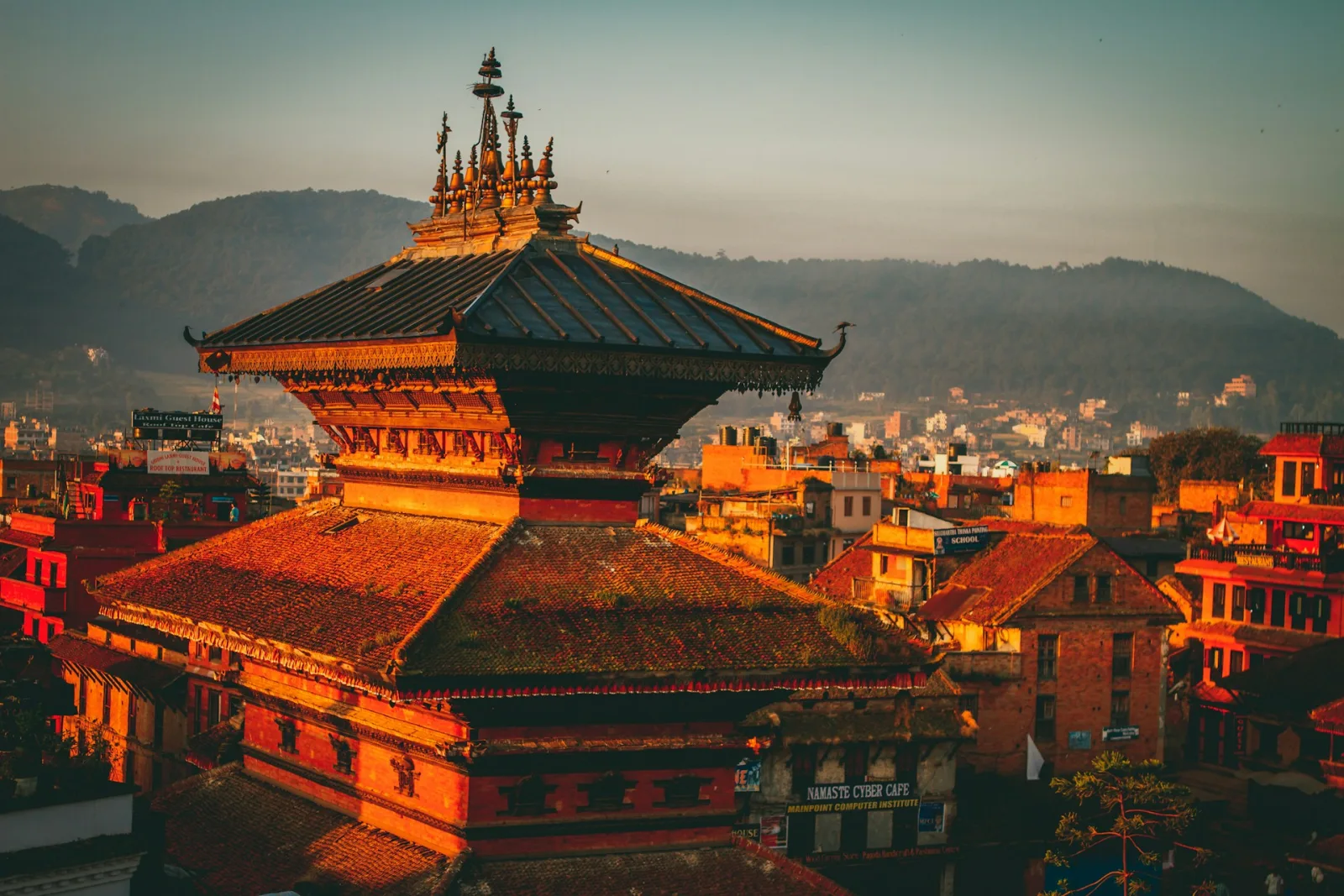
Combine both. Kathmandu offers rich heritage, temples, and vibrant street life. Pokhara provides lake tranquility, Himalayan sunrise views, and adventure sports. A standard 5-day trip covers Kathmandu (2 days), Pokhara (2 days), and Nagarkot/Chitwan (1 day). Both offer distinct, complementary experiences.
14Is Nepal better than Bhutan for Indian tourists on budget?
Yes, significantly. Nepal is far more budget-friendly. Bhutan mandates a daily Sustainable Development Fee (~₹10,000–₹12,000 per day for Indians during peak season) plus route permit fees, while Nepal has no daily fees, lower accommodation costs, and cheaper domestic transport. Nepal offers greater flexibility for independent travelers.
15Does Destination To Plan offer group tour packages to Nepal?
Yes. Destination To Plan offers customised group, family, and corporate packages to Nepal from India — including direct flights, heritage tours, Pokhara lake excursions, trekking support with licensed guides, domestic transport, and visa-free entry assistance. Contact us for a personalised itinerary and pricing.