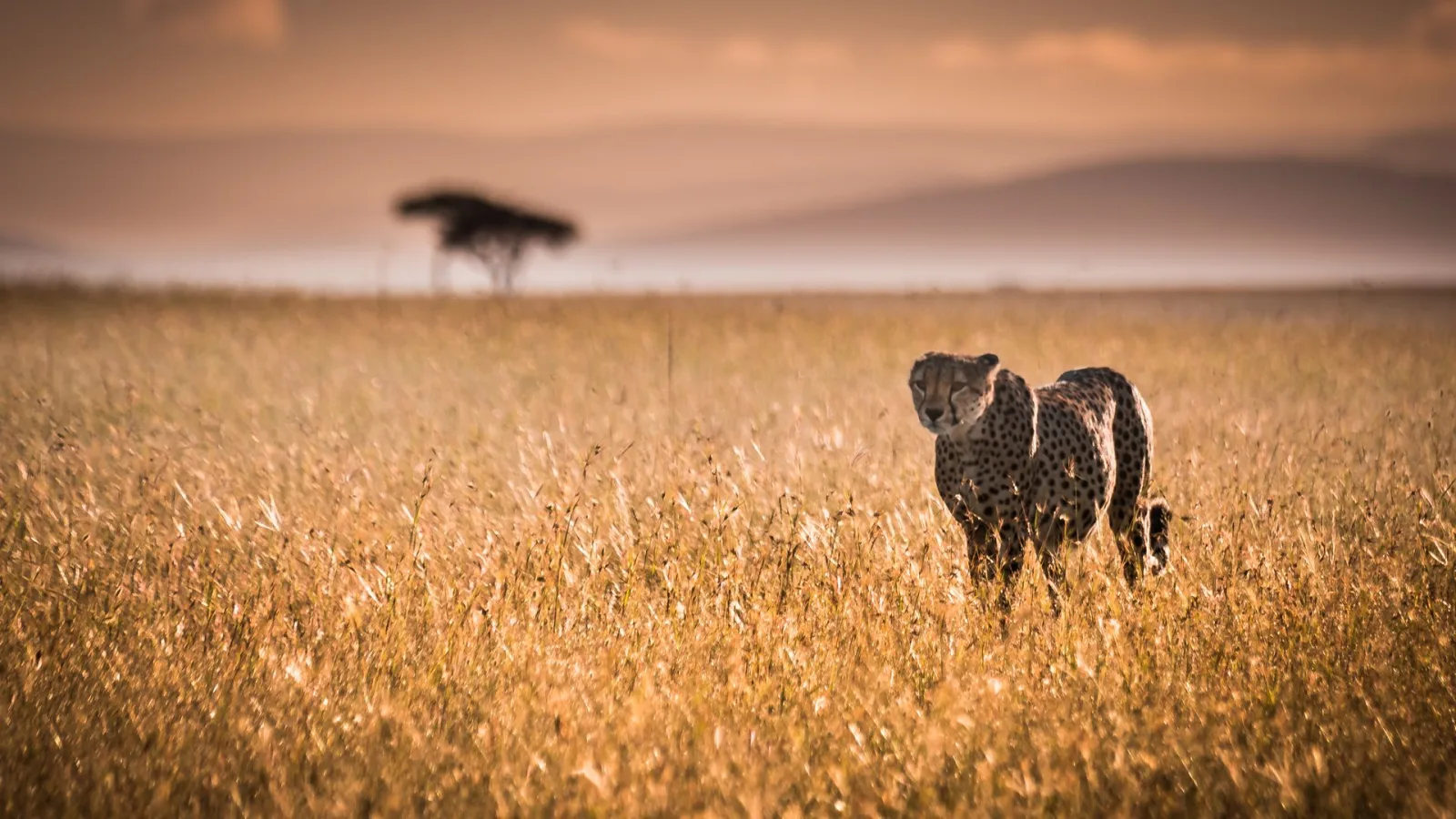
A photographer using a telephoto lens to capture a cheetah resting on the roof of a 4x4 safari vehicle in the Maasai Mara

Kenya Safari Photography Guide
for Indian Travelers

Master wildlife photography on your Kenyan adventure. Discover essential camera gear, optimal shooting settings, and ethical photography practices for 2026.

Updated for 2026 Travelers
Written by Vishal Narayan — Africa Travel Specialist
Reviewed by Veena Rathore · Africa Travel Reviewer
Last updated after reviewing:
  • 2026 drone photography regulations and strict bans in all Kenya national parks and conservancies
  • Updated recommended focal lengths and aperture settings for low-light dawn/dusk game drives
  • Dust protection protocols for camera gear during dry season Maasai Mara safaris

Last updated: April 2026

Essential Camera Gear for a Kenya Safari
Choosing the right equipment is critical for capturing sharp, detailed images of wildlife in diverse lighting conditions.

Pro Tip: You don't need the most expensive gear. A mid-range APS-C camera paired with a good telephoto zoom lens will yield far better results than a full-frame camera with a kit lens.

Camera Body

  • DSLR or Mirrorless: Both work excellently. Mirrorless offers superior continuous autofocus (e.g., eye-AF for animals), while DSLRs often have better battery life.
  • Weather Sealing: Highly recommended. The dry season (June–October) kicks up fine, powdery red dust that can infiltrate unsealed camera bodies.
  • Burst Rate: Look for a camera capable of at least 5–10 frames per second (fps) to capture fast-moving action like a cheetah sprinting or a bird taking flight.
Lenses

  • Primary Telephoto Zoom: A 100-400mm, 150-600mm, or 200-500mm lens is the absolute minimum for wildlife. It allows you to fill the frame with distant subjects.
  • Secondary Wide/Mid Zoom: A 24-70mm or 24-105mm lens is perfect for capturing sweeping savanna landscapes, environmental portraits, and camp life.
  • Teleconverter: A 1.4x or 2x teleconverter can extend your reach, though it reduces light intake by 1 or 2 stops, respectively.

Essential Accessories

  • Memory Cards: Bring multiple high-capacity, high-speed (UHS-II or V60/V90) SD or CFexpress cards. You will shoot thousands of images.
  • Extra Batteries: Cold morning game drives drain batteries faster. Carry at least 2–3 spares and keep them warm in an inner pocket.
  • Bean Bag: Most safari vehicles have window ledges. A sturdy bean bag provides vastly superior stability for heavy lenses compared to handheld shooting or flimsy monopods.
  • Cleaning Kit: A rocket blower and microfiber cloths are mandatory for removing dust without scratching the sensor or lens elements.
Recommended Camera Settings for Safari
Mastering your camera's exposure triangle and autofocus systems is key to sharp wildlife images.
Scenario Shutter Speed Aperture ISO Autofocus Mode
Bright Daylight (Static Animal)1/500s – 1/1000sf/5.6 – f/8100 – 400Single Point AF (AF-S)
Bright Daylight (Moving Animal)1/1000s – 1/2000s+f/5.6 – f/8400 – 800Continuous AF (AF-C) + Burst
Golden Hour (Dawn/Dusk)1/250s – 1/500sf/2.8 – f/4800 – 3200Continuous AF (AF-C) + Burst
Birds in Flight1/2000s or fasterf/5.6 – f/8800 – 1600Wide/Zone AF-C + High Burst
Landscape / Camp Life1/125s or slowerf/8 – f/11100 – 400Single Point AF (AF-S)

Pro Tip: Always shoot in RAW format. Safari lighting changes rapidly, and RAW files provide maximum flexibility for recovering shadow and highlight details during post-processing.

Ethical Wildlife Photography Rules in Kenya
Capturing stunning images should never come at the expense of animal welfare or habitat integrity.

Maintain a Safe Distance

Never pressure your driver-guide to get unnaturally close to wildlife, especially predators with cubs or nursing mothers. If an animal changes its behavior (stops eating, stares directly at you, or moves away), you are too close. Use your telephoto lens to bridge the gap.

No Flash or Loud Noises

Using flash photography on wildlife is strictly prohibited in all Kenyan national parks and conservancies. It can permanently damage nocturnal animals' vision and cause severe stress. Similarly, avoid making loud noises or calling out to attract an animal's attention.

Strict Drone Ban

The Kenya Wildlife Service (KWS) enforces a zero-tolerance policy on drones in all national parks, reserves, and private conservancies. Attempting to fly a drone will result in immediate confiscation of the equipment, heavy fines, and potential legal action.

Top Photography Locations in Kenya
Maximize your portfolio by targeting locations known for specific photographic opportunities.

Maasai Mara National Reserve

Best for: Action shots, the Great Migration river crossings (Jul–Oct), and high-density predator interactions (cheetahs, lions, leopards).

Amboseli National Park

Best for: Iconic landscape compositions featuring massive elephant herds framed against the snow-capped peak of Mount Kilimanjaro, especially at sunrise.

Lake Nakuru / Bogoria

Best for: Bird photography. Millions of lesser flamingos create a stunning pink canvas, alongside opportunities to photograph rhinos and Rothschild giraffes against acacia backdrops.

Ready to capture the ultimate African adventure? Our Kenya photography-focused tour packages include experienced driver-guides who understand how to position vehicles for optimal lighting and angles.

Frequently Asked Questions — Kenya Safari Photography
Quick, honest answers to the most common photography questions from Indian travellers
1What is the best lens for a Kenya safari?
A telephoto zoom lens is essential. A 100-400mm, 150-600mm, or 200-500mm lens is highly recommended for capturing distant wildlife. A secondary wide-angle lens (e.g., 24-70mm) is useful for landscapes and environmental portraits.
2Can I fly a drone for photography in Kenya national parks?
No. The Kenya Wildlife Service (KWS) strictly prohibits the use of drones in all national parks and private conservancies. Attempting to fly a drone can result in heavy fines, equipment confiscation, and legal action.
3What camera settings are best for safari photography?
Use Shutter Priority (Tv/S) or Manual mode. For moving animals, use a fast shutter speed (1/1000s or faster). For low-light dawn/dusk drives, open your aperture wide (f/2.8–f/5.6) and increase ISO (800–3200), using Continuous Autofocus (AF-C) and burst mode.
4How do I protect my camera gear from dust on a Kenya safari?
Dust is a major hazard, especially in the dry season. Keep gear in a padded, dust-proof bag when not in use. Avoid changing lenses in the open vehicle; do it inside the lodge or car. Use a blower brush and microfiber cloth, and consider a weather-sealed camera body.

Note: Photography equipment recommendations and KWS regulations are subject to change. Always verify current park rules regarding gear and ethical practices with your tour operator or the Kenya Wildlife Service before your trip.

About This Kenya Safari Photography Guide

This Kenya photography guide provides practical, expert-tested advice for Indian travelers looking to capture stunning wildlife images in 2026. Researched, regularly updated, and trusted by photography enthusiasts and tour planners.

Expert Curated Content

Every gear recommendation and camera setting is verified by professional wildlife photographers and travel experts with extensive on-ground East African experience.

Regularly Updated Information

Kenya Wildlife Service (KWS) drone regulations, ethical guidelines, and gear recommendations are reviewed and refreshed to reflect current 2026 conditions.

Trusted by Indian Travelers

Used by photography enthusiasts, travel bloggers, and independent travelers from India researching camera gear, shooting settings, and ethical wildlife practices in Kenya.

Complete Kenya Resource

One guide covering essential gear, optimal camera settings, ethical rules, and top photography locations — all with India-specific context and 2026 accuracy.

More Travel Guides

Explore Other Destinations

Plan Your Kenya Photography Safari

Fill out the enquiry form below and our travel experts will help you plan your Kenya photography tour — including experienced driver-guides who know the best angles and lighting.

Get assistance with camera-friendly vehicle bookings, prime location routing, and complete Kenya wildlife photography packages.

Enquire About This Package