Safari guide walking ahead of guests with a rifle, ensuring safety in an unfenced Botswana bush camp

Botswana Safety & Health Guide
Security, Malaria & Wildlife Protocols 2026

Essential safety, health, and security information for Indian travelers planning a remote safari in the Okavango Delta and Chobe National Park.

Updated for 2026 Travelers
Written by Vishal Narayan — Africa Travel Specialist
Reviewed by Veena Rathore · Africa Travel Reviewer
Last updated after reviewing:
  • Updated 2026 WHO malaria prophylaxis recommendations for the Okavango and Chobe regions
  • Revised Botswana Department of Wildlife and National Parks (DWNP) unfenced camp safety protocols
  • Current medical evacuation insurance requirements for Indian travelers entering remote concessions

Last updated: April 2026

Is Botswana Safe for Indian Travelers?
Understanding the security landscape of Africa's premier "high-value, low-volume" safari destination.

Political & Social Stability

  • Stable Democracy: Botswana is Africa's oldest continuous democracy, renowned for its political stability, low corruption, and strong rule of law.
  • Low Crime Rate: Violent crime against tourists is exceptionally rare. The country's economy relies heavily on premium tourism, and locals are highly protective of visitors.
  • Welcoming Culture: The Batswana people are famous for their hospitality and respect toward guests, making Indian families and solo travelers feel highly secure.

As detailed in our complete Botswana travel guide, the primary safety considerations here are not related to crime, but rather to health precautions and respecting the wild, unfenced environments of the bush.
The Real Risks

  • Health: Malaria is the most significant health risk in the northern safari circuits.
  • Wildlife: Proximity to dangerous game in unfenced camps requires strict adherence to camp rules.
  • Remoteness: Medical facilities in the Delta are basic; serious issues require air evacuation.
  • Roads: Self-driving in remote areas carries risks of animal collisions and vehicle breakdowns.

By understanding these realities and preparing accordingly, Indian travelers can enjoy one of the safest and most seamless luxury safari experiences in the world.

Personal Security & Crime Prevention
Practical advice for navigating cities like Gaborone, Maun, and Kasane safely.

Urban Precautions

  • Petty Theft: While violent crime is low, pickpocketing and bag-snatching can occur in crowded areas like the Main Mall in Gaborone or busy bus ranks.
  • Valuables: Do not flash expensive jewelry, cameras, or large amounts of cash in public spaces.
  • Nighttime: Avoid walking alone in poorly lit or deserted areas after dark. Use hotel-recommended taxis or ride-hailing apps (like Bolt in Gaborone).
  • Vehicles: Never leave luggage or bags visible in a parked car. Smash-and-grab incidents, though rare, can happen at traffic lights in larger towns.

Document Security

  • Passport Copies: Carry photocopies of your Indian passport and Botswana entry stamp. Leave the original passport in the lodge safe when going on game drives.
  • Digital Backups: Email scanned copies of your passport, visa, insurance, and flight tickets to yourself before departing India.
  • Emergency Contacts: Save the contact details of the Indian High Commission in Gaborone and your travel insurance provider in your phone.
Wildlife & Bush Camp Safety Protocols
How to stay safe when sharing your environment with Africa's most dangerous game.

Unfenced Camp Rules

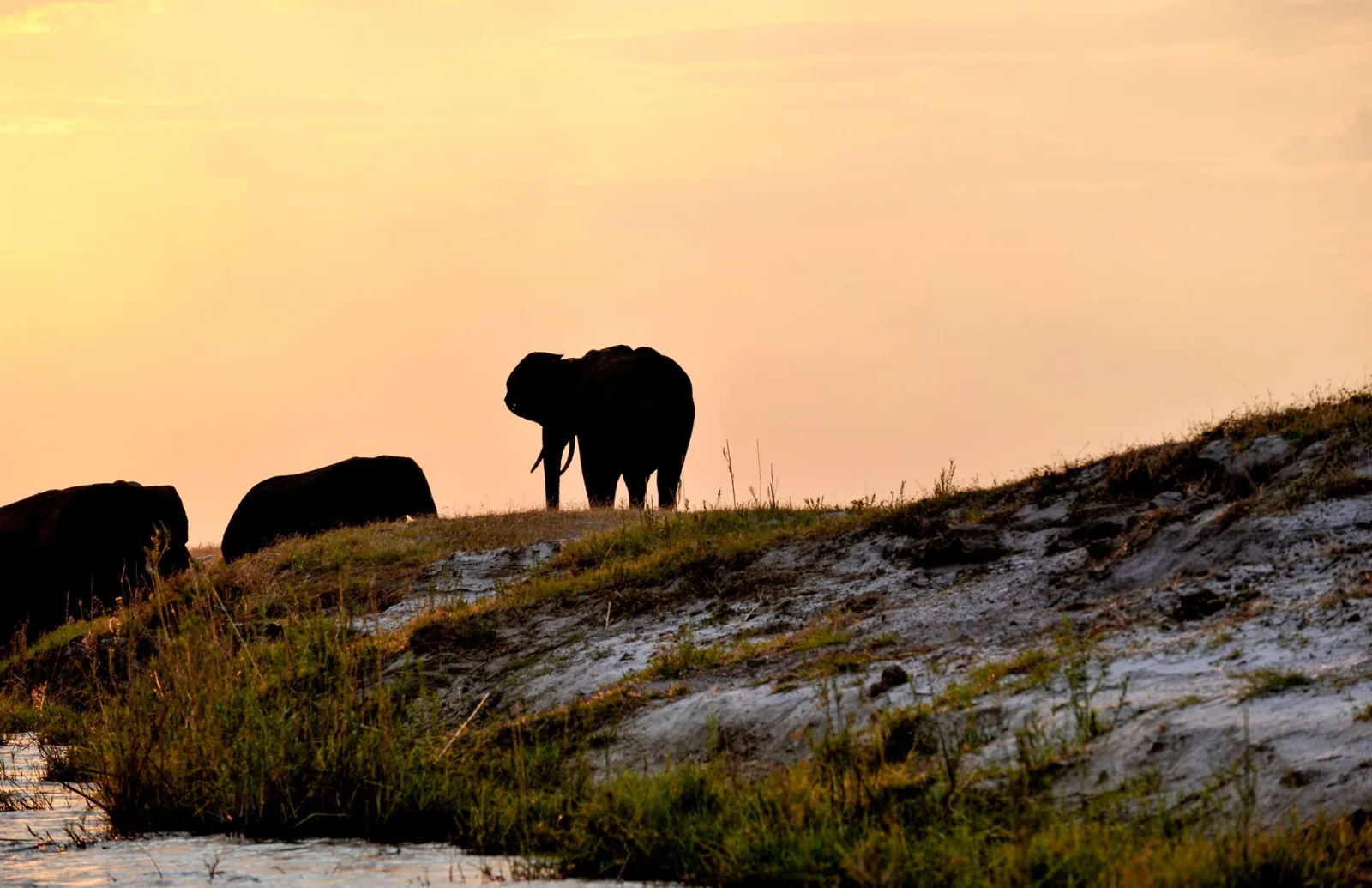
  • Never Walk Alone: In the Okavango and Chobe, camps are unfenced. Elephants, lions, and hippos roam freely. You must be escorted by an armed ranger at all times after dark.
  • Noise Discipline: Avoid loud noises or running in camp, as this can startle or provoke wild animals.
  • Tent Zippers: Always keep your tent zipped completely shut, even when you are inside sleeping, to prevent insects or small animals from entering.
  • Food in Tents: Do not keep food, fruit, or toothpaste in your sleeping tent. The scent can attract baboons, monkeys, or larger predators.

Game Drive Etiquette

  • Stay in the Vehicle: Never stand up, lean over the sides, or exit the 4x4 vehicle in a national park unless your guide explicitly instructs you to do so in a designated safe zone.
  • Respect the Guide: Your guide is trained to read animal body language. If they say it is time to leave an area or turn off the engine, comply immediately.
  • Flash Photography: Never use flash photography on animals, especially at night. It blinds them and causes severe stress.

When planning your Botswana itinerary, ensure you choose reputable lodges that employ highly trained, certified guides who prioritize guest safety above all else.

Health Precautions & Malaria Prevention
Protecting yourself from insect-borne diseases and managing health in remote areas.

Malaria Prophylaxis

  • High-Risk Zones: The Okavango Delta, Moremi, and Chobe are high-risk malaria areas, especially during and after the rainy season (November to April).
  • Consult a Doctor: Visit a travel clinic in India 4-6 weeks before departure to get the appropriate antimalarial medication (e.g., Malarone, Doxycycline, or Lariam).
  • Bite Prevention: Mosquitoes are most active at dusk and dawn. Wear long sleeves and trousers, and apply DEET-based insect repellent to exposed skin.
  • Sleeping Nets: Always sleep under the insecticide-treated mosquito net provided over your bed in the lodge.

Water & Sun Safety

  • Drinking Water: Drink only bottled or filtered water provided by your lodge. Avoid ice in drinks unless you are certain it was made from purified water.
  • Sun Protection: The African sun is intense, even in winter. Use high-SPF sunscreen, wear a wide-brimmed hat, and stay hydrated.
  • Personal Meds: Bring a comprehensive supply of any prescription medications from India, plus a basic first-aid kit (antiseptics, band-aids, anti-diarrheal, rehydration salts).
Medical Facilities & Emergency Evacuation
Understanding the healthcare infrastructure and the critical need for specialized insurance.

Remote Medical Care

  • Lodge First Aid: All luxury lodges have comprehensive first-aid kits, and guides are trained in wilderness first response and emergency protocols.
  • Local Clinics: Maun and Kasane have basic hospitals and clinics capable of handling minor injuries, infections, and stabilizing patients.
  • Advanced Care: For serious medical emergencies, patients must be flown by light aircraft or helicopter to a private hospital in Gaborone or Johannesburg (South Africa).

Insurance Requirements

  • Evacuation Cover: Standard travel insurance is often insufficient. You MUST purchase a policy that explicitly covers "emergency medical evacuation by air" and "repatriation."
  • Flying Doctors: Many premium lodge packages include or offer the option to add "Flying Doctors" or similar emergency air rescue coverage.
  • Carry Proof: Always carry a physical copy of your insurance policy and the 24/7 emergency assistance phone number with you on every game drive.

When calculating your Botswana trip cost from India, ensure you allocate ₹3,000–₹6,000 for a premium travel insurance policy that includes comprehensive air evacuation.

Traveling with peace of mind is essential. Our experts ensure your Botswana safari includes all necessary safety briefings and emergency protocols.

Plan My Safe Botswana Safari →
Frequently Asked Questions — Botswana Safety & Health
Quick answers to security and medical questions from Indian travelers.
1Is Botswana safe for Indian families and tourists?
Yes, Botswana is widely regarded as one of the safest and most politically stable countries in Africa. Violent crime against tourists is extremely rare. The country relies heavily on high-value tourism, and local communities are highly protective of visitors. Standard precautions against petty theft in urban areas like Gaborone or Maun are sufficient.
2What is the malaria risk in Botswana, and how should Indians prepare?
Botswana, particularly the Okavango Delta and Chobe National Park, is a high-risk malaria zone. Indian travelers must consult a physician 4-6 weeks before departure to obtain appropriate antimalarial prophylaxis. Additionally, using DEET-based insect repellent, wearing long sleeves at dusk, and sleeping under provided mosquito nets are mandatory precautions.
3Is it safe to walk around the safari camps at night?
No. Most luxury safari camps in Botswana are unfenced, meaning wild animals (including elephants, lions, and hippos) can wander through the property. It is strictly prohibited to walk alone after dark. You must always wait for an armed guard or camp staff member to escort you to your tent or the main lodge.
4Do I need special medical evacuation insurance for a Botswana safari?
Yes, standard travel insurance is often insufficient for remote safaris. You must purchase a comprehensive policy that explicitly covers "emergency medical evacuation by air" (e.g., flying by light aircraft to a hospital in Maun, Gaborone, or Johannesburg). Verify this coverage with your provider before traveling.
5Is the tap water safe to drink in Botswana?
Tap water is generally safe to drink in major cities like Gaborone and Maun. However, in remote safari camps and lodges, you should only drink the bottled or freshly filtered water provided by the camp to avoid any potential stomach upsets that could ruin your safari experience.

Note: While Botswana is exceptionally safe, the wilderness environment carries inherent risks. Always listen to your professional safari guide, adhere strictly to camp rules, and ensure your travel insurance covers remote medical evacuations. For more preparation advice, review our Botswana safari tips guide.

More Travel Guides

Explore Other Destinations

Plan Your Safe Botswana Safari

Fill out the enquiry form below and our travel experts will help you plan a secure, fully guided Botswana safari with all health and safety protocols handled.

Get assistance with luxury lodge bookings, medical evacuation insurance advice, internal charter flights, and complete Botswana safari packages from India.

Enquire About This Package