Welcome to Lalibela
A living UNESCO World Heritage site where faith, history, and architectural marvels converge.
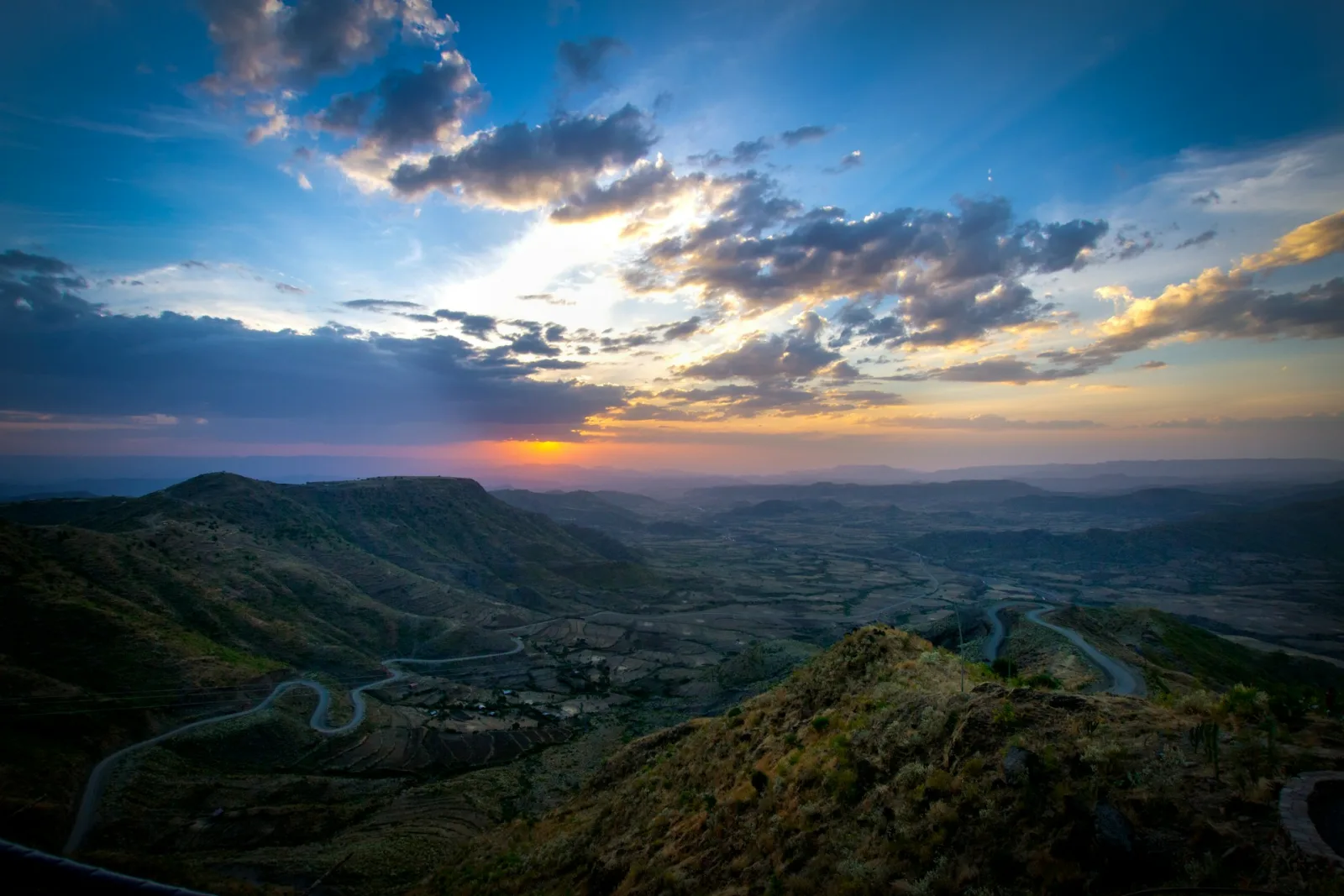
Nestled in the rugged highlands of northern Ethiopia at an altitude of 2,630 meters, Lalibela is often referred to as the "New Jerusalem." In the 12th and 13th centuries, King Lalibela commissioned the construction of 11 monolithic churches, miraculously carved downwards into the solid volcanic rock. Unlike traditional construction, these churches were hewn from the top down, creating intricate interiors, tunnels, and courtyards that remain actively used for worship today.
For Indian travelers, Lalibela offers a profound spiritual and historical experience that stands in stark contrast to typical African safaris. It is the undisputed crown jewel of the Ethiopia travel guide northern circuit. To understand how this fits into your broader travel plans, review our detailed 7-Day Ethiopia Itinerary.
Top Attractions in Lalibela
The must-see architectural wonders and spiritual sites that define the town.
The most famous and perfectly preserved of the 11 churches. Carved in the distinct shape of a Greek cross, it is isolated in a deep trench and accessed via a narrow, winding tunnel. It is considered the holiest and most architecturally brilliant of the complex.
The largest of the rock-hewn churches, believed to house a replica of the Ark of the Covenant. It features a massive roof supported by 34 rectangular pillars and is surrounded by a wide trench, connected to other churches via subterranean passages.
Located on a mountain ridge about 3km from town, this monastery offers spectacular panoramic views of the Lalibela valley. You can hike up (1-2 hours) or hire a mule. It houses ancient manuscripts, crosses, and a serene, active religious community.
After exploring the churches, unwind at a local cultural center or guesthouse. The traditional Ethiopian coffee ceremony is a multisensory experience involving roasting green beans over coals, brewing in a clay jebena, and serving with popcorn or roasted barley.
Essential Travel Tips for Lalibela
Practical advice to ensure a respectful, safe, and comfortable visit to this holy city.
- Mandatory Guides: The Ethiopian Ministry of Tourism requires all foreign visitors to hire a licensed local guide to enter the church complex. This protects the heritage site and enriches your understanding. Expect to pay around ₹1,500–₹2,500 for a half-day.
- Strict Dress Code: Modesty is non-negotiable. Shoulders and knees must be covered for both men and women. Women must also cover their hair with a scarf inside the churches. Slip-on shoes are highly recommended, as you must remove them before entering church grounds.
- Altitude Awareness: At 2,630 meters, the air is thinner. Drink plenty of bottled water, avoid alcohol on your first day, and pace yourself, especially if hiking to Asheten Maryam.
- Cash is King: While some larger hotels accept cards, ATMs are unreliable, and local markets, guides, and small cafes operate strictly on cash. Carry Ethiopian Birr (ETB).
- Respect Worship: Lalibela is an active place of worship, not just a museum. Keep your voice low, ask permission before photographing locals (especially priests), and follow your guide's instructions regarding restricted areas.
Getting to Lalibela
Logistics for reaching this remote highland town from the capital.
Strong Recommendation: Do not attempt to drive or take a bus to Lalibela. The road from Addis Ababa or Dessie is mountainous, poorly maintained, and can take 2+ days. It is also subject to seasonal disruptions and security advisories.
Ethiopian Airlines operates multiple daily flights from Addis Ababa Bole International Airport (ADD) to Lalibela Airport (LLI). The flight takes approximately 50–60 minutes. Foreign passport holders typically pay between ₹4,000 and ₹8,000 per sector. Booking in advance is crucial, especially during the dry season (October–March) and major festivals like Timkat.
Lalibela is a small, walkable town. The church complex is easily accessible on foot from most central hotels. For trips to Asheten Maryam or Yemrehanna Kristos (a stunning 11th-century church built in the Aksumite style, located 45km away), you can hire a local 4x4 taxi through your hotel or guide.
Want a seamless Lalibela experience? Our curated Ethiopia packages include domestic flights, licensed local guides, and comfortable highland lodges.
View Ethiopia Tour Packages →
Frequently Asked Questions — Lalibela
Quick answers to common questions from Indian travelers visiting the holy city.
1How do I get to Lalibela from Addis Ababa?
The most efficient and recommended way is via a 1-hour domestic flight with Ethiopian Airlines from Addis Ababa Bole (ADD) to Lalibela (LLI). Road travel takes 2+ days on difficult terrain and is not advised for standard tourist itineraries.
2Do I need a guide to visit the rock-hewn churches in Lalibela?
Yes. The Ethiopian Ministry of Tourism strictly mandates that all foreign visitors to the Lalibela church complex must be accompanied by a licensed local guide. This ensures the preservation of the site and provides deep historical context.
3Is Lalibela at a high altitude? Will I get altitude sickness?
Lalibela sits at an elevation of 2,630 meters (8,628 feet). While lower than Addis Ababa, some travelers may experience mild altitude symptoms. Stay hydrated, avoid heavy exertion on your first day, and inform your guide if you feel unwell.
4What is the dress code for visiting churches in Lalibela?
Modest clothing is strictly enforced. Both men and women must cover their shoulders and knees. Women are also required to cover their hair with a scarf inside the churches. You must remove your shoes before entering the church grounds.
5How many days should I spend in Lalibela?
A minimum of 2 full days is recommended. This allows time to explore the Northern and Southern church groups, hike to the Asheten Maryam monastery, and participate in a traditional coffee ceremony without rushing.
Note: Church hours and access can change during major religious holidays (like Timkat in January or Meskel in September). Verify your itinerary with your tour operator or hotel in advance to ensure smooth access to all sites.