A cheetah resting on the roof of an open-top 4x4 safari vehicle in the Maasai Mara, Kenya

Maasai Mara Safari Guide
for Indian Travelers

Expert insights on game drives, conservancies vs. main reserve, Great Migration logistics, and essential packing tips for your 2026 Kenyan safari.

Updated for 2026 Travelers
Written by Vishal Narayan — Africa Travel Specialist
Reviewed by Veena Rathore · Africa Travel Reviewer
Last updated after reviewing:
  • 2026 Kenya Wildlife Service (KWS) non-resident park fee adjustments for Maasai Mara
  • Maasai Mara conservancy night drive and walking safari regulations 2026
  • Great Migration river crossing prediction windows for July–October 2026

Last updated: April 2026

Main Reserve vs. Private Conservancies
Understanding this distinction is the single most important decision for Indian travelers planning a Maasai Mara safari.

Maasai Mara National Reserve (Public)

Managed by the Narok County Government and Kenya Wildlife Service (KWS), this is the iconic, publicly accessible park.

  • Cost: Lower park fees (approx. $80/day in low season, $200/day in peak season for non-residents).
  • Vehicle Density: High. During the Great Migration, popular sightings (like river crossings) can attract 15–20 vehicles, creating "traffic jams".
  • Activities: Strictly daytime game drives (6:00 AM – 6:00 PM). No night drives or walking safaris permitted.
  • Best for: Budget-conscious travelers and those whose primary goal is witnessing the Great Migration river crossings.
Private Conservancies (Exclusive)

Privately leased lands bordering the main reserve, managed in partnership with local Maasai landowners to promote conservation.

  • Cost: Higher. Requires a daily conservancy fee ($70–$100/person/day) on top of the lodge rate, but often includes all activities.
  • Vehicle Density: Strictly limited (e.g., maximum 6–8 vehicles per sighting), guaranteeing an intimate, crowd-free experience.
  • Activities: Off-road driving, guided walking safaris, night game drives, and bush dinners are standard inclusions.
  • Best for: Honeymooners, photographers, and travelers seeking a premium, uncrowded, and immersive wildlife experience.

Pro Tip: Many premium safari itineraries combine both. Spend 1–2 nights in a conservancy for exclusive game drives and walking safaris, then 1–2 nights in the Main Reserve or Mara Triangle specifically for the Migration river crossings. For complete routing ideas, see our Kenya Safari Itinerary Guide.

Game Drive Logistics for Indian Travelers
What to expect from your 4x4 vehicle, guide, and daily schedule in the Mara.

The 4x4 Safari Vehicle

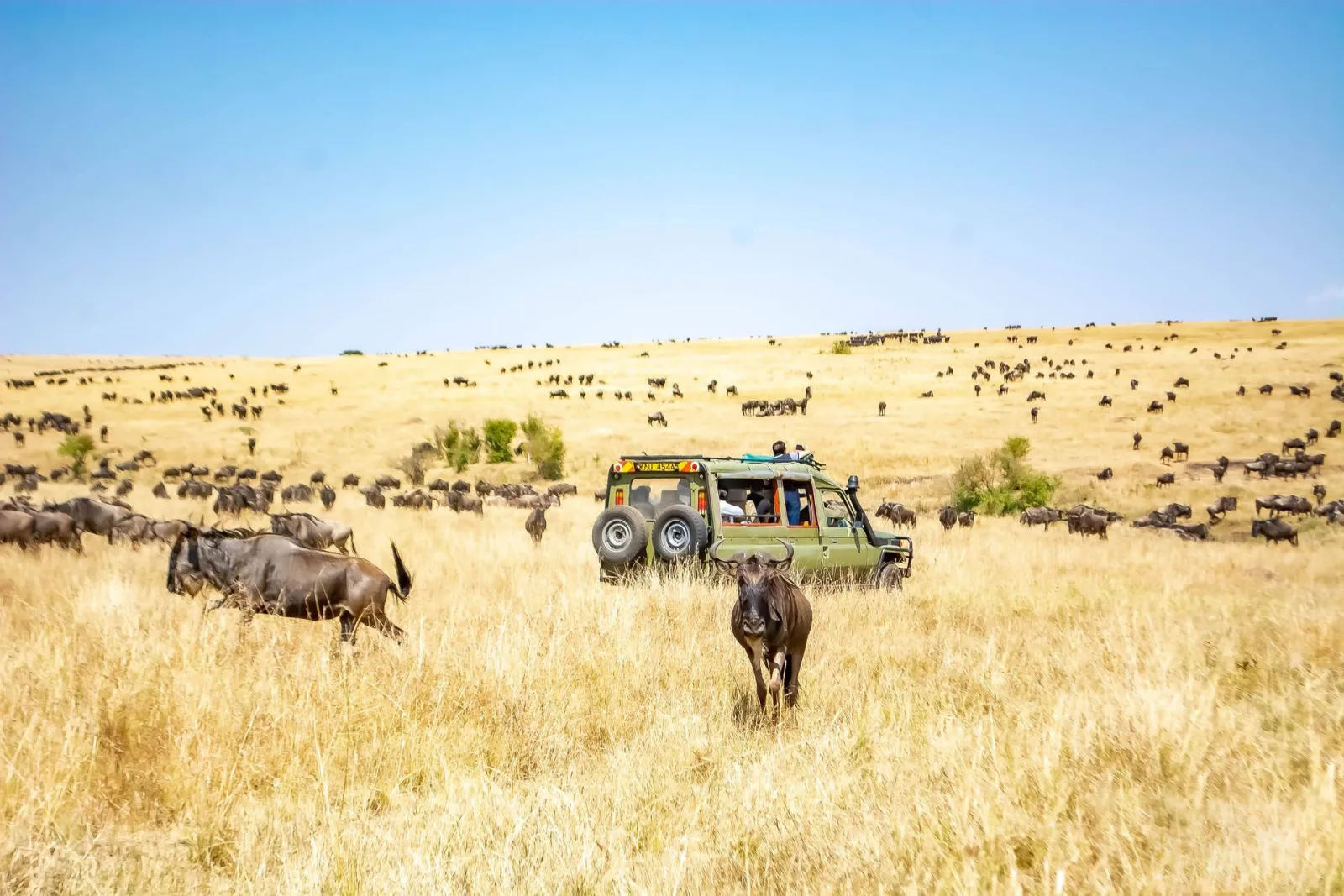
  • Type: Customized Toyota Land Cruiser or Nissan Patrol with a pop-up roof for 360-degree standing views and photography.
  • Capacity: Maximum of 6–7 passengers to ensure everyone has a window seat. Avoid overcrowded safari vans (8+ pax).
  • Amenities: Charging ports (12V/USB), cooler boxes with bottled water, and sometimes binoculars or spotting scopes.
  • Comfort: Roads in the Mara are unpaved and can be bumpy or dusty. A good vehicle with working suspension is critical.

The Driver-Guide

  • Certification: Your guide will be KWS-certified and trained in wildlife tracking, first aid, and vehicle maintenance.
  • Language: Fluent in English and Swahili. Many guides have experience hosting Indian families and understand specific needs (e.g., vegetarian meal timing).
  • Role: They drive, spot wildlife, provide commentary, and prepare picnic lunches in the bush. They are your most valuable asset on safari.
The Great Migration: River Crossings
Timing your visit to witness the world's most spectacular wildlife event.

Reality Check: The Great Migration is a continuous, natural cycle driven by rainfall and fresh grazing. River crossings are spontaneous and cannot be guaranteed on a specific day, even during peak season.

Period Herd Location Crossing Probability Indian Traveler Note
JulyEntering Northern Serengeti / Southern MaraModerate to HighStart of peak season. Book 6+ months ahead.
AugustMara River (Kenya)Very HighPrime time. Aligns with Indian school holidays.
SeptemberMara River & Northern ConservanciesVery HighExcellent weather, slightly fewer crowds than August.
OctoberBeginning to move SouthModerateGreat shoulder month. Good mix of wildlife and value.
Nov – JuneSouthern Serengeti (Tanzania)None in MaraMara still offers excellent resident Big Five wildlife.

For a detailed month-by-month breakdown of weather and wildlife, refer to our Best Time to Visit Kenya guide.

Maasai Mara Costs & Essential Rules
Financial planning and etiquette tips to ensure a smooth and respectful safari experience.

Budgeting for the Mara

  • Park Fees: Non-resident adults pay $80/day (low season) or $200/day (peak season, July–Oct). Children pay roughly half.
  • Vehicle & Guide: A private 4x4 Land Cruiser costs approx. ₹15,000–₹25,000 per day (includes fuel and guide). Shared options are cheaper.
  • Tipping: It is customary to tip your driver-guide $10–$20 per person, per day, paid in USD cash at the end of the trip.
  • Total On-Ground Cost: A 3-day Mara safari typically adds ₹50,000–₹1,00,000+ per person to your overall Kenya budget, depending on lodge luxury level.

Safari Etiquette & Rules

  • Stay in the Vehicle: Never stand up or lean out of the pop-up roof while the vehicle is moving. Only stand when parked.
  • No Off-Roading (Main Reserve): Vehicles must stay on designated tracks in the public reserve to protect the ecosystem.
  • Quiet Voices: Keep voices low near wildlife. Loud noises stress the animals and ruin the experience for others.
  • No Flash Photography: Flash can startle animals, especially predators. Use natural light or high-ISO camera settings.
  • Respect Local Culture: Always ask for permission before photographing Maasai individuals or their villages (Manyattas).

Want a seamless, crowd-free Maasai Mara experience? Our Kenya safari packages include private 4x4s, expert guides, and hand-picked conservancy lodges.

Frequently Asked Questions — Maasai Mara Safari
Quick, honest answers to the most common Maasai Mara questions from Indian travellers
1How many days are enough for a Maasai Mara safari?
A minimum of 3 days (2 nights) is highly recommended. This allows for 4–5 game drives, maximizing your chances of seeing the Big Five and, if visiting between July and October, the Great Migration river crossings.
2What is the difference between the Main Reserve and Conservancies?
The Main Reserve is a public park managed by KWS with lower fees but higher vehicle density. Private conservancies border the reserve, charge a daily conservation fee, but offer exclusive game drives, night drives, walking safaris, and strict vehicle limits at sightings.
3Is the Maasai Mara safe for Indian families and children?
Yes, it is very safe. Lodges and camps are securely fenced or elevated. Game drives are conducted by highly trained, KWS-certified guides in sturdy 4x4 vehicles. Children of all ages are welcome, and many lodges offer family tents or interconnected rooms.
4Do I need to tip the safari guide in the Maasai Mara?
Yes, tipping is a standard and expected practice in Kenya. For a dedicated driver-guide, a tip of $10 to $20 per person, per day is customary, paid in USD cash at the end of the safari.
5Can Indian vegetarians find good food in Maasai Mara lodges?
Absolutely. Safari lodges are highly accustomed to international dietary needs. If you specify "vegetarian" or "vegan" when booking, the kitchen will prepare fresh dal, paneer, chapati, rice, and vegetable curries for every meal.
6What is the best time to see the Great Migration in the Mara?
The herds typically cross the Mara River between late July and October. August and September are the most reliable months for dramatic crossings, though nature is unpredictable and early booking is essential. For more details, see our Best Time to Visit Kenya guide.

Note: Park fees, conservancy regulations, and lodge availability are subject to change by the Kenya Wildlife Service (KWS) and local authorities. The timing of the Great Migration is a natural phenomenon and can vary by a few weeks each year. Always verify current conditions with your tour operator before finalizing your booking.

About This Maasai Mara Safari Guide

This Maasai Mara guide provides accurate, on-ground insights for Indian travelers planning a wildlife safari in 2026. Researched, regularly updated, and trusted by group tour planners and independent travelers.

Expert Curated Content

Every logistical detail — from conservancy rules to game drive vehicle standards — is verified by travel professionals with extensive East African safari experience.

Regularly Updated Information

KWS park fees, conservancy regulations, and Great Migration tracking data are reviewed and refreshed quarterly to reflect current 2026 conditions.

Trusted by Indian Travelers

Used by group tour organizers, corporate travel planners, and independent travelers from India researching Maasai Mara logistics, conservancy options, and family safari safety.

Complete Kenya Resource

One guide covering reserve vs. conservancy comparisons, game drive logistics, migration timing, and essential rules — all with India-specific context and 2026 accuracy.

More Travel Guides

Explore Other Destinations

Plan Your Maasai Mara Safari

Fill out the enquiry form below and our travel experts will help you plan your Maasai Mara safari — including private 4x4 vehicles, conservancy lodges, and expert guides.

Get assistance with Great Migration timing, Main Reserve vs Conservancy choices, and complete Kenya safari packages.

Enquire About This Package