Malagasy eco-lodge vegetarian menu availability and pre-booking requirements for 2026
Antananarivo and Nosy Be restaurant price revisions and inflation impact on dining costs
Local street food hygiene advisories and safe dining practices for Indian tourists
Fact-checked April 2026
Last updated: April 2026
A Culinary Journey Through Madagascar
Malagasy cuisine is a unique fusion of Southeast Asian, African, and French influences, with rice as the undisputed centerpiece of every meal.
From the comforting national stew of Romazava to the sweet, energy-boosting street snacks perfect for long road trips, food in Madagascar is an adventure. For a complete overview of the country's logistics and itineraries, refer to our comprehensive Madagascar Travel Guide. This culinary breakdown helps Indian travelers navigate local menus, find vegetarian options, and understand dining costs.
The National Dish: Romazava
A comforting, flavorful stew that represents the island's agricultural heritage and love for rice.
What is Romazava?
The Base: A light, aromatic meat stew, traditionally made with zebu (humpless cattle), pork, or chicken.
The Greens: Slow-cooked with a mix of local leafy greens known as brèdes (similar to spinach or mustard greens).
The Flavor: Infused with ginger, garlic, onions, and tomatoes. Some variations include brèdes mafana, which leaves a slight, pleasant tingling sensation on the tongue.
The Serving: Always served with a massive portion of white rice (vary). In Madagascar, rice is not just a side dish; it is the main event.
Other Local Favorites
Ravitoto: Crushed cassava leaves cooked with pork or beef, often enriched with coconut milk. A rich, hearty alternative to Romazava.
Varanga: Crispy fried strips of zebu beef, often served as a savory snack or a side dish with rice.
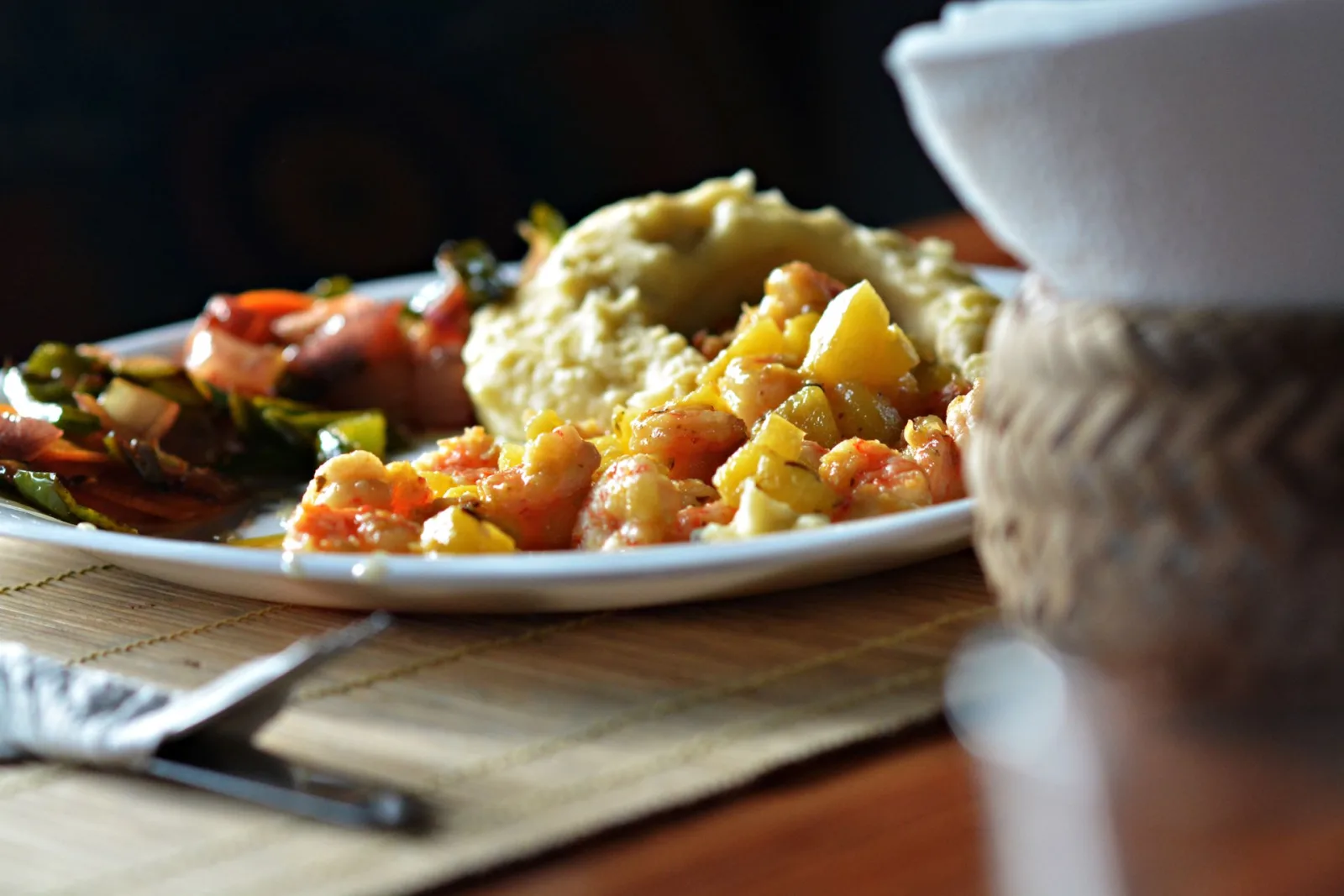
Seafood: In coastal areas like Nosy Be, fresh lobster, crab, and prawns grilled over charcoal with vanilla butter or coconut milk are staples.
French Influence: Due to colonial history, baguettes, pastries, and quiches are widely available in urban centers.
Vegetarian Dining for Indian Travelers
Navigating a meat-heavy cuisine as a vegetarian requires strategy, but it is entirely manageable with the right approach.
What You Can Eat
Rice & Lentils:Voanjobory (dried peanuts and beans cooked with pork fat, but can be requested without) or plain lentil curries.
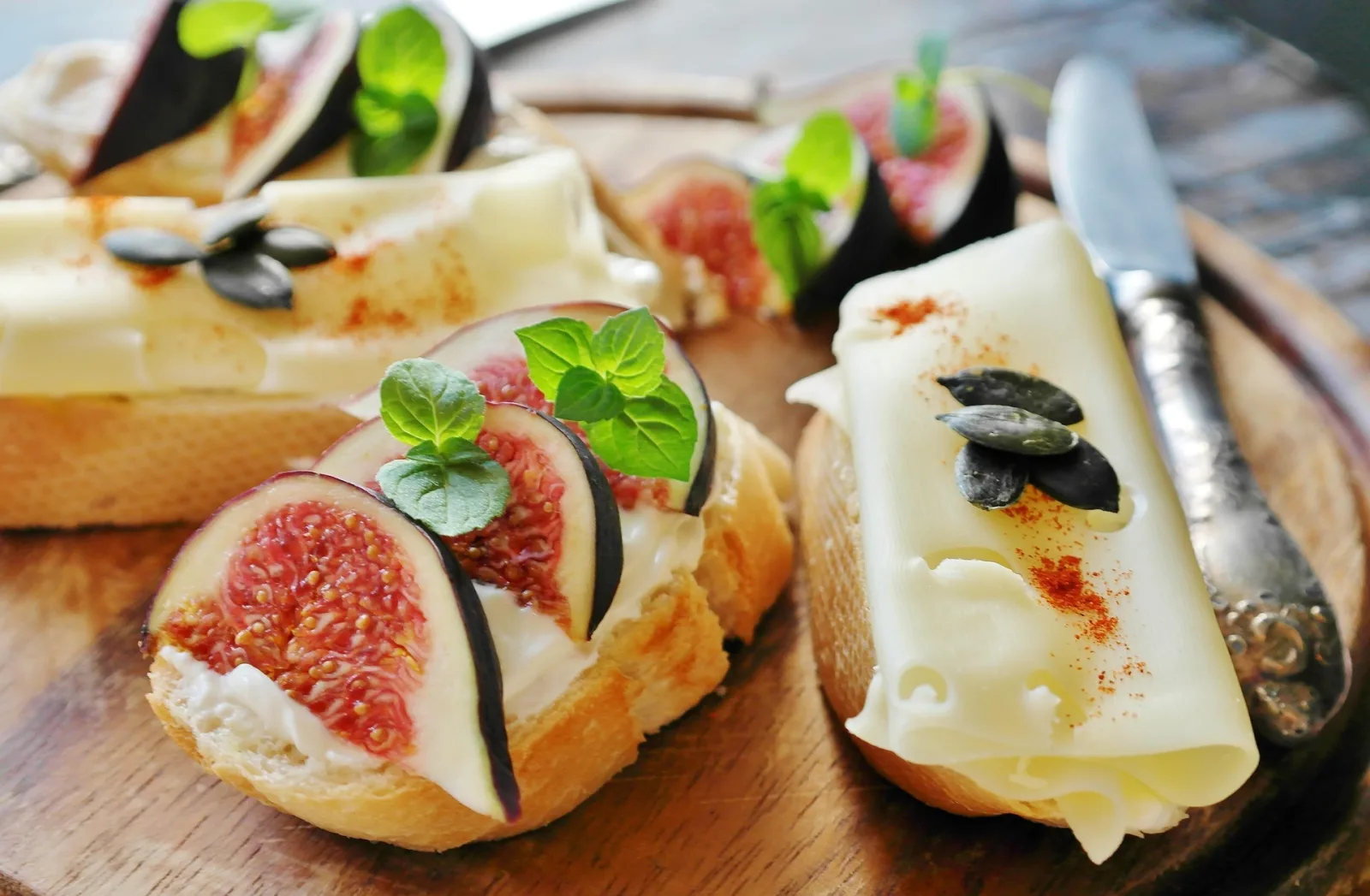
French-Inspired: Cheese omelets, pasta with tomato or cream sauce, and vegetable tarts are common in mid-range restaurants.
Fresh Produce: Tropical fruits (papaya, mango, pineapple, bananas) and fresh vegetable salads are abundant.
Street Snacks:Mofo Gasy (rice fritters) and Koba (peanut and banana cake) are naturally vegetarian and perfect for trekking days.
Crucial Tips for Indians
Pre-Book Meals: If staying in remote eco-lodges near national parks (like Andasibe or Isalo), you must inform them 24-48 hours in advance. They shop in local villages and need time to source fresh vegetables.
Clarify Broths: Always ask if meat or chicken stock was used in vegetable stews or rice preparations. Local "hotely" (eateries) often use meat broth for flavor.
Carry Snacks: Bring dry snacks (nuts, biscuits, instant noodles, or Indian pickles) from India for long road trips where vegetarian options are nonexistent.
To see how these dining options fit into your overall budget, review our detailed Madagascar Trip Cost Guide.
Street Food & Tropical Fruits
Quick, affordable bites and the incredible fresh produce that thrives in Madagascar's diverse climate.
Must-Try Street Snacks
Mofo Gasy: Sweet, fried rice flour fritters. A staple breakfast item sold on street corners early in the morning.
Koba: A dense, sweet cake made from ground peanuts, rice flour, molasses, and banana, wrapped in banana leaves and boiled. Excellent hiking fuel.
Roasted Corn & Sweet Potatoes: Common street snacks, especially in the cooler highlands around Antananarivo.
Incredible Tropical Fruits
Litchis: World-renowned, especially from the east coast. Peak season is December–January.
Mangoes & Pineapples: Abundant, incredibly sweet, and very cheap during the summer months.
Avocados: Large and creamy. Locals often eat them as a dessert, mashed with sugar or lime.
Passion Fruit (Maracuja): Used heavily in fresh juices and desserts. A must-try beverage.
If you are planning a beach extension, check our Nosy Be City Guide for the best seafood and resort dining options on the island.
Average Food & Dining Costs
A realistic breakdown of what Indian travelers can expect to spend on food in Madagascar in 2026.
Dining Category
Estimated Cost (INR)
What to Expect
Street Food / Local "Hotely"
₹400 – ₹800 per meal
Rice, lentils, simple vegetable or meat stew. Basic seating.
Upscale dining, international cuisine, premium seafood (mostly in Nosy Be/Tana).
Fresh Fruit Juice / Coffee
₹250 – ₹500
Freshly squeezed tropical juices or French-press coffee.
Bottled Water (1.5L)
₹150 – ₹250
Mandatory for drinking. Eco-lodges often provide refillable stations.
Street Food / Local
₹400 – ₹800
Mid-Range Restaurant
₹1,500 – ₹3,500
Fine Dining / Resort
₹5,000 – ₹8,000+
Juice / Coffee
₹250 – ₹500
Bottled Water (1.5L)
₹150 – ₹250
Tipping: Tipping is not strictly mandatory but is highly appreciated. A 5-10% tip in tourist restaurants or for excellent tour guides is a generous gesture that supports the local economy.
Dining Etiquette & Safety Tips
Respecting local customs and prioritizing food safety ensures a smooth culinary experience.
Local Customs
Rice is Life: The Malagasy greeting "Havoana ny vary?" literally translates to "Have you eaten rice?" It is a sign of respect to finish the rice served to you.
Washing Hands: In traditional settings, a bowl of water may be passed around before the meal. Accept it and wash your hands as a sign of good hygiene.
Eating with Hands: While forks and spoons are standard in restaurants, in rural areas, eating with the right hand is common. Follow the lead of your host.
Food Safety for Indians
Water:Never drink tap water. Stick to sealed bottled water. Avoid ice in drinks from street vendors.
Raw Salads: Avoid raw salads and unpeeled fruits from street stalls or rural "hotely" to prevent stomach upset.
Hot Food: Eat food that is freshly cooked and served piping hot. Avoid food that has been sitting in buffets or display cases.
Medication: Carry basic anti-diarrheal medication and oral rehydration salts (ORS) from India as a precaution.
Want a hassle-free Madagascar eco-adventure with customized vegetarian meals? Our packages include flights, eco-lodges, and guided park tours.
Quick, honest answers to the most common culinary questions from Indian travellers
1Is it easy for vegetarian Indians to find food in Madagascar?
Yes, but it requires planning. In cities like Antananarivo and tourist hubs like Nosy Be, vegetarian options like pasta, cheese dishes, and vegetable curries are available. However, in rural areas and remote eco-lodges, you must inform your tour operator at least 48 hours in advance to arrange meat-free meals, as the default diet heavily features zebu (beef) and seafood.
2What is the national dish of Madagascar?
Romazava is the national dish. It is a comforting, flavorful stew made with meat (traditionally zebu beef, pork, or chicken) slow-cooked with a mix of local leafy greens called brèdes, flavored with ginger, garlic, and tomatoes, and always served with a generous portion of white rice.
3How much does food cost in Madagascar for Indian tourists?
Food is very affordable if you eat locally. A meal at a street food stall or local "hotely" costs ₹400–₹800. Mid-range tourist restaurants charge ₹1,500–₹3,500 per person, while fine dining or luxury resort restaurants in Nosy Be can cost ₹5,000–₹8,000+ per person.
4Is the tap water safe to drink in Madagascar?
No, tap water is not safe for drinking in Madagascar. Indian travelers must strictly consume bottled or purified water. Most eco-lodges and hotels provide large refillable bottled water or filtered water stations in your room. Avoid ice in drinks from street vendors.
5What are some must-try street foods in Madagascar?
Mofo Gasy (sweet rice fritters) is a popular breakfast snack. Koba (a sweet cake made of ground peanuts, rice flour, and banana wrapped in banana leaves) is an excellent energy bar for long road trips. Varanga (fried zebu beef strips) is a great savory snack.
6Can I find Indian food in Antananarivo or Nosy Be?
Authentic Indian restaurants are rare, but you can find Indian-style vegetable curries, dal, and rice in mid-range hotels and resorts that cater to international tourists. In Antananarivo, some Lebanese and Middle Eastern restaurants offer familiar spices and vegetarian platters.
Need help planning your Madagascar culinary adventure? Our Africa travel experts can assist with eco-lodge bookings and special dietary requests.
Note: Information provided is subject to change. Verify restaurant availability, dietary accommodations, and food safety advisories before your trip. Prices are approximate and may vary based on location, season, and inflation. Madagascar experiences currency fluctuations; costs can change rapidly.
About This Madagascar Food Guide
This Madagascar food and dining guide provides Indian travelers with a transparent, 2026-ready overview of Malagasy cuisine, vegetarian options, and dining costs. Researched, regularly updated, and trusted by group tour planners and independent travelers.
Expert Curated Culinary Data
Every restaurant recommendation and vegetarian tip is verified by travel professionals with on-ground Africa experience.
Regularly Updated Pricing
Madagascar dining costs, eco-lodge menu options, and food safety protocols are reviewed quarterly to reflect current 2026 conditions.
Trusted by Indian Travelers
Used by group tour organizers, corporate travel planners, and independent travelers from India researching Madagascar itineraries and dietary logistics.
India-Specific Alignment
One guide covering cuisine, costs, and safety — all with India-specific context, vegetarian dining tips, and food safety advice.