2026 updates on public behavior regulations and tourist police enforcement in Moroccan medinas
Current guidelines for photography permissions near government buildings and local residents
Verified tipping (baksheesh) standards for porters, guides, and restaurant staff in 2026
Fact-checked April 2026
Last updated: April 2026
Navigating Moroccan Culture as an Indian Traveler
Practical, respectful guidelines for interacting with locals and experiencing the country authentically.
Planning your full trip? This guide focuses specifically on cultural norms. For comprehensive multi-city routing, costs, and general logistics, refer to our main Morocco Travel Guide.
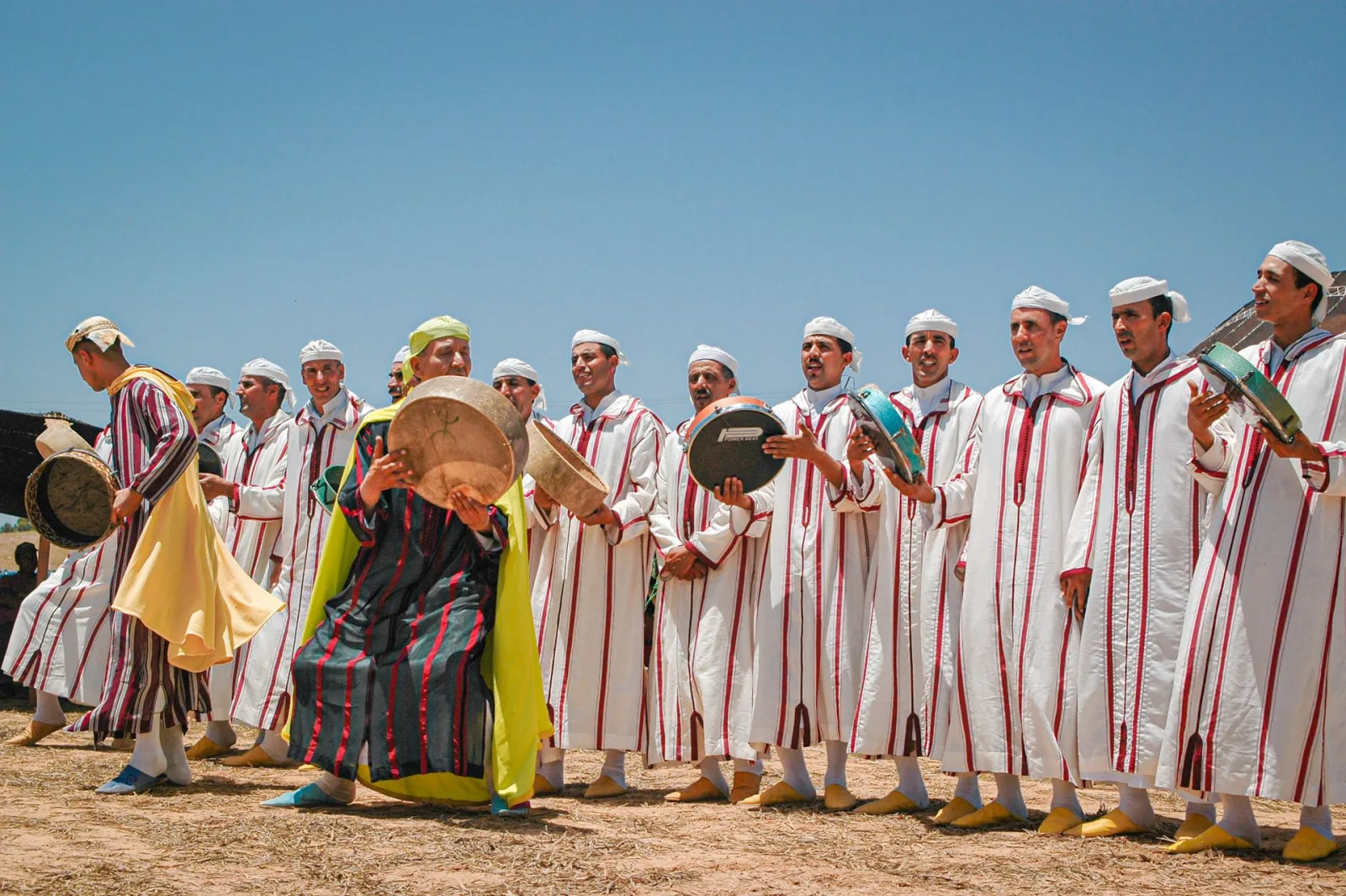
Morocco is a deeply rooted Islamic country with a rich tapestry of Berber, Arab, and Andalusian traditions. For Indian travelers, many cultural values—such as respect for elders, the importance of hospitality, and modest dressing—will feel familiar. However, understanding specific local nuances regarding public behavior, photography, and dining etiquette is crucial. Adhering to these guidelines not only ensures a smooth, hassle-free trip but also fosters genuine, warm connections with the Moroccan people.
Dress Code & Modesty Guidelines
What to wear to show respect for local customs while staying comfortable.
For Women
Modesty is highly valued. Clothing should cover the shoulders, chest, and knees. Loose-fitting maxi dresses, wide-leg trousers, and long skirts made of breathable fabrics (cotton, linen) are ideal. Avoid tight, revealing, or translucent clothing. Carrying a lightweight scarf is essential for covering the head when entering mosques (where permitted) or rural villages.
For Men
Men should also dress modestly. T-shirts or polo shirts paired with full-length trousers or knee-length shorts are acceptable. Avoid sleeveless tank tops, muscle shirts, or very short shorts in public areas, especially in the medinas and rural regions.
Photography Rules & Etiquette
How to capture memories respectfully without offending locals or breaking the law.
Always Ask Permission: Never photograph local people, especially women and children, without explicit consent. A simple smile and pointing to your camera usually suffices. If they say no, respect it immediately.
Avoid Sensitive Areas: Photography of military installations, police officers, government buildings, and airports is strictly prohibited and can lead to serious legal consequences, including confiscation of equipment.
Medina Markets: While general street photography is common, avoid shoving cameras in vendors' faces. Build rapport first, perhaps by showing interest in their craft, before asking for a photo.
Religious Sites: Non-Muslims are generally not permitted inside mosques (with the exception of the Hassan II Mosque in Casablanca). Respect signage and never photograph worshippers during prayer times.
For more tips on navigating the medinas safely, see our Safety Tips Guide.
Social Etiquette & Daily Interactions
Navigating greetings, public behavior, and cultural norms with confidence.
Greetings & The Right Hand
Begin interactions with "Salaam Alaykum" (Peace be upon you). Handshakes are common, but men should wait for a woman to extend her hand first. Crucially, always use your right hand for eating, giving, or receiving items, as the left hand is traditionally associated with hygiene and considered unclean.
Public Displays of Affection (PDA)
Morocco is a conservative society. Public displays of affection beyond holding hands are culturally inappropriate and can attract unwanted attention, harassment, or even police intervention. Couples should be discreet and respectful of local norms at all times.
Dining Etiquette & Tipping (Baksheesh)
Understanding mealtime customs and the cultural expectation of tipping.
Mint Tea Hospitality: Refusing mint tea can be perceived as rejecting hospitality. It is customary to accept at least one glass when offered by a shopkeeper or host, even if you only take a small sip.
Alcohol Consumption: Alcohol is only permitted in licensed hotels, bars, and restaurants. Public consumption is illegal and highly disrespectful. During Ramadan, alcohol sales are heavily restricted even in licensed venues.
Tipping (Baksheesh): Tipping is deeply ingrained. Round up restaurant bills by 10% if service is not included. Tip hotel porters 10–20 MAD per bag, housekeeping 20 MAD per day, and tour guides 50–100 MAD per day.
Ramadan Considerations: If traveling during Ramadan, avoid eating, drinking, or smoking in public during daylight hours out of respect for those fasting.
For a deeper dive into Moroccan cuisine and vegetarian options, explore our Morocco Food Guide.
Frequently Asked Questions — Cultural Etiquette
Quick answers to common cultural and behavioral questions from Indian tourists.
1Is it safe to show public displays of affection (PDA) in Morocco?
No. Public displays of affection beyond holding hands are culturally inappropriate and can attract unwanted attention or police intervention. It is best to be discreet and respectful of local norms.
2What is the appropriate dress code for Indian women in Morocco?
Women should wear loose-fitting clothing that covers the shoulders, chest, and knees. Maxi dresses, wide-leg trousers, and long skirts are ideal. Carrying a lightweight scarf is highly recommended for covering the head when visiting religious sites.
3Can I drink alcohol in Morocco as an Indian tourist?
Yes, but only in licensed hotels, bars, and restaurants. Public consumption of alcohol is illegal and highly disrespectful. During the holy month of Ramadan, alcohol sales are heavily restricted even in licensed venues.
4Is it rude to refuse mint tea in Morocco?
Yes, refusing mint tea can be perceived as rejecting hospitality. It is customary to accept at least one glass when offered by a shopkeeper or host, even if you only take a small sip.
Want a culturally immersive, hassle-free Moroccan experience? Our curated tours include expert local guides who ensure you navigate customs with confidence and respect.
Note: Cultural norms and local regulations can evolve. Always observe local behavior, ask your guide for clarification when in doubt, and prioritize respect and modesty. For broader trip planning, refer to our Morocco Travel Guide.
About This Cultural Etiquette Guide
This Morocco cultural etiquette guide is researched and updated for 2026, providing Indian travelers with practical, respectful advice for navigating local customs confidently.
India-Specific Insights
Tailored advice on modest dressing, managing PDA expectations, and navigating hospitality customs relevant to Indian travelers.
Verified Local Logistics
Accurate, on-the-ground information regarding photography restrictions, tipping standards, and Ramadan protocols.
2026 Updated Data
Regularly reviewed to reflect current social norms, tourist police guidelines, and cultural expectations in major Moroccan cities.
Fill out the enquiry form below and our travel experts will help you plan your Morocco tour — featuring expert local guides and culturally respectful itineraries.
Get a customized Morocco itinerary and instant quote for your adventure.


Greetings & The Right Hand
Begin interactions with "Salaam Alaykum" (Peace be upon you). Handshakes are common, but men should wait for a woman to extend her hand first. Crucially, always use your right hand for eating, giving, or receiving items, as the left hand is traditionally associated with hygiene and considered unclean.
Public Displays of Affection (PDA)
Morocco is a conservative society. Public displays of affection beyond holding hands are culturally inappropriate and can attract unwanted attention, harassment, or even police intervention. Couples should be discreet and respectful of local norms at all times.