A practical, India-focused guide to shopping safely, authentically, and confidently in Morocco.
Planning a full Morocco trip? This guide focuses specifically on shopping and markets. For complete details on visas, flights, costs, and multi-city itineraries, refer to our comprehensive Morocco Travel Guide.
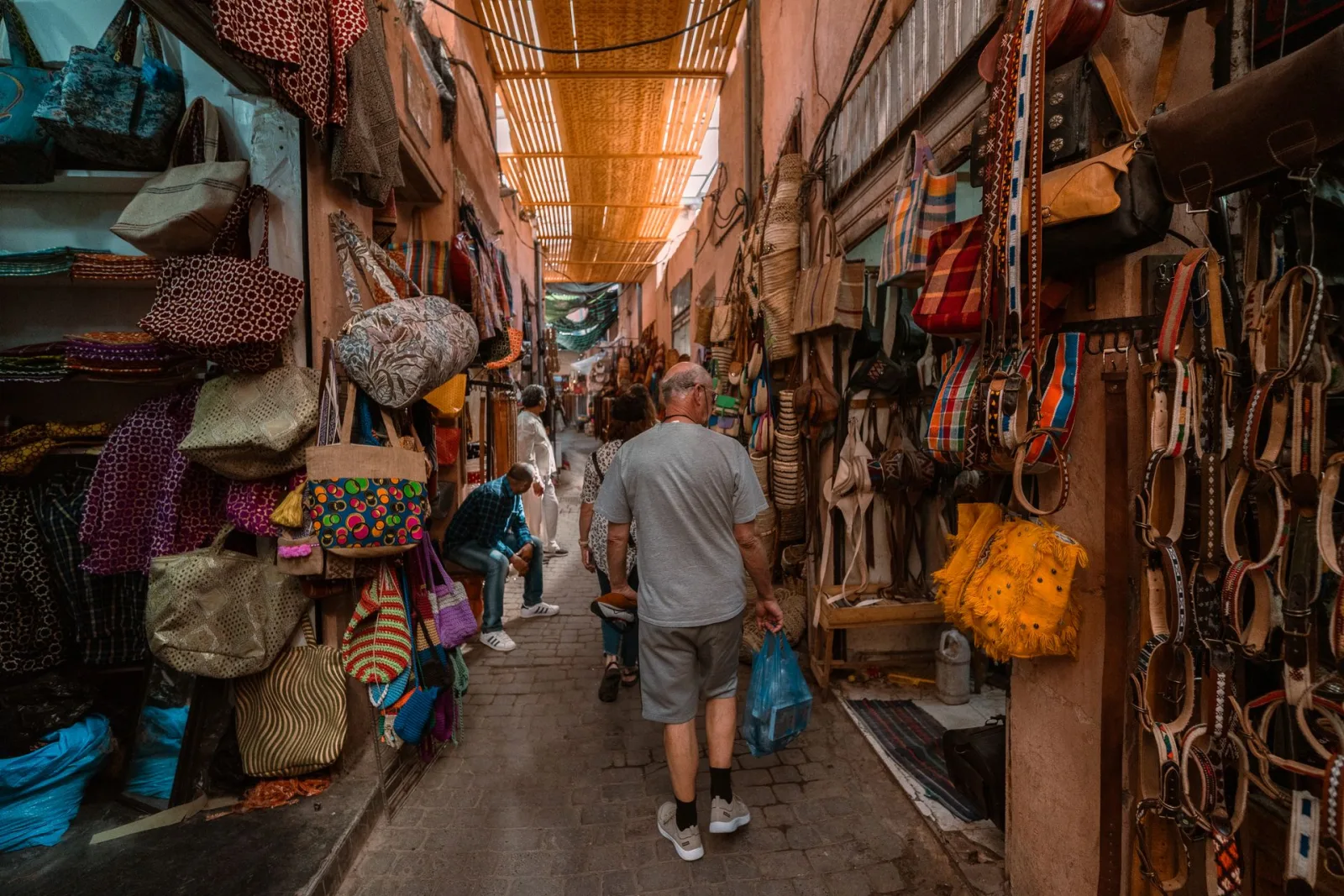
Shopping in Morocco is an immersive cultural experience. The labyrinthine souks of Marrakech and Fes offer everything from hand-woven Berber carpets and genuine leather goods to aromatic spices and pure argan oil. For Indian travelers accustomed to bustling markets, the energy of a Moroccan souk will feel familiar, but the bargaining etiquette and product authenticity require specific local knowledge. This guide provides actionable strategies to help you shop smart, avoid tourist traps, and bring home genuine Moroccan craftsmanship.
Top Items to Buy in Morocco
Authentic, high-quality Moroccan products worth your investment.
Leather Goods
Morocco is renowned for its high-quality, vegetable-tanned leather. Look for handcrafted bags, poufs, jackets, and traditional babouche slippers. Pro Tip: For a detailed guide on navigating the leather markets, see our Fes City Guide, which covers the famous Chouara Tannery.
Argan Oil
Often called "liquid gold," argan oil is endemic to Morocco. Buy only from certified women’s cooperatives (especially around Essaouira or Agadir) to ensure authenticity and support local communities. Culinary oil is pale and nutty; cosmetic oil is slightly darker.
Berber Carpets & Rugs
Hand-knotted wool rugs with unique geometric patterns. Authentic pieces are heavy, smell faintly of lanolin, and have slight imperfections. Visit government-regulated carpet centers in Marrakech for fixed prices and export documentation.
Spices & Ceramics
Ras el hanout, saffron, and cumin are staples. Buy spices from reputable, high-turnover shops to ensure freshness. Fes and Safi are famous for hand-painted blue and green ceramics, including traditional tagine cooking pots.
The Art of Bargaining in Moroccan Souks
A respectful, step-by-step approach to negotiating prices like a seasoned traveler.
Golden Rule: Bargaining is a social interaction, not a confrontation. Maintain a friendly demeanor, smile, and never show anger or frustration. If a price isn't right, a polite "La, shukran" (No, thank you) and walking away is the most powerful negotiating tool.
For Indian travelers familiar with bargaining, the Moroccan souk will feel intuitive, but the baseline prices and cultural nuances differ. Follow these steps for a smooth transaction:
Establish Interest: Examine the item and ask about its origin or craftsmanship. This shows you are a serious buyer, not just a window shopper.
Wait for the First Offer: Let the vendor state the price first. Do not name your target price prematurely.
The Counter-Offer: Start your counter at roughly 40% to 50% of the initial asking price. The vendor will likely act surprised, which is part of the ritual.
Meet in the Middle: Expect 3 to 4 rounds of negotiation. The final price typically settles around 60% to 70% of the original quote.
The Walk-Away: If the vendor refuses to budge to a fair price, smile, thank them, and walk away. In many cases, they will call you back with a final, better offer.
Best Markets & Shopping Locations
From chaotic medieval alleys to modern, fixed-price boutiques.
Marrakech Medina
The most famous shopping destination. The souks are organized by trade (e.g., the spice souk, leather souk, metalwork souk). For a deep dive into navigating this specific maze, refer to our Marrakech City Guide.
Fes el Bali
More traditional and less tourist-polished than Marrakech. This is the premier destination for authentic leather goods, brassware, and intricate wood carvings. Hiring a licensed guide is highly recommended here to avoid getting lost.
Artisan Cooperatives
For travelers who dislike bargaining, government-regulated cooperatives (especially for argan oil, carpets, and ceramics) offer fixed, transparent prices, guaranteed authenticity, and direct support to local artisans.
Payment & Logistics Tips for Indian Travelers
How to handle money, exports, and receipts in Moroccan markets.
Cash is King: Small souk vendors operate exclusively in cash (Moroccan Dirhams). Always carry small denomination notes (20, 50, 100 MAD) to avoid the "I have no change" tactic.
Credit Cards: Accepted in larger boutiques, malls (like Morocco Mall in Casablanca), and registered cooperatives. Notify your Indian bank of international travel to prevent card blocks.
UPI is Not Available: Digital payment systems like UPI or Paytm do not work in Morocco. Rely on cash or international Visa/Mastercard.
Export Rules: Most souvenirs can be taken home freely. However, antiques over 100 years old require special permits. Reputable shops will provide an export receipt for large purchases like carpets.
Shipping: For bulky items like carpets, many reputable shops offer international shipping via DHL or FedEx directly to India. Ensure you get a tracking number and customs declaration.
Frequently Asked Questions — Morocco Shopping
Quick answers to common market and purchasing questions from Indian tourists.
1Is bargaining mandatory in Moroccan souks?
Bargaining is expected and culturally embedded in traditional souks. However, modern boutiques, art galleries, and government-regulated artisan cooperatives (like argan oil or carpet centers) often have fixed, transparent prices.
2How do I know if argan oil is authentic in Morocco?
Buy only from certified women’s cooperatives. Authentic culinary argan oil is pale yellow and nutty, while cosmetic argan oil is slightly darker. Avoid unnaturally clear or odorless oils, which are often diluted with sunflower oil.
3Can I use credit cards in Moroccan markets?
Small souk vendors and market stalls operate strictly on cash (Moroccan Dirhams). Credit cards are accepted in larger boutiques, malls (like Morocco Mall in Casablanca), and registered cooperatives. Always carry small denomination notes.
4What is the best place to buy leather goods in Morocco?
Fes is the historical leather capital, famous for the Chouara Tannery. For a less aggressive shopping experience, visit certified leather workshops in Marrakech or the cooperative in the Medina of Essaouira.
5Are there any items I cannot take out of Morocco?
Yes. Antiques over 100 years old, certain wildlife products, and large quantities of raw argan nuts require special export permits. Always ask the vendor if an item is cleared for tourist export.
Want a curated shopping experience? Our Morocco tour packages include visits to certified artisan cooperatives with fixed prices and guaranteed authenticity.
Note: Market dynamics, vendor practices, and export regulations can change. Always verify current conditions closer to your travel date. For broader trip planning and cost breakdowns, refer to our Morocco trip cost guide.
About This Shopping Guide
This Morocco shopping guide is researched and updated for 2026, providing Indian travelers with practical, safety-conscious advice to navigate local markets confidently and authentically.
India-Specific Insights
Tailored advice on currency handling, UPI limitations, and cultural bargaining nuances relevant to Indian travelers.
Verified Local Logistics
Accurate, on-the-ground information regarding certified cooperatives, export rules, and payment method acceptance.
2026 Updated Data
Regularly reviewed to reflect current market conditions, artisan cooperative standards, and tourist shopping advisories in Morocco.
Fill out the enquiry form below and our travel experts will help you plan your Morocco tour — including curated visits to certified artisan cooperatives and authentic markets.
Get a customized itinerary and instant quote for your Morocco adventure.