Photographer capturing a mountain gorilla in the misty, dimly lit forest of Volcanoes National Park, Rwanda

Rwanda Photography Guide

Essential camera gear, strict park rules, and expert techniques for capturing gorillas, Big Five wildlife, and the Land of a Thousand Hills.

Written by Vishal Narayan — Africa Travel Specialist
Reviewed by Veena Rathore · Africa Travel Reviewer
Last updated after reviewing:
  • Rwanda Development Board (RDB) strictly prohibits flash photography and requires a minimum 7-meter distance from mountain gorillas
  • Akagera National Park morning game drives (6:00 AM – 9:00 AM) offer the best golden hour lighting for Big Five wildlife photography
  • Drone usage is strictly prohibited in all Rwandan national parks without prior special authorization from the Rwanda Civil Aviation Authority
Photographing Rwanda: A Visual Journey
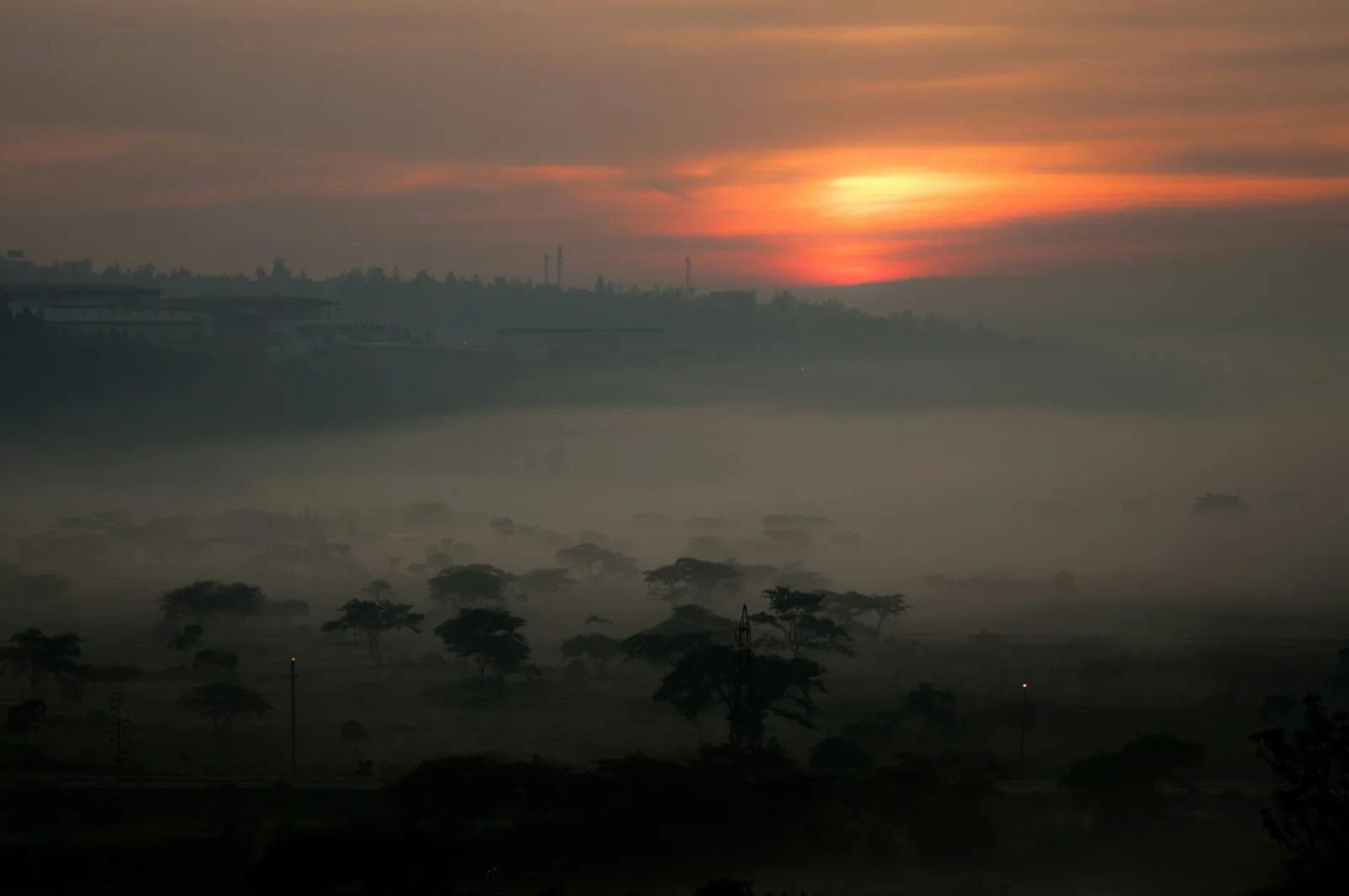
From the misty, dimly lit forests of Volcanoes National Park to the golden savannas of Akagera.

Diverse Photographic Landscapes

Rwanda offers an extraordinary contrast for photographers. In Volcanoes National Park, you will face the challenge of capturing intimate primate portraits in low-light, dense bamboo forests. Conversely, Akagera National Park provides classic, sun-drenched African savanna landscapes perfect for Big Five action shots. For a comprehensive look at the parks you'll be visiting, refer to our Rwanda Wildlife Safari Guide.
Strict Photography Rules for Gorilla Trekking
Protecting the mountain gorillas is the absolute priority. Violating these rules can result in immediate expulsion from the park.

The Non-Negotiable Rules

  • No Flash Photography: Flash is strictly prohibited. The sudden burst of light can agitate the gorillas and disrupt their natural behavior.
  • Minimum Distance: You must maintain a minimum distance of 7 meters (22 feet) from the gorillas at all times. If a gorilla approaches you, slowly back away.
  • Mute Your Shutter: Loud, continuous burst-mode shutter clicks can disturb the primates. Use silent shooting modes if your camera supports it.
  • No Drones: Drone usage is strictly prohibited in all Rwandan national parks without special authorization.

For detailed trekking logistics and what to expect on the day, explore our Musanze & Volcanoes NP Guide.

Mastering Low-Light Forest Photography

The forest canopy blocks up to 80% of natural light, creating a challenging environment for photography.

  • ISO Settings: Do not fear high ISO. Modern full-frame cameras handle ISO 3200–6400 well. It is better to have a slightly noisy, sharp image than a blurry, noise-free one.
  • Aperture Priority: Shoot wide open (f/2.8 or f/4) to let in maximum light and blur the dense, distracting background foliage.
  • Eye Contact: The most powerful gorilla images capture direct eye contact. Wait patiently for the silverback or a juvenile to look your way.
  • Stabilization: Ensure your lens's Image Stabilization (IS/VR) is turned on, as tripods and monopods are often impractical in the dense, muddy undergrowth.
Wildlife Photography in Akagera National Park
Capturing the Big Five and dramatic savanna landscapes in Rwanda's premier safari destination.

Timing & Lighting

Unlike the forest, Akagera offers abundant light, but timing is everything for dramatic wildlife shots.

  • Golden Hours: The first two hours after sunrise (6:00 AM – 8:00 AM) and the last two hours before sunset provide warm, directional light that highlights animal textures and creates long, dramatic shadows.
  • Midday Heat: Between 11:00 AM and 3:00 PM, the light is harsh and overhead. Animals seek shade, making them harder to spot and photograph. Use this time for boat safaris on Lake Ihema to photograph hippos and waterbirds.
  • Vehicle Positioning: Always ensure your 4x4 vehicle is parked with the sun behind you or to your side to avoid shooting into the glare and to illuminate the animal's face.
Essential Camera Gear for Rwanda
What to pack in your daypack for gorilla trekking and what to leave in the lodge safe.

The Gorilla Trekking Kit

Weight and weather protection are critical. You will be hiking for 2–6 hours in humid, muddy conditions.

  • Camera Body: A weather-sealed full-frame or APS-C mirrorless/DSLR body.
  • Lens: A 70-200mm f/2.8 is the gold standard. It provides the perfect reach for the 7-meter rule and excels in low light.
  • Protection: A high-quality rain cover for your camera is mandatory. A UV filter protects your lens from mud splatters and humid condensation.
  • Carrying: Do not use a hard backpack. Use a padded camera insert inside a lightweight, waterproof daypack. Porters (USD 20) will carry this for you.
  • Batteries: Bring at least two fully charged spare batteries. Cold, damp mornings drain batteries faster than expected.

For a complete packing checklist including clothing and hiking gear, review our Gorilla Trekking Packing List.

The Akagera Safari Kit

  • Telephoto Lens: A 100-400mm or 150-600mm lens is ideal for capturing distant lions, leopards, and birds across the savanna.
  • Bean Bag: A lightweight, empty bean bag to rest your lens on the vehicle's roof rail or window frame for stability.
  • Dust Protection: Akagera can be dusty in the dry season. Bring a blower brush and microfiber cloths to clean your gear daily.
  • Wide-Angle Lens: A 16-35mm lens for capturing the vast landscapes of Lake Ihema and the sweeping acacia woodlands.
Frequently Asked Questions — Photography in Rwanda
Quick answers to common technical and logistical questions for Indian photographers.
1Can I use flash when photographing gorillas in Rwanda?
No, flash photography is strictly prohibited during gorilla trekking in Volcanoes National Park. The sudden burst of light can startle or agitate the gorillas. You must rely on natural light or a fast lens with high ISO capabilities.
2What is the best lens for gorilla trekking in Rwanda?
A 70-200mm f/2.8 lens is highly recommended. It allows you to capture intimate portraits from the required 7-meter distance without intruding on their space. A fast aperture (f/2.8) is crucial for the dim, forested lighting conditions.
3Are drones allowed in Rwandan national parks?
No, drone usage is strictly prohibited in all Rwandan national parks (Volcanoes, Akagera, Nyungwe) without prior, specialized authorization from the Rwanda Civil Aviation Authority, which is rarely granted to tourists.
4What is the best time of day for wildlife photography in Akagera?
Early morning (6:00 AM to 9:00 AM) and late afternoon (4:00 PM to 6:00 PM) offer the best "golden hour" lighting. Animals are also most active during these cooler parts of the day, increasing your chances of capturing predator action.
5How do I protect my camera from humidity and mud in Volcanoes NP?
Use a weather-sealed camera body and lens. Keep a dedicated rain cover in your daypack and deploy it immediately if it starts drizzling. Use a UV filter to protect the front glass element from mud splatters, and carry a microfiber cloth for lens condensation.

Planning a photography-focused Rwanda safari? Our experts can arrange private vehicles, optimal lighting schedules, and expert guides for the ultimate photographic expedition.

Plan Your Rwanda Photography Trip →

Note: Park regulations regarding photography and drone usage are strictly enforced by the Rwanda Development Board (RDB). Always verify the latest equipment rules and permit requirements with your tour operator before departure.

Plan Your Rwanda Photography Safari

Fill out the enquiry form below and our travel experts will help you plan your Rwanda photography tour — including private 4x4 vehicles, gorilla permits, and expert guides.

Get expert help building the perfect wildlife and primate photography itinerary tailored to your gear and travel dates.

Enquire About This Package