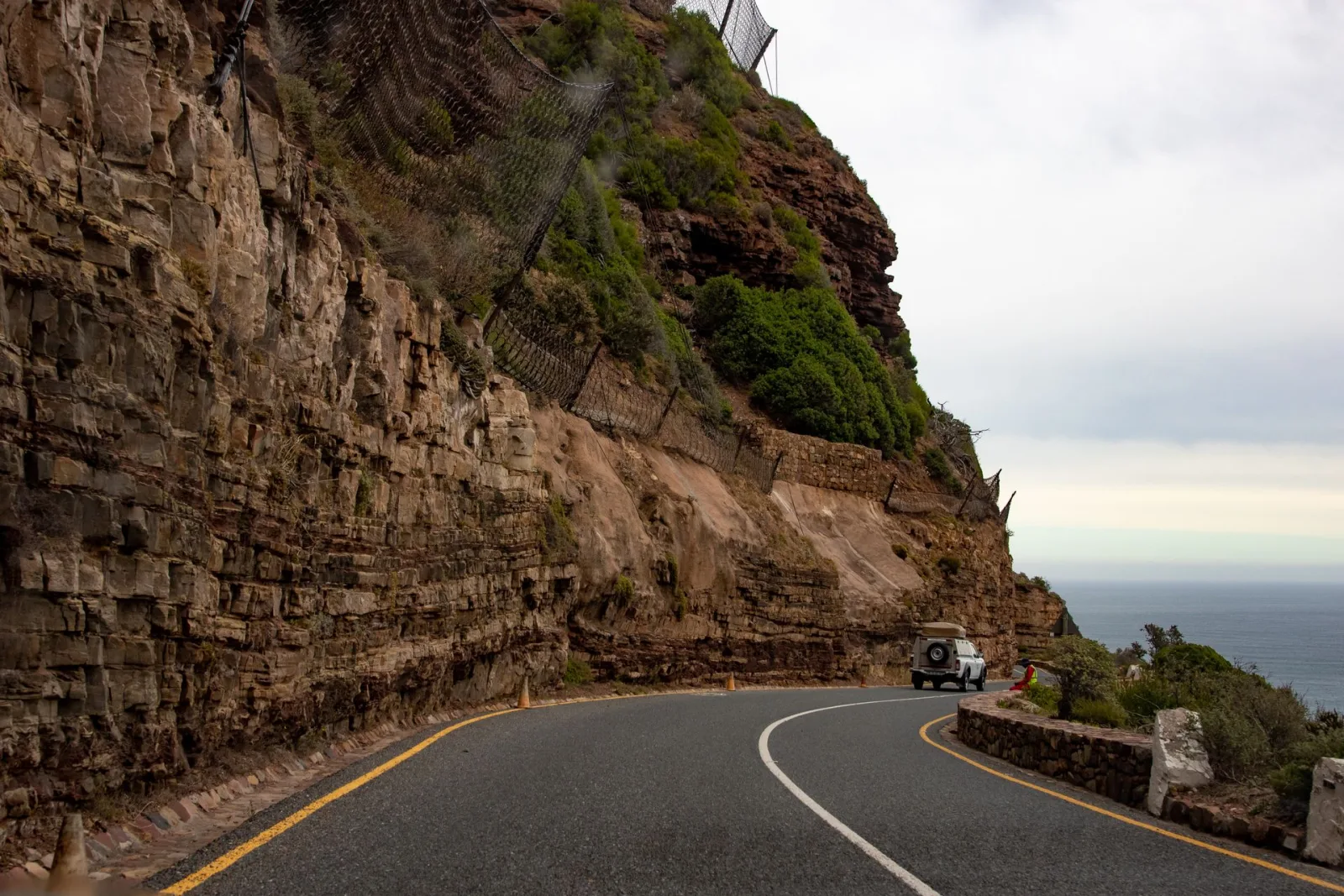
A modern rental car parked on a scenic coastal road along the Garden Route in South Africa

South Africa Car Rental & Driving Guide
for Indian Travelers 2026

Expert tips on IDP requirements, road rules, tolls, safety, and planning the ultimate self-drive road trip.

Written by Vishal Narayan — Africa Travel Specialist
Reviewed by Veena Rathore · Africa Travel Reviewer
Last updated after reviewing:
  • 2026 South African National Traffic Act updates regarding International Driving Permit (IDP) enforcement for foreign nationals
  • Latest e-toll and N2/N1 highway toll plaza payment methods (cash vs card) for rental vehicles
  • Updated car guard tipping etiquette and secure parking protocols in major cities like Cape Town and Johannesburg
Self-Driving in South Africa: An Overview
Why renting a car is the most liberating and cost-effective way for Indian travelers to explore South Africa.

The Freedom of the Open Road

South Africa boasts some of the best road infrastructure on the African continent, making it an ideal destination for a self-drive holiday. For Indian travelers, the transition is remarkably seamless: South Africa drives on the left side of the road, exactly like India, with the steering wheel on the right.

Whether you are planning a scenic Garden Route road trip, exploring the Winelands around Stellenbosch, or driving between Cape Town and Johannesburg, having your own vehicle offers unmatched flexibility, privacy, and often, significant cost savings for families or groups compared to guided tours.

Documents & IDP Requirements
What you legally need to drive a rental car in South Africa as an Indian citizen.

Legal Requirement: While some rental agents might casually accept an English Indian license, South African traffic law strictly requires foreign drivers to present an International Driving Permit (IDP) alongside their home license.

Checklist for Pickup

  • Valid Indian Driving License: Must be valid and preferably in English. If your license is in a regional language, an official English translation is mandatory.
  • International Driving Permit (IDP): Must be obtained in India before departure through the Automobile Association of India (AAI) or your local RTO. It is not possible to get this once you arrive in South Africa.
  • Passport: Original passport for identity verification.
  • Credit Card: A major credit card (Visa/Mastercard) in the primary driver's name is strictly required for the security deposit hold. Debit cards are rarely accepted for deposits.
  • Booking Voucher: Printed or digital confirmation of your rental reservation.
South African Road Rules & Etiquette
Key differences and similarities to Indian driving to ensure a safe and legal journey.

Essential Driving Rules

  • Left-Hand Traffic: Drive on the left, overtake on the right. This will feel completely natural to Indian drivers.
  • Speed Limits: Strictly enforced via cameras. Urban areas: 60 km/h. Rural roads: 100 km/h. National highways (N1, N2): 120 km/h.
  • Seat Belts: Mandatory for all occupants, including rear passengers. Fines are heavily enforced.
  • Mobile Phones: Using a handheld phone while driving is illegal. You must use a hands-free Bluetooth mount.
  • Roundabouts: Vehicles already inside the roundabout have the right of way. Yield before entering.
  • Robot: The local term for a traffic light. A flashing yellow "robot" means proceed with caution, yielding to other traffic.
  • Wildlife: Be vigilant for animals (monkeys, baboons, antelope) crossing the road, especially in the Garden Route and near Kruger National Park. Do not swerve violently; brake firmly.
Tolls, Fuel & Vehicle Choice
Practical logistics for managing costs and vehicle performance on South African roads.

Tolls & Fuel Costs

  • Toll Plazas: Major highways (N1, N2, N3) have toll gates. You can pay with cash (ZAR) or credit/debit card. Keep small ZAR notes handy for faster processing.
  • e-Toll Transponder: Most rental companies offer an e-toll device for a small daily fee (approx. ZAR 30/day). This is highly recommended for convenience, as you can use dedicated fast lanes and avoid stopping at plazas.
  • Fuel: Petrol (gasoline) and Diesel are widely available. Full-service is the norm: an attendant will fill your tank, clean your windscreen, and check your oil. Tipping the attendant ZAR 10–20 is standard practice.
  • Vehicle Choice: For the Garden Route or Winelands, a compact sedan (e.g., VW Polo, Toyota Corolla) is sufficient and fuel-efficient. If venturing into the Karoo or rural areas with gravel roads, opt for a small SUV with higher ground clearance.
Safety & Parking Protocols
Protecting yourself and your rental vehicle in urban and rural environments.

Golden Rule: Treat your rental car as a target for opportunistic theft. Never leave anything visible inside, not even a jacket or an empty bag.

Secure Driving & Parking

  • Daylight Driving: Plan your itinerary to arrive at your destination well before sunset. Avoid driving on unfamiliar roads at night.
  • Door Locks: Keep doors locked and windows rolled up when driving through urban areas or when stopped at traffic lights.
  • Secure Parking: Always park in well-lit, attended parking lots or secure hotel garages. Avoid street parking in unfamiliar or deserted areas.
  • Car Guards: In public parking areas, uniformed "car guards" will watch your vehicle. It is customary and expected to tip them ZAR 10 to ZAR 20 when you return to your car.
  • Inspection: Before leaving the rental lot, thoroughly photograph and video the entire vehicle (including the roof, tires, and interior) to document any pre-existing damage and avoid unfair deposit charges.

Prefer a hassle-free experience without the stress of driving? Our South Africa packages include comfortable, vetted private transfers and guided road tours.

Book South Africa Tour Package →
Frequently Asked Questions — Car Rental & Driving
Quick answers to the most common self-drive questions from Indian travelers.
1Can Indians drive in South Africa with their home license?
While some rental agencies might accept a valid Indian Driving License in English, South African traffic law officially requires foreign drivers to also hold a valid International Driving Permit (IDP). It is highly recommended to obtain an IDP in India before your trip to avoid legal issues or insurance invalidation.
2Is it safe for Indian tourists to self-drive in South Africa?
Yes, self-driving is very popular and generally safe, especially on major routes like the Garden Route or N1/N2 highways. However, you must exercise caution: avoid driving at night, keep doors locked, and never leave valuables visible in the parked car.
3Which side of the road do they drive on in South Africa?
South Africa drives on the left side of the road, with the steering wheel on the right side of the vehicle. This is identical to India, making the transition highly intuitive for Indian drivers.
4Do I need to pay tolls when driving in South Africa?
Yes, there are toll plazas on major highways (like the N1 and N2). You can pay with cash (ZAR) or credit/debit card at the plaza. The rental car company may also offer an e-toll transponder for a small daily fee, which is highly recommended for convenience.
5What is a "car guard" and do I need to tip them?
Car guards are uniformed individuals who watch parked vehicles in public lots and street parking. While not mandatory, it is customary and expected to tip them ZAR 10 to ZAR 20 (approx. ₹45–₹90) when you return to your car.
6What type of car should I rent for the Garden Route?
A standard compact or mid-size sedan (like a VW Polo or Toyota Corolla) is perfectly adequate for the Garden Route, as all major roads are well-paved. If you plan to venture onto gravel roads in the Karoo or rural areas, a small SUV with higher ground clearance is recommended.
7Can I rent a car with an automatic transmission in South Africa?
Yes, automatic cars are widely available, though they may cost slightly more than manual transmissions. It is advisable to specify "automatic" when booking online to guarantee availability, as manual cars are more common in the standard rental fleet.
8What should I do if I get a traffic fine while driving a rental car?
The rental company will receive the fine and charge an "administration fee" to your credit card, along with the fine amount. They will provide you with the details. You can choose to pay it directly or dispute it if you believe it was issued in error.

Note: Traffic laws, rental company policies, and insurance terms are subject to change. Always read your rental agreement carefully, verify IDP requirements, and ensure you have comprehensive insurance coverage before driving. This guide provides a recommended framework, not legal advice.

Plan Your South Africa Road Trip

Fill out the enquiry form below and our travel experts will help you plan a seamless South Africa itinerary, including advice on car rental alternatives or private driver services.

We handle all logistics, ensuring you have safe, comfortable, and vetted transport options tailored for Indian travelers exploring the Garden Route or Winelands.

Enquire About This Package