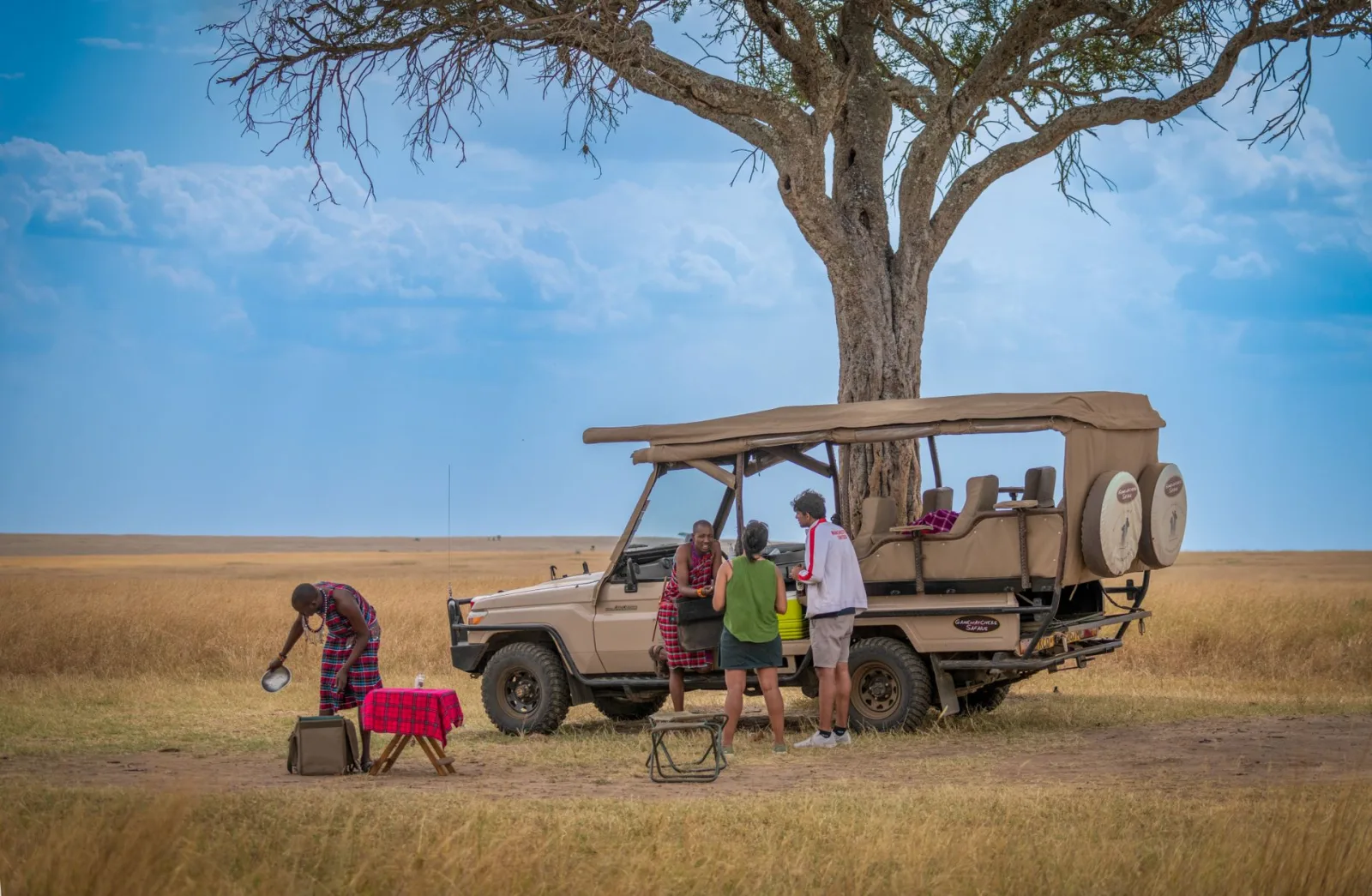
Safari vehicle on a game drive in Kruger National Park with mosquito prevention context

South Africa Malaria Prevention
Guide for Indian Travelers

Expert health advice, prophylaxis guidelines, and malaria-free safari alternatives for a safe African adventure.

Written by Vishal Narayan — Africa Travel Specialist
Reviewed by Veena Rathore · Africa Travel Reviewer
Last updated after reviewing:
  • Updated 2026 South African Department of Health malaria risk zone maps for the Lowveld region
  • Current WHO and Indian travel clinic recommendations for anti-malarial prophylaxis (e.g., Malarone, Doxycycline)
  • Availability and protocols for malaria-free Big Five safari alternatives like Madikwe and Pilanesberg
Understanding Malaria Risk on South African Safaris
A practical, medical-fact-based guide to staying healthy while enjoying the African bush.

The Reality of Safari Health

Malaria is a serious but entirely preventable disease transmitted by the bite of an infected female Anopheles mosquito. For Indian travelers planning a South African safari, understanding the risk zones and taking proactive measures is a mandatory part of trip planning.

The good news? South Africa has world-class medical infrastructure, highly regulated safari lodges with robust mosquito control protocols, and excellent, malaria-free alternative reserves that still offer world-class Big Five viewing.
South Africa Malaria Risk Zones
Identifying which parts of the country require prophylactic precautions.

High/Moderate Risk Areas

  • Kruger National Park & Surrounds: The Lowveld region (including Hluhluwe-iMfolozi) is a known malaria zone.
  • Risk Season: Highest risk is during the summer rainy season (October to April), when mosquito populations peak. The risk is significantly lower during the dry winter months (May to September), but never zero.

Zero Risk (Malaria-Free) Areas

  • Cape Town & The Garden Route: Completely malaria-free.
  • Johannesburg & Pretoria: Malaria-free.
  • Madikwe Game Reserve & Pilanesberg: Malaria-free Big Five reserves in the North West Province.
  • Eastern Cape Reserves: Most major reserves (e.g., Shamwari, Amakhala, Pumba) are malaria-free.
Anti-Malarial Prophylaxis for Indian Travelers
Consulting a doctor and choosing the right preventive medication.

Medical Disclaimer: This information is for educational purposes. Always consult a registered medical practitioner or travel clinic in India 4–6 weeks before departure for personalized medical advice.

Common Medications

  • Malarone (Atovaquone/Proguanil): Often preferred for short trips. Taken daily, starting 1-2 days before entering the zone and continued for 7 days after leaving. Generally well-tolerated with minimal side effects.
  • Doxycycline: A cost-effective alternative. Taken daily, starting 1-2 days before entry and continued for 4 weeks after leaving. Can cause sun sensitivity, so sun protection is critical.
  • Mefloquine (Lariam): Taken weekly. Less commonly prescribed now due to potential neurological side effects, but may be recommended in specific cases by a doctor.

Indian Pharmacy Note: These medications require a valid prescription in India. Do not attempt to self-medicate or buy anti-malarials without consulting a travel medicine specialist.

Mosquito Bite Prevention Strategies
Practical steps to minimize exposure during your safari, complementing your medication.

On the Ground Tips

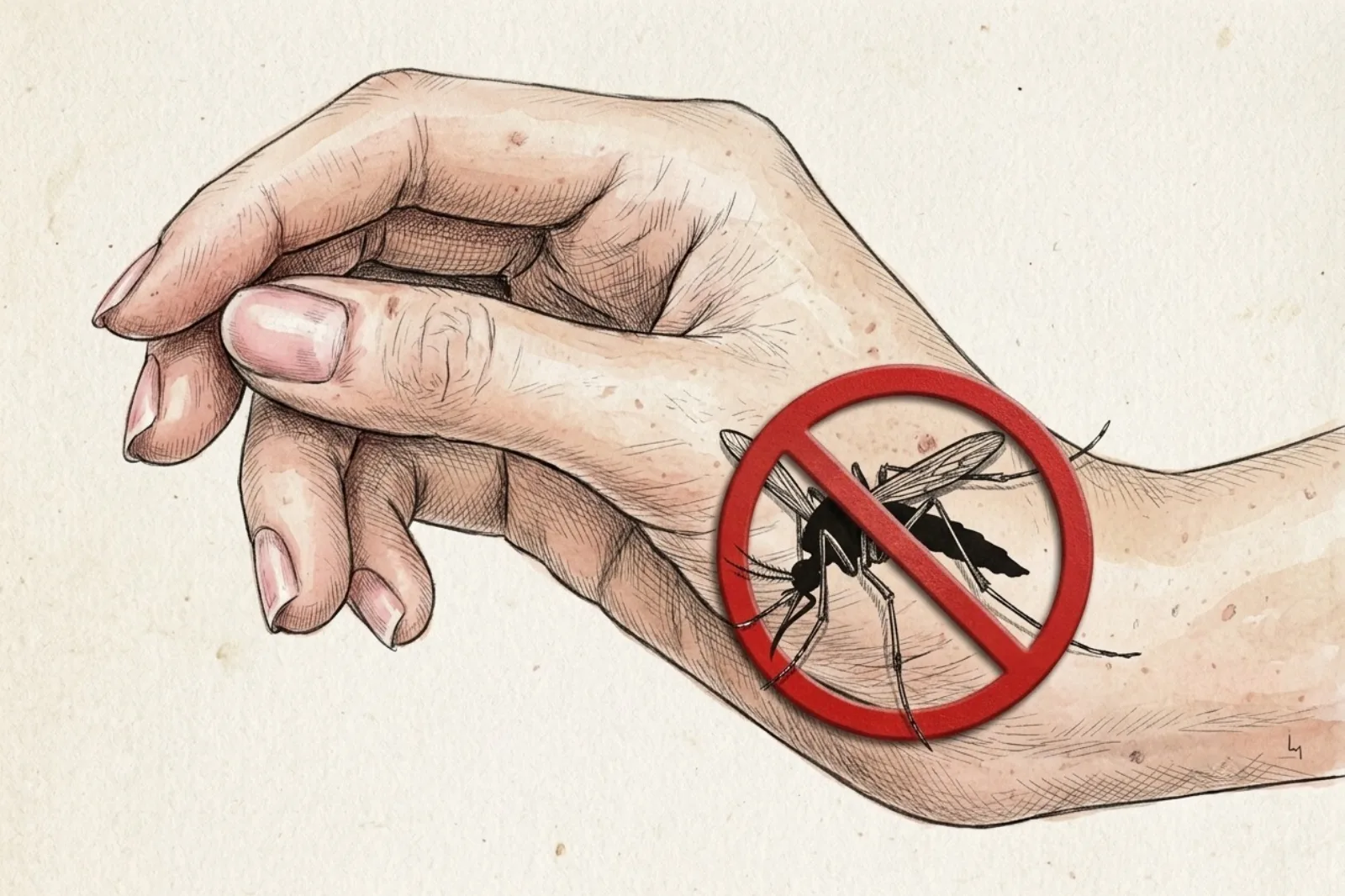
  • Repellent: Apply a DEET-based insect repellent (30% concentration or higher) to exposed skin. Reapply as directed, especially after sweating.
  • Clothing: Wear long-sleeved shirts and long trousers in neutral colors (khaki, olive) during dawn and dusk, when Anopheles mosquitoes are most active.
  • Lodge Protocols: Keep tent flaps, windows, and doors closed, especially at night. Utilize the provided mosquito nets over your bed. Most luxury lodges also spray rooms with safe insecticides regularly.
  • Avoid Strong Scents: Mosquitoes are attracted to strong perfumes, scented lotions, and certain soaps. Opt for unscented products in the bush.
Malaria-Free Big Five Safari Alternatives
Enjoy world-class wildlife viewing without the need for anti-malarial medication.

Top Malaria-Free Reserves

  • Madikwe Game Reserve: Located in the North West Province, this is one of South Africa's largest reserves. It is highly regarded for its excellent rhino and wild dog sightings, luxurious lodges, and zero malaria risk.
  • Pilanesberg National Park: Situated in an ancient volcanic crater, just a 2.5-hour drive from Johannesburg. It is highly accessible, budget-friendly, and completely malaria-free.
  • Eastern Cape Reserves: Reserves like Shamwari, Amakhala, and Kwandwe offer premium, all-inclusive safari experiences just a short flight or drive from Port Elizabeth, with no malaria risk.

For families with young children, pregnant women, or travelers who prefer to avoid medication entirely, these reserves are the recommended choice for your itinerary.

Traveling with Children & During Pregnancy
Special health considerations for vulnerable demographics.

Families with Infants

Anti-malarial medications are generally not recommended for infants under 2 months of age (Malarone) or under 8 years (Doxycycline, depending on formulation and local guidelines). For families with babies or toddlers, booking a malaria-free reserve is the safest and most stress-free option.

Pregnancy

Malaria infection during pregnancy poses severe risks to both the mother and the unborn child. Most anti-malarial drugs are contraindicated during the first trimester, and many doctors advise against all malaria-zone travel during any stage of pregnancy. Pregnant travelers should strictly choose malaria-free destinations.

Frequently Asked Questions — Malaria & Safari Health
Quick answers to the most common health questions from Indian travelers planning a South African safari.
1Is Kruger National Park a malaria zone?
Yes, Kruger National Park and the surrounding Lowveld region are classified as moderate-to-high malaria risk zones, particularly during the summer rainy season (October to April).
2What malaria tablets are recommended for South Africa safaris?
Commonly prescribed prophylactics include Malarone (Atovaquone/Proguanil) or Doxycycline. Consult an Indian travel clinic 4-6 weeks before departure for a prescription tailored to your medical history.
3Are there malaria-free safari options in South Africa?
Yes. Reserves like Madikwe Game Reserve, Pilanesberg National Park, and many areas of the Eastern Cape (e.g., Shamwari, Amakhala) are completely malaria-free and still offer excellent Big Five viewing.
4Can pregnant women and infants go on a Kruger safari?
Most anti-malarial medications are not recommended during pregnancy or for very young infants. It is highly advised that pregnant women and families with babies under 2 months choose a malaria-free reserve instead.
5Do safari lodges in Kruger provide mosquito protection?
Yes. Reputable lodges are equipped with mosquito nets, screened windows and doors, and conduct regular indoor insecticide spraying. However, personal bite prevention remains essential.

Want a completely stress-free, malaria-free Big Five safari experience? Our experts can design a customized itinerary featuring Madikwe or the Eastern Cape.

Get a Malaria-Free Safari Quote →

Medical Disclaimer: The information provided on this page is for general educational purposes only and does not constitute medical advice. Malaria risk maps and health guidelines are subject to change. Always consult a qualified medical professional or a recognized travel health clinic in India at least 4–6 weeks before your departure to obtain personalized advice, prescriptions, and the latest destination-specific health advisories.

Plan a Safe South Africa Safari

Fill out the enquiry form below and our travel experts will help you choose the safest, most suitable safari reserve for your family, whether malaria-free or with full health support.

We handle all logistics, including health-conscious itinerary planning, lodge selections, and travel insurance recommendations.

Enquire About This Package