Tanzanian food is a rich, flavorful fusion of Bantu, Arab, and Indian influences, making it surprisingly familiar and comforting for Indian travelers.
From the hearty, comforting staples of the mainland savannas to the aromatic, spice-laden coastal dishes of Zanzibar, Tanzania offers a diverse culinary landscape. For Indian travelers, the frequent use of rice, lentils, flatbreads, and warming spices means you will find many comforting flavors, alongside exciting new dishes to try. For a complete overview of planning your trip, including budget breakdowns, see the Complete Tanzania Travel Guide.
Must-Try Traditional Tanzanian Dishes
The cornerstone of Tanzanian culinary identity, perfect for sharing and experiencing local culture.
Ugali & Nyama Choma
The undisputed national dish. Ugali is a dense, smooth maize flour porridge, eaten by pinching off a piece and using it to scoop up stews or meat. Nyama Choma is succulent, charcoal-grilled goat or beef, typically served with kachumbari (a fresh tomato and onion salad). It is the heart of Tanzanian social gatherings.
Pilau & Biryani
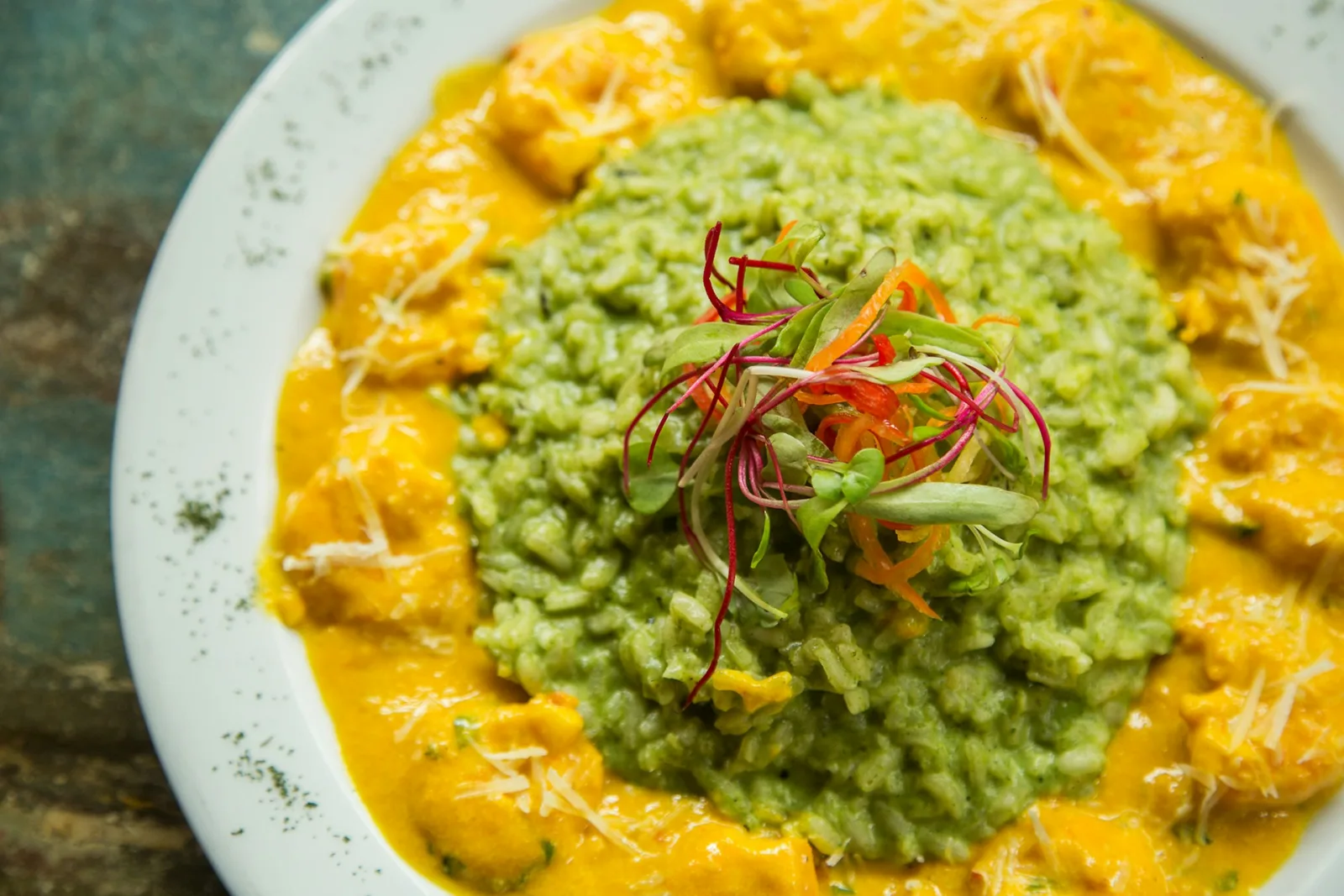
Reflecting centuries of trade with the Indian subcontinent, Tanzanian Pilau is a fragrant rice dish cooked with meat, cardamom, cumin, cinnamon, and cloves. It is a staple at weddings and celebrations and will feel instantly familiar to Indian palates.
Mishkaki & Chips Mayai
Mishkaki are marinated beef skewers grilled over open charcoal. Chips Mayai is a beloved street food: a hearty omelette packed with French fries, sliced and served with chili sauce. It is cheap, filling, and delicious.
Vegetarian & Indian Food on Safari
Practical guidance for Indian vegetarians navigating remote national parks and luxury lodges.
Good News: The Tanzanian safari industry is highly accustomed to international dietary requirements. You will not go hungry.
Lunch/Dinner: Dal (lentil curry), basmati rice, roti, paneer dishes, sautéed seasonal vegetables (sukuma wiki), and fresh salads.
Most mid-range and luxury lodges have Indian or experienced African chefs who understand "mild" vs. "spicy" and can prepare authentic Indian meals upon request.
Crucial Planning Tip
Always declare your vegetarian or vegan dietary requirements when booking your Tanzania itinerary. This gives the tour operator time to pre-order fresh produce and ensure the lodge kitchen is fully prepared to cater to you, especially in remote mobile camping setups.
Zanzibar Street Food & Spice Influence
The "Spice Island" offers a vibrant, halal-friendly street food scene that is a highlight of any coastal visit.
Forodhani Gardens Night Market
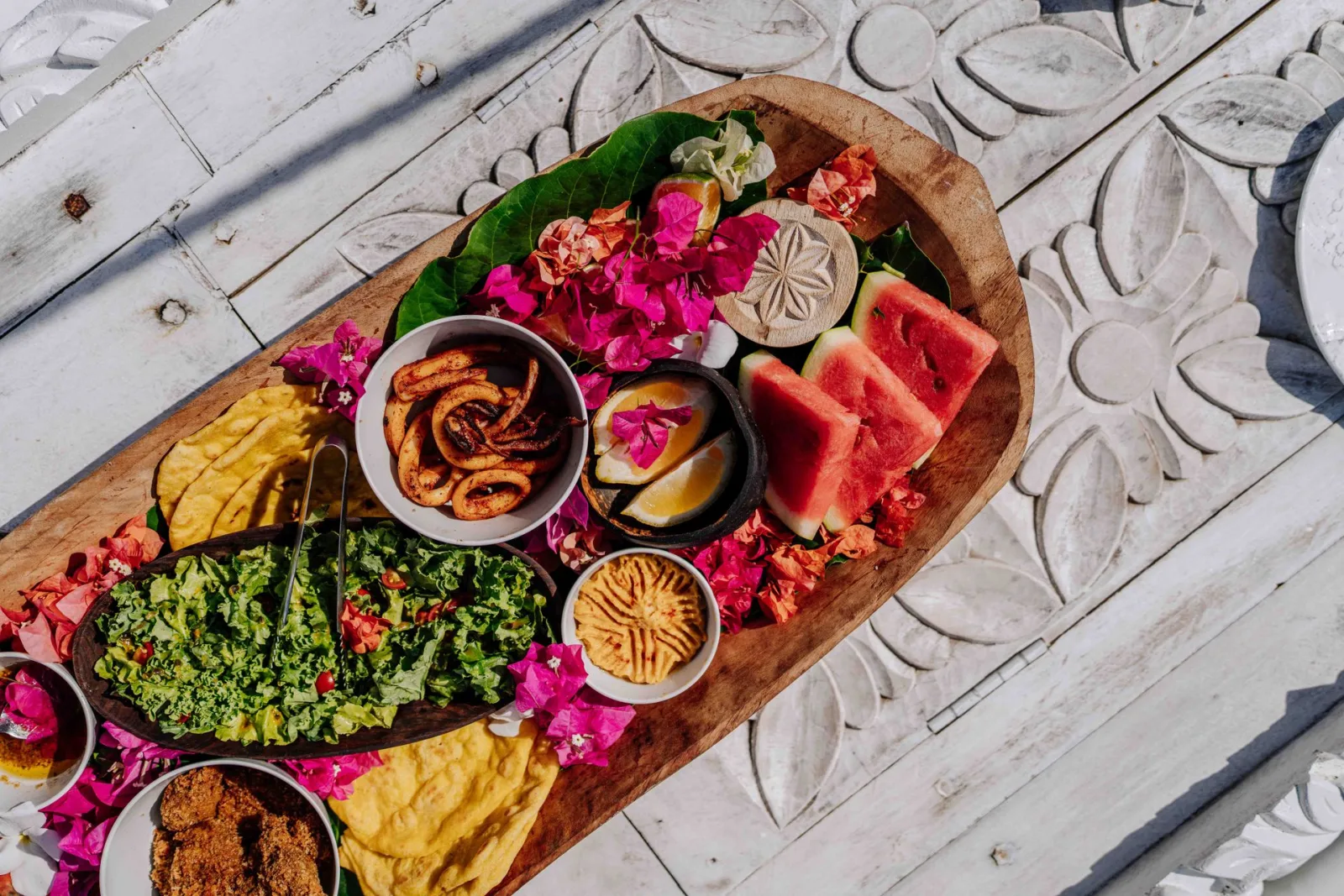
Located on the Stone Town seafront, this evening market is a must-visit. Try the Zanzibar Pizza (a savory or sweet stuffed flatbread cooked on a griddle), Urojo (a tangy, spicy soup with chickpea fritters and chutneys), and fresh grilled octopus or lobster.
Spice Farm Tours
Understanding the food starts with the source. A guided tour of a Zanzibar spice farm lets you taste fresh cloves, nutmeg, cinnamon, and black pepper straight from the plant, explaining why Zanzibari curries are so deeply aromatic.
Dining Etiquette, Costs & Tipping
Practical advice for eating out in Tanzania without cultural missteps or budget surprises.
Dining Context
Estimated Cost (Per Person)
Tipping Custom
Local Street Food / Mishkaki
₹100 – ₹300
Not expected
Mid-Range Restaurant (Arusha/Dar)
₹800 – ₹1,500
10% if no service charge
Upscale Lodge / Zanzibar Resort
₹2,000 – ₹4,000+
Often included, extra for exceptional service
Safari Guide & Camp Staff
N/A
$10 – $20 USD per guest, per day (collective tip)
Eating with Hands: In local settings, Ugali and meat are traditionally eaten with the right hand. Wash your hands before the meal (a pitcher of water is often provided). Using cutlery is perfectly acceptable in all tourist lodges and restaurants.
Tanzania Food & Dining FAQ for Indian Travelers
Quick answers to common dietary and culinary questions
1Can Indian vegetarians find good food on a Tanzania safari?
Yes. Most mid-range and luxury safari lodges are highly accustomed to Indian dietary preferences. You can easily get dal, rice, roti, paneer, and vegetable curries. Always inform your tour operator in advance so the kitchen can prepare fresh meals.
2Is tap water safe to drink in Tanzania?
No. Tap water is not safe for Indian travelers to drink. Always consume sealed bottled water, which is widely available at all lodges, camps, and stores. Avoid ice cubes in drinks unless you are at a high-end resort.
3What is the most famous street food in Zanzibar?
The Zanzibar Pizza (a stuffed, folded flatbread cooked on a griddle) and Urojo (a spicy, tangy soup with fritters and chutney) are the most iconic and delicious street foods to try in Stone Town.
4Is Tanzanian food spicy?
Coastal and Zanzibari food uses aromatic spices (cinnamon, cardamom, cloves) but is generally not excessively hot. You can request "pole pole" (mild) or no chili, and Indian travelers usually find the spice levels very manageable.
5What is the typical tipping etiquette in Tanzanian restaurants?
A 10% tip is customary in restaurants if a service charge is not already included in the bill. For safari guides and camp staff, a collective tip of $10–$20 USD per guest per day is standard practice.
Worried about dietary restrictions on your trip? Our Tanzania tour packages include customized meal planning to ensure you enjoy every bite of your safari.
This culinary guide is designed to help Indian travelers navigate Tanzanian dining with confidence, from remote safari camps to bustling Zanzibar night markets.
Dietary Assurance
Verified information on vegetarian and vegan food availability, ensuring Indian travelers can enjoy the safari without dietary stress.
Hygiene & Safety
Practical, up-to-date advice on water safety, street food hygiene, and dining standards in 2026.
Culturally Respectful
Guidance on local dining etiquette, tipping norms, and how to respectfully engage with Tanzanian culinary traditions.