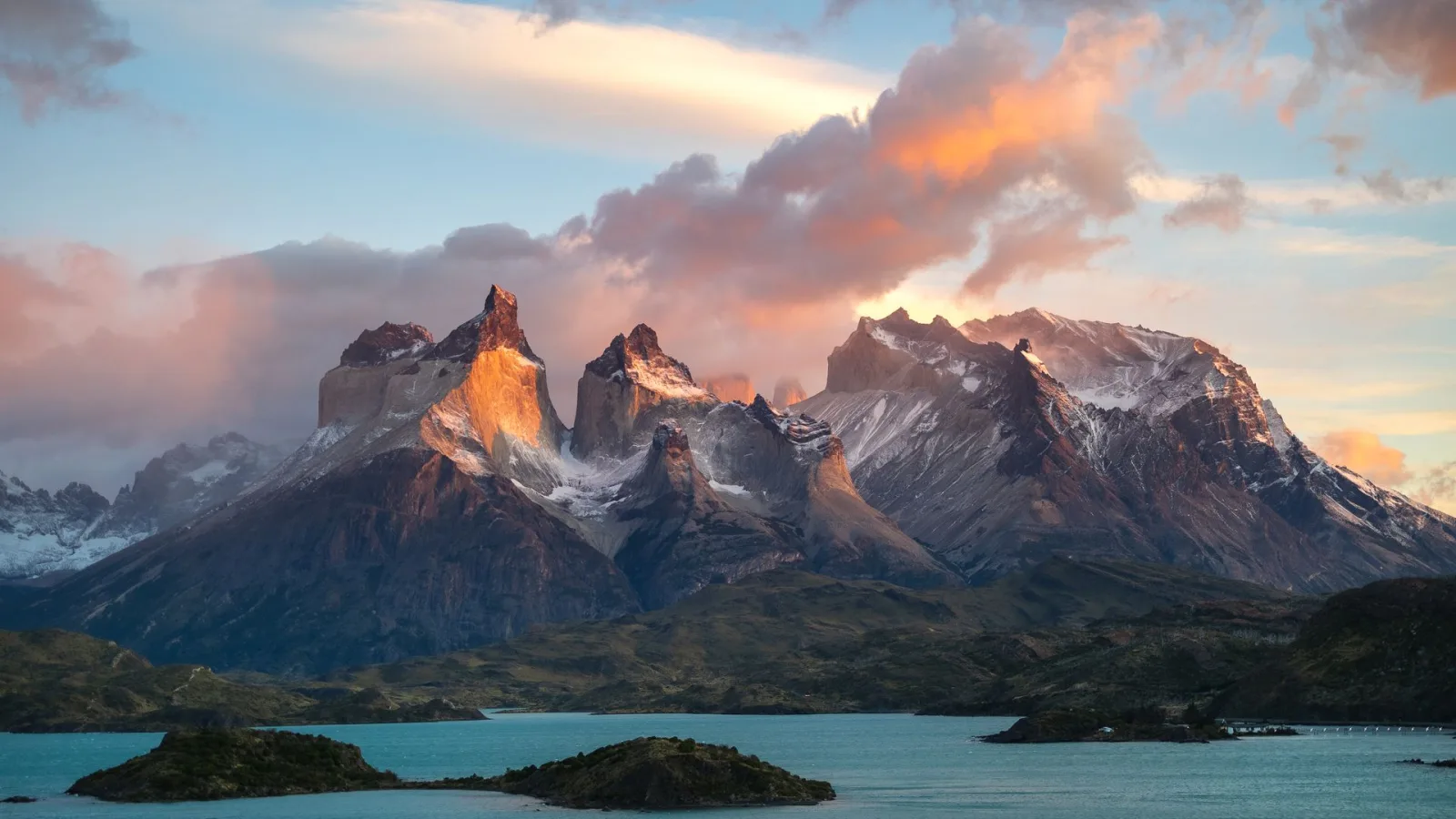
Aerial view of the Serengeti plains and Mount Kilimanjaro in the background, Tanzania

Tanzania Travel Guide
for Indian Travelers

Visa, cost, itinerary & tips — your complete guide to planning a safari and Zanzibar trip from India in 2026.

Updated for 2026 Travelers
Written by Vishal Narayan — Africa Travel Specialist
Reviewed by Veena Rathore · Africa Travel Reviewer
Last updated after reviewing:
  • Tanzania E-Visa portal update and on-arrival facility for Indians (2025)
  • Serengeti National Park entry fee revisions for 2026
  • Zanzibar travel advisory and flight routing from India

Last updated: April 2026

Tanzania Trip Cost from India (Detailed Breakdown)
Realistic cost breakdown for flights, visa, safari lodges, and total budget for 2026

Cost Breakdown 2026

  • Return Flights: ₹70,000 – ₹1,20,000
  • Tanzania Visa Fee: $50 USD (approx. ₹4,200)
  • Safari Lodges (per night): ₹15,000 – ₹45,000
  • Zanzibar Hotels (per night): ₹6,000 – ₹15,000
  • Food (per day): ₹2,000 – ₹5,000
  • Park Fees & 4x4 Jeep: ₹25,000 – ₹60,000 total
  • Travel Insurance: ₹1,500 – ₹3,000
  • Total (7 days): ₹1.5L – ₹3.5L per person

Tanzania is a premium safari destination. While flights are reasonably priced via the Middle East, the high conservation fees and luxury lodge costs make the overall trip more expensive than Southeast Asia, but highly competitive with European luxury tours.

Best Departure Cities

  • Delhi (DEL) — Excellent connections via Dubai, Doha, and Addis Ababa
  • Mumbai (BOM) — Frequent flights via Emirates, Qatar, and Ethiopian
  • Bangalore (BLR) — Good options via Middle Eastern carriers
  • Kochi (COK) — Direct connections to Dar es Salaam via regional carriers
  • Hyderabad (HYD) — Connected via Doha or Dubai

Fly into Kilimanjaro International Airport (JRO) for safaris, or Julius Nyerere International (DAR) for Zanzibar and southern circuits.

Ready to plan your Tanzania safari? Let us handle flights, visa, lodges, and tours.

View Tanzania Tour Packages →
Flight Routes from India to Tanzania
Flights from India to Tanzania take 12–18 hours with one layover. Here are the most popular routes.

Delhi to Kilimanjaro / Dar es Salaam

  • Route 1: DEL → Dubai → JRO/DAR (Emirates + Precision Air)
  • Route 2: DEL → Doha → JRO/DAR (Qatar Airways)
  • Route 3: DEL → Addis Ababa → JRO/DAR (Ethiopian Airlines)
  • Duration: 14–18 hours
  • Price Range: ₹75,000 – ₹1,20,000

Mumbai to Kilimanjaro / Dar es Salaam

  • Route 1: BOM → Dubai → JRO/DAR (Emirates)
  • Route 2: BOM → Doha → JRO/DAR (Qatar Airways)
  • Route 3: BOM → Addis Ababa → JRO/DAR (Ethiopian Airlines)
  • Duration: 12–16 hours
  • Price Range: ₹70,000 – ₹1,10,000

Note: Kilimanjaro (JRO) is the gateway to the Northern Safari Circuit. Dar es Salaam (DAR) is best for Zanzibar ferries and southern parks. Check Africa travel guides for more regional information.

Tanzania vs Europe Cost for Indian Travelers
How does a Tanzanian safari compare to a European tour on cost? Here is a practical comparison for Indian travelers.
Expense Tanzania (7 days) Europe (7 days)
Flights₹70K – ₹1.2L₹60K – ₹1L
Visa$50 (₹4,200)₹7K – ₹9K (Schengen)
Accommodation/night₹10K – ₹30K₹8K – ₹20K
Food/day₹2K – ₹5K₹5K – ₹12K
Activities/Transfers₹30K – ₹60K (Safari)₹15K – ₹30K (Tours)
Total Trip₹1.5L – ₹3.5L₹2L – ₹4.5L
Flights
Tanzania₹70K – ₹1.2L
Europe₹60K – ₹1L
Visa
Tanzania$50 (₹4.2K)
Europe₹7K – ₹9K
Accommodation
Tanzania₹10K – ₹30K
Europe₹8K – ₹20K
Food/day
Tanzania₹2K – ₹5K
Europe₹5K – ₹12K
Total Trip
Tanzania₹1.5L – ₹3.5L
Europe₹2L – ₹4.5L

Tanzania offers a highly exclusive, premium wilderness experience. While daily food costs are lower than Europe, the specialized safari logistics and park fees make the total trip cost comparable to a mid-range European tour.

Best Time to Visit Tanzania from India
Tanzania can be visited year-round, but the best time depends on the wildlife migration and your travel goals.
Month Tanzania Season Serengeti / North Zanzibar Southern Circuit India Travel Note
JanDry / CalvingCalving season (Ndutu)Hot, sunny, idealGood, wet season starts latePost-New Year peak
FebDry / CalvingPeak calving, predator actionHot, great beachesWarm, occasional rainGood winter escape
MarLong RainsRains begin, muddy roadsHeavy rains startHeavy rains, parks closeOff-season, budget deals
AprLong RainsPeak rains, low tourist densityPeak rainy seasonHeavy rainsAvoid unless on strict budget
MayLate RainsRains tapering offRains easingRains easingShoulder season begins
JunDry SeasonMigration moves northPerfect weatherExcellent wildlifeStart of peak Indian travel
JulDry SeasonGrumeti River crossingsPerfect weatherPeak wildlife viewingIndia summer holidays peak
AugDry SeasonMara River crossingsPerfect weatherPeak wildlife viewingBook 6 months ahead
SepDry SeasonMigration in Maasai MaraHot, dryExcellentGood post-monsoon window
OctShort RainsMigration returns southHot, humidGood, warming upGood shoulder window
NovShort RainsShort rains, green landscapesOccasional showersGreen, fewer crowdsPre-Christmas deals
DecShort RainsRains ease, migration southSunny, festiveGood, warming upIndia winter holidays peak
7-Day Tanzania Safari & Zanzibar Itinerary
A perfect one-week itinerary combining the Northern Safari Circuit and the spice islands of Zanzibar.

Day-by-Day Plan

  • Day 1: Arrive Kilimanjaro (JRO) — transfer to Arusha, rest and briefing
  • Day 2: Tarangire National Park — famous for large elephant herds and baobabs
  • Day 3: Ngorongoro Crater — descend into the caldera for Big Five viewing
  • Day 4: Serengeti National Park — endless plains and the Great Migration
  • Day 5: Serengeti morning drive — fly to Zanzibar (ZNZ), check into beach resort
  • Day 6: Zanzibar — Stone Town heritage tour, spice plantation visit, beach relaxation
  • Day 7: Zanzibar — departure from Abeid Amani Karume International Airport

Planning Notes

  • Domestic flights: Book Serengeti to Zanzibar on Coastal Aviation or Auric Air in advance
  • Budget option: Skip Zanzibar and do a 6-day camping safari to reduce costs by 30%
  • Currency: Carry crisp USD bills (printed after 2013) for tips and visa fees
  • Language: Swahili and English are widely spoken in tourist areas
  • Connectivity: Buy a local SIM (Vodacom/Airtel) at JRO airport for safari data
  • Health: Malaria prophylaxis is highly recommended; consult your doctor before travel
  • Book ahead: For June-October travel, book lodges and flights 6-8 months in advance

Want a hassle-free Tanzania safari? Our packages include flights, 4x4 jeeps, lodges, and Zanzibar transfers.

Book Tanzania Tour Package →
Tanzania Visa for Indians — Complete Guide & Travel Essentials
Essential information for Indian travelers — from Tanzania visa requirements and time zones to plug adapters and local transport.

Tip: Carry crisp, new USD bills (printed after 2013) for your Visa on Arrival and tips; older or torn notes are often rejected.

Tanzania Visa for Indians — 2026 Update

Update (2026): Indian nationals require a visa for Tanzania. You can apply for an E-Visa online or obtain a Visa on Arrival at Kilimanjaro (JRO) and Dar es Salaam (DAR) airports. The fee is $50 USD. Source: Tanzania Immigration Department.

  • Visa Type: Single Entry Tourist Visa
  • Cost: $50 USD (approx. ₹4,200)
  • Where to apply: Online E-Visa portal or on arrival at JRO/DAR airports
  • Documents: Valid passport (6+ months), return tickets, hotel bookings, yellow fever certificate (if applicable)
  • Processing time: 5-10 working days for E-Visa
  • Duration permitted: 30 days for tourism
  • Payment: Credit card online, or USD cash on arrival
CLICK TO KNOW MORE ABOUT VISA DOCUMENTATION & FEES

Time Zone

Tanzania follows East Africa Time (EAT), which is UTC+3 and 3.5 hours behind Indian Standard Time (IST). There is no daylight saving time.

  • East Africa Time (EAT): UTC+3
  • Tanzania is 3.5 hours behind Indian Standard Time (IST)
  • When it is 12:00 PM in India, it is 8:30 AM in Tanzania
  • Tanzania does not observe Daylight Saving Time
  • Business hours typically run from 8 AM to 5 PM EAT on weekdays
  • Banks operate from 8:30 AM to 3 PM on weekdays
  • Shops generally open from 8 AM to 8 PM daily
  • Dinner in lodges is usually served between 7:00 PM and 8:30 PM

Country Code

To call Tanzania from India, use the international dialing code +255 followed by the local number.

  • International Dialing Code: +255
  • To call Tanzania from India, dial: 00-255-XX-XXX-XXXX
  • Dar es Salaam area code: 22
  • Arusha area code: 27
  • Zanzibar area code: 24
  • Emergency services: 112 (Police/Ambulance/Fire)
  • Tourist police in major towns: Available in Arusha and Zanzibar
  • Major telecom providers: Vodacom, Airtel, Tigo, and Halotel
  • Tourist SIM cards available at JRO and DAR airports

Socket & Plugs

Tanzania uses Type G electrical outlets (British 3-pin rectangular) with 230V at 50Hz. Indian travelers will need a plug adapter.

  • Type G — 230V, 50Hz
  • Tanzania uses the same British-style 3-pin rectangular plugs
  • Standard voltage is 230V with a frequency of 50Hz
  • Indian plugs will NOT work without a universal travel adapter
  • Universal travel adapters available at airports and electronics shops
  • Most safari lodges provide adapters at the front desk on request
  • Most modern devices (laptops, phone chargers) support 100–240V
  • Power outages can occur in remote areas; lodges have backup generators

Indian Embassy in Tanzania

The High Commission of India in Dar es Salaam provides consular services for Indian nationals.

  • Address: Plot No. 1085/1086, Ocean Road, Dar es Salaam
  • Contact: +255 22 215 0500
  • Email: [email protected]
  • Emergency (24/7): +255 754 010 500
  • Working Hours: Mon–Fri, 9:00 AM – 5:00 PM
  • Services: passport renewal, emergency certificates, assistance to Indian nationals
  • Register with MADAD portal before travel for advisories and assistance

Tanzania Embassy in India

The Embassy of the United Republic of Tanzania in New Delhi handles diplomatic relations and visa facilitation.

  • Embassy New Delhi: 12, Aurangzeb Road, New Delhi 110011
  • Contact Delhi: +91-11-4175-2700
  • Email Delhi: [email protected]
  • Note: Tourist visas are primarily processed via the E-Visa portal or on arrival
  • Visa fee: $50 USD for single entry
  • Working Hours: Mon–Fri, 9:00 AM – 4:00 PM

Car Driving Orientation

Left-Hand Drive (Same as India)

  • Tanzania follows left-hand driving, identical to India's system
  • International Driving Permit (IDP) required along with valid home country license
  • Speed limits: 50 km/h in urban areas, 80–110 km/h on highways
  • Seat belts mandatory for all passengers
  • Driving under influence strictly prohibited
  • Self-drive is not recommended in national parks; 4x4 with a driver-guide is mandatory
  • Road conditions outside cities can be rough; 4x4 vehicles are essential

App Based Taxi

Uber and Bolt operate in Dar es Salaam; use hotel transfers elsewhere

  • Uber and Bolt are available in Dar es Salaam for safe, metered rides
  • In Arusha and Zanzibar, rely on hotel-arranged taxis or registered local cabs
  • Always agree on a fare before starting a journey in local taxis
  • Average fare from JRO airport to Arusha: $30–$50 USD
  • Dala-dala (local minibuses) are cheap but extremely crowded and not recommended for tourists
  • Safari itineraries use dedicated 4x4 Land Cruisers with pop-up roofs
  • Ferries connect Dar es Salaam to Zanzibar (Azam Marine, 2 hours)

Need help with Tanzania visa? Our visa team assists with documentation, application, and follow-up.

Tanzania Visa Assistance →
Tanzania Culture, Language & Local Customs
Understand Swahili, local slang, and cultural norms to connect better with locals on your safari.

Official Language

Swahili (Kiswahili) & English — Official Languages

  • Swahili is the lingua franca, spoken by nearly everyone; English is used in business and tourism
  • Tanzanian Swahili is widely considered the purest form of the language
  • English is spoken in hotels, lodges, and by safari guides
  • Over 120 local ethnic groups exist, each with its own language, but Swahili unites them
  • Learning basic Swahili phrases greatly enhances your safari experience
  • Tanzanians are incredibly warm and hospitable; greetings are very important
  • Always greet people before jumping into a conversation or taking a photo

Local Vocabulary

Understanding these Swahili terms helps connect with locals and understand the culture better.

  • Jambo / Hujambo — Hello / How are you?
  • Hakuna Matata — No worries / No problems
  • Karibu — Welcome
  • Asante sana — Thank you very much
  • Kwaheri — Goodbye
  • Simba — Lion
  • Tembea — Walk / Travel
  • Pole pole — Slowly, slowly (the Tanzanian motto for life)
  • Chakula — Food
  • Maji — Water
  • Lala salama — Sleep well / Goodnight

Toilet Signs

Public restrooms are called "Choo" in Swahili. Signs typically display "Choo" or "WC" with pictograms.

  • Men's toilets marked with "Wanaume" or male symbol
  • Women's toilets marked with "Wanawake" or female symbol
  • Lodge and hotel facilities are modern and Western-style
  • Public restrooms in cities may charge a small fee (TZS 500–1,000)
  • Always carry your own toilet paper and hand sanitizer when on safari
  • Bush toilets at remote camps are basic but functional long-drop toilets

Interesting Facts

Tanzania is home to Africa's highest peak, the largest caldera, and some of the most iconic wildlife on earth.

  • Mount Kilimanjaro is the highest free-standing mountain in the world (5,895m)
  • The Ngorongoro Crater is the world's largest inactive, intact, and unfilled volcanic caldera
  • Zanzibar is known as the "Spice Island" and was a major hub for the clove trade
  • The Great Migration in the Serengeti involves over 1.5 million wildebeest
  • Tanzania has designated over 25% of its land area to national parks and reserves
  • Freddie Mercury, lead singer of Queen, was born in Stone Town, Zanzibar
  • The flag features a black diagonal stripe bordered by yellow, representing the people and mineral wealth
Tanzania Shopping & Markets Guide
From Tanzanite gemstones and Tingatinga paintings to Maasai beadwork and wood carvings.

Shopping Hours

Most Shops: 8:00 AM – 8:00 PM (Daily)

  • Supermarkets and malls in Dar es Salaam operate from 8:00 AM to 10:00 PM
  • Local markets (like Kariakoo) open early at 6:00 AM and close by 6:00 PM
  • Curio shops at hotels and airport terminals are open throughout the day
  • Stone Town in Zanzibar has vibrant evening markets along the seafront
  • Bargaining is expected at local markets and curio stalls, but not in fixed-price galleries
  • Best shopping season: July-October (peak tourist season, full stock)

Flea Markets & Curio Shops

Tanzania's markets offer unique souvenirs including traditional art, jewelry, and textiles.

  • Kariakoo Market (Dar) — Massive local market for spices, fabrics, and everyday goods
  • Mzizima Market (Dar) — Fresh produce, local street food, and vibrant atmosphere
  • Darajani Market (Zanzibar) — Historic Stone Town market for spices and local snacks
  • Village Museum (Dar) — High-quality, fixed-price traditional crafts from all tribes
  • Maasai Market (Arusha) — Beadwork, shukas (blankets), and jewelry
  • Cash (USD or TZS) preferred at markets; credit cards only in major galleries
  • Bargaining is part of the culture; start at 50% of the asking price

Famous Souvenirs

Shopping for local crafts offers excellent value, along with rare gemstones and traditional textiles.

  • Tanzanite: A rare blue-violet gemstone found only near Mount Kilimanjaro
  • Tingatinga Paintings: Colorful, naive-style wildlife and village paintings
  • Makonde Carvings: Intricate ebony wood sculptures, often depicting "Tree of Life"
  • Maasai Shukas: Traditional red and blue checkered blankets
  • Maasai Beadwork: Colorful necklaces, bracelets, and belts
  • Zanzibar Spices: Cloves, cinnamon, nutmeg, and black pepper
  • Kitenge Fabric: Vibrant, patterned cotton fabric used for clothing and decor

Supermarkets

Major supermarket chains like Shoprite, Game, and Nakumatt offer wide product ranges.

  • Shoprite — South African chain, widespread in Dar es Salaam
  • Game — Hypermarket with electronics, clothing, and groceries
  • Shoppers Plaza — Popular mall in Dar with multiple supermarkets and food courts
  • Most supermarkets open from 8 AM to 9 PM; some 24-hour outlets in major cities
  • Local products affordable and high quality (coffee, tea, spices, tropical fruits)
  • Bottled water is essential outside major cities; tap water is not safe to drink
Tanzania Food & Cuisine Guide
Tanzanian cuisine is a rich blend of Bantu, Arab, and Indian influences, featuring staple crops, grilled meats, and coastal spices.

Do: Try local Nyama Choma and Pilau — Tanzanian coastal cuisine is a highlight of the trip.

Famous Cuisines

Tanzanian food varies by region, from hearty inland staples to spicy coastal Zanzibari dishes.

  • Ugali — Dense maize porridge, the staple carbohydrate eaten with stews
  • Nyama Choma — Roasted goat or beef, the national street food and social dish
  • Pilau — Spiced rice cooked with meat, cardamom, cumin, and cinnamon (Zanzibari influence)
  • Mishkaki — Marinated beef skewers grilled over charcoal
  • Chips Mayai — Omelette made with French fries, a popular street food
  • Mchuzi wa Samaki — Fish curry cooked in coconut milk (coastal specialty)
  • Sukuma Wiki — Sautéed collard greens or kale, translating to "push the week"
  • Mandazi — Sweet, triangular fried dough, similar to Indian gulab jamun but less sweet

Famous Fruits

Tanzania's tropical climate produces incredible fruit, especially in coastal and island regions.

  • Mapera (Pineapples) — Sweet and abundant, especially in coastal regions
  • Embe (Mangoes) — Juicy and varied, peak season around December-February
  • Nazi (Coconuts) — Fresh coconut water is sold on every street corner in Zanzibar
  • Ndizi (Bananas) — Dozens of varieties, eaten raw, fried, or cooked in stews
  • Pasho (Passion Fruit) — Often made into fresh juice or syrups
  • Tango (Tangerines) — Sweet and easy to peel, common in highland areas
  • Papai (Papaya) — Eaten fresh for breakfast or as a snack

National Dish — Ugali & Nyama Choma

Ugali and Nyama Choma represent the heart of Tanzanian culinary tradition and social life.

  • Ugali is the staple carbohydrate, made by boiling maize flour and water to a dense dough
  • Nyama Choma (roasted meat) is usually goat or beef, marinated simply and grilled over coals
  • Eaten with hands: pinch a piece of Ugali, make an indent, and scoop up meat and sauces
  • Accompanied by kachumbari (fresh tomato and onion salad) and chili sauce
  • Nyama Choma gatherings are weekend social events, often lasting hours with music and drinks
  • Best enjoyed at local "choma zones" or specialized restaurants in Arusha and Dar es Salaam

Avg Cost Of Food

Budget travelers can eat well for TZS 15,000–30,000 per day at local eateries. Tipping 10% is customary in lodges.

  • Street Food/Mishkaki: TZS 1,000–2,000 per skewer
  • Chips Mayai: TZS 3,000–5,000
  • Local Restaurant (Ugali & Stew): TZS 8,000–15,000
  • Mid-range Restaurant (Pilau/Seafood): TZS 25,000–45,000 per person
  • Upscale Lodge/Zanzibar Resort: TZS 50,000–100,000+ per person
  • Fresh Coconut Water: TZS 1,000–2,000
  • Local Beer (Safari/Kilimanjaro): TZS 3,000–5,000

Tipping: 10% customary in restaurants and lodges if service charge isn't included. Safari guides and drivers expect $10-$20 USD per day.

Tanzania Weather & Packing Tips
Tanzania spans multiple climate zones. Pack for your destinations — from dusty savannas to humid coastal beaches.

Tip: Pack neutral-colored clothing for safaris (khaki, olive, brown) and avoid bright colors and black (attracts tsetse flies).

Weather

Tanzania has diverse climates due to its varied topography and coastal location.

  • Northern Circuit (Arusha/Serengeti): Warm days (25°C), cool nights (15°C), dry Jun-Oct
  • Ngorongoro Crater: Cold at the rim (5-10°C), mild at the bottom, highly unpredictable
  • Zanzibar Coast: Tropical, hot and humid year-round (28-32°C), cooling ocean breezes
  • Dar es Salaam: Hot and humid, heavy rains in March-May and November
  • Mount Kilimanjaro: Ranges from tropical base to arctic summit (-15°C)
  • Best time overall: June to October (dry season, best wildlife viewing)
  • Shoulder season: January-February (calving season, warm, occasional showers)
  • Green season: November-December (short rains, lush landscapes, fewer crowds)

Clothes To Wear

Layering is essential for safaris; light, breathable fabrics are key for Zanzibar.

For Safari & Northern Circuit:

  • Neutral colors: Khaki, olive, beige, brown (avoid blue/black - tsetse flies)
  • Lightweight long sleeves and pants for sun and bug protection
  • Warm fleece or jacket for early morning and evening game drives
  • Sturdy, closed-toe walking shoes or trail runners
  • Wide-brimmed hat with chin strap, high-SPF sunscreen, polarized sunglasses

For Zanzibar & Coast:

  • Light, breathable cotton or linen clothing
  • Swimwear, sarongs, and flip-flops for the beach
  • Modest clothing for Stone Town (cover shoulders and knees out of respect)
  • Reef-safe sunscreen and insect repellent
Tanzania Heritage & Cultural Highlights
UNESCO sites, national symbols, films, and souvenirs that capture Tanzania's rich cultural and natural identity.

UNESCO World Heritage Sites

Tanzania boasts 7 UNESCO sites, blending natural wonders with deep historical significance.

  • Ngorongoro Conservation Area (1979) — The world's largest intact volcanic caldera
  • Serengeti National Park (1981) — Home to the Great Migration and vast savannas
  • Kilimanjaro National Park (1987) — Africa's highest peak and iconic snow-capped summit
  • Stone Town of Zanzibar (2000) — Historic Swahili trading town with Arab, Persian, and Indian influences
  • Selous Game Reserve (1982) — One of the largest faunal reserves in the world (now Nyerere NP)
  • Kondoa Rock-Art Sites (2006) — 2,000-year-old rock paintings depicting hunter-gatherer life

National Symbols

Tanzania's symbols reflect its rich biodiversity and the flame of freedom and unity.

  • National Animal: Giraffe (specifically the Masai Giraffe)
  • National Bird: Grey Crowned Crane
  • National Tree: Clove Tree (Zanzibar) / Baobab (Mainland)
  • National Sport: Football (Soccer) is the most popular sport
  • National Drink: Chai (tea with milk and spices) / Safari Lager
  • National Dish: Ugali with Nyama Choma
  • National Symbol: Uhuru Torch (Mwenge wa Uhuru) representing freedom and light

Films Shot in Tanzania

Tanzania's dramatic landscapes have served as the backdrop for numerous iconic films and documentaries.

  • Hatari! (1962) — Classic John Wayne film shot in Arusha and Ngorongoro
  • The Ghost and the Darkness (1996) — Thriller based on the Tsavo man-eaters (filmed partly in SA, but set in the region)
  • Out of Africa (1985) — While mostly Kenya, the Serengeti scenes capture the East African vibe
  • Now You See Me 2 (2016) — Featured stunning aerial shots of the Serengeti
  • The Lion King (1994/2019) — Inspired by the Serengeti and Ngorongoro ecosystems
  • Serengeti (Docuseries) — Narrated by Lupita Nyong'o, showcases the park's wildlife

Film Festivals

Tanzania has a growing film industry (Bongo Flava) and hosts cultural festivals.

  • Zanzibar International Film Festival (ZIFF) — July, the largest cultural event in Zanzibar
  • Arusha African Film Festival — Showcases independent African cinema
  • Sauti za Busara — February, Zanzibar's premier music and arts festival
  • Wassa Film Festival — Celebrates Swahili cinema and coastal culture

Tanzanian cinema (Bongowood) produces hundreds of films annually, primarily in Swahili, reflecting local social issues and romance.

Souvenirs

Best places to shop for souvenirs: Stone Town curio shops, Arusha Maasai markets, and airport duty-free.

  • Tanzanite Jewelry — Rare blue gemstones (buy from certified dealers)
  • Tingatinga Paintings — Colorful, vibrant canvas art
  • Makonde Wood Carvings — Intricate ebony sculptures
  • Maasai Beadwork — Traditional necklaces and bracelets
  • Zanzibar Spices — Cloves, cinnamon, and cardamom packs
  • Kanga / Kitenge — Colorful printed cotton fabrics with Swahili proverbs
  • Coffee Beans — High-quality Kilimanjaro Arabica beans
Notable Highlights for Indian Travelers
From famous personalities to groundbreaking discoveries, discover what makes Tanzania unique on the global stage.

Famous People

  • Freddie Mercury (1946–1991) — Legendary rock star, born Farrokh Bulsara in Stone Town, Zanzibar
  • Abdulrazak Gurnah (1948–) — Nobel Prize in Literature winner (2021), born in Zanzibar
  • Julius Nyerere (1922–1999) — Father of the nation, first President, and champion of Ujamaa (African socialism)
  • Miriam Makeba (1932–2008) — Though South African, she lived in exile in Tanzania and is deeply connected to its history
  • John Stephenson — Renowned conservationist and former head of TANAPA
  • Titouan Lamazou — Famous French sailor and artist with strong ties to Zanzibar

Famous Discoveries

Tanzania is the cradle of mankind, home to some of the most significant paleoanthropological discoveries in history.

  • Olduvai Gorge: Discovered by Louis and Mary Leakey, revealing early hominid fossils (Zinjanthropus)
  • Laetoli Footprints: 3.6-million-year-old hominid footprints preserved in volcanic ash
  • Mount Kilimanjaro: First recorded ascent by Hans Meyer and Ludwig Purtscheller in 1889
  • Tanzanite Gemstone: Discovered in 1967 by Jumanne Mhero Ngoma near Merelani Hills
  • Great Migration Route: Mapped and studied by scientists, revealing the circular path of 1.5M wildebeest

Tanzania's northern circuit remains the most important archaeological region for understanding human evolution.

National Dish — Ugali & Nyama Choma

  • Ugali and Nyama Choma are the cornerstone of Tanzanian social and culinary life
  • More than a meal — it's a weekend ritual bringing families and friends together
  • Traditional Nyama Choma includes goat meat, slow-roasted over open charcoal fires
  • Ugali is pounded to the perfect consistency, serving as the edible "spoon" for stews
  • Accompanied by fresh kachumbari salad and local Safari lager beer
  • Best experienced at local "choma zones" in Arusha or beachside grills in Zanzibar
  • Vegetarian variations exist, featuring grilled halloumi or mushroom stews with Ugali

Is Tanzania expensive for Indians? A 7-day safari and Zanzibar trip costs ₹1.5–3.5 lakh including flights, visa ($50), lodges, and food.

Do Indians need a visa? Yes, Indians need a visa. You can get an E-Visa online or a Visa on Arrival at the airport for $50 USD.

Flight duration? Flights from India to Kilimanjaro or Dar es Salaam typically take 12–18 hours with one layover via Dubai, Doha, or Addis Ababa.

Is Tanzania safe for Indian tourists? Very safe, especially in the safari circuits and Zanzibar resorts. Standard city precautions apply in Dar es Salaam.

Currency? Tanzanian Shilling (TZS). Carry crisp USD bills for tips and visa fees. Cards accepted in major lodges.

Frequently Asked Questions — Tanzania Travel for Indians
Quick, honest answers to the most common Tanzania travel questions from Indian travellers
1Do Indians need a visa for Tanzania?
Yes, Indian nationals require a visa for Tanzania. You can apply for an E-Visa online via the official immigration portal or obtain a Visa on Arrival at Kilimanjaro (JRO) and Dar es Salaam (DAR) airports. The fee is $50 USD for a single-entry tourist visa.
2Is Tanzania expensive for Indian tourists?
A 7-day Tanzania trip combining a safari and Zanzibar costs approximately ₹1.5L–₹3.5L per person. While flights are reasonably priced, the high conservation fees, luxury lodge costs, and specialized 4x4 logistics make it a premium destination compared to Southeast Asia.
3How long is the flight from India to Tanzania?
Flights take 12–18 hours with one layover, typically via Dubai (Emirates), Doha (Qatar Airways), or Addis Ababa (Ethiopian Airlines). There are no direct flights from India to Tanzania. The Dubai and Doha routings are the most seamless options.
4What is the best time to visit Tanzania from India?
June to October is the dry season and the best time for wildlife viewing and the Great Migration in the Serengeti. January to February is excellent for the calving season. Zanzibar is great year-round, but avoid the heavy rains of March to May.
5Is Tanzania safe for Indian tourists?
Tanzania is generally very safe for tourists, especially within the established safari circuits and Zanzibar resorts. Standard precautions apply in cities like Dar es Salaam—avoid walking at night, use hotel-arranged transport, and keep valuables secure.
6Do Indians need a transit visa for Tanzania flights?
No transit visa is required for Indian passport holders transiting through Dubai, Doha, or Addis Ababa, provided you remain airside and your layover is under 24 hours. Always verify with your airline before travel.
7What is the Tanzania tourist visa fee for Indians?
The standard single-entry tourist visa for India is $50 USD. This applies to both the online E-Visa and the Visa on Arrival facility. Payment for the E-Visa is made via credit card online, while Visa on Arrival requires crisp USD cash.
8What plug type is used in Tanzania?
Tanzania uses Type G electrical outlets (British 3-pin rectangular) with 230V at 50Hz. Indian plugs will NOT work without a universal travel adapter. Most safari lodges provide adapters on request, but it's best to bring your own.
9Can I use Indian Rupee or UPI in Tanzania?
No. Indian Rupee is not accepted, and UPI is not available. The local currency is the Tanzanian Shilling (TZS). The key money tip: carry crisp, new USD bills (printed after 2013) for visa fees, tips, and souvenirs. Cards are accepted in major lodges and hotels.
10What is the national dish of Tanzania?
Ugali (a dense maize porridge) served with Nyama Choma (roasted goat or beef) and sukuma wiki (collard greens) is the national dish. It is a staple across the country and a central part of social gatherings.
11What is the time difference between India and Tanzania?
Tanzania is 3.5 hours behind Indian Standard Time (IST). Tanzania follows East Africa Time (EAT, UTC+3) year-round with no daylight saving time. When it is 12:00 PM in India, it is 8:30 AM in Tanzania.
12Can vegetarian Indians find food in Tanzania?
While Tanzanian cuisine is meat-heavy, safari lodges and hotels in Zanzibar are accustomed to international diets and can prepare vegetarian meals (dal, rice, vegetables, paneer). Inform your tour operator in advance so kitchens can prepare suitable meals.
13Which is better for first-time visitors — Safari or Zanzibar?
A first Tanzania trip should combine both. Spend 4-5 days on the Northern Safari Circuit (Tarangire, Ngorongoro, Serengeti) and 2-3 days relaxing on the beaches of Zanzibar for the perfect balance of adventure and relaxation.
14Is Tanzania better than Kenya for an Indian safari?
Both offer world-class safaris. Tanzania (Serengeti/Ngorongoro) is known for the Great Migration and a more remote, exclusive wilderness feel. Kenya (Masai Mara) offers higher vehicle density and slightly more established infrastructure. Tanzania is generally preferred for the Ngorongoro Crater and the Zanzibar beach extension.
15Does Destination To Plan offer group tour packages to Tanzania?
Yes. Destination To Plan offers customised group and family safari packages to Tanzania from India, including flights, 4x4 safari jeeps, lodge accommodations, Zanzibar beach transfers, and visa assistance. Contact us via the inquiry form below or visit our Tanzania tour packages page for details.
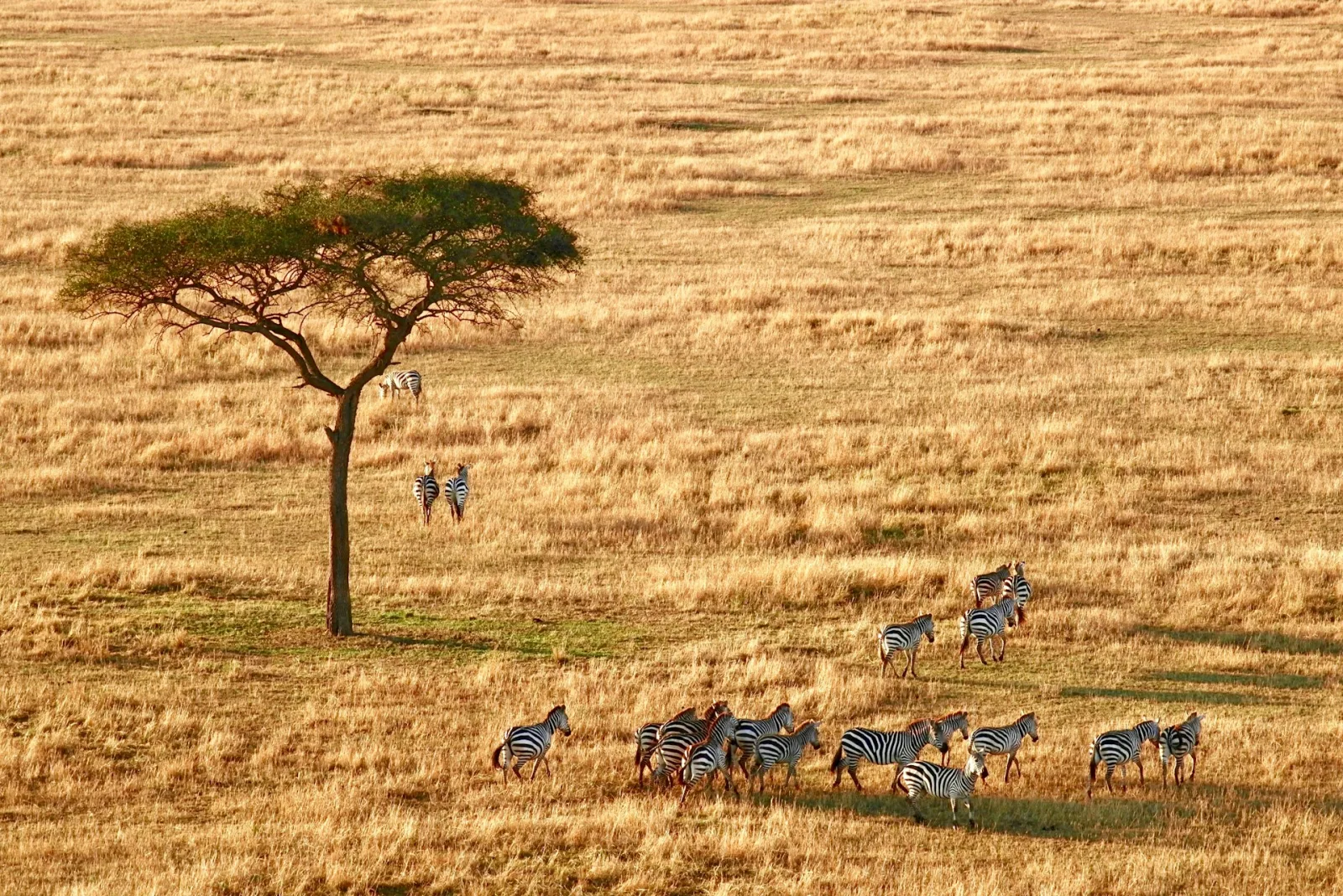
Have more questions? Our Tanzania travel experts can help plan your perfect safari and beach holiday.

Talk to a Tanzania Travel Expert →

Note: Information provided is subject to change. Verify visa requirements, exchange rates, park fees, and travel advisories before your trip. Prices are approximate and may vary based on season and lodge availability. Tanzania park fees are subject to annual government revisions.

About This Tanzania Travel Guide

This Tanzania travel guide covers everything Indian travelers need from visa requirements and safari logistics to local food, weather, and Zanzibar beach tips. Researched, regularly updated, and trusted by group tour planners and independent travelers.

Expert Curated Content

Every section — from Tanzania visa rules to Serengeti park fees — is verified by travel professionals with East African safari experience.

Regularly Updated Information

Tanzania travel costs, visa rules, and embassy details are reviewed and refreshed to reflect current conditions and park fee revisions.

Trusted by Indian Travelers

Used by group tour organizers, corporate travel planners, and independent travelers from India researching Tanzania itineraries and Zanzibar holidays.

Complete Tanzania Resource

One guide covering visa requirements, cost, flights, itinerary, food, culture, weather, shopping, and heritage — all with India-specific context and 2026 accuracy.

More Travel Guides

Explore Other Destinations

Plan Your Tanzania Safari & Zanzibar Trip from India

Fill out the enquiry form below and our travel experts will help you plan your Tanzania tour — visa, flights, lodges, and guided safaris.

Get assistance with visa, flight bookings, Serengeti safari lodges, Zanzibar beach transfers, and complete Tanzania packages.

Enquire About This Package