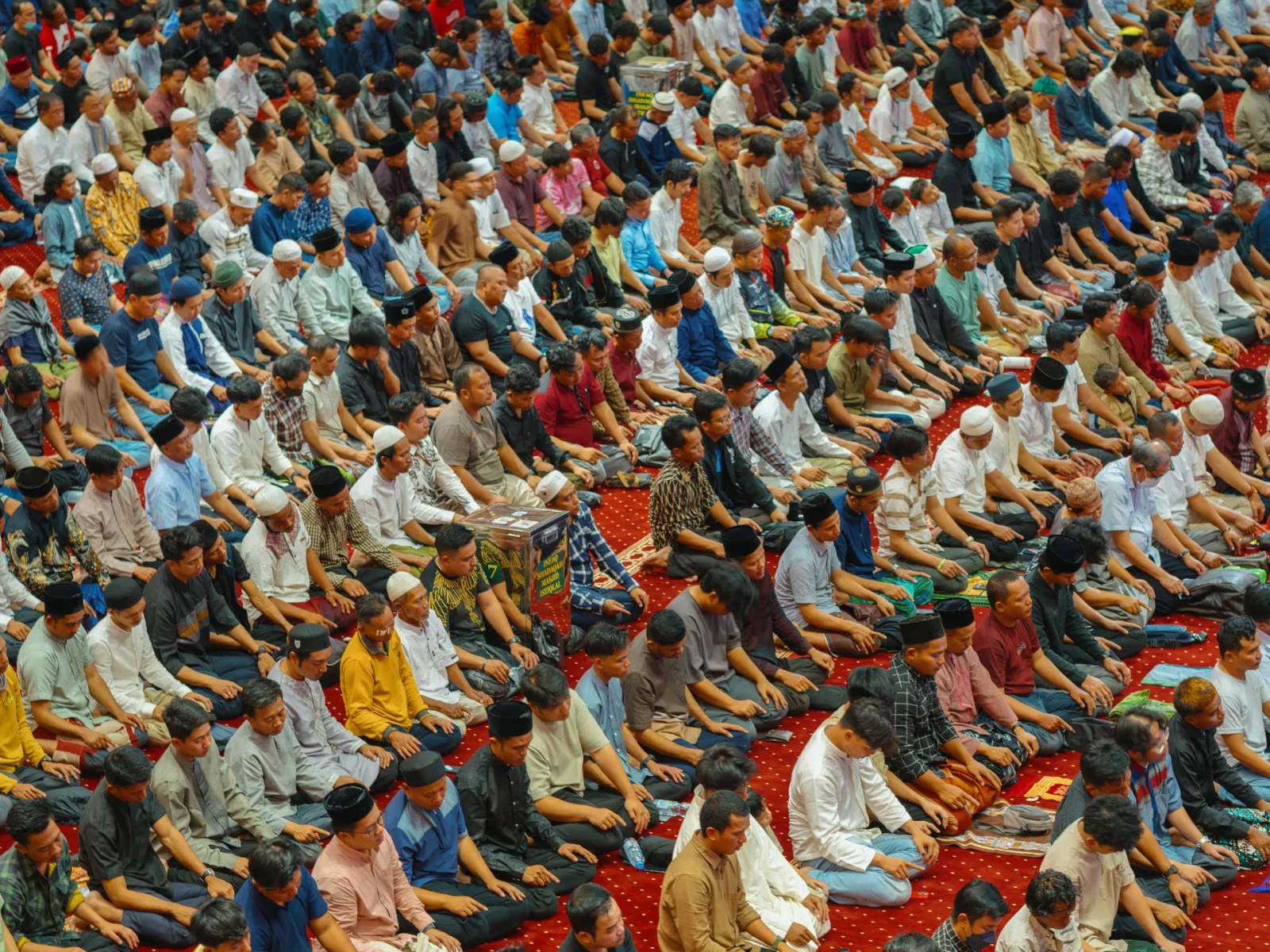
Ramadan Impact: Bali vs Java vs Sumatra for Indian Travelers
How Indonesia\'s diverse regions experience Ramadan — and what it means for your itinerary
Key insight: Indonesia is the world\'s largest Muslim-majority nation, but Bali is Hindu-majority. Regional differences significantly affect Ramadan travel experiences.
Bali (Hindu-Majority): Minimal Impact
Dining: Restaurants, warungs, and beach clubs operate normally; no public fasting expectations for tourists
Temples: Hindu temple visits unaffected; continue normal dress code (sarong required)
Nightlife: Bars, live music, and evening activities continue as usual
Cultural respect: While not required to fast, modest behavior appreciated in local villages
Indian traveler advantage: Bali offers the most relaxed Ramadan experience; ideal base for multi-island trips
Java & Sumatra (Muslim-Majority): Moderate Adjustments
Dining: Tourist hotels and international chains operate normally; some local warungs close until sunset
Prayer times: Mosques broadcast Adhan 5x daily; brief pauses in activity during prayer times
Shopping: Malls maintain hours; small shops may close briefly for Maghrib prayer (sunset)
Transport: Heavier traffic 1-2 hours before sunset as people rush home for Iftar
Cultural respect: Avoid eating/drinking in public during daylight in conservative neighborhoods
Indian traveler tip: Carry water discreetly; plan meals at hotels or tourist-area restaurants during daylight hours
Dining During Ramadan in Indonesia — Indian Traveler Guide
Where to eat, what to expect, and how to navigate meals respectfully during the holy month
Restaurant Availability by Location
Bali tourist zones (Seminyak, Ubud, Nusa Dua): Full dining options; no Ramadan restrictions for tourists
Jakarta hotels & malls: International restaurants operate normally; halal certification ubiquitous
Yogyakarta local areas: Some warungs close until sunset; hotel restaurants maintain full service
Remote islands (Gili, Nusa Penida): Limited options; confirm meal arrangements with accommodation in advance
Indian traveler tip: Book hotels with on-site dining for flexibility; carry snacks for day trips in conservative areas
Iftar Experiences for Tourists
Hotel Iftar buffets: Many 4-5★ hotels offer special Ramadan buffets showcasing Indonesian cuisine; open to tourists
Cultural centers: Some mosques and cultural venues welcome non-Muslim guests to observe or participate in Iftar
Timing: Iftar begins at sunset (Maghrib prayer); arrive 15-20 minutes early for seating
Etiquette: Dress modestly; observe quietly; ask before photographing worshippers
Indian Muslim travelers: Iftar offers meaningful cultural connection; coordinate with tour operator for authentic experiences
Vegetarian options: Indonesian Iftar menus include gado-gado, tempeh, fruit, and sweet treats — specify dietary needs when booking
Cultural Respect Guidelines for Non-Muslim Travelers During Ramadan
Simple, respectful practices that enhance your Indonesia experience during the holy month
Core principle: Respectful observation, not participation, is the goal for non-Muslim visitors during Ramadan.
Public Behavior Guidelines
Eating/drinking: Avoid in public during daylight in Muslim-majority areas; hotels and tourist zones exempt
Smoking: Refrain from public smoking during fasting hours in conservative neighborhoods
Attire: Dress modestly (cover shoulders/knees) when visiting mosques or local communities
Photography: Ask permission before photographing people praying or at religious sites
Volume: Keep music and conversations respectful near mosques during prayer times
Indian traveler advantage: Many Indian travelers are familiar with Islamic customs; apply similar respect principles
Positive Engagement Opportunities
Greetings: "Selamat menunaikan ibadah puasa" (Happy fasting) shows cultural awareness
Iftar invitations: Accept graciously if offered; it\'s a gesture of hospitality, not obligation to fast
Charity awareness: Ramadan emphasizes giving; consider supporting local community initiatives
Cultural learning: Ask respectful questions about Ramadan traditions; most Indonesians appreciate genuine curiosity
Indian Muslim connection: Shared Islamic heritage can foster meaningful conversations with local hosts
Prayer Times & Daily Rhythms During Ramadan in Indonesia
Understanding the five daily prayers and how they shape local schedules for tourist planning
The Five Daily Prayers
Subuh (Fajr): Dawn prayer (~4:30-5:30 AM); minimal tourist impact
Dzuhur (Dhuhr): Midday prayer (~12:00-1:00 PM); brief pause in some local businesses
Note: Ramadan dates depend on moon sighting and may vary by 1-2 days. Verify official announcements from Indonesian Ministry of Religious Affairs before travel. Cultural practices vary by region; observe local customs respectfully. Prices and availability subject to change during peak holiday periods.
About This Indonesia Ramadan Travel Guide
This Indonesia Ramadan guide helps Indian travelers navigate the Islamic holy month with practical advice on dining, cultural respect, prayer times, and Eid planning. Researched with input from Destination To Plan\'s Asia travel specialists and updated regularly for 2026 accuracy.
Expert Curated
Ramadan travel insights verified by professionals with on-ground Indonesia experience and Indian traveler feedback.
India-Focused
Guidance tailored for Indian travelers: vegetarian food tips, cultural etiquette for Hindus/Muslims, and regional travel strategies.
Regularly Updated
Ramadan dates, prayer time apps, and regional guidance reviewed annually for current accuracy.
Practical Guidance
Actionable tips for dining, cultural respect, prayer awareness, and Eid planning — not just generic religious descriptions.
Fill out the enquiry form below and our travel experts will help you plan your Indonesia tour during Ramadan — cultural sensitivity, dining arrangements, and seamless itineraries.
Get assistance with VOA/e-VOA, Ramadan-period hotel bookings, Bali vs Java itinerary planning, and complete Indonesia packages with cultural guidance.