Cherry blossoms framing traditional Korean hanok rooftops with Seoul skyline in soft morning light

Best Time to Visit South Korea from India

Month-by-month weather guide, festival timing, and seasonal travel tips for Indian travelers planning a Korea trip in 2026.

Updated June 2026
Written by Nisha Chaudhary — Asia Travel Specialist
Reviewed by Namrata Sethi · Asia Travel Reviewer
Last updated after reviewing:
  • Korea Meteorological Administration 2026 seasonal forecast update (March 2026)
  • Jeju Island cherry blossom festival dates confirmed for April 2026
  • Seoul autumn foliage peak prediction adjusted to late October 2026
South Korea Seasons at a Glance
Four distinct seasons with unique experiences for Indian travelers

Spring (April–June)

  • Temperature: 10–25°C in Seoul; milder in Jeju
  • Highlights: Cherry blossoms (April), canola flowers (Jeju), palace gardens in bloom
  • India Travel Note: Aligns with pre-monsoon window; ideal for outdoor temple & palace tours
  • Book Ahead: 3–4 months for April cherry blossom peak

Autumn (September–November)

  • Temperature: 10–22°C; crisp, clear skies
  • Highlights: Autumn foliage (mid-Oct), harvest festivals, hiking season
  • India Travel Note: Post-monsoon window; comfortable for long walking days & cultural tours
  • Book Ahead: 4 months for October foliage peak

Summer (June–August)

  • Temperature: 25–33°C; humid with monsoon rain (late Jun–Jul)
  • Highlights: Beaches (Busan, Jeju), summer festivals, longer daylight hours
  • India Travel Note: Similar humidity to Indian summers; carry rain protection & light fabrics
  • Consider: Focus on indoor attractions during heavy rain days

Winter (December–February)

  • Temperature: Seoul -6 to 4°C; Jeju 2–8°C; dry & crisp
  • Highlights: Ski resorts, winter festivals, Christmas markets, indoor K-culture
  • India Travel Note: Colder than North Indian winters; pack thermal layers but enjoy lower hotel rates
  • Consider: Indoor heating is excellent; layering strategy essential
Month-by-Month Weather & Travel Guide
Detailed monthly breakdown for Indian travelers planning South Korea trips
MonthSeasonSeoul TempJeju TempBest ForIndia Travel Note
JanWinter ❄️-6 to 4°C2–8°CSki resorts, winter festivalsIndia school holidays; book early for snow activities
FebWinter ❄️-4 to 6°C3–9°CLunar New Year culture, quiet travelShoulder window; lower hotel rates
MarEarly Spring1–13°C6–14°CEarly blossoms (Jeju), cultural toursPre-monsoon from India; mild weather
AprSpring ✓✓10–20°C12–19°CCherry blossoms, palace gardens, festivalsPeak season — book flights 3–4 months ahead
MaySpring ✓15–25°C16–23°CHiking, outdoor temples, coastal walksIdeal for extended outdoor itineraries
JunEarly Summer18–27°C20–26°CBeach prep, green landscapes, fewer crowdsPre-monsoon; good value window
JulMonsoon 🌧️22–30°C, humid24–29°C, rainyIndoor museums, shopping, K-cultureHeavy rain possible; plan flexible indoor days
AugLate Monsoon23–31°C, humid25–30°C, typhoon riskBeaches (if weather permits), summer festivalsIndia summer holidays; book coastal stays early
SepAutumn ✓17–26°C19–25°CClear skies, hiking, Chuseok cultural experiencesPost-monsoon; excellent for photography
OctAutumn ✓✓10–21°C14–21°CAutumn foliage, festivals, comfortable touringPeak season — book 4 months ahead for foliage
NovLate Autumn3–14°C8–16°CQuiet travel, cultural sites, early winter prepShoulder season; good deals on hotels
DecWinter / Lights-3 to 6°C4–10°CChristmas markets, winter illuminations, spaIndia school holidays; festive Seoul experiences

Note: Temperatures are average ranges. Mountain areas (e.g., Seoraksan) can be 5–10°C colder. Always check Korea Meteorological Administration forecasts before travel.

Seasonal Festivals & Events for Indian Travelers
Plan your trip around Korea's most vibrant cultural celebrations

Spring Festivals (Mar–May)

  • Jinhae Gunhangje (Early April) — Korea's largest cherry blossom festival, 2M+ visitors
  • Yeouido Spring Flower Festival (Mid-April, Seoul) — Cherry tunnel along Han River
  • Jeju Canola Flower Festival (April) — Golden fields + coastal scenery
  • Lotus Lantern Festival (May, Seoul) — Buddhist lantern parade before Buddha's Birthday

Autumn Festivals (Sep–Nov)

  • Seoul International Fireworks Festival (Oct) — Han River spectacular
  • Andong Mask Dance Festival (Oct) — Traditional performances & cultural immersion
  • Gyeongju Cultural Festival (Oct) — Ancient Silla heritage celebrations
  • Kimjang Season (Nov) — Participate in traditional kimchi-making (cultural experience)

Pro Tip: Festival dates shift slightly each year based on weather. Verify exact dates on Visit Korea 2–3 months before travel. Book hotels near festival venues early.

Seasonal Packing Tips for Indian Travelers
What to pack for South Korea's four distinct seasons
  • Spring/Autumn (Shoulder Seasons): Light layers, comfortable walking shoes, light jacket, umbrella. Temperatures shift quickly; layering is key.
  • Summer: Breathable cotton/linen fabrics, rain jacket or compact umbrella, sunscreen, sunglasses. Humidity is high; quick-dry clothing recommended.
  • Winter: Thermal base layers, insulated coat, scarf, gloves, warm socks. Indoor heating is strong; easy-to-remove outer layers help with temperature transitions.
  • All Seasons: Universal power adapter (Type C/F), portable power bank, comfortable shoes for extensive walking, translation app offline pack.

Planning a South Korea trip for a specific season? Get personalized itinerary advice and seasonal package options.

Get Seasonal South Korea Package →
Frequently Asked Questions — Best Time to Visit South Korea
Quick answers for Indian travelers planning seasonal trips
1What is the best month to visit South Korea from India?
April and October are the best months. April offers cherry blossoms and mild 10–20°C weather. October delivers stunning autumn foliage with crisp 10–21°C temperatures. Both avoid monsoon and extreme cold.
2When is cherry blossom season in South Korea?
Cherry blossoms peak in early-to-mid April in Seoul, late March in Jeju Island. Book flights and hotels 3–4 months ahead for this peak season. Festivals run late March to mid-April depending on region.
3Is South Korea good to visit during monsoon?
Late June to July is monsoon season with heavy rain and humidity. Indoor attractions (palaces, museums, shopping) remain accessible. Coastal areas and hiking are less ideal. Consider Seoul-focused itineraries during this window.
4What is the weather like in South Korea in winter?
Winter (Dec–Feb) is cold and dry: Seoul -6 to 4°C, Jeju 2–8°C. Ideal for ski resorts, winter festivals, and indoor K-culture experiences. Pack thermal layers, but enjoy lower hotel rates and fewer crowds.
5Can Indian tourists visit South Korea in summer?
Yes, but expect hot, humid weather (25–33°C) with occasional typhoons in August. Summer offers vibrant festivals, beach access in Busan/Jeju, and longer daylight hours. Carry light clothing and rain protection.
6When is autumn foliage peak in South Korea?
Autumn foliage peaks mid-to-late October in Seoul and early November in southern regions. Temperatures are pleasant (10–21°C), skies are clear, and cultural festivals are abundant. Book 4 months ahead for this peak window.
7What festivals happen in South Korea during spring?
Spring festivals include Jinhae Gunhangje (cherry blossoms, April), Yeouido Spring Flower Festival (Seoul, April), and Jeju Canola Flower Festival (April). These align with ideal weather for Indian travelers.
8Is it cheaper to visit South Korea in off-season?
Yes. Winter (Jan–Feb) and late monsoon (July) offer 20–40% lower hotel rates and fewer crowds. Flights may also be cheaper. Trade-off: colder weather or rain, but indoor attractions remain excellent.
9What should I pack for South Korea by season?
Spring/Autumn: Light layers, comfortable walking shoes, light jacket. Summer: Breathable fabrics, rain jacket, umbrella. Winter: Thermal base layers, insulated coat, scarf, gloves. Indoor heating is strong year-round.
10How does South Korea weather compare to India?
South Korea has four distinct seasons vs. India's tropical climate. Winters are significantly colder (Seoul can reach -10°C). Summers are humid but less extreme than North India. Spring and autumn offer the most India-friendly temperatures.
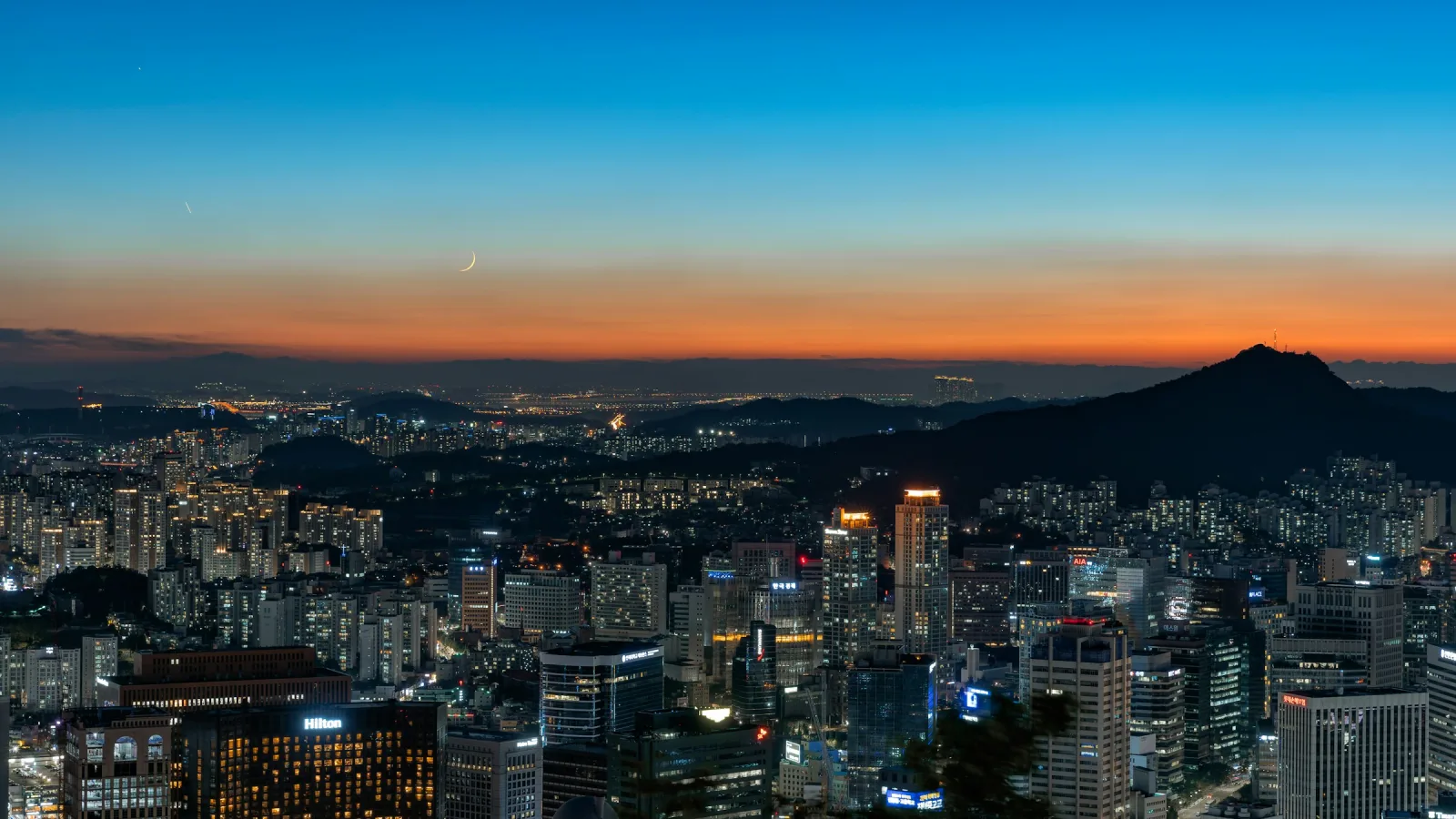
Note: Weather patterns can vary year-to-year. Always check the Korea Meteorological Administration for real-time forecasts before travel. Festival dates may shift; verify on Visit Korea. For comprehensive planning, refer to our South Korea Travel Guide.

About This South Korea Timing Guide

Accurate, India-focused seasonal planning for South Korea travel. Covers month-by-month weather, festival timing, and packing tips verified for 2026. Updated quarterly for climate and event changes.

More Travel Guides

Explore Other Destinations

Plan Your South Korea Trip from India

Fill out the enquiry form below and our travel experts will help you plan your South Korea tour — K-ETA/visa, flights, hotels, and guided tours.

Get assistance with K-ETA application, direct flight bookings, Seoul & Jeju hotels, Busan transfers, and complete South Korea packages.

Enquire About This Package