Vibrant Chinese market stall with colorful silk scarves, porcelain tea sets, and traditional crafts displayed for tourists

China Shopping Guide
for Indian Travelers 2026

Best markets, authentic souvenirs, bargaining strategies, payment tips & what to buy in Beijing, Shanghai, Xi\'an for confident shopping in China.

Written by Nisha Chaudhary — Asia Travel Specialist
Reviewed by Namrata Sethi · Asia Travel Reviewer
Last updated after reviewing:
  • China tourist market operating hours & payment method updates for foreign travelers (Jan 2026)
  • Alipay foreign card transaction limits at Chinese markets & souvenir shops (Feb 2026)
  • Chinese customs export rules for antiques, tea & traditional crafts for Indian tourists (Mar 2026)

Updated: April 2026

China Shopping Guide for Indian Travelers
Practical, India-focused guidance for shopping in China — from authentic souvenirs and bargaining strategies to payment tips and export rules for 2026.

China offers incredible shopping opportunities for Indian travelers: exquisite silk, delicate porcelain, premium tea, traditional crafts, and unique cultural items. However, navigating markets, avoiding counterfeits, and understanding bargaining culture requires preparation. This guide provides actionable shopping strategies for Indian tourists: best souvenirs, trusted markets, bargaining techniques, payment setup, and customs guidance for confident, enjoyable shopping experiences.

Key Update 2026: Alipay now supports direct international Visa/Mastercard linkage with improved transaction limits for market purchases. Chinese customs export rules for antiques and traditional crafts have been clarified for foreign travelers.

← Back to China Travel Guide for complete visa, cost, and itinerary planning.

Best Souvenirs to Buy in China for Indian Travelers

Authentic Chinese Souvenirs

  • Chinese Tea: Longjing (Dragon Well), Tieguanyin, Pu-erh — buy from reputable tea shops with export packaging
  • Silk Products: Scarves, pajamas, embroidery — verify 100% silk label; Hangzhou is famous for quality silk
  • Porcelain/Ceramics: Jingdezhen porcelain, blue-and-white ware — check for export certificates for antiques
  • Calligraphy Sets: Brushes, ink stones, rice paper — ideal for cultural enthusiasts
  • Chinese Knots: Decorative red knots symbolizing luck — affordable, lightweight souvenirs
  • Jade Accessories: Pendants, bracelets — buy from certified shops; avoid street vendors for high-value items
  • Traditional Medicines: Ginseng, goji berries — verify customs clearance rules for India before purchasing
  • Replica Antiques: Terracotta warrior replicas, bronze vessels — ensure marked as replicas for customs

Pro Tip: Buy tea and silk from state-owned Friendship Stores or reputable department stores for authenticity guarantees.

Items to Avoid

  • Counterfeit branded goods: Fake luxury bags, watches — customs seizure risk in India
  • Unverified traditional medicines: May contain undisclosed ingredients; safety concerns
  • Ivory or endangered species products: Illegal internationally; severe penalties
  • Antiques without export certificates: Chinese law restricts export of genuine antiques
  • Overly cheap "silk" or "jade": Often synthetic materials; verify authenticity before purchase
  • Political or sensitive items: Avoid items with controversial imagery or messaging
Best Shopping Markets in China for Indian Travelers

Trusted Markets by City

  • Beijing — Panjiayuan Antique Market: Weekend market with crafts, calligraphy, replicas; bargaining expected; open Sat–Sun 8 AM–6 PM
  • Beijing — Wangfujing Street: Mix of modern malls and traditional shops; fixed prices in department stores
  • Xi\'an — Muslim Quarter: Vibrant street market with crafts, snacks, souvenirs; bargaining common; evening atmosphere best
  • Shanghai — Yuyuan Bazaar: Traditional architecture with tea, silk, crafts; tourist-friendly with English signage
  • Hangzhou — Hefang Street: Historic street with silk, tea, local crafts; good for authentic Hangzhou silk
  • Shanghai — AP Plaza (Science & Technology Museum): Multi-floor market with electronics, souvenirs; aggressive bargaining required
  • Tip: Visit markets in morning for best selection; avoid last-minute shopping at airports (higher prices)

Pro Tip: Ask your hotel concierge for market recommendations and current bargaining norms — local insights enhance shopping success.

See Beijing city guide for specific market locations →

Bargaining Strategies for Indian Travelers in China

Effective Bargaining Techniques

  • Start low: Offer 30–40% of asking price at markets; vendors expect negotiation
  • Be polite: Smile, use basic Mandarin greetings ("Nǐ hǎo", "Xièxiè"); friendly tone yields better results
  • Use calculator: Show numbers on phone calculator if language barrier exists
  • Walk away: If price doesn\'t drop, politely walk away — vendor may call you back with better offer
  • Buy in bulk: Request discount for multiple items; vendors often offer 10–20% off for 3+ items
  • Know when not to bargain: Fixed-price stores, supermarkets, department stores, and restaurants do not negotiate
  • Carry small bills: Having exact change helps finalize deals and avoids "no change" excuses

Price Reference Guide

  • Silk scarf: Market price ¥80–¥200 (₹920–₹2,300); department store ¥200–¥500 (₹2,300–₹5,750)
  • Tea set (basic): Market ¥100–¥300 (₹1,150–₹3,450); quality shop ¥300–¥800 (₹3,450–₹9,200)
  • Chinese knot: ¥10–¥50 (₹115–₹575) — usually fixed price, minimal bargaining
  • Jade pendant (small): Market ¥200–¥800 (₹2,300–₹9,200); certified shop ¥800–¥3,000+ (₹9,200–₹34,500+)
  • Calligraphy set: ¥150–¥500 (₹1,725–₹5,750) depending on brush quality
  • Tip: Research approximate prices online before shopping to set realistic bargaining targets
Payment & Currency Tips for Shopping in China

Alipay & Payment Setup

  • Alipay Setup: Link international Visa/Mastercard before arrival; enable cross-border transactions via Indian bank app
  • Transaction Limits: ~¥2,500–¥6,000 per payment without local Chinese bank binding
  • Fees: Alipay charges 3% on transactions above ¥200; Indian banks may add 1–3% cross-border fees
  • Cash Backup: Carry ¥500–¥1,000 for small vendors or network outages
  • Receipts: Request printed receipt (fāpiào) for high-value purchases; digital receipts auto-save in Alipay
  • Currency Exchange: Exchange USD to CNY at official banks or airport counters; avoid street money changers

Pro Tip: For high-value purchases (silk, jade, antiques), use credit card for buyer protection and easier dispute resolution if needed.

See Alipay setup guide for payment tips →

Export Rules & Customs for Indian Travelers

China Export Guidelines

  • Antiques: Items over 100 years old require export certificate; replicas must be clearly marked
  • Traditional medicines: Some herbs restricted; check Indian customs rules before purchasing
  • Tea & food items: Generally permitted; declare agricultural products at Indian customs
  • Art & crafts: No restrictions for modern items; keep receipts for high-value purchases
  • Shipping: Major markets offer international shipping via China Post, DHL, FedEx; expect ¥200–¥800 (₹2,300–₹9,200) shipping costs
  • Customs declaration: Declare purchases over ₹50,000 at Indian customs; keep receipts for valuation

Indian Customs Considerations

  • Duty-free allowance: ₹50,000 for Indian residents returning from abroad; declare purchases above this limit
  • Prohibited items: Ivory, endangered species products, certain traditional medicines — avoid purchasing
  • Documentation: Keep receipts, export certificates, and shipping documents for customs clearance
  • Tea & food: Declare agricultural products; some items may require phytosanitary certificates
  • High-value items: Silk, jade, porcelain over ₹20,000 may attract customs duty — factor into budget

Planning a shopping-focused China trip? Our specialists coordinate guided market tours, authentic souvenir recommendations, and export/customs guidance.

Get China Shopping Tour Package →
Frequently Asked Questions — Shopping in China for Indians
1What are the best things to buy in China as souvenirs for Indian travelers?
Top souvenirs: Chinese tea (Longjing, Tieguanyin), silk products (scarves, pajamas), porcelain/ceramics, calligraphy sets, Chinese knots, jade accessories, traditional medicines (with customs clearance), and replica antiques (verify export rules). Avoid counterfeit branded goods.
2Where should Indian travelers shop in China for authentic souvenirs?
Best markets: Beijing\'s Panjiayuan Antique Market, Xi\'an\'s Muslim Quarter, Shanghai\'s Yuyuan Bazaar, Hangzhou\'s Hefang Street. For authentic goods, visit state-owned Friendship Stores or reputable department stores like Wangfujing Department Store.
3How do I bargain in Chinese markets as an Indian traveler?
Bargaining is expected at markets but not in malls. Start at 30–40% of asking price, be polite and smile, walk away if price doesn\'t drop (vendor may call you back). Use a calculator to show numbers if language is a barrier. Never bargain at fixed-price stores or supermarkets.
4Can I use Alipay or Indian credit cards at Chinese markets?
Yes. Alipay supports direct linkage of international Visa/Mastercards. Enable "Cross-border transactions" via your Indian bank first. Most established vendors accept Alipay; smaller street stalls may prefer cash. Carry ¥500–¥1,000 cash backup for small purchases.
5What should Indian travelers avoid buying in China?
Avoid: counterfeit branded goods (customs seizure risk), unverified traditional medicines (safety concerns), ivory or endangered species products (illegal), antiques without export certificates, and overly cheap "silk" or "jade" (often synthetic).
6Are Chinese markets safe for Indian tourists?
Generally yes. Major tourist markets are well-monitored with visible security. Standard precautions apply: watch valuables in crowds, avoid isolated stalls at night, use Alipay for traceable payments, and keep receipts for high-value purchases.
7What are typical prices for souvenirs in China for Indian travelers?
Budget souvenirs: ¥20–¥100 (₹230–₹1,150) — keychains, postcards, small crafts. Mid-range: ¥100–¥500 (₹1,150–₹5,750) — silk scarves, tea sets, calligraphy brushes. High-end: ¥500–¥2,000+ (₹5,750–₹23,000+) — quality silk, porcelain, jade. Bargaining can reduce prices 30–50% at markets.
8Can I ship souvenirs from China to India?
Yes. Major markets and department stores offer international shipping via China Post, DHL, or FedEx. Expect shipping costs of ¥200–¥800 (₹2,300–₹9,200) depending on weight and destination. Declare items properly for Indian customs clearance upon arrival.
9Does Destination To Plan assist with shopping recommendations for China trips?
Yes. Our China packages include guided market tours, authentic souvenir recommendations, bargaining assistance, and export/customs guidance. Contact us for personalised shopping itineraries in Beijing, Xi\'an, Shanghai, or Hangzhou.
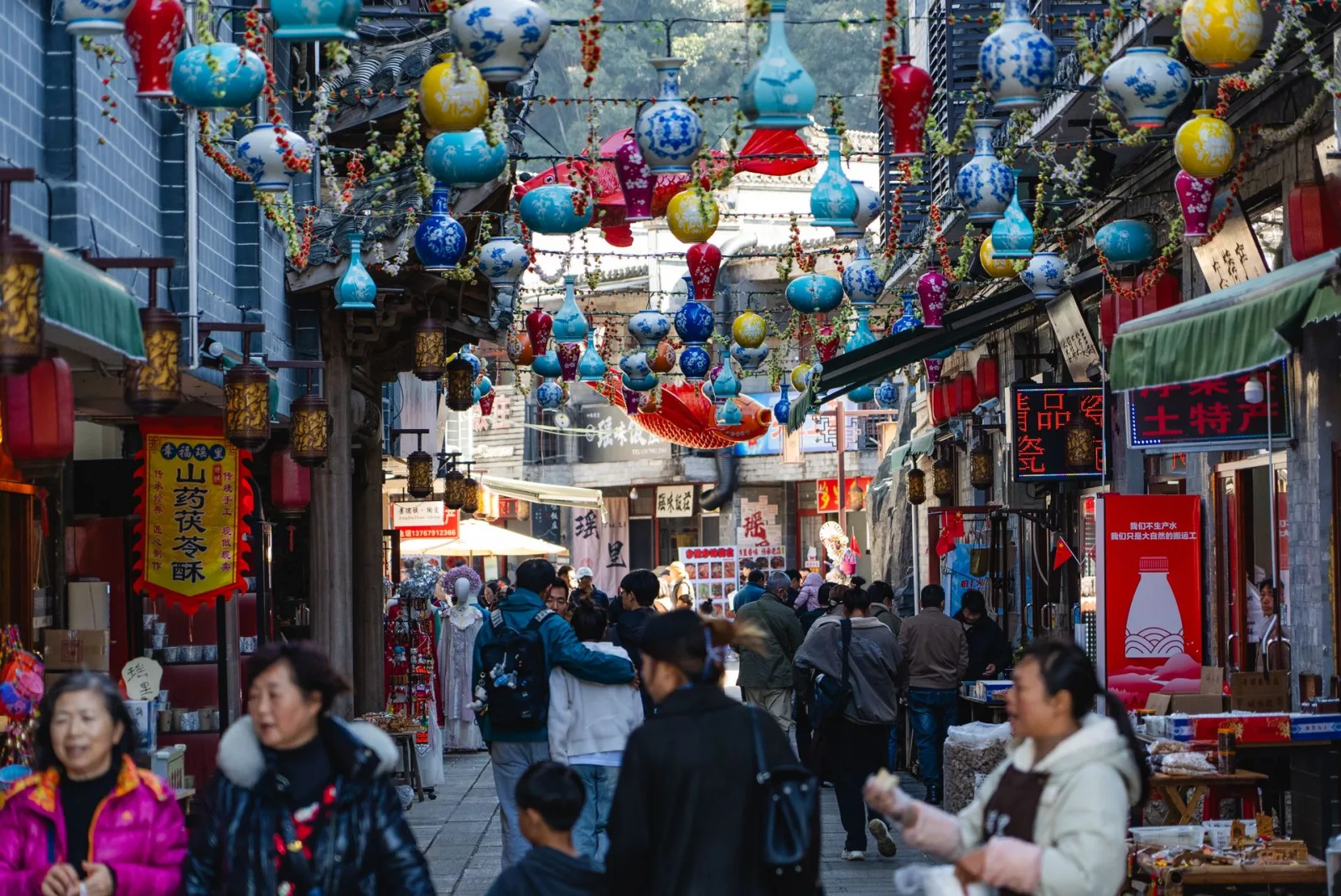
Disclaimer: Market operating hours, vendor policies, and souvenir availability may vary by location and season. Export rules, customs regulations, and Alipay transaction limits are subject to change. Always verify current requirements via official channels before travel. Destination To Plan provides guidance only; actual shopping experiences depend on real-time vendor conditions and individual bargaining skills.

Need a China Shopping Itinerary?

Fill out the enquiry form below and our China specialists will design a shopping-focused itinerary with guided market tours, authentic souvenir recommendations, and export guidance.

Get personalised shopping routing for Beijing, Xi'an, Shanghai, or Hangzhou — with bargaining tips, Alipay setup assistance, and customs clearance guidance.

Enquire About This Package