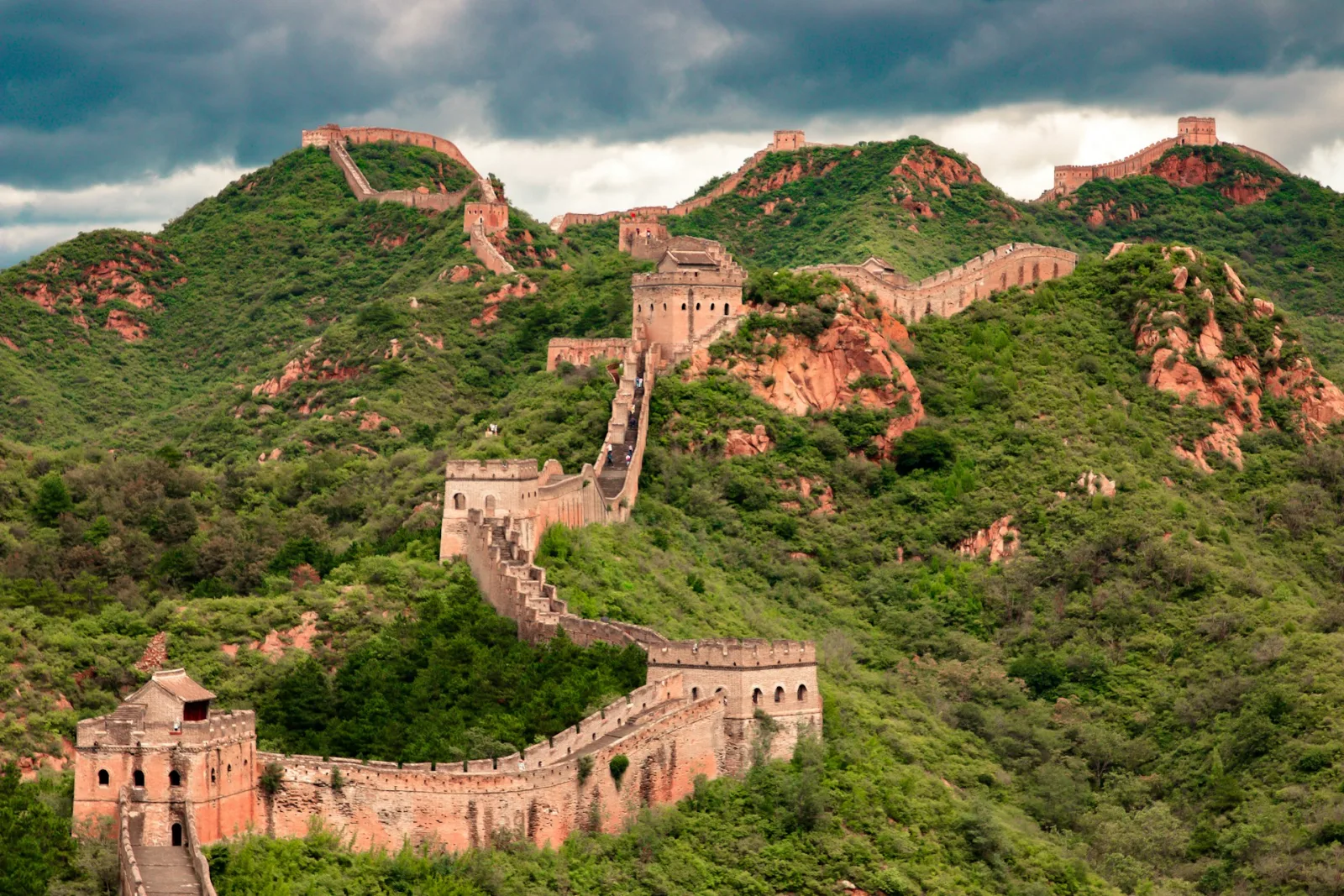
Sunlight breaking over the Great Wall of China winding along mountain ridges near Beijing

China Travel Guide
for Indian Travelers

Visa, cost, itinerary & digital payment tips — your complete guide to planning a trip to China from India in 2026.

Updated for 2026 Travelers
Written by Nisha Chaudhary — Asia Travel Specialist
Reviewed by Namrata Sethi · Asia Travel Reviewer
Last updated after reviewing:
  • China L-visa online portal rollout & Mumbai/Delhi processing times (Jan 2026)
  • Alipay/WeChat Pay direct foreign card linkage update for Indian travelers
  • High-speed rail expansion to Zhangjiajie & Tibet tourist corridors 2026

Last updated: April 2026

China Trip Cost from India (Detailed Breakdown)
Realistic cost breakdown for flights, visa, hotels, food, and total budget for 2026

Cost Breakdown 2026

  • Return Flights: ₹45,000 – ₹75,000
  • Visa (L Visa) Fee: ₹4,000 – ₹5,500 (single entry)
  • Hotels (per night): ₹3,500 – ₹9,000 (3–4 star)
  • Food (per day): ₹1,500 – ₹4,000
  • Local Transport/HSR (per day): ₹1,000 – ₹3,500
  • Activities & Entry Fees: ₹8,000 – ₹18,000 total
  • Travel Insurance: ₹1,000 – ₹2,500
  • Total (7–10 days): ₹80K – ₹1.8L per person

China offers excellent value on-ground, especially with efficient high-speed rail and affordable local dining. Flight costs remain moderate compared to long-haul destinations.

Best Departure Cities

  • Delhi (DEL) — Most direct options to Beijing & Shanghai via Air China & Hainan Airlines
  • Mumbai (BOM) — Excellent connections via Air India, China Eastern, or connecting via Dubai/Bangkok
  • Bangalore (BLR) — Usually 1 layover via Bangkok or Singapore
  • Chennai (MAA) — Routes via Kuala Lumpur or Bangkok
  • Hyderabad (HYD) → Connecting hubs preferred, 2 layovers common

Delhi and Mumbai provide the highest frequency of direct and single-stop flights to Beijing (PEK) and Shanghai (PVG).

Ready to plan your China trip? Let us handle visa guidance, flights, hotels, and guided heritage tours.

View China Tour Packages →
Flight Routes from India to China
Flights from India to China take 6–14 hours. Direct routes are available from Delhi and Mumbai to major Chinese hubs.

Delhi to Beijing / Shanghai

  • Route 1 (Direct): DEL → PEK (Air China, ~6.5 hrs)
  • Route 2 (Direct): DEL → PVG (China Eastern/Hainan, ~8 hrs)
  • Route 3 (Connecting): DEL → BKK → PEK (Thai Airways, ~11 hrs)
  • Route 4 (Connecting): DEL → DXB → PEK (Emirates, ~14 hrs)
  • Duration: 6.5–14 hours
  • Price Range: ₹45,000 – ₹70,000

Mumbai to Beijing / Shanghai

  • Route 1 (Direct): BOM → PVG (China Southern/Air China, ~7.5 hrs)
  • Route 2 (Connecting): BOM → KUL → PEK (Malaysia Airlines, ~10.5 hrs)
  • Route 3 (Connecting): BOM → SIN → PVG (Singapore Airlines, ~11 hrs)
  • Route 4 (Connecting): BOM → CAN → Domestic HSR (China Southern, ~9.5 hrs)
  • Duration: 7.5–12 hours
  • Price Range: ₹50,000 – ₹85,000

Note: Beijing Capital (PEK) and Beijing Daxing (PKX) handle international arrivals. Shanghai uses Pudong (PVG). Domestic high-speed rail connects these hubs seamlessly. Check Asia travel guides for regional routing tips.

China vs Japan Cost for Indian Travelers
How does China compare to Japan for Indian tourists? Here is a practical cost comparison for 2026.
Expense China (7 days) Japan (7 days)
Flights₹45K – ₹75K₹55K – ₹90K
Visa₹4K – ₹5.5K (L Visa)₹3.5K – ₹4.5K (e-Visa/Embassy)
Hotels/night₹3.5K – ₹9K₹8K – ₹18K
Food/day₹1.5K – ₹4K₹3K – ₹8K
Local Transport₹1K – ₹3.5K/day (HSR + Metro)₹2.5K – ₹6K/day (JR Pass + Metro)
Total Trip₹80K – ₹1.8L₹1.2L – ₹2.8L
Flights
China₹45K – ₹75K
Japan₹55K – ₹90K
Visa
China₹4K – ₹5.5K
Japan₹3.5K – ₹4.5K
Hotels/night
China₹3.5K – ₹9K
Japan₹8K – ₹18K
Food/day
China₹1.5K – ₹4K
Japan₹3K – ₹8K
Total Trip
China₹80K – ₹1.8L
Japan₹1.2L – ₹2.8L

China offers significantly lower on-ground costs for hotels, dining, and domestic high-speed rail compared to Japan. The overall trip budget typically runs 30–35% lower.

Best Time to Visit China from India
China spans multiple climate zones. Timing depends heavily on your destination and crowd tolerance.
Month China Season Beijing Shanghai/South Zhangjiajie/West India Travel Note
JanWinterFreezing, -5 to 5°CCool, damp, 2–10°CChilly, misty mountainsBudget season, low crowds
FebWinter / CNYCold, festival closuresWet, chillyLimited accessChinese New Year — avoid if possible
MarEarly SpringWarming, 5–15°CMild, blossoms beginRainy season startsShoulder window, book early
AprSpring ✓10–22°C, clear skiesPleasant, 14–22°CLush green, idealExcellent for photography tours
MaySpring ✓✓16–28°C, peak comfortWarm, humid 20–27°CBest hiking weatherAvoid first week (Labour Day holiday)
JunEarly SummerHot, 20–32°CPlum rains, humidHot, heavy rainfallPre-monsoon school hols from India
JulSummer PeakHot, humid, 25–35°CVery hot, 30–35°CHot, frequent stormsPeak domestic crowds, high prices
AugLate SummerHot, lingering heatWarm, typhoon riskClearer, post-monsoonIndian summer holidays end
SepAutumn ✓15–26°C, crisp airMild, comfortableBest visibility, clearPost-monsoon window, excellent
OctAutumn ✓✓10–22°C, golden foliage16–24°C, idealStunning autumn coloursAvoid first week (Golden Week)
NovLate AutumnCooling, 4–15°CChilly, 10–18°CFoggy, coolerLow season, quiet travel
DecWinterCold, dry, 0–8°CChilly, dampCold, scenic snowBudget window, fewer flights
7-Day China Itinerary for Indian Travelers
A perfect one-week China itinerary covering Beijing's imperial history, Xi'an's ancient wonders, and natural landscapes.

Day-by-Day Plan

  • Day 1: Arrive in Beijing — rest, explore Qianmen Street & Tiananmen Square at sunset
  • Day 2: Mutianyu Great Wall section (less crowded), return via scenic chairlift
  • Day 3: Forbidden City, Temple of Heaven, evening Peking Duck dinner
  • Day 4: High-speed train to Xi’an (4 hrs) — Terracotta Warriors Museum, return to city wall
  • Day 5: Muslim Quarter street food, Big Wild Goose Pagoda, Bell & Drum Towers
  • Day 6: Fly to Zhangjiajie — Wulingyuan Scenic Area, Avatar Hallelujah Mountain, glass bridge
  • Day 7: Tianmen Mountain cable car & "Heaven's Gate" — fly back to Beijing/Shanghai, depart

Planning Notes

  • High-speed rail: Book G-trains 10–15 days early via Trip.com. Passport is mandatory for boarding.
  • Digital payment: Set up Alipay or WeChat Pay and link your Indian Visa/Mastercard before departure.
  • SIM/Connectivity: Roaming is blocked for many Western apps. Use eSIM with data or purchase a local China Unicom SIM at the airport.
  • Language: Mandarin is standard. English is limited outside major hotels. Download offline translation packs.
  • Vegetarians: Specify "no meat stock, no lard" (Qing zhen / Su shi) to avoid hidden animal fats.
  • Book ahead: Forbidden City & Terracotta Army require timed online tickets. Slots sell out weeks in advance.

Want a hassle-free China trip? Our packages include L-visa guidance, high-speed rail coordination, and guided cultural tours.

Book China Tour Package →
China Visa for Indians — Complete Guide & Travel Essentials
Essential information for Indian travelers — from L-visa requirements and time zones to Alipay setup and local etiquette.

Tip: Link an international Visa/Mastercard to Alipay immediately upon arrival. It replaces cash completely for 95% of transactions.

China L Visa for Indians — 2026 Update

Update (2026): China continues to streamline L-visa processing via COVA online portal. Hainan Island remains 30-day visa-free via approved travel agencies. Mainland travel requires a standard L-visa. Source: Embassy of China in India.

  • Visa Type: L Visa (Tourist) — single, double, or multiple entry options
  • Processing Centres: Chinese Visa Application Service Centres (CVASC) in Mumbai, Delhi, Kolkata, Chennai
  • Documents: Passport (6+ months, 2 blank pages), printed COVA form, passport photo, flight itinerary, hotel bookings, invitation letter (if applicable), bank statements
  • Processing time: 4–7 working days (express 2–3 days available at higher cost)
  • Fingerprint Requirement: Mandatory biometric collection during submission
  • Validity: Usually 90 days from issue, with 30-day permitted stay per entry
CLICK TO KNOW MORE ABOUT VISA DOCUMENTATION & FEES

Time Zone

China uses China Standard Time (CST), which is UTC+8. It is 2.5 hours ahead of Indian Standard Time (IST). China abolished regional time zones and does not observe daylight saving time.

  • China Standard Time (CST): UTC+8
  • China is 2.5 hours ahead of Indian Standard Time (IST)
  • When it is 12:00 PM in Beijing, it is 9:30 AM in New Delhi
  • No daylight saving time observed nationwide
  • Business hours: 9:00 AM – 6:00 PM CST
  • Banks typically operate 9:00 AM – 5:00 PM
  • Shopping malls open 10:00 AM – 10:00 PM
  • Dinner typically starts 6:30 PM – 8:00 PM

Country Code & Internet

To call China from India, use +86. Note that many international apps (Google, WhatsApp, Instagram) are blocked by the Great Firewall. Plan your connectivity strategy.

  • International Dialing Code: +86
  • Emergency services: 110 (Police), 120 (Ambulance), 119 (Fire)
  • Roaming SIMs/eSIMs recommended for uninterrupted access
  • Local providers: China Mobile, China Unicom, China Telecom
  • Free Wi-Fi available in hotels, airports, and malls (requires passport scan)
  • WeChat is essential for communication, payments, and mini-apps
  • Translation apps with offline Mandarin packs highly recommended

Socket & Plugs

China uses Type A, C, and I electrical outlets at 220V/50Hz. Indian plug compatibility varies by pin configuration.

  • Type A, C, I — 220V, 50Hz
  • Indian 2-pin (Type C/Mix) plugs often fit directly into Type A/C sockets ✅
  • Indian 3-pin (Type D) plugs require a universal travel adapter ❌
  • Most modern hotels provide adapters at reception
  • High-speed trains feature universal power sockets at every seat row
  • Voltage is compatible with most Indian mobile/laptop chargers (100–240V)

Indian Embassy in China

The Embassy of India in Beijing and Consulates in Shanghai, Guangzhou, and Chongqing assist Indian nationals.

  • Beijing Embassy: 17, Ritan Dong Lu, Jianguomenwai, Beijing 100600
  • Contact Beijing: +86 10 8531 2531
  • Shanghai Consulate: +86 21 5288 2186
  • Emergency (24/7): +86 10 8531 2531
  • Working Hours: Mon–Fri, 9:00 AM – 1:00 PM & 2:00 PM – 5:00 PM
  • Services: passport renewal, OCI, emergency certificates, consular assistance
  • Register on the MADAD portal before travel for real-time updates

China Embassy in India

The Embassy of China in New Delhi handles diplomatic affairs. Visa submissions are processed exclusively through CVASC centres.

  • Embassy New Delhi: 50D, Shantipath, Chanakyapuri, New Delhi 110021
  • Contact Delhi: +91 11 2411 2065 / 2419 8600
  • CVASC Mumbai: Bandra Kurla Complex, Andheri East
  • CVASC Delhi: Rajouri Garden / Chanakyapuri vicinity
  • Working Hours: Mon–Fri, 9:00 AM – 4:00 PM
  • Important: Always book CVASC appointments online before visiting

Car Driving Orientation

Right-Hand Drive (Same as India)

  • China drives on the right side of the road, identical to India
  • International Driving Permit (IDP) is required alongside home license
  • Speed limits: 40–60 km/h urban, 100–120 km/h highways
  • Seat belts mandatory for all occupants
  • Zero tolerance for drink driving; strict traffic enforcement via cameras
  • High-speed rail is strongly recommended over self-driving between cities
  • Car rental available in major cities with international agency support
  • GPS navigation works best with Amap (Chinese) or Baidu Maps

App Based Taxi

DiDi, Alipay Transport, & WeChat Mini Programs

  • DiDi Chuxing is China's primary ride-hailing platform (English interface available)
  • Alipay and WeChat Pay feature built-in transport mini-programs
  • Payment is seamless once your international card is linked
  • Average airport to city fare: ¥80–¥150 depending on distance
  • Official taxis (green/red) use meters and accept digital payment
  • Metro systems in Beijing, Shanghai, and Xi'an are highly efficient & English-friendly
  • Use Trip.com or official 12306 app for intercity train bookings

Need help with China visa & itinerary planning? Our team handles documentation, HSR bookings, and cultural tour coordination.

China Visa & Travel Assistance →
China Culture, Language & Local Customs
Understand Mandarin basics, dining etiquette, and regional customs to navigate China respectfully.

Official Language

Mandarin Chinese (Putonghua) — Official Language

  • Mandarin is a tonal language with four main tones affecting meaning
  • Simplified characters used in mainland China, traditional in HK/Taiwan
  • English is widely spoken in 5-star hotels and tourist zones, limited elsewhere
  • Regional dialects (Cantonese, Shanghainese, Sichuanese) vary significantly
  • Learning basic phrases (hello, thank you, numbers) greatly improves interactions
  • Translation apps with voice recognition are highly effective in cities
  • Pointing and translation cards work well in street markets
  • Chinese appreciate effort to speak basic Mandarin, even imperfectly

Common Phrases

Mastering these basic Mandarin phrases will make your travel experience smoother and more respectful.

  • Nǐ hǎo (你好) — Hello
  • Xièxiè (谢谢) — Thank you
  • Bù kèqì (不客气) — You're welcome
  • Qǐng (请) — Please
  • Wèishēngjiān (卫生间) — Restroom / Toilet
  • Zhè ge (这个) — This one (pointing helper)
  • Duōshǎo qián (多少钱) — How much money?
  • Wǒ yào (我要) — I want / I'll have
  • Bù yào (不要) — I don't want
  • Sùshí (素食) — Vegetarian food
  • Bīngshuǐ (冰水) — Ice water (tap water not potable)

Toilet Signs

Public restrooms are clearly marked with pictograms. Cleanliness varies widely between tourist hubs and older districts.

  • Men's toilets marked "男" (Nán) with male symbol
  • Women's toilets marked "女" (Nǚ) with female symbol
  • Modern airports, malls, and 5-star hotels have spotless Western toilets
  • Older public facilities may have squat toilets; carry tissues
  • Many tourist sites charge ¥1–¥2 for restroom access
  • Always carry hand sanitiser and travel tissue packets

Interesting Facts

China is the world's oldest continuous civilisation with 5,000+ years of recorded history and massive technological infrastructure.

  • The Great Wall stretches over 21,196 km when all sections are combined
  • China operates over 42,000 km of high-speed rail — the longest globally
  • Tai Chi and Kung Fu originated as martial and philosophical practices
  • Tea culture dates back over 5,000 years and varies regionally (green, oolong, pu'er)
  • Chinese New Year triggers the largest annual human migration (Chunyun)
  • The country has 58 UNESCO World Heritage Sites, ranking second globally
  • Paper, gunpowder, compass, and printing were invented in China
  • Giant Pandas remain an endangered conservation icon, primarily in Sichuan
China Shopping & Markets Guide
From silk, tea, and ceramics to modern electronics and wholesale markets.

Shopping Hours

Retail Malls: 10:00 AM – 10:00 PM (Daily)

  • Large shopping complexes (Wanda, SKP, Joy City) operate 7 days a week
  • Street markets and wholesale bazaars typically run 9:00 AM – 7:00 PM
  • Supermarkets open 7:00 AM – 10:00 PM or later in cities
  • Bargaining is expected at traditional markets, fixed prices in malls
  • Best shopping festivals: 11.11 (Singles' Day) and 6.18 Mid-Year Sale
  • Payment is almost entirely via Alipay, WeChat Pay, or bank cards
  • Receipts (fāpiào) available on request for tax refunds or warranties

Flea & Wholesale Markets

China's markets range from historic antique alleys to massive wholesale electronics and fabric hubs.

  • Panjiayuan Antique Market (Beijing) — Collectibles, jade, calligraphy (weekends)
  • Yiwu International Trade City — World's largest wholesale commodity market
  • Shanghai Fabric Market (South Bund) — Custom tailoring, silk, qipaos
  • Xi’an Muslim Quarter — Spices, dried fruits, handicrafts, snacks
  • Guangzhou Clothing Markets — Fast fashion wholesale, export-grade garments
  • Bargaining starts at 40–60% off asking price at traditional stalls
  • Verify authenticity when purchasing jade, pearls, or antiques

Famous Products

Shopping for traditional crafts, regional teas, and high-quality electronics offers excellent value compared to Western pricing.

  • Silk Scarves & Garments: Hangzhou and Suzhou are renowned silk hubs
  • Tea (Longjing, Pu'er, Tieguanyin): Buy from certified shops, avoid street hawkers
  • Porcelain & Ceramics: Jingdezhen produces world-class blue & white porcelain
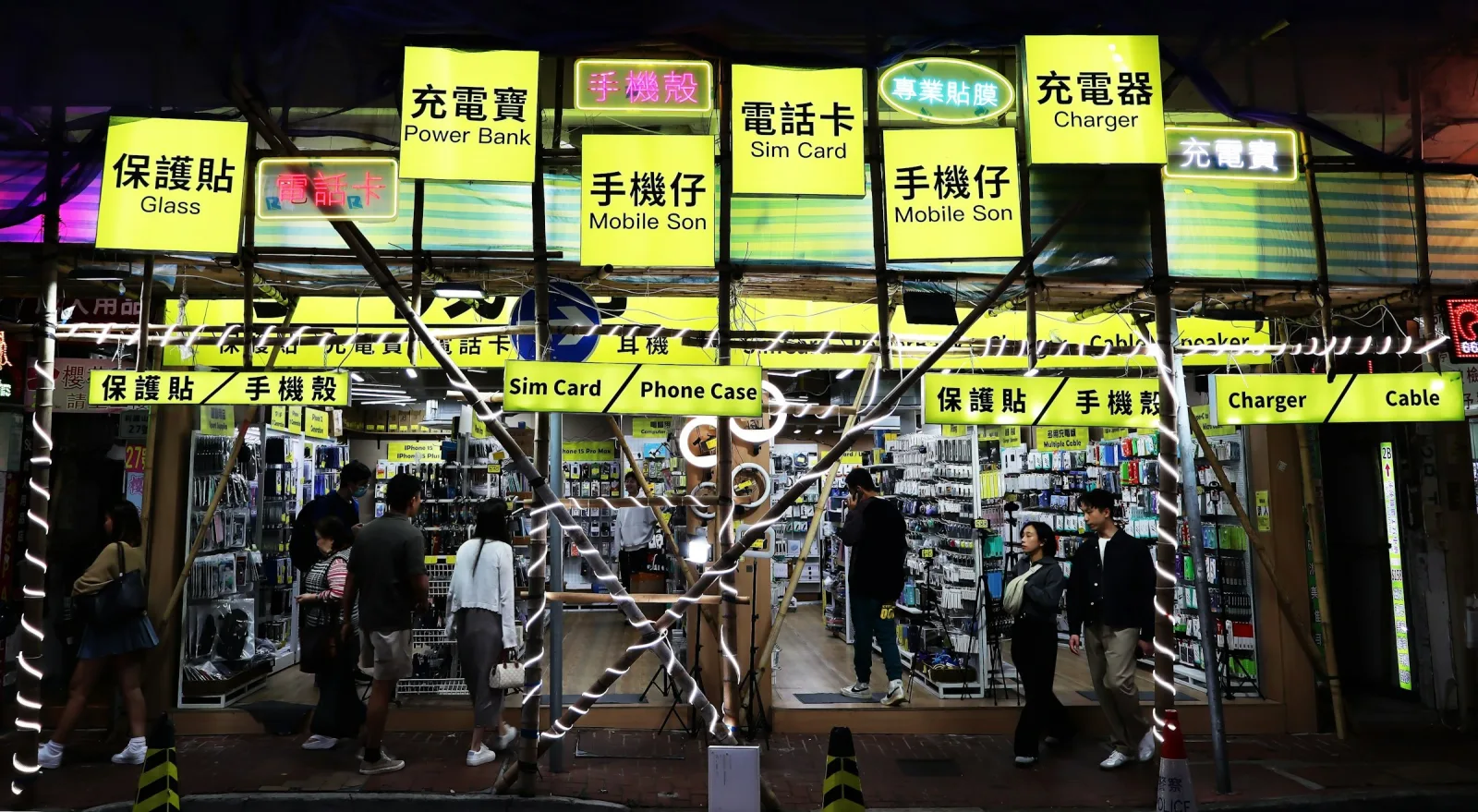
  • Electronics: Shenzhen (Huaqiangbei) offers competitive tech and gadgets
  • Calligraphy Sets: Brushes, ink stones, rice paper for art enthusiasts
  • Traditional Medicine: Ginseng, goji berries, herbal blends (verify export rules)
  • Replica & Custom Fashion: Available but quality varies — check stitching and materials
  • Seal Carvings: Personalised stone stamps with English or Chinese names

Supermarkets & Convenience

Major supermarket chains like Yonghui, CR Vanguard, and RT-Mart offer fresh produce, imported goods, and affordable pricing.

  • Yonghui Superstores — Wide selection, excellent fresh food sections
  • CR Vanguard — State-backed chain, standardised pricing, reliable quality
  • FamilyMart / Lawson / 7-Eleven — Ubiquitous convenience stores for quick meals
  • Bottled water essential — tap water is not safe to drink
  • Hot pot ingredients, noodles, and regional snacks widely available
  • Digital payment mandatory at most modern retail outlets
China Food & Cuisine Guide
Chinese cuisine is highly regionalised, featuring eight major culinary traditions from spicy Sichuan to delicate Cantonese dim sum.

Do: Try local dim sum, hand-pulled noodles, and regional hot pot — street food culture is vibrant and affordable.

Famous Regional Cuisines

Chinese food varies dramatically by province. Understanding regional styles helps navigate menus and manage spice expectations.

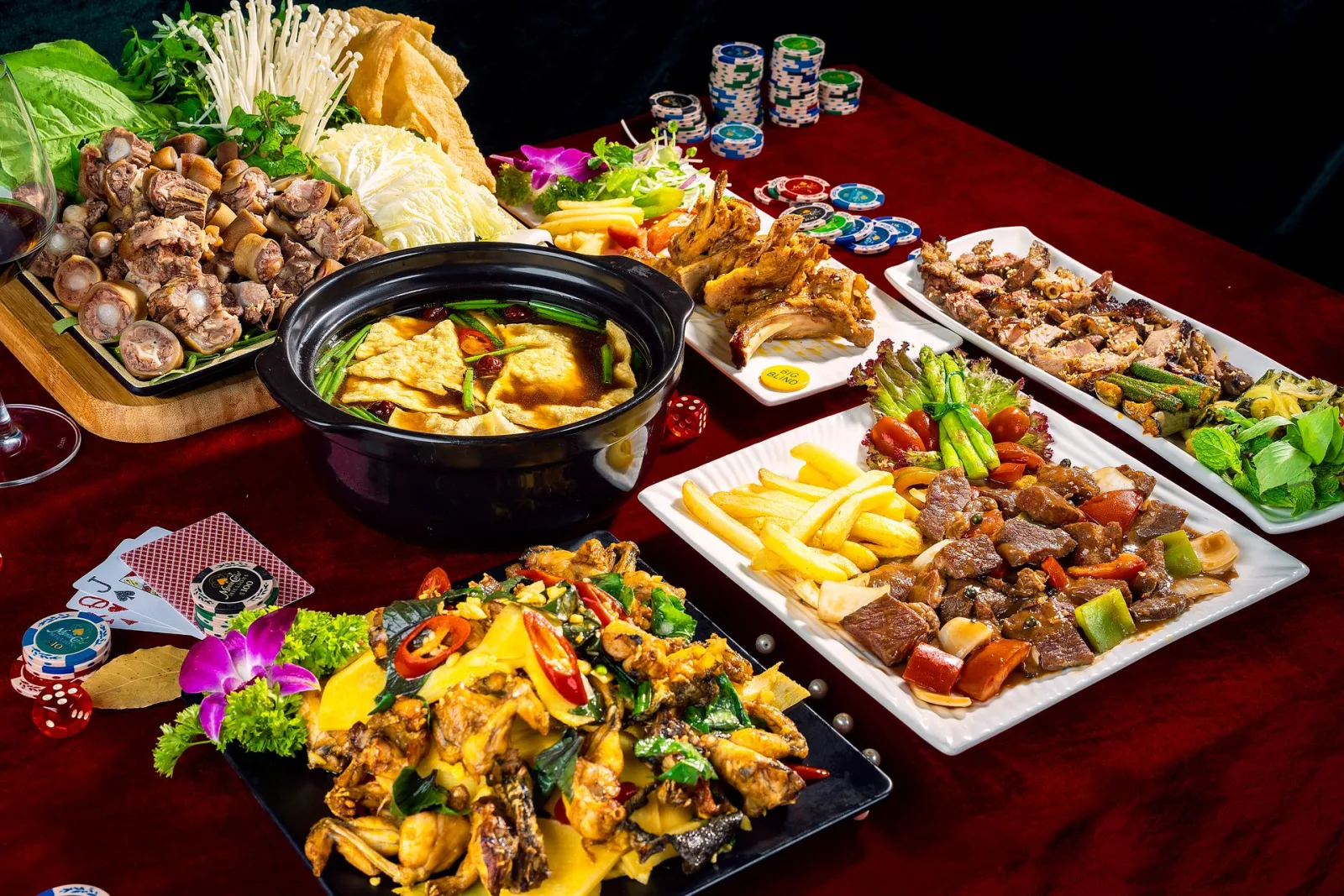
  • Peking Cuisine (Beijing) — Peking Duck, Zhajiangmian noodles, imperial banquets
  • Sichuan Cuisine — Mapo Tofu, Kung Pao Chicken, Hot Pot (heavy chilli & peppercorns)
  • Cantonese (Guangdong) — Dim sum, char siu, steamed seafood, light broths
  • Shanghai Cuisine — Xiaolongbao (soup dumplings), sweet & sour flavours, hairy crab
  • Xi’an (Shaanxi) — Roujiamo (Chinese burger), Biangbiang noodles, lamb soup
  • Hunan Cuisine — Dry, fiery chilli preparations, smoked meats, bold stir-fries
  • Breakfast Culture — Jianbing crepes, youtiao (fried dough), soy milk, congee
  • Tea Pairings — Jasmine (North), Oolong (Fujian), Pu'er (Yunnan), Green (Zhejiang)

Seasonal Fruits & Produce

China's agricultural zones produce incredible variety. Fruit markets offer fresh, seasonal, and exotic selections at affordable prices.

  • Longan & Lychee — Southern summer specialties, sweet & juicy
  • Pomelo — Autumn/Winter, massive citrus with mild flavour
  • Mangoes — Hainan & Yunnan varieties peak in summer
  • Persimmons — Autumn delicacy, eaten fresh or dried
  • Winter Melon — Used in soups and traditional herbal broths
  • Bok Choy & Napa Cabbage — Staple greens across all regions
  • Shiitake & Wood Ear Mushrooms — Dried & rehydrated for rich umami

National Dish — Peking Duck

Peking Duck is the most iconic Chinese culinary export — crispy skin, tender meat, and ceremonial carving at the table.

  • Specially bred ducks roasted in closed ovens for crispy, lacquered skin
  • Served with thin pancakes, spring onions, cucumber, and sweet bean sauce
  • Traditional carving involves 108 precise slices
  • Quanjude and Da Dong are the most famous historic & modern chains
  • Vegetarian alternatives: mock duck, tofu Peking-style preparations
  • Reserve seating in advance for dinner service
  • Pairs perfectly with Huadiao wine or premium jasmine tea

Avg Cost Of Food

Street food and local eateries keep daily food budgets very reasonable. Mid-range restaurants offer excellent value for tourists.

  • Street Snacks / Jianbing: ¥8–¥15 per item
  • Local Noodle Shop Meal: ¥25–¥45 per bowl
  • Mid-Range Restaurant: ¥60–¥100 per person
  • Dim Sum Basket: ¥25–¥45 per basket
  • Peking Duck (Full Set): ¥150–¥250 per duck
  • High-End Fine Dining: ¥300–¥800+ per person
  • Coffee / Bubble Tea: ¥15–¥35
  • Local Beer: ¥8–¥15 per bottle

Tipping is not customary. Service charges rarely apply outside luxury hotels.

China Weather & Packing Tips
China spans arctic north to tropical south. Pack for your specific route and season.

Tip: Layering is essential. Indoor spaces often have strong air-conditioning or heating regardless of outdoor temperature.

Weather

China's climate zones range from subarctic to tropical depending on latitude and elevation.

  • Beijing/North: Four distinct seasons. Hot, humid summers; dry, freezing winters
  • Shanghai/South: Subtropical monsoon. Plum rain season (Jun–Jul), hot summers, mild winters
  • Xi’an/Central: Continental climate. Cold winters, hot summers, best in spring/autumn
  • Guangzhou/South: Tropical, humid year-round. Summer heavy rainfall, warm winters
  • Zhangjiajie/West: Mountainous, misty, cooler. Rainfall peaks in summer, fog common in spring
  • Best Overall: April–May & Sept–Oct for most tourist circuits
  • Winter: Harbin Ice Festival draws crowds despite -20°C temps
  • Summer: High domestic travel season, frequent thunderstorms in the south

Clothes To Wear

Chinese cities dress modestly and practically. Avoid overly revealing clothes when visiting temples or rural areas.

For Beijing & Northern Cities:

  • Light layers for spring/autumn, breathable fabrics for summer
  • Heavy coat, thermal wear, scarf, gloves for winter (Nov–Mar)
  • Comfortable walking shoes with good grip for Great Wall steps
  • Sunglasses and sunscreen (summer UV is intense)
  • Compact umbrella or light rain jacket

For Southern & Mountainous Regions:

  • Moisture-wicking clothing for humid climates
  • Waterproof hiking shoes for Zhangjiajie and karst trails
  • Light fleece even in summer (mountains are cooler and misty)
  • Quick-dry travel towel and reusable water bottle
China Heritage & Cultural Highlights
UNESCO sites, imperial symbols, martial arts legacy, and souvenirs that capture Chinese identity.

UNESCO World Heritage Sites

China holds over 58 UNESCO World Heritage Sites, including some of the world's most iconic historical and natural landmarks.

  • Great Wall of China (1987) — 21,000+ km ancient defensive fortification
  • Forbidden City (1987) — Imperial palace complex in central Beijing
  • Mausoleum of Qin Shi Huang (1987) — Terracotta Army, Xi'an
  • Mount Huangshan (1990) — "Yellow Mountain", famous granite peaks and pines
  • Zhangjiajie National Forest (1992) — Avatar-inspired sandstone pillars
  • Hangzhou West Lake (2011) — Classical garden landscapes and pagodas

National Symbols

The Giant Panda symbolises wildlife conservation and diplomacy. The crane represents longevity and immortality in traditional art.

  • National Animal: Giant Panda
  • National Bird: Red-crowned Crane
  • National Flower: Plum Blossom (symbolising resilience)
  • National Flag: Red background with five yellow stars
  • Cultural Philosophy: Harmony (He), balance, Confucian ethics
  • Traditional Arts: Calligraphy, ink painting, seal carving, porcelain
  • Martial Heritage: Tai Chi, Shaolin Kung Fu, Wing Chun

Films Set in China

China's landscapes and imperial architecture have inspired countless international and domestic productions.

  • Crouching Tiger, Hidden Dragon (2000) — Wuxia classic, bamboo forest scenes in Anhui
  • The Last Emperor (1987) — Filmed inside the Forbidden City with special permission
  • Mulan (1998/2020) — Legendary folklore, Guilin landscapes inspired animation
  • Hero (2002) — Zhang Yimou's visually stunning martial arts epic
  • Farewell My Concubine (1993) — Palme d'Or winner exploring opera and political shifts

Cultural Festivals

Festivals blend ancient lunar calendar traditions with modern tourism. Plan ahead to secure accommodation during major holidays.

  • Spring Festival (Chinese New Year) — Jan/Feb, family reunions, fireworks, temple fairs
  • Lantern Festival — 15th day of 1st lunar month, riddles & floating lanterns
  • Qingming Festival — Early April, tomb-sweeping and spring outings
  • Dragon Boat Festival — May/June, rice dumplings (zongzi), racing
  • Mid-Autumn Festival — Sep/Oct, mooncakes, family gatherings

Avoid first week of May and October (Golden Week) if preferring fewer crowds.

Souvenirs

Best places to shop for souvenirs: Panjiayuan Market (Beijing), Tianzifang (Shanghai), and airport duty-free for premium tea.

  • Silk Products — Scarves, robes, embroidery (buy from certified shops)
  • Tea Sets & Loose Leaf — Longjing, Pu'er, Oolong, Tieguanyin
  • Porcelain/Ceramics — Jingdezhen blue & white ware, modern interpretations
  • Panda Merchandise — Official Chengdu research centre souvenirs
  • Calligraphy & Ink — Traditional brushes, rice paper, seal stamps
  • Silk Qipao/Cheongsam — Custom tailoring in Shanghai fabric markets
  • Traditional Masks & Kites — Peking Opera face masks, Weifang kites
  • Medicinal Herbs — Ginseng, goji berries (verify customs allowances)
Notable Highlights for Indian Travelers
From ancient philosophers to modern infrastructure marvels, discover what makes China unique.

Famous Historical Figures

  • Confucius (551–479 BC) — Philosopher whose teachings shaped East Asian ethics and governance
  • Qin Shi Huang (259–210 BC) — First Emperor, unified China, commissioned Terracotta Army
  • Wu Zetian (624–705) — Only female emperor in Chinese history, Tang Dynasty
  • Marco Polo (1254–1324) — Venetian explorer whose travels introduced China to Europe
  • Zheng He (1371–1433) — Ming dynasty admiral who led massive naval expeditions across Asia & Africa
  • Sun Yat-sen (1866–1925) — Founding father of the Republic of China
  • Bruce Lee (1940–1973) — Martial arts pioneer and global cultural icon

Ancient Inventions

China's Four Great Inventions fundamentally changed global history and technological development.

  • Papermaking — Cai Lun (105 AD), revolutionised record-keeping and literature
  • Printing — Woodblock & movable type (Tang/Song dynasties), accelerated knowledge spread
  • Gunpowder — Tang dynasty alchemists, later applied to fireworks, mining, warfare
  • Compass — Han dynasty lodestone navigation, enabled global maritime exploration
  • Silk Production — Kept secret for millennia, spawned the Silk Road trade networks
  • Seismograph — Zhang Heng (132 AD), earliest earthquake detection instrument
  • Cast Iron & Steel — Advanced metallurgy techniques centuries before Europe

China leads in modern high-speed rail, 5G infrastructure, and renewable energy deployment.

National Dish — Peking Duck

  • Peking Duck represents culinary precision, imperial heritage, and theatrical tableside service
  • Historically reserved for royalty and diplomatic banquets
  • Traditional preparation involves air-pumping skin separation, maltose glazing, and open-flame roasting
  • Accompanied by scallions, cucumber, sweet bean sauce, and paper-thin pancakes
  • Modern chefs offer creative pairings while preserving core techniques
  • Vegetarian mock duck widely available in Buddhist and plant-based restaurants
  • Best dining experiences: Quanjude (historic), Da Dong (modern crisp), local Beijing hutong eateries

Is China expensive for Indians? A trip costs ₹80,000–₹1.8 lakh for 7–10 days including flights, visa (~₹4K–5.5K), 4-star hotels, and meals.

Do Indians need a visa? Yes. Mainland China requires an L (tourist) visa processed via CVASC. Hainan Island remains visa-free for organised groups.

Flight duration? Direct flights take 6–8 hours from Delhi/Mumbai. Connecting routes via Southeast Asia or Dubai take 9–14 hours.

Is China safe for Indian tourists? Highly safe. Violent crime is extremely rare. CCTV coverage is dense, and tourist areas are well-policed.

Currency? Chinese Yuan (CNY). UPI does not work. Link your Indian Visa/Mastercard to Alipay or WeChat Pay before departure for seamless payments.

Frequently Asked Questions — China Travel for Indians
Quick, honest answers to the most common China travel questions from Indian travellers
1Do Indians need a visa for China?
Yes. Indian passport holders require a standard L (tourist) visa for mainland China, applied via the Chinese Visa Application Service Centre (CVASC) in Mumbai, Delhi, Kolkata, or Chennai. Processing takes 4–7 working days. Hainan province allows 30-day visa-free entry only through approved travel agencies.
2Is China expensive for Indian tourists?
A 7–10 day China trip costs approximately ₹80,000–₹1.8 lakh per person. Flights range ₹45K–₹75K, visa costs ₹4K–₹5.5K, and on-ground expenses (3–4 star hotels, meals, high-speed rail) are moderate. Overall, China is significantly more affordable than Japan and comparable to mid-tier Southeast Asia.
3How long is the flight from India to China?
Direct flights from Delhi or Mumbai to Beijing/Shanghai take 6–8 hours. One-stop options via Bangkok, Kuala Lumpur, or Dubai take 9–14 hours. Air China, Hainan Airlines, and China Eastern operate select direct routes.
4What is the best time to visit China from India?
April–May and September–October are ideal. Spring brings pleasant temperatures and blooming scenery. Autumn offers clear skies, comfortable hiking weather, and fewer crowds. Avoid early May and early October (Chinese national holidays) due to extreme domestic tourism volume.
5Is China safe for Indian tourists?
China is exceptionally safe for international travelers. Violent crime is extremely rare. Cities are heavily monitored with CCTV, and tourist zones have visible police presence. Petty theft is minimal compared to other Asian destinations. Standard precautions in crowded transit hubs are sufficient.
6Can I use UPI or Indian debit cards in China?
UPI does not work in China. Cash is largely phased out. The most reliable method: link an international Visa or Mastercard (Visa/Debit with international transactions enabled) to Alipay or WeChat Pay before your trip. This covers 95% of retail, dining, transport, and attraction payments.
7What is the China tourist visa fee for Indians?
A standard single-entry L visa costs approximately ₹4,000–₹5,500 including service fees. Double or multiple-entry visas cost more. Express processing (2–3 working days) is available at a premium. Fees are subject to periodic consular adjustments.
8What plug type is used in China?
China uses Type A (2-pin flat), Type C (2-pin round), and Type I (3-pin flat angled) outlets at 220V/50Hz. Indian 2-pin plugs generally fit directly. Indian 3-pin plugs require a universal travel adapter. Most modern devices auto-adjust to 100–240V.
9What is the national dish of China?
Peking Duck is the most iconic national dish — roasted duck with crispy skin, sliced tableside and served with thin pancakes, scallions, cucumber, and sweet bean sauce. Other staples include Sichuan hot pot, Cantonese dim sum, and hand-pulled noodles.
10What is the time difference between India and China?
China Standard Time (UTC+8) is 2.5 hours ahead of Indian Standard Time (UTC+5:30). When it is 12:00 PM in Beijing, it is 9:30 AM in India. China does not observe daylight saving time.
11Can vegetarian Indians find food in China?
Yes, especially in major cities. Beijing, Shanghai, and Chengdu have dedicated vegetarian and Jain-friendly restaurants. However, standard meals often contain animal stock, pork fat, or seafood. Always specify "Qing zhen / Su shi, no meat stock" and carry a translation card for dietary restrictions.
12Do I need a transit visa for layovers in China?
Indian passport holders transiting through major airports (PEK, PVG, CAN, XIY, SHA) qualify for the 24/72/144-hour visa-free transit policy if holding confirmed onward tickets to a third country. You must stay within the designated transit area or apply for temporary entry at immigration. Ensure your routing avoids domestic connections unless cleared.
13Is high-speed rail in China suitable for Indian tourists?
High-speed rail is highly recommended. China operates the world's largest HSR network, connecting major tourist cities at 250–350 km/h. Trains are punctual, comfortable, and cheaper than flights for distances under 1,200 km. Book via Trip.com or 12306 app using your passport details.
14Which is better for first-time visitors — Beijing or Shanghai?
Beijing is ideal for history, culture, and the Great Wall. Shanghai offers modern skylines, colonial architecture, and vibrant nightlife. Most first-time travelers combine both via a 4.5-hour high-speed train, spending 3 days in Beijing and 2 in Shanghai.
15Does Destination To Plan offer group tour packages to China?
Yes. We offer curated group and family China packages including L-visa guidance, return flights, 4–5 star hotels, high-speed rail coordination, guided temple & heritage tours, Alipay setup assistance, and vegetarian meal planning. Contact us for personalised itineraries and pricing.
Have more questions? Our China travel specialists can help plan your perfect itinerary.

Talk to a China Travel Expert →

Note: Information provided is subject to change. Verify visa requirements, digital payment rules, exchange rates, opening hours, and travel advisories before your trip. Prices are approximate and may vary based on location, season, and economic conditions. Chinese regulations and transit policies are updated frequently.

About This China Travel Guide

This China travel guide covers everything Indian travelers need from L-visa documentation and high-speed rail tips to Alipay setup, Beijing itineraries, and regional cuisine guides. Researched, regularly updated, and trusted by group tour planners and independent travelers.

Expert Curated Content

Every section — from CVASC appointment booking to digital wallet configuration — is verified by travel professionals with repeated China circuit experience.

Regularly Updated Information

China travel costs, visa processing times, Hainan visa-free updates, and Alipay/WeChat Pay foreign card linkage rules are reviewed and refreshed to reflect 2026 operational realities.

Trusted by Indian Travelers

Used by group tour organizers, corporate travel planners, and independent travelers from India researching Beijing itineraries, Xi’an heritage tours, and multi-city China routes.

Complete China Resource

One guide covering visa rules, digital payment setup, cost, flights, itinerary, food, culture, weather, shopping, and heritage — all with India-specific context and 2026 accuracy.

More Travel Guides

Explore Other Destinations

Plan Your China Trip from India

Fill out the enquiry form below and our travel experts will help you plan your China tour — L-visa guidance, flights, hotels, and high-speed rail coordination.

Get assistance with visa documentation, Beijing & Xi’an itineraries, Alipay/WeChat Pay setup, and complete multi-city China packages.

Enquire About This Package