Updated 2026 entry requirements and ticketing for the Cu Chi Tunnels complex
Revised safety advisories for phone snatching and traffic navigation in District 1
Current Grab availability and pricing trends from Tan Son Nhat Airport to HCMC center
Fact-checked April 2026
Last updated: April 2026
Welcome to Ho Chi Minh City (Saigon)
The dynamic, fast-paced, and historically rich commercial hub of southern Vietnam.
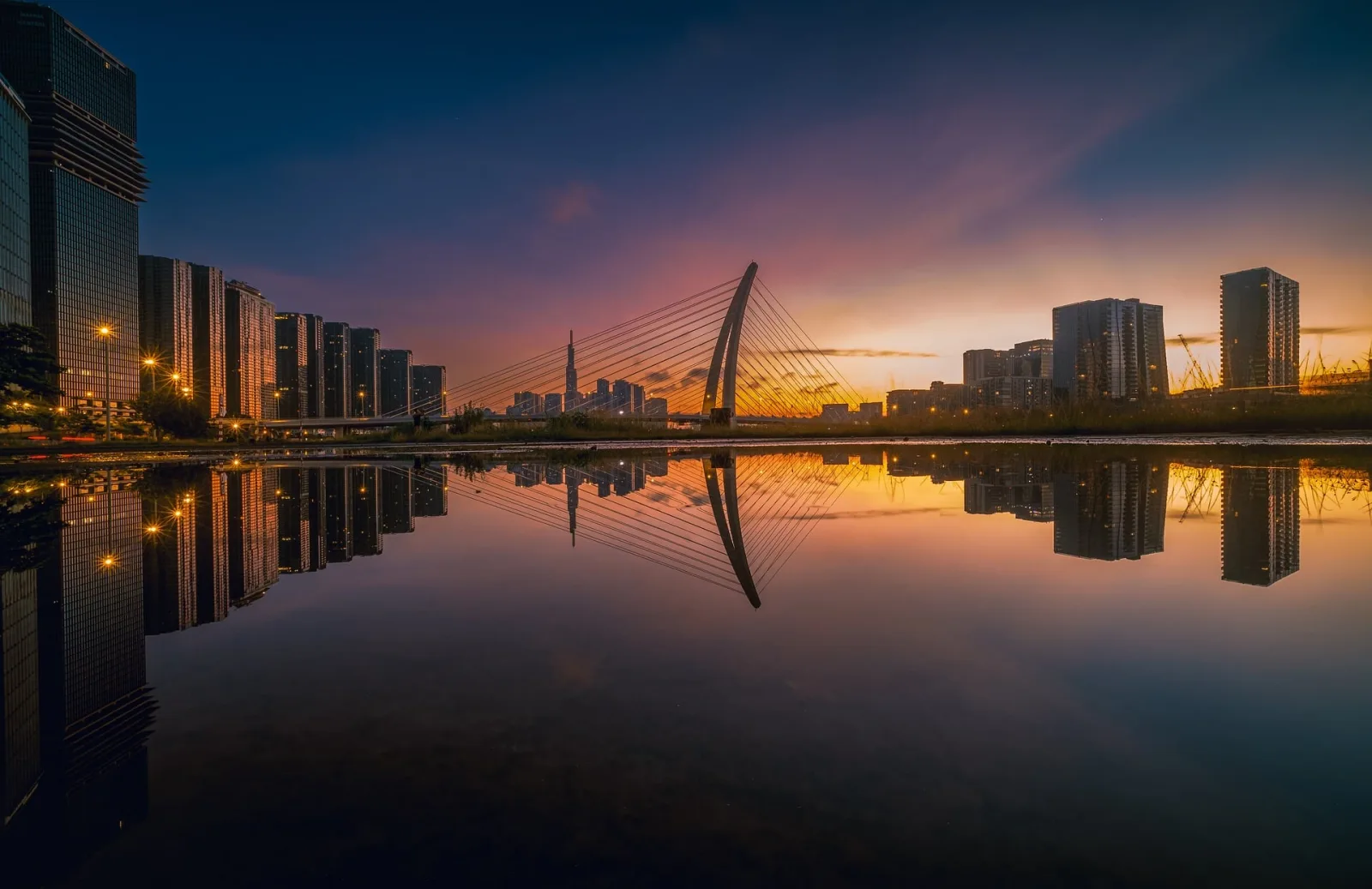
Ho Chi Minh City, still affectionately called Saigon by locals, is a city of striking contrasts. French colonial villas sit beside towering modern skyscrapers, and the chaotic hum of millions of motorbikes gives way to the solemn silence of war museums. For Indian travelers, HCMC offers a more tropical, energetic, and commercially vibrant experience compared to the traditional charm of the north. It is the perfect southern anchor for any Vietnam itinerary from India.
While the city is highly affordable and welcoming, understanding the local logistics—like navigating the intense traffic and finding the best Com Tam (broken rice)—is crucial. For a comprehensive breakdown of your entire trip budget, refer to our detailed Vietnam trip cost from India guide.
Top Attractions in Ho Chi Minh City
Must-visit landmarks that capture the history, culture, and energy of the city.
Historical & Cultural
War Remnants Museum: A deeply moving and essential visit. It documents the brutal realities of the Vietnam War through powerful photography and military equipment. Prepare for an emotional experience.
Cu Chi Tunnels: Located just outside the city, this vast underground network was used by Viet Cong soldiers. You can crawl through widened sections and learn about guerrilla warfare tactics.
Independence Palace (Reunification Palace): The site where the Vietnam War officially ended in 1975. The retro 1960s architecture and underground bunkers are fascinating to explore.
Notre Dame Cathedral & Central Post Office: Iconic French colonial landmarks situated right next to each other in the heart of District 1. Perfect for a quick photo stop.
District 1 & Beyond
Nguyen Hue Walking Street: A wide, pedestrian-only boulevard that comes alive at night with locals, street performers, and light shows.
Bitexco Financial Tower (Skydeck): For the best panoramic view of the sprawling city, head to the 49th-floor observation deck.
Tao Dan Park: A peaceful green oasis where locals practice Tai Chi and play badminton in the early mornings.
Chinatown (Cholon - District 5): A bustling, chaotic, and authentic area filled with traditional Chinese-Vietnamese temples, wholesale markets, and incredible street food.
HCMC Food & Street Food Guide
Southern Vietnamese cuisine is sweeter, more vibrant, and heavily influenced by neighboring Cambodia and Thailand.
Must-Try Dishes
Com Tam (Broken Rice): The ultimate Saigon street food. A plate of fractured rice grains topped with a grilled pork chop, shredded pork skin, fried egg, and pickled vegetables, drizzled with sweet fish sauce.
Pho (Southern Style): Noticeably sweeter and served with a massive plate of fresh herbs, bean sprouts, and hoisin sauce compared to the pure, savory northern version.
Banh Mi: HCMC boasts some of the country's best baguettes. Look for Banh Mi Huynh Hoa, famous for its incredibly generous meat and pate fillings.
OC Quan (Oc): Snail and seafood street food. In the evenings, locals gather on plastic stools to enjoy spicy, lemongrass-infused snails and clams. A true local experience.
Vegetarian Tip: District 3 and the Binh Thanh district have numerous "Com Chay" (vegetarian rice) restaurants. Southern vegetarian cuisine often uses tofu and mock meats creatively.
Hygiene Note for Indian Travelers: Street food in HCMC is generally safe, but the heat can cause food to spoil faster than in the north. Always ensure your food is cooked piping hot in front of you, and stick to bottled water.
Getting Around Ho Chi Minh City
Navigating the city's intense traffic and sprawling districts.
Transport Options
Grab (Car & Motorbike): The absolute best way to get around. It prevents overcharging and eliminates the language barrier. GrabBike is the fastest way to navigate the notorious traffic.
Walking: District 1 is relatively walkable, but crossing the multi-lane streets requires the same steady, confident pace you would use in Hanoi.
Metro Line 1: The city's first metro line (Ben Thanh to Suoi Tien) is now operational, offering a fast, air-conditioned escape from the traffic for longer east-west journeys.
Cyclo: Mostly found around tourist hotels and the Opera House. Agree on a price before getting in; they are best for short, scenic rides rather than practical transport.
Shopping in Ho Chi Minh City
From bustling traditional markets to modern air-conditioned malls.
Markets & Malls
Ben Thanh Market: The most famous market in the city. Great for souvenirs, coffee, and dried fruits. Bargaining is aggressive here; start at 30-40% of the asking price.
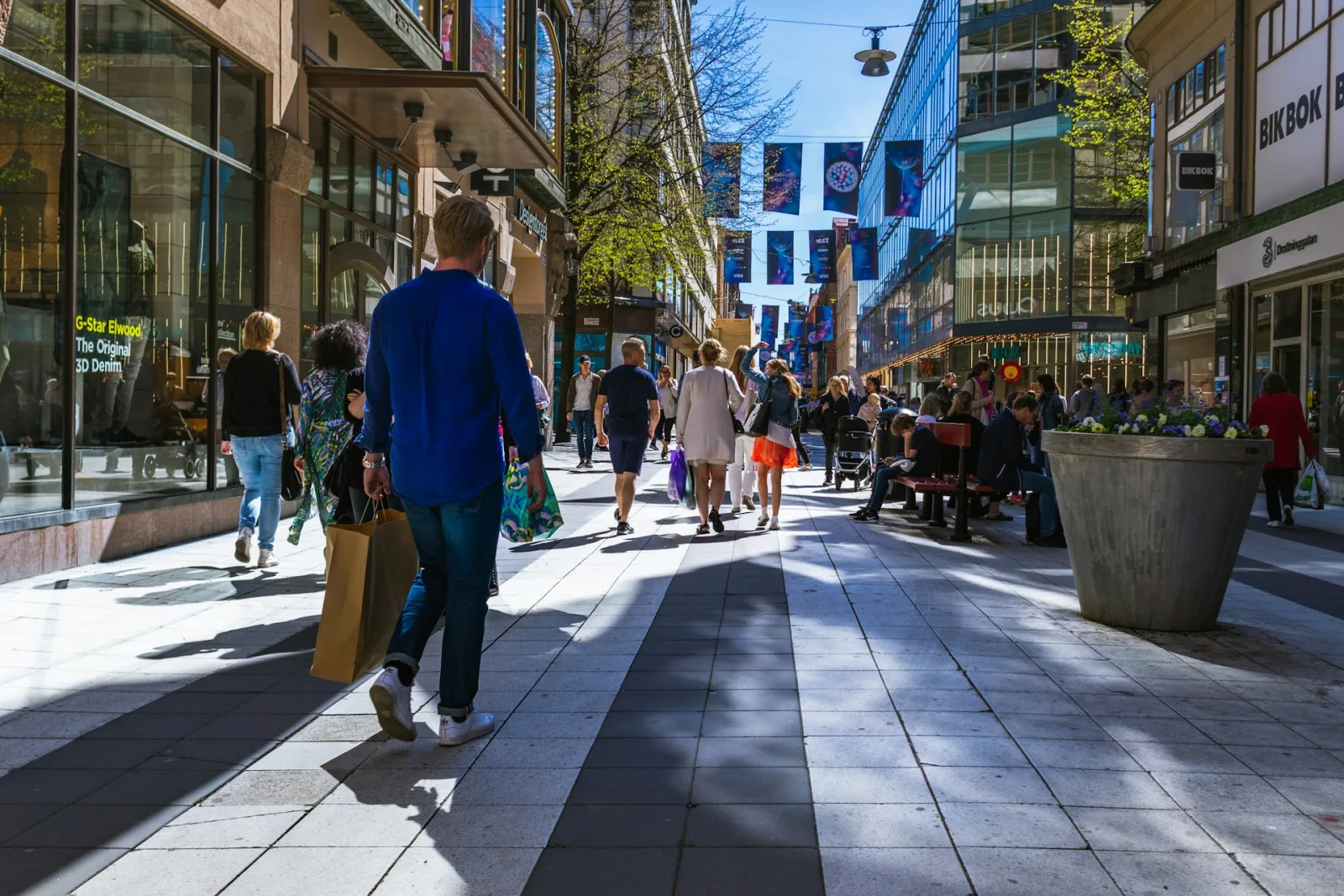
Saigon Square: Located opposite Ben Thanh, this is the go-to place for cheap clothing, shoes, and accessories. It is less touristy and offers better fixed prices.
Vincom Center & Takashimaya: Modern, air-conditioned malls perfect for escaping the midday heat. They house international brands, high-end Vietnamese designers, and excellent food courts.
Dong Khoi Street: The high-end shopping boulevard featuring luxury boutiques, art galleries, and premium Vietnamese lacquerware stores.
Frequently Asked Questions — Ho Chi Minh City Guide
Quick answers to help you navigate Vietnam's vibrant southern capital with confidence.
1How many days are enough to explore Ho Chi Minh City?
Two to three days are ideal. This allows you to cover the core District 1 landmarks (War Remnants Museum, Notre Dame Cathedral), dedicate a full half-day to the Cu Chi Tunnels, and enjoy the vibrant street food and nightlife scene without feeling rushed.
2Is Ho Chi Minh City safe for Indian tourists?
Yes, HCMC is generally very safe. Violent crime against tourists is rare. The most common issue is opportunistic phone snatching by drive-by motorbike thieves. Always hold your phone securely, avoid using it near the street edge, and use Grab for transport instead of hailing random bikes.
3What is the best way to get from Tan Son Nhat Airport to the city center?
Booking a Grab car is the most reliable and transparent option, costing around ₹400–₹600 (150,000–250,000 VND) to District 1. Alternatively, the airport shuttle bus (Route 109) is comfortable, air-conditioned, and costs only about ₹50 (20,000 VND).
4How does Ho Chi Minh City compare to Hanoi for Indian travelers?
HCMC (Saigon) is more modern, fast-paced, and tropical compared to the traditional, culturally rich, and cooler Hanoi. HCMC has a more vibrant nightlife and French colonial architecture, while Hanoi offers a deeper dive into ancient Vietnamese history and a more distinct local food culture.
5Do I need a guide for the Cu Chi Tunnels?
While you can explore independently, a guided tour is highly recommended. The tunnel system is vast and complex; a guide provides crucial historical context about the Vietnam War and ensures you safely navigate the narrow, low-ceilinged underground passages.
Want a seamless Ho Chi Minh City experience? Our experts handle your flights, e-Visa, and hotel bookings so you can focus on the Com Tam.
Note: Ho Chi Minh City is a sprawling metropolis. Keep your valuables secure in crowded areas like Ben Thanh Market and be cautious of "drive-by" phone snatching, especially when standing near the curb.
Fill out the enquiry form below and our travel experts will help you plan a seamless trip to Ho Chi Minh City and beyond, including e-Visa and flight assistance.
Get assistance with Vietnam e-Visa, HCMC hotel bookings, Cu Chi Tunnels tours, and complete Vietnam tour packages.