Traveling to Egypt During Ramadan
Understanding the rhythms of the holy month to ensure a respectful and rewarding trip.
Ramadan, the Islamic holy month of fasting, prayer, and reflection, transforms Egypt into a uniquely vibrant and communal destination. For Indian travelers, visiting during this period offers a rare glimpse into deep-rooted cultural traditions, spectacular nightly festivities, and a surprisingly accommodating food scene. For a broader understanding of the destination, refer to our comprehensive Egypt Travel Guide.
While tourist infrastructure remains fully functional, daily rhythms shift significantly. This guide focuses on practical logistics, respectful cultural etiquette, and how to navigate dining and transport during daylight fasting hours, ensuring your holiday remains seamless and comfortable.
Essential Cultural Etiquette During Ramadan
Simple, respectful practices that go a long way in connecting with local communities.
Conservative dress is always recommended in Egypt, but it is especially important during Ramadan. Ensure shoulders, cleavage, and knees are covered for both men and women. Carry a lightweight scarf to cover your head when entering mosques or conservative neighborhoods.
While non-Muslim tourists are not expected to fast, eating, drinking (including water), or smoking in public spaces, on the street, or in non-tourist vehicles during daylight hours is considered highly disrespectful. Consume these in the privacy of your hotel, a licensed tourist restaurant, or designated areas.
Fasting can cause fatigue and lower blood sugar. Service in shops or transport may be slightly slower than usual. Responding with a smile, patience, and a simple "Ramadan Kareem" (Generous Ramadan) will be warmly appreciated by locals.
Dining & Vegetarian Food During Ramadan
Why the holy month is actually a culinary advantage for Indian vegetarians.
Contrary to concerns about food scarcity, Ramadan is arguably the best time for vegetarian travelers in Egypt. The traditional Iftar (meal to break the fast at sunset) heavily features naturally vegetarian and vegan staples.
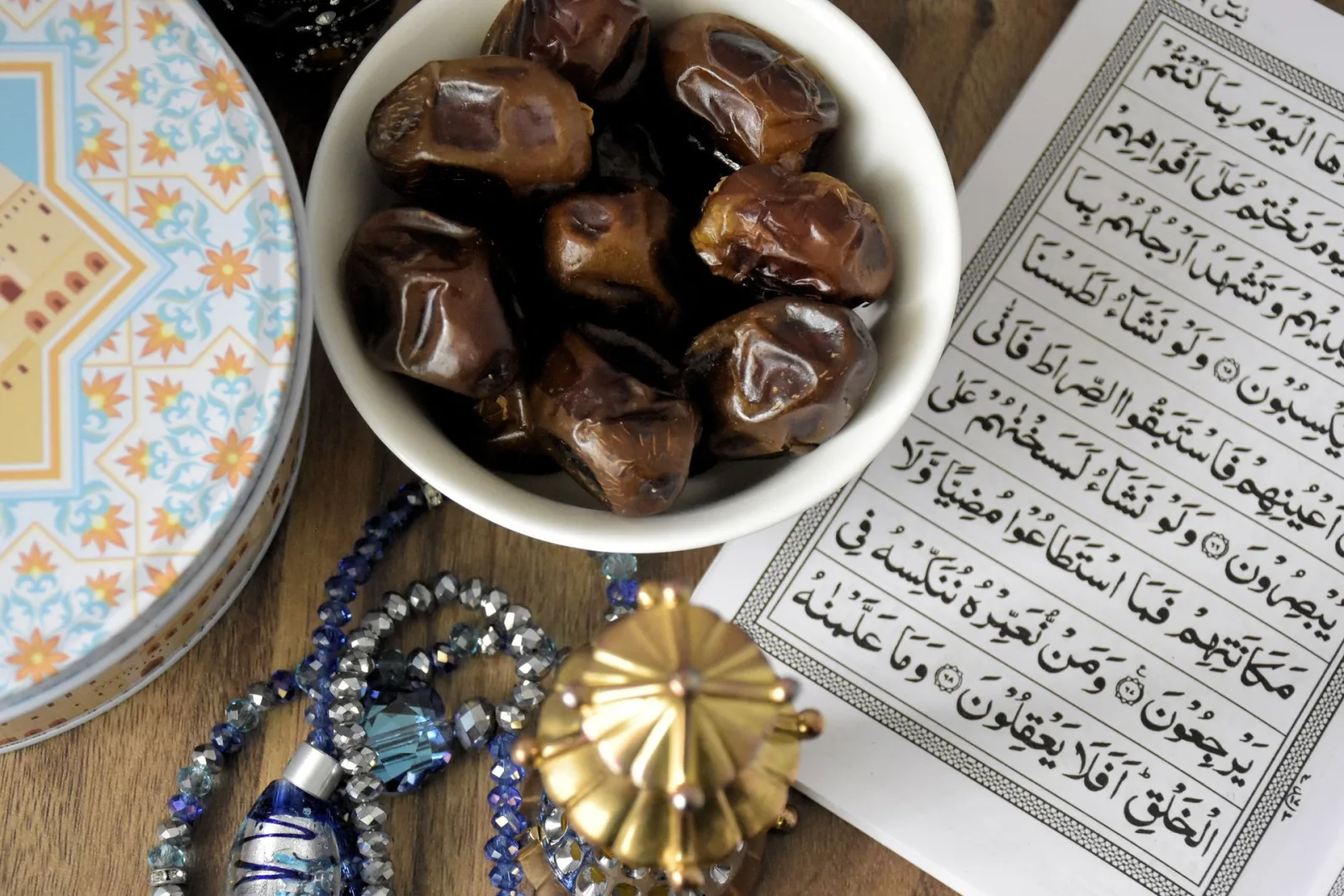
- Vegetarian Staples: Expect abundant dates, lentil soup (Shorbat Adas), Koshary, Ful Medames, Ta'meya (Egyptian falafel), fresh salads, and a variety of cheeses and breads.
- Hotel Dining: International and 4/5-star hotels maintain dedicated, discreet dining areas for non-fasting tourists throughout the day, offering full à la carte menus.
- Iftar Tents: Many luxury hotels and restaurants set up spectacular, traditional Iftar tents. While these are often meat-heavy, they always include extensive vegetarian mezze and salad stations. For detailed culinary insights, see our Egypt Vegetarian Food Guide.
Note on Alcohol: Public consumption and sale of alcohol are restricted during Ramadan. However, licensed hotels, resorts, and specific tourist-oriented venues will continue to serve alcohol discreetly to non-Muslim guests.
Logistics, Transport & Sightseeing
Adjusting your daily schedule to align with local rhythms and avoid peak congestion.
Archaeological sites and museums generally remain open but may adjust their hours, often closing an hour earlier than usual. Conversely, shopping malls, cafes, and restaurants stay open late into the night, thriving during the post-Iftar hours.
The hour leading up to sunset (Iftar) sees massive traffic congestion as people rush home. Avoid road travel between 4:00 PM and 6:00 PM. Ride-hailing apps like Uber remain reliable, but expect surge pricing and delays during this window. For broader safety context, review our Egypt Safety Guide.
Unique Ramadan Experiences to Enjoy
Embrace the festive atmosphere that makes visiting Egypt during this month truly special.
- Fanous Decorations: Streets, especially in historic areas like Khan el-Khalili and Islamic Cairo, are adorned with colorful, traditional Ramadan lanterns (Fanous).
- Nightly Ambiance: After Iftar, cities come alive. Streets are filled with families, special Ramadan dramas air on television, and the sound of nightly Taraweeh prayers creates a deeply spiritual atmosphere.
- Suhoor Gatherings: Late-night meals before dawn (Suhoor) are a social event. Many cafes and restaurants remain bustling until 2:00 AM or 3:00 AM, offering a unique late-night cultural experience.
- Charity (Zakat): You will notice "Maidat Al-Rahman" (Tables of the Merciful), which are community tables offering free Iftar meals to the needy. It is a beautiful sight of communal solidarity.
Frequently Asked Questions — Egypt Ramadan Travel
Quick answers to common queries from Indian travelers visiting during the holy month.
1Is it safe to travel to Egypt during Ramadan?
Yes, Egypt is very safe during Ramadan. In fact, the atmosphere is often more communal and festive, especially at night. Tourist areas remain fully operational, and security presence is typically heightened during the holy month.
2Can Indian vegetarians find food in Egypt during Ramadan?
Absolutely. Ramadan is arguably the best time for vegetarians in Egypt. The traditional Iftar meal heavily features vegetarian staples like dates, lentil soup, Koshary, Ful Medames, Ta'meya (falafel), and fresh salads.
3Are tourist attractions like the Pyramids open during Ramadan?
Yes, major attractions like the Pyramids of Giza, the Egyptian Museum, and Luxor temples remain open. However, operating hours may be slightly adjusted (often closing an hour earlier), and it is best to visit in the morning.
4Can I drink alcohol in Egypt during Ramadan?
Public consumption of alcohol is prohibited during Ramadan. However, licensed hotels, resorts, and specific tourist-oriented restaurants and bars will continue to serve alcohol discreetly to non-Muslim guests.
5How does public transport operate during Ramadan in Egypt?
Public transport runs normally but becomes extremely crowded in the hour leading up to sunset (Iftar). It is highly recommended to avoid traveling between 4:00 PM and 6:00 PM. Ride-hailing apps like Uber remain reliable throughout the day.
Note: Ramadan follows the Islamic lunar calendar, meaning its dates shift approximately 10-11 days earlier each Gregorian year. Exact fasting hours and public holiday dates are announced by Egypt's Dar al-Ifta shortly before the month begins. Always verify current operational hours with your hotel or tour operator during your stay.