Fushimi Inari Shrine with thousands of vermilion torii gates winding up Mount Inari, Kyoto

Kyoto City Guide
for Indian Travelers

Temples, geisha districts, vegetarian dining & cultural etiquette — your practical Kyoto planning resource for 2026.

Written by Nisha Chaudhary — Asia Travel Specialist
Reviewed by Namrata Sethi · Asia Travel Reviewer
Last updated after reviewing:
  • Kyoto temple entry fee updates for foreign tourists (2026)
  • Arashiyama Bamboo Grove timed entry pilot program
  • Vegetarian temple meal (shojin ryori) reservation guidelines
Best Kyoto Districts for Indian Travelers

Kyoto's historic districts offer distinct experiences. For first-time Indian visitors, these areas balance culture, convenience, and value:

  • Gion/Higashiyama: Traditional Kyoto, geisha sightings, Kiyomizu-dera access. Ideal for culture-focused travelers.
  • Kyoto Station Area: Best transit hub for day trips to Nara, Osaka, Hiroshima. Convenient for luggage-heavy itineraries.
  • Kawaramachi/Pontocho: Dining hub with vegetarian-friendly restaurants, riverside atmosphere, nightlife.
  • Arashiyama: Bamboo Grove, Tenryu-ji Temple, scenic river views. Best for nature lovers and photographers.
  • Fushimi: Fushimi Inari Shrine, sake breweries, less crowded. Great for sunrise temple visits.

← Back to Japan Travel Guide | Tokyo City Guide →

Top Kyoto Temples for Indian Tourists

Must-Visit Temples

  • Fushimi Inari Taisha: Thousands of vermilion torii gates; visit at sunrise to avoid crowds
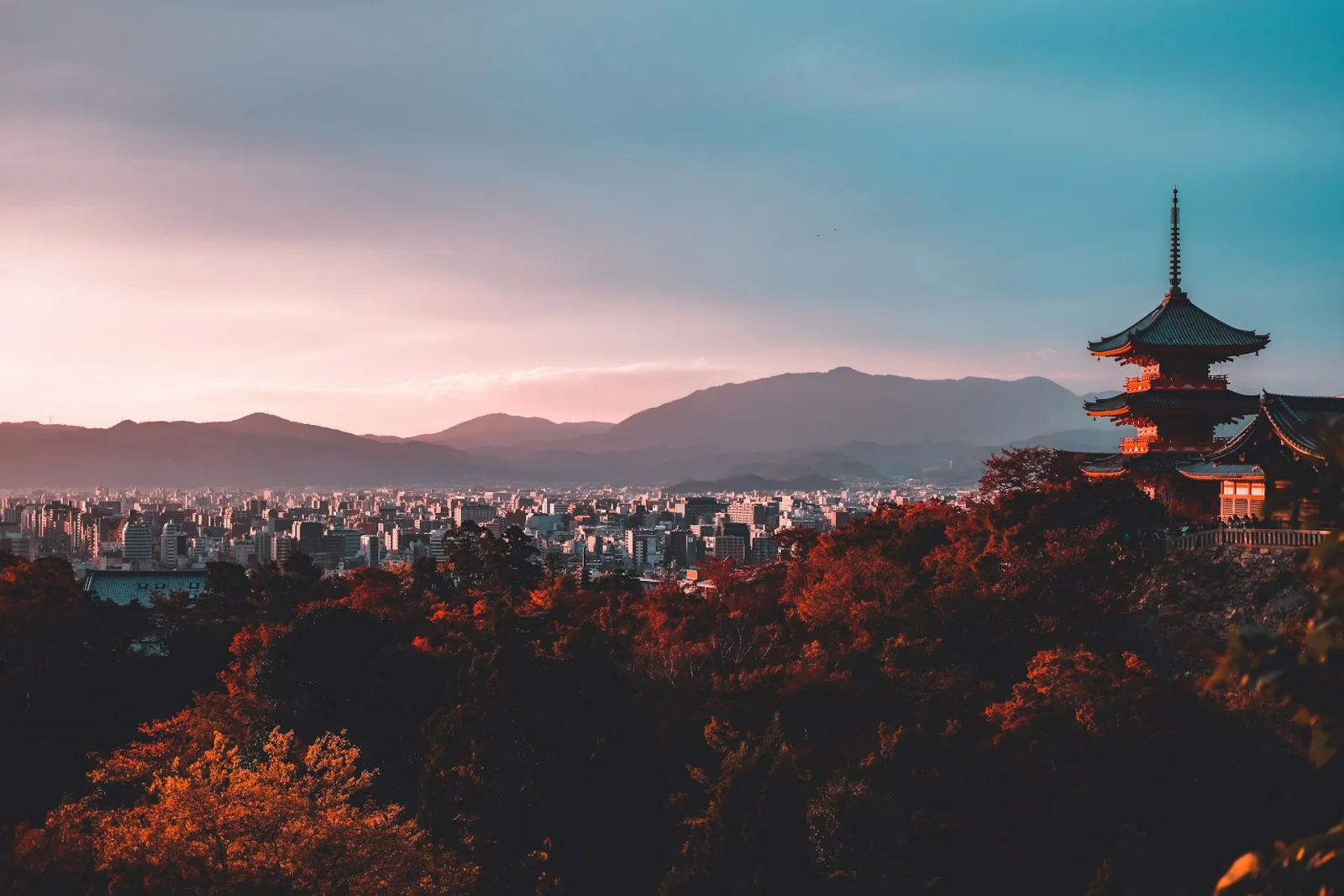
  • Kiyomizu-dera: Wooden stage with city views; cherry blossoms in spring, foliage in autumn
  • Kinkaku-ji (Golden Pavilion): Gold-leaf covered Zen temple; iconic photo spot
  • Ginkaku-ji (Silver Pavilion): Serene Zen gardens, philosophical walking path
  • Nanzen-ji: Massive temple complex with aqueduct; shojin ryori vegetarian meals available
  • Ryoan-ji: Famous rock garden; meditative atmosphere, minimal crowds

Temple Etiquette for Indians

  • Remove shoes before entering temple buildings; wear slip-on shoes for convenience
  • Bow slightly before passing through torii gates (shrine entrances)
  • Purify hands at chozuya water stations: rinse left hand, right hand, then mouth (do not swallow)
  • Photography prohibited inside main halls; check signage before taking photos
  • Speak quietly; temples are active places of worship, not just tourist attractions
  • Donation boxes are optional; small coins (¥5–¥100) are appropriate
Geisha Culture & Gion District
  • Gion District: Kyoto's most famous geisha area; evening strolls may spot maiko (apprentice geisha)
  • Respectful observation: Do not block streets for photos; geisha are working professionals, not photo props
  • Geisha experiences: Book cultural performances via official channels (Gion Corner, Kyoto Cultural Museum)
  • Photography rules: Many streets in Gion prohibit tourist photography of geisha; respect posted signs
  • Best viewing time: Early evening (5–7 PM) when maiko travel to appointments
  • Cultural context: Geisha are highly trained artists in dance, music, and conversation — not entertainers in the Western sense
Vegetarian & Indian-Friendly Food in Kyoto

Kyoto offers excellent vegetarian options rooted in Buddhist culinary traditions. Key strategies:

  • Shojin Ryori: Buddhist vegetarian cuisine — book ahead at Nanzen-ji, Shigetsu (Tenryu-ji), or Ippodo Tea House
  • Yudofu: Simmered tofu specialty — naturally vegetarian, widely available in temple areas
  • Vegetarian ramen: Try at Ippudo Kyoto or local shops offering vegetable broth options
  • Konbini meals: 7-Eleven, Lawson offer onigiri, salads, fruit; check ingredients for fish-based dashi
  • Translation cards: Use "Vegan Passport" or Google Translate to communicate dietary needs clearly
  • Temple cafes: Many temples offer matcha and wagashi (traditional sweets) — naturally vegetarian
Best Day Trips from Kyoto for Indian Travelers
  • Nara (45 min by train): Todai-ji Temple with giant Buddha, Nara Park with friendly deer, Kasuga Taisha Shrine. Ideal half-day trip.
  • Uji (20 min by train): Matcha capital of Japan; Byodo-in Temple (10-yen coin image), tea ceremonies, matcha desserts.
  • Osaka (30 min by train): Osaka Castle, Dotonbori street food, shopping. Great evening extension from Kyoto.
  • Himeji (75 min by Shinkansen): Japan's finest original castle, UNESCO World Heritage. Combine with Okayama for full day.

Pro Tip: Purchase ICOCA IC card at Kyoto Station for seamless bus/train travel to day trip destinations. Download Japan Travel by NAVITIME app for offline transit navigation.

India-Specific Kyoto Travel Tips
  1. Carry JPY cash: Many temples, small shops, and ticket machines are cash-only. Withdraw from 7-Eleven ATMs (accept Indian debit cards).
  2. Temple opening hours: Most open 9 AM–4 PM; arrive early for popular sites like Fushimi Inari to avoid crowds.
  3. Comfortable footwear: Temple visits involve walking on stone paths and removing shoes frequently — wear slip-ons.
  4. Weather preparedness: Kyoto summers are hot/humid; carry water, hat, portable fan. Winters are cold — pack layers.
  5. Vegetarian advance notice: Inform ryokan/hotels of dietary needs when booking; many can prepare vegetarian kaiseki with notice.
  6. Photography etiquette: Always ask permission before photographing people, especially in Gion; respect "no photo" signs at temples.
Frequently Asked Questions
1How many days should Indian travelers spend in Kyoto?
2–3 full days is ideal for first-time visitors. This allows time for Fushimi Inari sunrise visit, Arashiyama Bamboo Grove, Kiyomizu-dera, Gion district, and one day trip to Nara or Uji.
2What is the best area to stay in Kyoto for Indian tourists?
Kyoto Station area offers best transit connectivity for day trips. Gion/Higashiyama provides traditional atmosphere near temples. Kawaramachi has more dining options including vegetarian-friendly restaurants.
3Can vegetarian Indians find food in Kyoto temples and restaurants?
Yes. Look for shojin ryori (Buddhist vegetarian cuisine) at temples like Nanzen-ji. Many restaurants in Gion and Pontocho offer vegetarian set menus. Inform hotels in advance for kaiseki dietary adjustments.
4Is Kyoto walkable or do Indian tourists need transport passes?
Kyoto is walkable in central districts but temples are spread out. Use Kyoto City Bus Day Pass (₹600) or IC card (ICOCA) for buses/subway. Avoid taxis for daily travel — buses are efficient and affordable.
5What temple etiquette should Indian travelers follow in Kyoto?
Remove shoes before entering temple buildings, bow slightly before torii gates, purify hands at chozuya water stations, avoid photography where prohibited, and speak quietly in sacred spaces.
6What is the best day trip from Kyoto for Indian tourists?
Nara (45 min by train) offers Todai-ji Temple with giant Buddha and friendly deer park. Uji (20 min) is famous for matcha culture and Byodo-in Temple. Both are easily accessible and enrich the Kyoto experience.

Planning your Kyoto itinerary? Our Japan specialists can help match your interests with ideal temple visits, vegetarian dining, and cultural experiences.

Get a Custom Kyoto Quote →

Disclaimer: Temple hours, entry fees, and cultural guidelines are subject to change. Verify current information with official Kyoto tourism websites and individual temple sites before finalizing plans. Japan travel guidelines may update; check Embassy of Japan in India for latest entry requirements.

More Travel Guides

Explore Other Destinations

Plan Your Kyoto Trip from India

Tell us your Kyoto travel dates and interests — our specialists will craft a personalized itinerary with ideal temple visits, vegetarian dining, and cultural experiences.

Get assistance with hotel bookings near temples, ICOCA card setup, shojin ryori reservations, and geisha district etiquette guidance.

Enquire About This Package