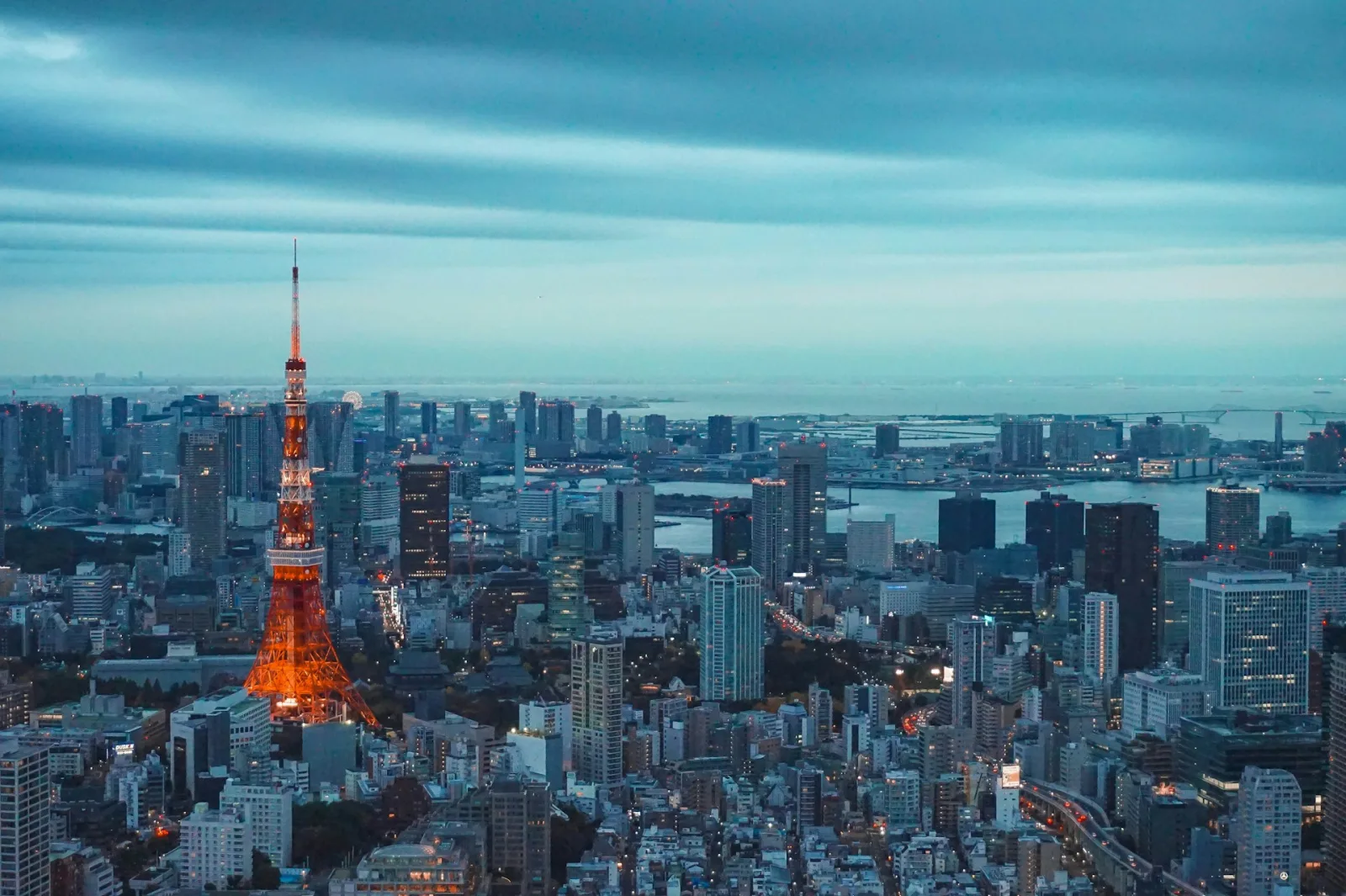
Tokyo skyline at dusk with neon lights reflecting on wet streets, Shibuya Crossing in foreground

Tokyo City Guide
for Indian Travelers

Districts, transit navigation, vegetarian food, temple etiquette & day trips — your practical Tokyo planning resource for 2026.

Written by Nisha Chaudhary — Asia Travel Specialist
Reviewed by Namrata Sethi · Asia Travel Reviewer
Last updated after reviewing:
  • Haneda Terminal 3 international routing updates for Indian carriers (2026)
  • Tokyo Metro 24-hour weekend service pilot expansion
  • Vegetarian/vegan restaurant certification updates in Tokyo (2025-2026)
Best Tokyo Districts for Indian Travelers

Tokyo's 23 wards offer distinct experiences. For first-time Indian visitors, these districts balance convenience, culture, and value:

  • Shinjuku: Transport hub (JR Yamanote Line), budget-to-luxury hotels, nightlife, shopping. Ideal base for first-timers.
  • Ueno/Asakusa: Traditional Tokyo, Senso-ji Temple, Ueno Park museums, budget hotels. Great for culture-focused travelers.
  • Shibuya/Harajuku: Youth fashion, street food, Shibuya Crossing. Best for younger travelers and pop culture enthusiasts.
  • Ginza/Tsukiji: Upscale shopping, sushi, Tsukiji Outer Market. Ideal for luxury travelers and foodies.
  • Akihabara: Electronics, anime, gaming. Essential for tech and anime fans.

← Back to Japan Travel Guide | Kyoto City Guide →

Getting Around Tokyo: Transit Tips for Indians
  • JR Yamanote Line (Green Loop): Connects Shinjuku, Shibuya, Tokyo Station, Ueno, Akihabara. Your primary transit artery.
  • IC Cards (Suica/Pasmo): Load on iPhone/Android Wallet before arrival for tap-and-go trains, buses, konbini payments.
  • Tokyo Metro 24/72-hour Pass: ₹600–₹1,200 unlimited rides — good value if doing 3+ rides/day.
  • Google Maps: Highly reliable for train schedules, platform numbers, and exit guidance in Tokyo.
  • Airport Access: Narita Express (N'EX) or Keisei Skyliner to city; Haneda Limousine Bus or Tokyo Monorail for Haneda arrivals.
  • Avoid taxis for daily travel: Significantly more expensive than trains; use only for late-night returns or heavy luggage.
Top Tokyo Sights for Indian Tourists

Must-Visit Attractions

  • Senso-ji Temple (Asakusa): Tokyo's oldest temple, vibrant Nakamise shopping street
  • Shibuya Crossing: World's busiest pedestrian crossing, Hachiko Statue
  • Meiji Shrine (Harajuku): Serene forest shrine in urban Tokyo, traditional weddings
  • Tokyo Skytree or Tokyo Tower: Panoramic city views; Skytree taller, Tower more central
  • teamLab Planets (Toyosu): Immersive digital art experience; book tickets weeks ahead
  • Tsukiji Outer Market: Fresh seafood, street food, kitchenware; go early morning

Free & Budget-Friendly

  • Imperial Palace East Gardens: Free entry, historic moats and gardens
  • Ueno Park: Museums, zoo, cherry blossoms; free park access
  • Yoyogi Park & Harajuku: People-watching, street performers, weekend markets
  • Odaiba Seaside Park: Rainbow Bridge views, teamLab Borderless (reopening 2024)
  • Free observation decks: Tokyo Metropolitan Government Building (Shinjuku), Shibuya Sky (paid but worth it)
Vegetarian & Indian-Friendly Food in Tokyo

Tokyo offers growing vegetarian options with planning. Key strategies:

  • Shojin Ryori: Buddhist vegan cuisine — try at temples like Zojo-ji or dedicated restaurants in Asakusa
  • Vegan Ramen: T's Tantan (Tokyo Station), Ippudo (vegetarian broth option upon request)
  • Konbini Meals: 7-Eleven, Lawson, FamilyMart offer salads, onigiri (check ingredients), fruit, and dairy
  • Indian Restaurants: Multiple in Shinjuku/Shibuya — useful for spice cravings or dietary certainty
  • Translation Cards: Use "Vegan Passport" or Google Translate to communicate dietary needs
  • Temple Etiquette: Remove shoes before entering; many temples have vegetarian meal options for visitors
Best Day Trips from Tokyo for Indian Travelers
  • Hakone (Mt. Fuji): 85 min from Shinjuku via Romancecar. Lake Ashi cruise, Hakone Shrine, onsen experience. Ideal for first-time Japan visitors.
  • Nikko: 2 hours via Tobu Railway. UNESCO Toshogu Shrine, Kegon Falls, natural hot springs. Best in autumn for foliage.
  • Kamakura: 1 hour via JR Yokosuka Line. Great Buddha, coastal temples, hiking trails. Relaxed pace, less crowded than Hakone.
  • Kawaguchiko (Lake Kawaguchi): Direct bus from Shinjuku. Iconic Mt. Fuji views, cherry blossoms in spring. Book accommodation early for Fuji views.

Pro Tip: Book day trip transport 1–2 weeks ahead during cherry blossom (late Mar–early Apr) and autumn foliage (Oct–Nov) seasons.

India-Specific Tokyo Travel Tips
  1. Carry JPY cash: Many small shops, ticket machines, and temples are cash-only. Withdraw from 7-Eleven ATMs (accept Indian debit cards).
  2. Download offline Google Translate: Helpful for kanji menus and signs; camera translation works well for food labels.
  3. Temple/Shrine etiquette: Bow before entering torii gates, purify hands at chozuya, avoid photography where prohibited.
  4. Power adapters: Japan uses Type A (2-flat-pin) outlets at 100V. Most Indian phone/laptop chargers auto-switch; carry a universal adapter for Type D plugs.
  5. Connectivity: Get eSIM (Ubigi/Airalo) or pocket Wi-Fi at arrival for seamless navigation and translation.
  6. Jet lag management: Tokyo is 3.5 hours ahead of IST. Arrive evening Tokyo time to align sleep schedule faster.
Frequently Asked Questions
1Which Tokyo district is best for first-time Indian visitors?
Shinjuku or Ueno are ideal for first-timers. Both are on the JR Yamanote Line with easy airport access, budget-to-mid-range hotels, and walkable access to major sights. Shinjuku offers nightlife and shopping; Ueno offers museums, parks, and a more relaxed pace.
2How do Indian tourists get around Tokyo easily?
Use the JR Yamanote Line (green loop) for most tourist sights. Load a Suica or Pasmo IC card on your iPhone/Android Wallet before arrival for tap-and-go transit. Google Maps works reliably for train schedules and platform numbers. Avoid taxis for daily travel — they are significantly more expensive than trains.
3Can vegetarian Indians find food in Tokyo?
Yes, with planning. Traditional broths often contain fish. Look for "shojin ryori" (Buddhist vegan), dedicated vegetarian cafes in Asakusa/Shibuya, or use "Vegan Passport" cards. Many ramen shops offer soy-miso vegetable options upon request. Konbini (7-Eleven, Lawson) offer salads, onigiri, and fruit.
4Is Tokyo safe for Indian families and solo women travelers?
Tokyo is exceptionally safe with low crime rates, clean streets, and reliable emergency services. Indian families and solo women travelers consistently report secure experiences. Standard precautions apply: watch bags in crowded stations, use hotel safes for valuables, and share itinerary with family.
5What is the best day trip from Tokyo for Indian tourists?
Hakone (Mt. Fuji views, hot springs, Lake Ashi cruise) is the most popular day trip. Accessible via Romancecar or Shinkansen from Shinjuku. Alternatively, Nikko (UNESCO shrines, nature) or Kamakura (Great Buddha, coastal temples) offer cultural depth with easy train access.
6Do I need a JR Pass for Tokyo travel?
No. The nationwide JR Pass is not cost-effective for Tokyo-only travel. Use a Suica/Pasmo IC card for pay-as-you-go transit. If adding Kyoto/Osaka, calculate point-to-point Shinkansen costs first — regional passes often offer better value than the nationwide JR Pass post-2023 price increase.

Planning your Tokyo itinerary? Our Japan specialists can help match your interests with ideal districts, transit passes, and vegetarian dining options.

Get a Custom Tokyo Quote →

Disclaimer: Transit schedules, attraction hours, and dining options are subject to change. Verify current information with official Tokyo Metro, JR East, and tourism websites before finalizing plans. Japan travel guidelines may update; check Embassy of Japan in India for latest entry requirements.

More Travel Guides

Explore Other Destinations

Plan Your Tokyo Trip from India

Tell us your Tokyo travel dates and interests — our specialists will craft a personalized itinerary with ideal district stays, transit passes, and vegetarian dining options.

Get assistance with hotel bookings near JR Yamanote Line, Suica/Pasmo setup, temple etiquette guidance, and day trip coordination.

Enquire About This Package