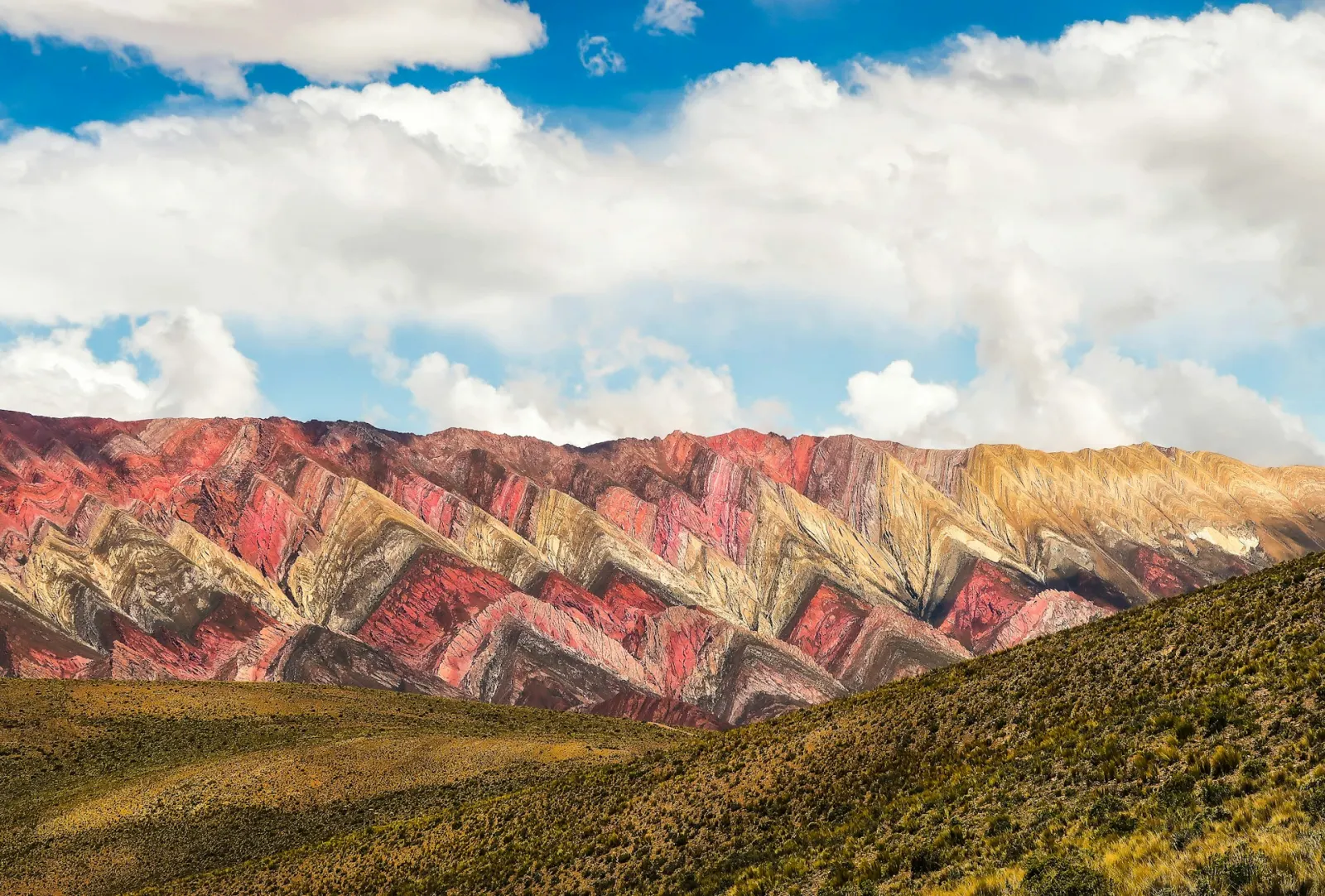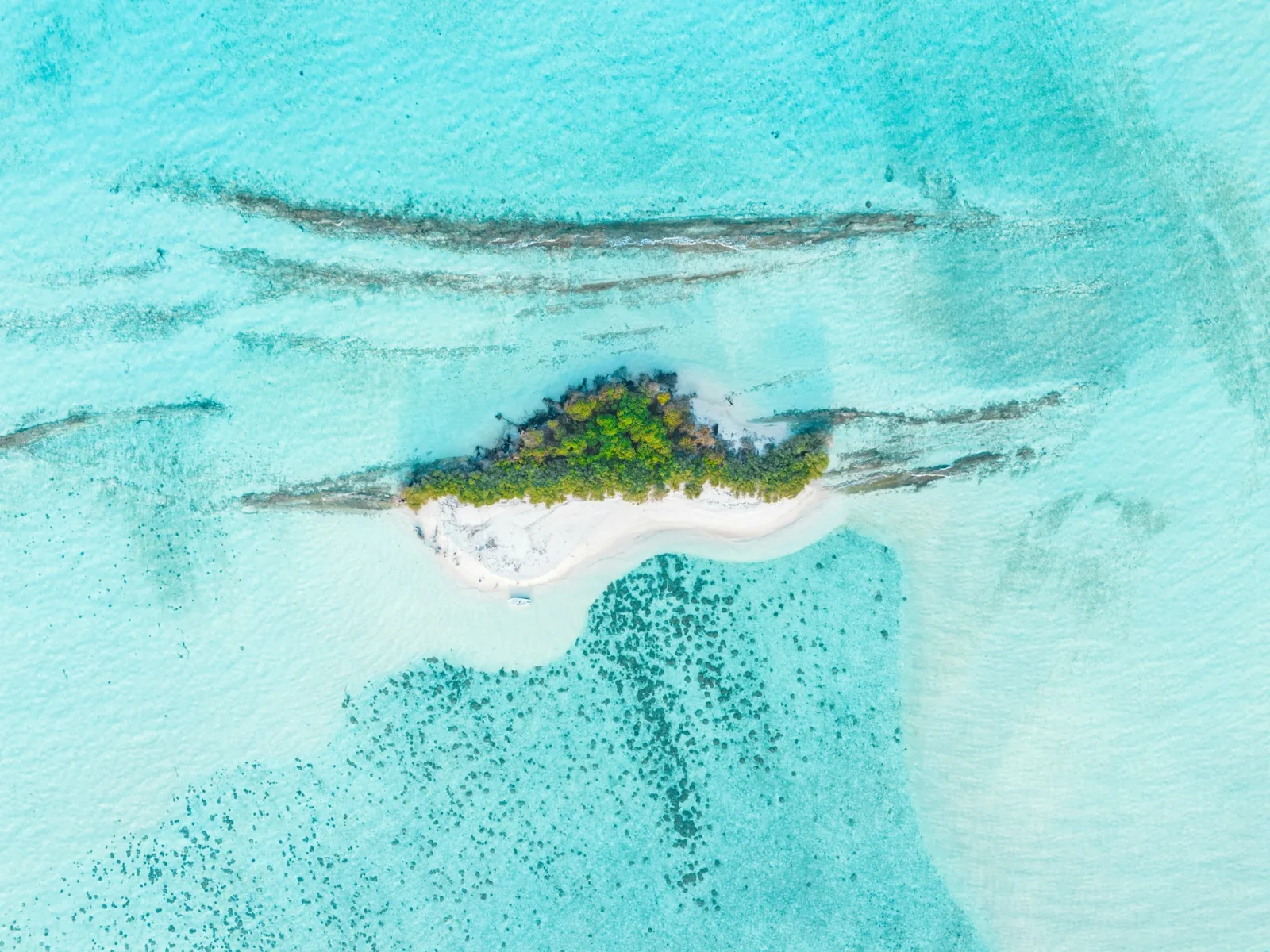
Marine biologist planting coral fragments on underwater restoration frame in Maldives turquoise lagoon

Maldives Marine Conservation
& Eco-Tourism for Indians 2026

Coral restoration, eco-resorts, responsible snorkeling & how Indian travelers can support sustainable tourism in the Maldives.

Updated June 2026
Written by Nisha Chaudhary — Asia Travel Specialist
Reviewed by Namrata Sethi · Asia Travel Reviewer
Last updated after reviewing:
  • Maldives Green Tax revision funding marine conservation (Jan 2026)
  • New coral restoration partnerships with Indian NGOs launched (Q1 2026)
  • Updated eco-resort certification standards for Maldives properties

Last updated: April 2026

Maldives Marine Conservation Efforts
Protected areas, coral restoration, and sustainability initiatives that Indian eco-travelers can support.

Key Conservation Programs

  • Baa Atoll UNESCO Biosphere Reserve: Protected area for manta rays, whale sharks, and coral ecosystems; guided eco-tours available
  • Coral Restoration Projects: Reefscapers, Six Senses Laamu, and local NGOs plant coral fragments on underwater frames; guests can participate
  • Marine Protected Areas (MPAs): Over 40 designated zones restricting fishing and anchoring to protect biodiversity
  • Shark Sanctuaries: Nationwide ban on shark fishing to protect reef predators and maintain ecosystem balance
  • Turtle Conservation: Olive Ridley Project rescues turtles from ghost nets; resorts offer monitoring volunteer opportunities

For complete Maldives travel planning including eco-friendly itinerary options, see our Maldives travel guide.


Eco-Certified Resorts for Indian Travelers
Sustainable luxury resorts that prioritize environmental protection while delivering exceptional guest experiences.

Top Eco-Resort Picks

  • Soneva Fushi: EarthCheck Gold certified; solar-powered, zero-waste policy, coral restoration program, organic gardens
  • Gili Lankanfushi: Green Globe certified; plastic-free, marine biology center, guest coral planting activities
  • Six Senses Laamu: Solar-powered resort; marine conservation lab, turtle monitoring, reef-safe amenities mandatory
  • Milaidhoo Island: Sustainable luxury; supports local conservation NGOs, reef-safe sunscreen provided, plastic-free operations
  • Key Booking Tip: Request eco-amenities at reservation: reef-safe toiletries, reusable water bottles, and participation in conservation activities

For detailed cost comparisons between eco-resorts and standard properties, refer to our Maldives trip cost guide.

Responsible Travel Practices for Indian Visitors
Simple actions Indian travelers can take to minimize environmental impact while enjoying the Maldives.

Important: Many Maldives resorts now require reef-safe sunscreen. Check your accommodation's policy before packing.

Do's and Don'ts for Eco-Travelers

  • DO use reef-safe sunscreen: Avoid oxybenzone and octinoxate; choose mineral-based zinc oxide or titanium dioxide formulas
  • DO maintain distance from marine life: Never touch coral, turtles, or rays; observe from 2+ meters away
  • DO choose licensed eco-tour operators: Verify certifications and conservation commitments before booking excursions
  • DON'T collect shells or coral: Removing natural materials disrupts ecosystems and is illegal in protected areas
  • DON'T feed fish or marine animals: Artificial feeding alters natural behaviors and ecosystem balance
  • DO minimize single-use plastics: Bring reusable water bottles; many resorts provide refill stations
  • DO respect local island customs: Dress modestly away from bikini beaches; support community-based eco-tourism
How Indian Travelers Can Support Maldives Conservation
Practical ways to contribute to marine protection during and after your Maldives visit.

Direct Conservation Actions

  • Participate in coral planting: Many eco-resorts offer guest programs to plant coral fragments on restoration frames (₹2K–₹5K contribution)
  • Join beach cleanups: Resorts and local islands organize regular cleanups; guests can volunteer for 1–2 hours
  • Support conservation NGOs: Donate to Reefscapers, Olive Ridley Project, or Maldives Whale Shark Research Programme
  • Choose eco-certified accommodations: Your booking decisions drive market demand for sustainable practices
  • Share responsible travel practices: Educate fellow Indian travelers about reef-safe sunscreen and marine etiquette
  • Offset your carbon footprint: Calculate flight emissions and support verified carbon offset projects

Pro Tip: Many eco-resorts include conservation activities in their all-inclusive packages — confirm inclusions when booking to maximize your impact.

Planning an eco-conscious Maldives trip? Share your sustainability goals — we'll match you with certified eco-resorts and conservation experiences.

Get Maldives Eco-Travel Planning →
Frequently Asked Questions — Maldives Conservation for Indians
Clear, verified answers to common eco-tourism queries from Indian travelers.
1How can Indian travelers support marine conservation in the Maldives?
Choose eco-certified resorts, participate in coral planting programs, use reef-safe sunscreen, avoid touching marine life, and support local conservation NGOs. Many resorts offer volunteer opportunities for guests.
2Which Maldives resorts are certified for eco-tourism?
Top eco-certified resorts: Soneva Fushi (EarthCheck Gold), Gili Lankanfushi (Green Globe), Six Senses Laamu (solar-powered), and Milaidhoo (sustainable luxury). All offer coral restoration programs and plastic-free policies.
3What is reef-safe sunscreen and why is it important in Maldives?
Reef-safe sunscreen contains no oxybenzone or octinoxate — chemicals that bleach coral. Many Maldives resorts require reef-safe sunscreen. Indian travelers can buy brands like Stream2Sea, Badger, or All Good at Malé pharmacies or bring from home.
4Can Indian travelers volunteer for coral restoration in the Maldives?
Yes. Many eco-resorts and NGOs like Reefscapers, Maldives Whale Shark Research Programme, and Olive Ridley Project offer guest volunteer programs. Activities include coral fragment planting, turtle monitoring, and marine debris cleanup.
5How does the Maldives Green Tax support conservation?
The Maldives Green Tax (USD 6/night on resorts, USD 3/night on local islands) funds environmental protection, waste management, and marine conservation projects. Indian travelers contribute directly to sustainability by paying this mandatory fee.

Note: Conservation programs, resort certifications, and eco-policies may change. Always verify current sustainability practices with your chosen accommodation. For complete Maldives planning including visa, cost, and itinerary details, refer to our Maldives travel guide.

More Travel Guides

Explore Other Destinations

Plan Your Eco-Conscious Maldives Trip

Submit your enquiry for Maldives eco-tourism planning — certified eco-resorts, conservation experiences, and sustainable travel logistics.

Our team helps Indian travelers explore the Maldives responsibly with verified eco-partners, conservation activities, and India-focused support.

Enquire About This Package