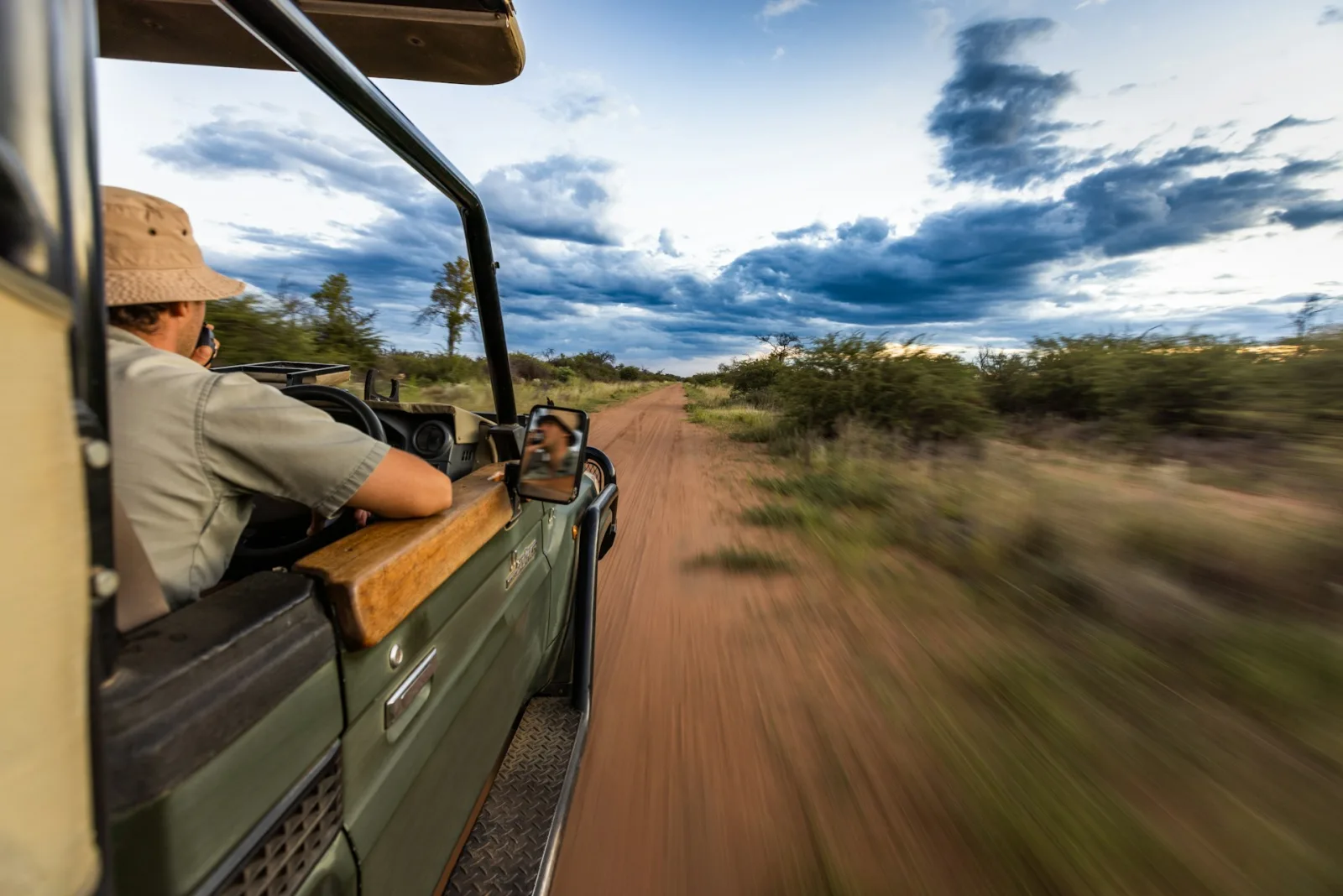
Elephants gathering at a waterhole during a crisp winter morning game drive in Kruger National Park

South Africa Winter Safari Guide
for Indian Travelers 2026

Why May to August is the ultimate Big Five season, plus expert packing, health, and booking tips.

Written by Vishal Narayan — Africa Travel Specialist
Reviewed by Veena Rathore · Africa Travel Reviewer
Last updated after reviewing:
  • 2026 Kruger National Park winter gate times and conservation fee updates
  • Latest malaria prophylaxis guidelines for the Lowveld region during winter months
  • Winter booking windows and availability for premium private reserves like Sabi Sands
Why Winter is the Best Time for a South African Safari
Understanding the ecological and practical advantages of visiting the bushveld between May and August.

The Ecological Advantage

South Africa's winter (May to August) coincides with the dry season in the Lowveld region, including Kruger National Park. The absence of rainfall causes the dense summer vegetation to thin out dramatically, removing the visual barriers that often hide wildlife. Furthermore, as temporary water sources dry up, animals are forced to congregate around permanent rivers and waterholes, making predator-prey interactions and Big Five sightings highly predictable and frequent.

For Indian travelers, this period is especially convenient as it aligns perfectly with the Indian summer school holiday season (May-June), making it an ideal family getaway. For a broader look at seasonal variations, refer to our best time to visit guide.
Big Five Wildlife Behavior in Winter
What to expect from lions, leopards, rhinos, elephants, and buffalo during the dry months.

Species-Specific Winter Patterns

  • Leopards: With less foliage, leopards are easier to spot resting on lower tree branches or moving along riverbeds. Private reserves allow off-road tracking, maximizing sighting probabilities.
  • Lions: Pride members spend more time in the shade near water sources during the day, making afternoon and early morning drives highly rewarding.
  • Elephants: Large herds gather predictably around the Sabie, Crocodile, and Olifants rivers. The dust from their winter wallows also makes them highly photogenic against the golden hour light.
  • Rhinos: Both black and white rhinos are frequently seen at dawn and dusk near permanent waterholes as they come to drink.
  • Buffalo: Large herds are highly visible in the open plains and around muddy waterholes, often attracting nearby predators.
Winter Health & Malaria Considerations
Understanding the reduced, but not eliminated, health risks during the dry season.

Medical Advisory: While mosquito populations plummet in winter, Kruger National Park is still classified as a moderate malaria-risk zone. Do not skip prophylaxis without consulting a doctor.

Winter Precautions for Indians

  • Reduced Risk: The cold, dry winter air significantly reduces Anopheles mosquito activity, making the risk much lower than in summer.
  • Prophylaxis: Most Indian travel clinics still recommend a course of Malarone or Doxycycline as a precautionary measure.
  • Bite Prevention: Apply DEET-based repellent during dawn and dusk game drives. Wear long, neutral-colored sleeves and trousers.
  • Malaria-Free Alternative: If you wish to eliminate the risk entirely (especially for young children or pregnant women), book a winter safari at Madikwe Game Reserve or Pilanesberg. For detailed health protocols, see our malaria prevention guide.
South Africa Winter Safari Packing List
How to dress for freezing morning game drives and warm afternoons.

The Layering Strategy

Winter temperatures in the Lowveld can drop to 5°C (41°F) during early morning open-vehicle game drives, but rise to a pleasant 20–25°C (68–77°F) by midday. Layering is essential.

  • Base Layer: Thermal or long-sleeved moisture-wicking tops and trousers in neutral colors (khaki, olive, beige).
  • Mid Layer: A warm fleece jacket or light down vest.
  • Outer Layer: A windproof and waterproof jacket to block the chill of the moving safari vehicle.
  • Accessories: A warm beanie, light gloves, and a scarf are crucial for 5:30 AM departures. These can be stowed in your day bag once the sun rises.
  • Footwear: Closed-toe, comfortable walking shoes or light hiking boots.
  • Essentials: High-SPF sunscreen, sunglasses, a wide-brimmed hat, binoculars, and a universal Type M plug adapter.
Winter Booking Windows & Cost Expectations
Strategic planning for Indian families traveling during the peak summer holiday season.

Peak Season Realities

Because the South African winter aligns with Indian school holidays (May-July), this is the absolute peak season for Indian travelers. Demand for family suites and premium lodges is exceptionally high.

  • Booking Window: Secure luxury private lodges (e.g., Sabi Sands, Timbavati) 8 to 12 months in advance. SANParks rest camps open 11 months ahead and sell out within days for June-July.
  • Cost Impact: Expect lodge rates to be at their annual highest. However, the favorable ZAR to INR exchange rate still makes South Africa a highly competitive luxury safari destination compared to East Africa. For a detailed financial breakdown, see our South Africa trip cost guide.
  • Dietary Requests: Reiterate your Indian vegetarian or Jain dietary requirements at the time of booking to ensure the kitchen is fully prepared.

Want to secure a premium winter safari lodge before they sell out? Our experts handle early bookings, dietary arrangements, and seamless logistics.

Get a Custom Winter Safari Quote →
Frequently Asked Questions — Winter Safaris
Quick answers to the most common winter travel questions from Indian safari-goers.
1Why is winter the best time for a South Africa safari?
During the South African winter (May to August), vegetation thins out and animals congregate around permanent waterholes, making Big Five sightings significantly easier. Additionally, the cooler weather is more comfortable for open-vehicle game drives, and malaria risk is at its lowest.
2Is it cold on winter morning game drives in Kruger?
Yes, early morning game drives in winter can be very cold, with temperatures dropping to 5°C (41°F) or lower. It is essential to pack warm layers, including a fleece jacket, beanie, and gloves, which can be removed as the day warms up to a pleasant 20-25°C.
3Do I still need malaria tablets for a winter safari in Kruger?
While the malaria risk is significantly lower during the dry winter months, Kruger National Park is still classified as a moderate-risk zone. Most travel clinics still recommend prophylaxis, along with strict bite prevention measures like DEET repellent and long sleeves at dawn and dusk.
4Are winter safaris more expensive for Indian travelers?
Yes, because the South African winter (June-August) aligns perfectly with Indian summer school holidays, it is considered peak season. Lodge rates and domestic flights are higher, and availability is tight, so booking 6-9 months in advance is highly recommended.
5What is the best alternative if I want a winter safari but want to avoid malaria entirely?
Consider a malaria-free Big Five reserve like Madikwe Game Reserve or Pilanesberg National Park. Both offer excellent winter wildlife viewing, luxurious lodges, and are completely safe for pregnant women and young children without the need for anti-malarial medication.

Note: Safari conditions, lodge pricing, and health advisories are subject to change. Winter temperatures can fluctuate, and malaria risk, while low, is not zero. Always consult a travel medicine specialist before departure and confirm specific dietary or accessibility requirements directly with your chosen lodge at the time of booking.

Plan Your Winter South Africa Safari

Fill out the enquiry form below and our travel experts will help you secure a premium winter safari lodge, complete with seamless internal flights and customized vegetarian dining.

We handle all logistics, including dietary arrangements, park fees, and expert guide bookings, ensuring a flawless Big Five experience tailored for Indian travelers.

Enquire About This Package