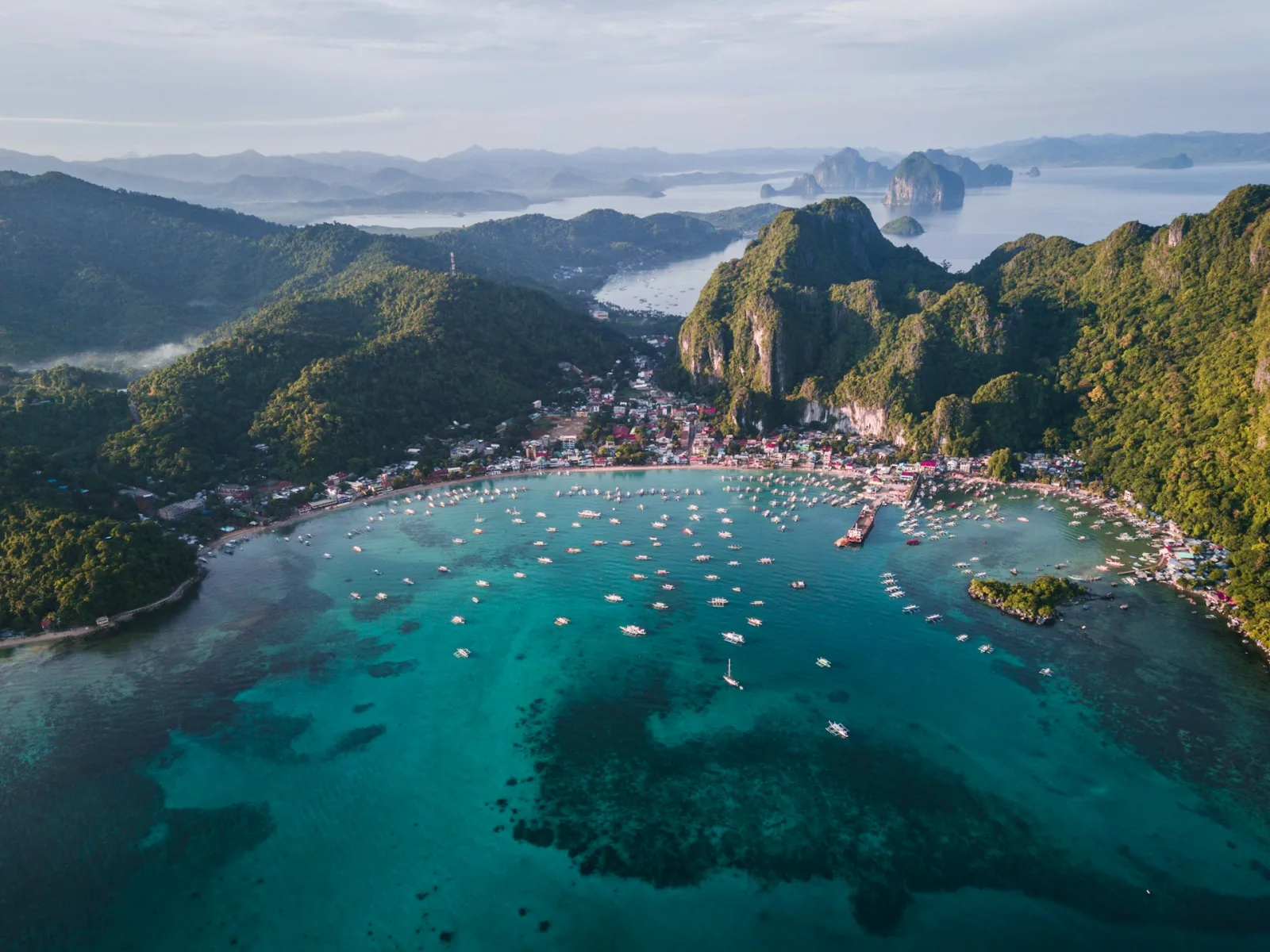
Aerial view of limestone karsts and turquoise lagoons in El Nido, Palawan, Philippines

Philippines Travel Guide
for Indian Travelers

Visa, cost, itinerary & tips — your complete guide to planning a trip to the Philippines from India in 2026.

Updated for 2026 Travelers
Written by Nisha Chaudhary — Asia Travel Specialist
Reviewed by Namrata Sethi · Asia Travel Reviewer
Last updated after reviewing:
  • Philippines Visa-on-Arrival eligibility update for Indian nationals (Jan 2026)
  • eTravel QR code mandatory digital entry/exit system update
  • Domestic ferry route changes for Palawan & Visayas 2026

Last updated: April 2026

Philippines Trip Cost from India (Detailed Breakdown)
Realistic cost breakdown for flights, visa, hotels, food, and total budget for 2026

Cost Breakdown 2026

  • Return Flights: ₹35,000 – ₹60,000
  • Visa / VOA Fee: FREE (VOA if eligible with valid third-country visa) or approx ₹2,200 for regular tourist visa
  • Hotels (per night): ₹2,500 – ₹7,000
  • Food (per day): ₹1,500 – ₹4,000
  • Local Transport (per day): ₹1,000 – ₹3,000
  • Activities & Island Tours: ₹10,000 – ₹20,000 total
  • Travel Insurance: ₹1,000 – ₹2,500
  • Total (7–10 days): ₹40K – ₹90K per person

The Philippines is a budget-friendly alternative to Europe and offers excellent value compared to Japan or South Korea. Domestic ferries and flights to Palawan and Boracay can increase costs if not booked early.

Best Departure Cities

  • Delhi (DEL) — Most flight options via Bangkok, Singapore, or Kuala Lumpur
  • Mumbai (BOM) — Good connections via Bangkok or Singapore
  • Chennai (MAA) — Options via Colombo or Singapore
  • Bangalore (BLR) — Limited direct SE Asia connections, 1 layover common
  • Kolkata (CCU) — Good proximity to Southeast Asia routes

Delhi and Mumbai offer the best flight connectivity to Manila (MNL) with competitive fares from airlines like Singapore Airlines, AirAsia, and Cebu Pacific.

Ready to plan your Philippines trip? Let us handle flights, visa, hotels, and tours.

View Philippines Tour Packages →
Flight Routes from India to the Philippines
Flights from India to Manila take 7–12 hours with one layover. Here are the most popular routes.

Delhi to Manila

  • Route 1: DEL → Bangkok → MNL (AirAsia / Thai Airways)
  • Route 2: DEL → Singapore → MNL (Singapore Airlines / Scoot)
  • Route 3: DEL → Kuala Lumpur → MNL (AirAsia / Malaysia Airlines)
  • Route 4: DEL → Ho Chi Minh / Hanoi → MNL (VietJet)
  • Duration: 8–12 hours
  • Price Range: ₹35,000 – ₹55,000

Mumbai to Manila

  • Route 1: BOM → Bangkok → MNL (AirAsia / Thai Smile)
  • Route 2: BOM → Singapore → MNL (Singapore Airlines)
  • Route 3: BOM → Kuala Lumpur → MNL (AirAsia / Malaysia Airlines)
  • Duration: 7–10 hours
  • Price Range: ₹40,000 – ₹60,000

Note: Ninoy Aquino International Airport (MNL) in Manila is the primary international gateway. Domestic flights to Cebu, Palawan (PPS), and Boracay (via Caticlan MPH) depart from MNL. Check Asia travel guides for more regional information.

Philippines vs Thailand Cost for Indian Travelers
How does the Philippines compare to Thailand on cost? Here is a practical comparison for Indian travelers.
Expense Philippines (7 days) Thailand (7 days)
Flights₹35K – ₹60K₹20K – ₹40K
VisaFREE (VOA) / ₹2,200 (Regular)Free (30 days VOA)
Hotels/night₹2.5K – ₹7K₹2K – ₹6K
Food/day₹1.5K – ₹4K₹1.2K – ₹3.5K
Local Transport₹1K – ₹3K/day₹800 – ₹2.5K/day
Total Trip₹40K – ₹90K₹35K – ₹75K
Flights
Philippines₹35K – ₹60K
Thailand₹20K – ₹40K
Visa
PhilippinesFREE / ₹2,200
ThailandFree (30 days)
Hotels/night
Philippines₹2.5K – ₹7K
Thailand₹2K – ₹6K
Food/day
Philippines₹1.5K – ₹4K
Thailand₹1.2K – ₹3.5K
Total Trip
Philippines₹40K – ₹90K
Thailand₹35K – ₹75K

Thailand has slightly cheaper flights and on-ground costs due to higher tourism volume. The Philippines offers quieter, pristine beaches and island experiences for a marginally higher price.

Best Time to Visit the Philippines from India
The Philippines can be visited year-round, but the dry season is highly recommended for island hopping and beach activities.
Month Philippines Season Manila Palawan/Boracay Cebu India Travel Note
JanDry PeakCool, dry 24–31°CCalm seas, excellent for islandsPerfect beach weatherIndia winter holidays — peak demand
FebDry PeakWarm 24–32°CBest diving & island hoppingIdeal conditionsIndia school holidays end
MarHot Dry ✓Hot 26–34°CVery hot, great for beachesHot & sunnyGood post-Holi window
AprHot Dry ✓Very hot 28–35°CPeak summer, crowdedHotIndia summer vacations begin
MayLate Dry / Wet StartHot, pre-monsoon 28–34°COccasional rain, still goodTransition periodModerate season
JunWet SeasonRainy, humid 26–32°CRough seas, some closuresFrequent rainsBudget season, heavy rains
JulWet / TyphoonHeavy rain, typhoon riskHigh wave, ferry disruptionsWetIndia monsoon — budget prices
AugWet PeakHeavy rain, typhoon riskIsland hopping limitedWetNot recommended for first-timers
SepLate WetDecreasing rain 25–32°CImproving conditionsTransition periodPost-monsoon window
OctDry Starts ✓Clearing, pleasant 25–31°CGood, fewer crowdsPleasantBest shoulder month — book early
NovDry ✓✓Cool & dry 24–30°C, idealExcellent, calm seasIdeal conditionsPeak Indian travel month
DecDry PeakCool, festive 23–30°CPerfect for holidays & divingExcellentIndia winter holidays — peak prices
7-Day Philippines Itinerary for Indian Travelers
A perfect one-week Philippines itinerary covering Manila, Palawan, and Boracay highlights.

Day-by-Day Plan

  • Day 1: Arrive in Manila — check-in, explore Intramuros (Spanish colonial heritage)
  • Day 2: Manila city tour — Rizal Park, National Museum, Binondo Chinatown food walk
  • Day 3: Fly to El Nido, Palawan — check-in, beach sunset, local market
  • Day 4: Island hopping Tour A (Big Lagoon, Small Lagoon, Shimizu Island)
  • Day 5: Island hopping Tour B (Snake Island, Pinagbuyutan Island) or Coron trip
  • Day 6: Fly to Caticlan → Boracay — White Beach, water sports, sunset sailing
  • Day 7: Boracay morning relaxation → Fly to Manila → Depart for India

Planning Notes

  • Domestic flights: Book Manila–Palawan and Palawan–Caticlan flights on Cebu Pacific or Philippine Airlines in advance
  • Budget option: Skip Boracay — Manila + Palawan is the most cost-effective 5-day combination
  • Currency: Philippine Peso (PHP). ATMs widely available. Carry USD for backup
  • Language: Filipino and English widely spoken. No language barrier for Indian travelers
  • Connectivity: Local SIM (Smart or Globe) available at MNL airport
  • Vegetarians: Limited traditional veg food in Manila. Boracay & Palawan have many veg-friendly cafes
  • eTravel QR: Mandatory registration within 72 hours before departure via etravel.gov.ph

Want a hassle-free Philippines trip? Our packages include flights, hotels, transfers, and guided tours.

Book Philippines Tour Package →
Philippines Visa for Indians — Complete Guide & Travel Essentials
Essential information for Indian travelers — from Philippines visa requirements and time zones to plug adapters and local transport apps.

Tip: Register for eTravel at etravel.gov.ph before your flight to avoid delays at immigration.

Philippines Visa for Indians — 2026 Update

Update (Jan 2026): Indian nationals holding a valid US, UK, Japan, Australia, Canada, Schengen, or Singapore visa can enter the Philippines visa-free for 21 days (extendable to 30 days). No embassy visit required. Source: Embassy of the Philippines in India.

  • With valid third-country visa (US/UK/JP/AU/CA/Schengen/SG): Enter Philippines visa-free for up to 21 days — extendable to 30 days at local immigration
  • Without third-country visa: Apply for a regular Philippine tourist visa — approx ₹2,200 fee
  • Where to apply: Embassy of the Philippines in New Delhi (processes for all of India)
  • Documents (Regular Visa): Valid passport (6+ months validity, 2 blank pages), application form, photos, return tickets, hotel bookings, bank statements, travel insurance
  • Processing time: 5–7 working days — apply at least 2 weeks before travel
  • Duration permitted: 21 days for VOA holders, 59 days max for regular tourist visa
CLICK TO KNOW MORE ABOUT VISA DOCUMENTATION & FEES

Time Zone

The Philippines follows Philippine Time (PHT), which is UTC+8 and 2.5 hours ahead of Indian Standard Time (IST). There is no daylight saving time, so the difference remains constant year-round.

  • Philippine Time (PHT): UTC+8
  • Philippines is 2.5 hours ahead of Indian Standard Time (IST)
  • When it is 12:00 PM in the Philippines, it is 9:30 AM in India
  • The Philippines does not observe Daylight Saving Time
  • Business hours typically run from 9 AM to 6 PM PHT on weekdays
  • Banks operate from 9 AM to 3 PM on weekdays
  • Shopping malls open from 10 AM to 10 PM daily
  • Restaurants serve lunch from 11:30 AM–2 PM and dinner from 6 PM onwards

Country Code

To call the Philippines from India, use the international dialing code +63 followed by the area code and local number.

  • International Dialing Code: +63
  • To call the Philippines from India, dial: 00-63-XX-XXXX-XXXX
  • Manila area code: 2
  • Cebu area code: 32
  • Palawan (Puerto Princesa) area code: 48
  • Emergency services: 911 (Police/Ambulance/Fire)
  • Major telecom providers: Globe, Smart, DITO
  • Tourist SIM cards available at Ninoy Aquino Airport (MNL)
  • Free Wi-Fi available in most hotels, cafes, and SM malls

Socket & Plugs

The Philippines uses Type A, Type B, and Type C electrical outlets with 220V at 60Hz. Indian travelers will need a plug adapter for 3-pin plugs.

  • Type A, Type B, Type C — 220V, 60Hz
  • Type A: 2-flat pins (common in older buildings)
  • Type B: 2-flat + ground pin (modern hotels)
  • Type C: European 2-round pins
  • Indian Type C plugs (2-pin round) work without adapter ✅
  • Indian Type D plugs (3-pin round) require a universal adapter
  • Universal travel adapters available at MNL airport and SM malls
  • Most modern devices support 100–240V and will work fine

Indian Embassy in the Philippines

The Embassy of India in Manila provides consular services for Indian nationals.

  • Address: 30th Street corner 5th Avenue, Bonifacio Global City, Taguig, Metro Manila 1634
  • Contact: +63 2 8856 2041 / 8856 3333
  • Email: [email protected]
  • Emergency (24/7): +63 917 826 6577
  • Working Hours: Mon–Fri, 9:00 AM – 5:00 PM
  • Services: passport renewal, emergency certificates, assistance to Indian nationals
  • Register with MADAD portal before travel for advisories and assistance

Philippines Embassy in India

The Embassy of the Philippines in New Delhi processes tourist visa applications for Indian nationals. VOA is available if you hold a valid third-country visa.

  • Address: C-17, Malcha Marg, Chanakyapuri, New Delhi 110021
  • Contact: +91-11-4955-9300
  • Email: [email protected]
  • Consular Section: [email protected]
  • Working Hours: Mon–Fri, 9:00 AM – 4:30 PM
  • Visa fee: Approx ₹2,200 for regular tourist visa
  • Processing time: 5–7 working days
  • Note: Bring original documents + photocopies for visa submission

Car Driving Orientation

Right-Hand Drive (Opposite to India)

  • The Philippines follows right-hand driving, opposite to India's left-hand system
  • International Driving Permit (IDP) required along with valid home country license
  • Speed limits: 30–40 km/h in urban areas, 80–100 km/h on highways
  • Seat belts mandatory for all passengers
  • Driving under influence strictly prohibited
  • Car rental available in Manila, Cebu, and Palawan
  • Public transport (jeepneys, tricycles, Grab) highly recommended in cities
  • Manila traffic can be very heavy — allow extra travel time

App Based Taxi

Grab is the Primary Ride-Hailing App

  • Grab operates in Manila, Cebu, Davao, and Boracay
  • Angkas and JoyRide are popular for motorcycle taxis
  • Payment options include credit/debit cards, cash, or GCash
  • Average fare from MNL Airport to Makati: PHP 400–600 (approx ₹600–₹900)
  • Traditional taxis are available but use only metered yellow/white cabs
  • Jeepneys are the iconic local transport — cheap but confusing for tourists
  • Tricycles used in smaller cities and islands for short distances
  • Always use registered taxis or Grab for safety and fair pricing

Need help with Philippines visa? Our visa team assists with documentation, application, and follow-up.

Philippines Visa Assistance →
Philippines Culture, Language & Local Customs
Understand Filipino language, local slang, and cultural norms to connect better with locals.

Official Language

Filipino & English — Official Languages

  • The Philippines has two official languages: Filipino (based on Tagalog) and English
  • English is widely spoken in business, education, and tourism — minimal language barrier for Indians
  • Local languages include Cebuano, Ilocano, Hiligaynon, and Waray depending on the region
  • Signage, menus, and official documents are primarily in English
  • Learning basic Filipino greetings (Kumusta, Salamat, Po) is highly appreciated
  • Most Filipinos are fluent in English and happy to assist travelers
  • Translation apps work well in remote island areas
  • Filipino hospitality (Bayanihan spirit) is a core cultural value

Local Vocabulary

Understanding these Filipino slang terms helps connect with locals and understand culture better.

  • Po / Opo — Polite particles added to sentences for respect
  • Salamat — Thank you
  • Kumusta — How are you? (from Spanish "como esta")
  • Sana all — "Wish me luck" or "I wish I had that too" (internet slang)
  • Charot — "Just kidding" or playful tease
  • Lodi — Idol (reversed spelling), refers to someone respected or admired
  • Beshie / Bes — Bestie / Best friend
  • Uy — Hey / Excuse me
  • Gigil — The urge to pinch something cute or extreme frustration
  • Baro — Traditional formal wear (Barong Tagalog for men, Baro't Saya for women)

Toilet Signs

Public restrooms are called "CR" (Comfort Room) or "Banyo" in the Philippines. Signs typically display "Men / Women" with pictograms.

  • Men's toilets marked with "Men" or "M" and male symbol
  • Women's toilets marked with "Women" or "F" and female symbol
  • Public toilets in Manila malls are generally clean and well-maintained
  • Some public facilities in islands charge a small fee (PHP 10–20)
  • Shopping malls, restaurants, and hotels have free restrooms
  • Always carry tissue paper as some public toilets may not have toilet paper
  • Western-style seated toilets are standard; squat toilets found in rural areas
  • Water hose or tabo (dipper) commonly provided instead of bidet spray

Interesting Facts

The Philippines is an archipelago of 7,641 islands and has the longest Christmas season in the world.

  • The Philippines is the world's largest archipelago with over 7,600 islands
  • Christmas starts in September ("Ber" months) and ends in January
  • Filipinos are the world's top texters and social media users
  • Jeepneys are the most popular public transport, converted from US WWII jeeps
  • The Philippines has 3 UNESCO Intangible Cultural Heritage traditions: Hudhud chants, Punnong, and Darangen
  • Manila is one of the oldest cities in Asia, founded in 1571
  • Filipinos have strong American cultural influence due to US colonization
  • Jollibee is the Philippines' iconic fast-food chain, competing with McDonald's globally
Philippines Shopping & Markets Guide
From South Sea pearls and dried mangoes to massive SM malls and weekend markets.

Shopping Hours

Most Shops: 10:00 AM – 9:00 PM (Weekdays & Weekends)

  • SM Malls and Ayala Malls operate from 10:00 AM to 10:00 PM, seven days a week
  • Small boutiques and local shops may close by 8 PM in smaller cities
  • Greenhills Shopping Center and Divisoria are famous for bargain shopping
  • Weekend markets operate on Saturdays and Sundays, typically 9 AM – 5 PM
  • Supermarkets open from 8 AM to 10 PM or later
  • Best shopping season: Christmas sales (Nov–Jan) and Mid-Year sales (June–July)
  • Tax-free shopping available for tourists on select items in major malls
  • Many malls have souvenir sections with fixed prices

Flea Markets

The Philippines' weekend markets offer unique souvenirs including handcrafted jewelry, native textiles, and local delicacies.

  • Salcedo Sunday Market — Makati organic food, crafts, and antiques
  • Lego Sunday Market — Quiapo vintage items, crafts, and collectibles
  • Palawan Public Market — Fresh seafood, dried fish, and local spices
  • Boracay Public Market — Souvenirs, sarongs, and handmade crafts
  • Greenhills Shopping Center — Pearls, watches, and electronics at wholesale prices
  • Cash (Philippine Peso) preferred at markets though digital wallets are common
  • Bargaining is acceptable in public markets but not in established stores
  • Look for "Pearl of the Orient" authentic South Sea pearls from Palawan

Famous Brands

Shopping for South Sea pearls and local delicacies offers excellent value. Look for authentic products with DOH/DTI seals.

  • South Sea Pearls: High-quality pearls from Palawan
  • Dried Mangoes: 7D or Cebu brand — world-famous sweet dried mangoes
  • Barong Tagalog: Traditional formal men's shirt made from piña or jusi
  • Woven Textiles: Inabel, Hablon, and T'nalak fabrics from Mindanao
  • Coconut Products: Virgin coconut oil, coco sugar, coconut vinegar
  • Native Crafts: Capiz shell lamps, rattan bags, and bamboo crafts
  • Local Coffee: Barako coffee, Benguet arabica, and Musang King civet coffee
  • Jollibee Merch: Iconic Filipino fast-food souvenirs and apparel

Supermarkets

Major supermarket chains like SM Supermarket, Robinsons Supermarket, and Landmark offer wide product ranges with competitive prices.

  • SM Supermarket — Widespread, good prices, fresh local produce
  • Robinsons Supermarket — Mid-range pricing, extensive imported goods
  • Landmark — Upscale, premium products, excellent bakery
  • S&R — Membership warehouse club (like Costco)
  • Most supermarkets open from 8 AM to 10 PM; some 24-hour outlets
  • Local products affordable and high quality (rice, seafood, tropical fruits)
  • Bottled water recommended outside Manila; tap water unsafe for drinking
Philippines Food & Cuisine Guide
Filipino cuisine is known for Adobo, Lechon, Sinigang, and sweet tropical fruits.

Do: Try local Adobo and Lechon — Filipino cuisine is a highlight of the trip.

Famous Cuisines

Filipino cuisine is heavily influenced by Spanish, Chinese, and American traditions, with sour and savory flavors as central themes.

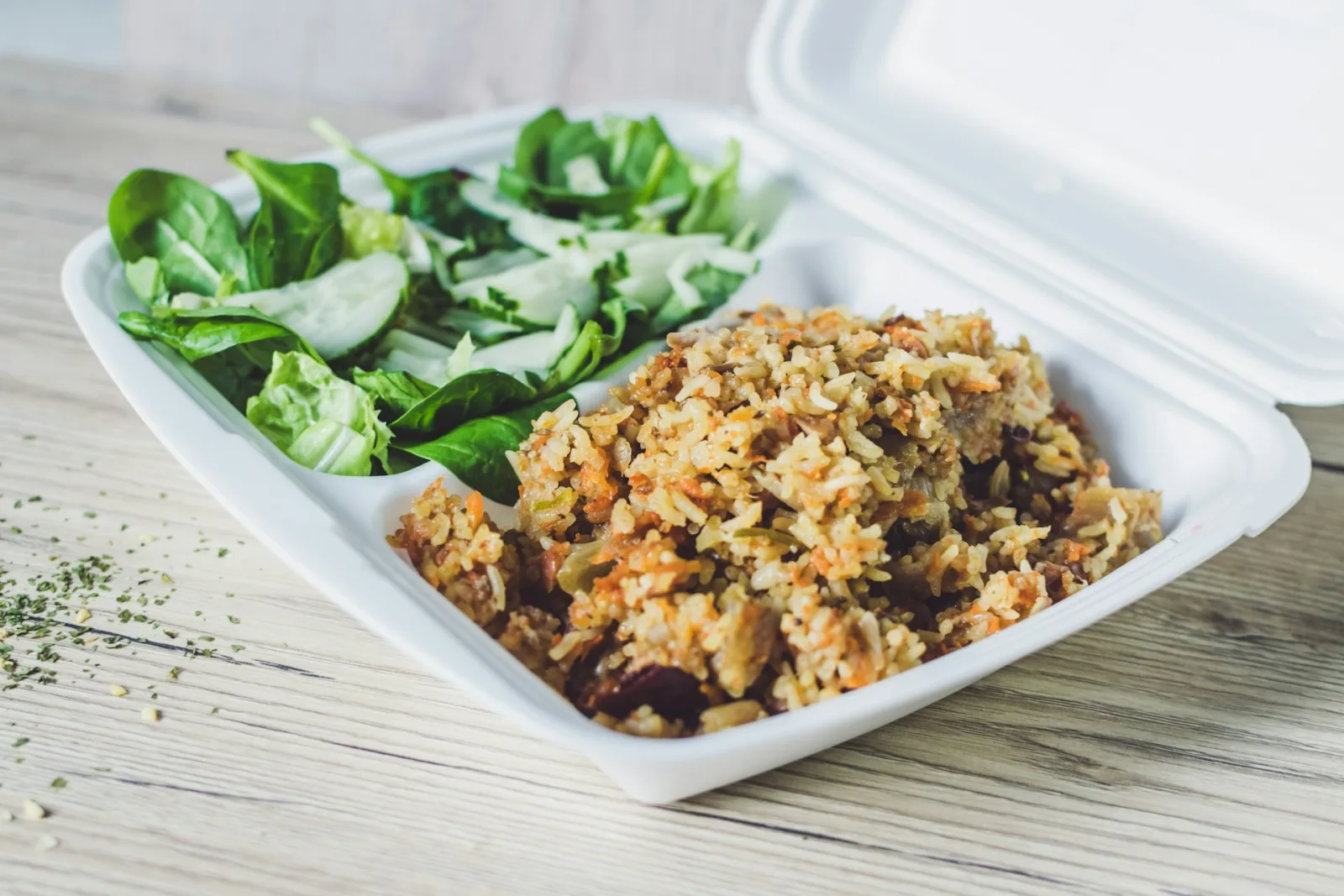
  • Chicken / Pork Adobo — Meat marinated in vinegar, soy sauce, garlic, and peppercorns
  • Lechon — Whole roasted pig with crispy skin and tender meat (Cebu Lechon is best)
  • Sinigang — Sour soup with tamarind, pork or shrimp, and vegetables
  • Kare-Kare — Oxtail and tripe stew in rich peanut sauce
  • Lumpia — Crispy spring rolls with pork and vegetables
  • Halo-Halo — Dessert with shaved ice, leche flan, ube, and sweet beans
  • Sisig — Sizzling chopped pork face and liver, topped with egg (Kapampangan origin)
  • Pancit — Stir-fried noodles (Chinese influence), served at celebrations

Famous Fruits

The Philippines produces exceptional tropical fruits. Davao is the fruit capital, famous for Durian and Pomelo.

  • Mangga (Mango) — Sweet Carabao mangoes, famous globally
  • Banana (Saging) — Lakatan and Saba varieties
  • Calamansi — Small citrus fruit, used in sauces and drinks
  • Pineapple (Pinya) — Sweet Del Monte and Dole pineapples from Mindanao
  • Durian — Davao durian is creamy and sweet, a must-try for brave foodies
  • Pomelo — Large citrus fruit, sweet and refreshing
  • Ube — Purple yam, used in desserts like Halo-Halo and ice cream

National Dish — Adobo

Chicken or Pork Adobo is the undisputed national dish — a perfect balance of savory, sour, and slightly sweet flavors.

  • Adobo is more than a dish — it's a daily staple and cultural symbol
  • Prepared with chicken, pork, or seafood braised in vinegar, soy sauce, garlic, and peppercorns
  • Traditional method includes simmering then pan-frying for crispy edges
  • Served with steamed white rice, often with a side of pickled papaya (atchara)
  • Every Filipino household has its own Adobo recipe
  • Best experienced in family-run carinderias (local eateries) in Manila and Cebu
  • Vegetarian versions available using tofu or mushrooms in urban cafes

Avg Cost Of Food

Budget travelers can eat well for PHP 800–1,500 per day at local eateries. Tipping 5-10% is customary in restaurants.

  • Street Food/Kwek-Kwek: PHP 10–20 each
  • Chicken Adobo + Rice: PHP 150–250
  • Carinderia Meal: PHP 100–200
  • Mid-range Restaurant: PHP 500–900 per person
  • Fine Dining: PHP 1,500–3,000+ per person
  • Fast Food Combo (Jollibee): PHP 150–250
  • Coffee (Barako / Local): PHP 50–150
  • San Miguel Beer: PHP 50–100

Tipping: 5-10% customary in restaurants (not mandatory). Service charge sometimes included in tourist areas.

Philippines Weather & Packing Tips
The Philippines has a tropical climate. Pack light, breathable clothes, and prepare for sudden rain showers.

Tip: Pack layers and rain gear — tropical showers can happen suddenly even in the dry season.

Weather

The Philippines has a tropical maritime climate with two main seasons: dry (Nov–May) and wet (Jun–Oct).

  • Manila: Hot and humid, dry season 26–34°C, wet season heavy rains and typhoon risk
  • Palawan: Tropical, dry season perfect for island hopping, wet season rough seas
  • Boracay: Consistently warm 26–32°C, dry season ideal for beach activities
  • Cebu: Similar to Manila but less prone to extreme typhoon damage
  • Best time overall: December to May for beach destinations and island hopping
  • Dry Season (Nov–May): Peak tourist season, sunny, calm seas, higher prices
  • Wet Season (Jun–Oct): Heavy rains, occasional typhoons, budget prices, lush landscapes
  • Shoulder Season (May, Nov): Good weather, fewer crowds, moderate prices

Clothes To Wear

Filipinos dress casually in cities but appreciate smart attire in restaurants and malls. Pack for tropical heat and sudden rain.

For Manila & Cities:

  • Light, breathable clothing (cotton, linen)
  • Comfortable walking shoes for city tours
  • Light rain jacket or compact umbrella (sudden showers)
  • Modest clothing for church visits in Intramuros (cover shoulders & knees)
  • Smart-casual attire for nice restaurants and bars

For Palawan & Boracay:

  • Swimwear, beach cover-ups, and flip-flops
  • Rash guard or UV shirt for island hopping
  • Waterproof dry bag for electronics and documents
  • Aqua shoes for coral protection and sharp rocks
Philippines Heritage & Cultural Highlights
UNESCO sites, national symbols, films, and souvenirs that capture the Philippines' cultural identity.

UNESCO World Heritage Sites

The Philippines has 6 UNESCO World Heritage Sites total, including natural and cultural landmarks.

  • Rice Terraces of the Philippine Cordilleras (1995) — 2,000-year-old Ifugao rice terraces
  • Historic City of Vigan (1999) — Well-preserved Spanish colonial architecture
  • Baroque Churches of the Philippines (1993) — 4 Spanish-era churches with earthquake-resistant design
  • Tubbataha Reefs Natural Park (1993) — Pristine marine sanctuary in Sulu Sea
  • Puerto-Princesa Subterranean River (1999) — Underground river in Palawan
  • Mt. Hamiguitan Range Wildlife Sanctuary (2014) — Unique pygmy forest and biodiversity hotspot

National Symbols

The Philippine eagle is the world's largest eagle by length and is critically endangered. Carabao symbolizes hard work and agricultural heritage.

  • National Animal: Carabao (Water Buffalo)
  • National Bird: Philippine Eagle (Pithecophaga jefferyi)
  • National Flower: Sampaguita (Jasmine)
  • National Sport: Arnis (Eskrima / Kali martial arts)
  • National Tree: Narra
  • National Gem: South Sea Pearl
  • National Epic: Biag ni Lam-ang (Ilocano)

Films Shot in the Philippines

Manila and Palawan are popular filming locations for Hollywood and local productions. The Philippines has a vibrant film industry with annual festivals.

  • Bourne Legacy (2012) — Action thriller featuring Manila streets
  • Crazy Rich Asians (2018) — Palawan and Manila scenes
  • The Bourne Ultimatum (2007) — Manila chase sequences
  • Heneral Luna (2015) — Historical Philippine epic
  • On the Job (2013) — Gritty Manila crime thriller
  • Hello Love Goodbye (2019) — Modern Filipino romantic drama

Film Festivals

Film festivals typically feature screenings, red carpet events, and local indie premieres. Many festivals offer free or discounted screenings.

  • Cinemalaya — Independent film festival showcasing new Filipino cinema (August)
  • Metro Manila Film Festival — December festival featuring commercial and indie films
  • QCinema — Quezon City International Film Festival
  • Pista ng Pelikulang Pilipino — Annual celebration of local films

The Philippines has vibrant cinema culture with numerous independent theaters and a strong domestic film industry.

Souvenirs

Best places to shop for souvenirs: SM Mall of Asia souvenir section, Greenhills, and Palawan Public Market.

  • South Sea Pearls — High-quality pearl jewelry from Palawan
  • Dried Mangoes — 7D or Cebu brand, sweet and iconic
  • Barong Tagalog — Traditional formal shirts made from piña or jusi
  • Capiz Shell Crafts — Lamps, wind chimes, and decorative items
  • Rattan Bags — Handwoven beach bags from Bohol and Mindanao
  • Native Textiles — Inabel, Hablon, and T'nalak fabrics
  • Local Coffee — Barako, Benguet arabica, and Musang King
  • Jollibee Merch — Iconic Filipino fast-food souvenirs
Notable Highlights for Indian Travelers
From historical revolutionaries to global icons, discover what makes the Philippines unique on the world stage.

Famous People

  • José Rizal (1861–1896) — National hero, writer, and reformist who inspired Philippine independence
  • Manny Pacquiao (1978–) — World champion boxer, 8-division champion, politician
  • Ferdinand Marcos & Corazon Aquino — Key figures in Philippine democracy movement (1986 EDSA Revolution)
  • Lea Salonga (1971–) — Award-winning Broadway singer & voice actress
  • Pia Wurtzbach (1989–) — Miss Universe 2015, advocate for HIV awareness
  • Catriona Gray (1994–) — Miss Universe 2018, known for "lava walk"
  • Charice (1992–) — Internationally recognized singer (Jake Zyrus)
  • Andrés Bonifacio (1863–1897) — Father of the Philippine Revolution

Famous Inventions & Achievements

The Philippines has a strong tradition in science, arts, and social movements, with several globally recognized achievements.

  • Video Phone (1955) — Gregorio Y. Zara invented the first two-way videophone
  • Fluorescent Lighting — Agapito Flores contributed to early fluorescent lamp design
  • Medical Incubator — Dr. Fe del Mundo invented the first bamboo incubator for rural hospitals
  • Coconut Power — Filipino scientists pioneered coconut oil biodiesel research
  • Global Call Center Hub — Philippines is the world's top BPO destination, employing millions

Known for exceptional hospitality, the Philippines consistently ranks high in global happiness and hospitality indices.

National Dish — Adobo & Lechon

  • Adobo and Lechon represent the culinary soul of the Philippines
  • Adobo is a daily staple — sour, savory, and deeply comforting
  • Lechon (roasted pig) is the centerpiece of Filipino celebrations
  • Cebu Lechon is world-famous for its crispy skin and herb-infused stuffing
  • Traditional adobo uses chicken, pork, or seafood braised slowly for rich flavor
  • Served with steamed rice and atchara (pickled papaya)
  • Best experienced in local carinderias and family-run restaurants
  • Vegetarian versions available using tofu or mushrooms in urban areas

Is the Philippines expensive for Indians? A trip costs ₹40,000–₹90,000 for 7–10 days including flights, visa (FREE with valid third-country visa), hotels, and food.

Do Indians need a visa? Indians with a valid US/UK/JP/AU/CA/Schengen/SG visa can enter visa-free for 21 days. Others must apply at the Philippine Embassy in Delhi.

Flight duration? Flights from India to Manila typically take 7–12 hours with one layover via Bangkok or Singapore.

Is the Philippines safe for Indian tourists? Generally safe. Manila, Palawan, and Boracay are well-policed and tourist-friendly. Standard precautions apply.

Currency? Philippine Peso (PHP). ATMs widely available. USD accepted as backup. UPI not available.

Frequently Asked Questions — Philippines Travel for Indians
Quick, honest answers to the most common Philippines travel questions from Indian travellers
1Do Indians need a visa for the Philippines? Has anything changed recently?
Yes — and there is a convenient option. Indian nationals holding a valid visa from the US, UK, Japan, Australia, Canada, Singapore, or Schengen area can enter the Philippines visa-free for up to 21 days (extendable to 30 days). No embassy visit required. Those without these visas must apply for a regular tourist visa at the Philippine Embassy in New Delhi, which costs approx ₹2,200 and takes 5–7 working days.
2Is the Philippines expensive for Indian tourists?
A 7–10 day Philippines trip from India costs approximately ₹40,000–₹90,000 per person including flights (₹35K–₹60K), visa (FREE or ₹2,200), hotels (₹2.5K–₹7K/night), food (₹1.5K–₹4K/day), and island tours. It is highly affordable compared to Europe or Japan, and similar to Thailand with slightly higher flight costs.
3How long is the flight from India to the Philippines?
Flights take 7–12 hours with one layover, typically via Bangkok, Singapore, or Kuala Lumpur. Airlines like AirAsia, Singapore Airlines, and Cebu Pacific offer competitive fares from Delhi and Mumbai to Manila (MNL).
4What is the best time to visit the Philippines from India?
November to May is the dry season and best time to visit. December to February offers perfect beach weather with calm seas. June to October is the rainy and typhoon season — budget prices but high risk of disruptions. October and May are excellent shoulder months with fewer crowds.
5Is the Philippines safe for Indian tourists?
The Philippines is generally safe for Indian tourists, especially in major tourist areas like Boracay, Palawan, and Cebu. Standard precautions apply in crowded Manila areas. Use Grab for transport, avoid isolated areas at night, and keep valuables secure. Indian travelers consistently report positive, safe experiences.
6Do Indians need a transit visa for Philippines flights?
If transiting through Bangkok, Singapore, or Kuala Lumpur for less than 24 hours without leaving the airport transit area, no transit visa is required for Indian passport holders. Always verify transit rules with the airline, especially if changing terminals or booking separate tickets.
7What is the Philippines tourist visa fee for Indians?
A regular tourist visa processed at the Philippine Embassy in New Delhi costs approximately ₱1,500–₱2,000 (approx ₹2,200–₹2,900). Processing takes 5–7 working days. Visa-on-Arrival is free if you hold a valid US/UK/JP/AU/Schengen/SG visa.
8What plug type is used in the Philippines?
The Philippines uses Type A (2-flat pin), Type B (2-flat + ground pin), and Type C (European 2-round pin) outlets at 220V. Indian Type C plugs work directly without an adapter. Indian Type D plugs need a universal adapter. Most hotels provide adapters on request. Most modern chargers auto-switch between 100–240V.
9Can I use Indian Rupee or UPI in the Philippines?
No. Indian Rupee is not accepted. The local currency is Philippine Peso (PHP). UPI is not available. The key money tip: carry USD for backup and use ATMs in major malls for cash withdrawal. GCash (local mobile wallet) is popular for locals. International Visa/Mastercard are accepted in cities, malls, and hotels.
10What is the national dish of the Philippines?
Chicken or Pork Adobo is widely considered the national dish — meat marinated in vinegar, soy sauce, garlic, and black peppercorns, then braised and pan-fried. Lechon (roasted pig) is also iconic, especially Cebu Lechon, known for its crispy skin and herb stuffing.
11What is the time difference between India and the Philippines?
The Philippines is 2.5 hours ahead of Indian Standard Time (IST). The Philippines follows UTC+8 (PHT) with no daylight saving time, so the gap is constant year-round. When it is 12:00 PM in Manila, it is 9:30 AM in India. Adjust your schedule accordingly for calls and bookings.
12Can vegetarian Indians find food in the Philippines?
Filipino cuisine is meat-heavy but vegetarian options exist in cities and tourist areas — pancit (noodles), lumpiang gulay (veggie spring rolls), grilled vegetables, and rice. Vegetarian restaurants are common in Manila, Cebu, and Boracay. Inform your tour operator in advance for Palawan and remote island trips.
13Which is better for first-time visitors — Palawan or Boracay?
A first Philippines trip typically combines both. Spend 2 days in Manila, 3 days in Palawan (El Nido/Coron) for island hopping and lagoons, and 2 days in Boracay for white sand beaches and water sports. If budget is limited, prioritize Palawan for pristine natural beauty, or Boracay for nightlife and convenience.
14Is the Philippines better than Thailand for Indian tourists on budget?
Thailand has slightly cheaper flights and on-ground costs due to higher tourism volume and more direct connections. The Philippines offers quieter, pristine beaches and island experiences for a marginally higher price. Both offer excellent value for Indian travelers. Thailand is easier for first-timers; Philippines rewards those seeking untouched nature.
15Does Destination To Plan offer group tour packages to the Philippines?
Yes. Destination To Plan offers customised group and family tour packages to the Philippines from India — including return flights, hotels, guided island tours, Manila city breaks, airport transfers, and visa assistance. Contact us via the inquiry form below or visit our Philippines tour packages page for details and pricing.

Have more questions? Our Philippines travel experts can help plan your perfect trip.

Talk to a Philippines Travel Expert →

Note: Information provided is subject to change. Verify visa requirements, exchange rates, opening hours, and travel advisories before your trip. Prices are approximate and may vary based on location, season, and inflation. The Philippines experiences moderate inflation; costs can fluctuate.

About This Philippines Travel Guide

This Philippines travel guide covers everything Indian travelers need from visa rules and Manila travel tips to local food, weather, shopping, and top island attractions. Researched, regularly updated, and trusted by group tour planners and independent travelers.

Expert Curated Content

Every section — from Philippines visa rules to Manila shopping hours — is verified by travel professionals with Southeast Asia experience.

Regularly Updated Information

Philippines travel costs, visa rules, and embassy details are reviewed and refreshed to reflect current conditions including VOA eligibility updates and eTravel QR system requirements.

Trusted by Indian Travelers

Used by group tour organizers, corporate travel planners, and independent travelers from India researching Philippines itineraries, Palawan trips, and Manila city breaks.

Complete Philippines Resource

One guide covering visa requirements, cost, flights, itinerary, food, culture, weather, shopping, and heritage — all with India-specific context and 2026 accuracy.

More Travel Guides

Explore Other Destinations

Plan Your Philippines Trip from India

Fill out the enquiry form below and our travel experts will help you plan your Philippines tour — visa, flights, hotels, and guided tours.

Get assistance with visa (FREE with third-country visa), flight bookings, Manila hotels, Palawan island tours, Boracay beach stays, and complete Philippines packages.

Enquire About This Package