1Is Korean food spicy for Indian travelers?
Korean spice is different from Indian heat. Gochujang (fermented chili paste) offers savory-sweet heat, not intense burn. Most dishes can be adjusted mild on request. Indian travelers generally find Korean spice manageable.
2Can vegetarian Indians find food in South Korea?
Yes, but carefully. Traditional Korean cuisine often uses fish sauce, anchovy broth, or shrimp paste. Look for "Chaeksik" (채식) vegetarian labels. Hongdae, Itaewon, and Insadong have dedicated vegan/vegetarian restaurants. Inform guides in advance for group meals.
3What is the average cost of food in South Korea for Indians?
Street food: ₩3,000–8,000 (~₹180–₹480) per item. Casual meals: ₩10,000–20,000 (~₹600–₹1,200). Mid-range restaurants: ₩25,000–40,000 (~₹1,500–₹2,400). Daily food budget: ₹2,000–₹4,500 for Indian travelers.
4Is halal food available in South Korea for Indian Muslims?
Yes, especially in Seoul. Itaewon, Myeongdong, and Hongdae have halal-certified restaurants. Look for "Halal Korea" certification. Many Korean BBQ places offer halal beef/pork alternatives. Download the "Halal Korea" app for verified listings.
5What are must-try Korean dishes for first-time Indian visitors?
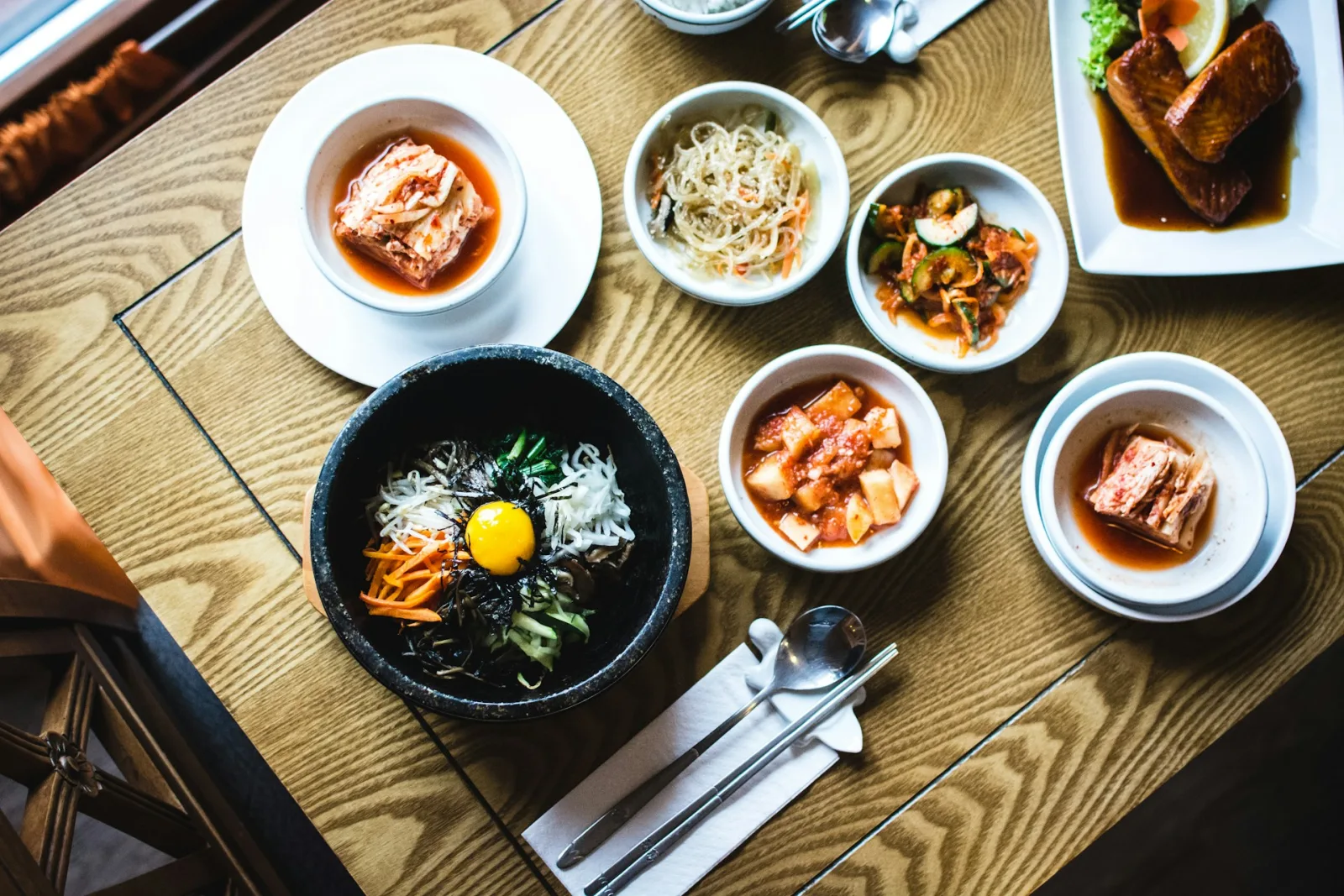
Bibimbap (mixed rice bowl), Bulgogi (marinated beef), Kimchi Jjigae (fermented vegetable stew), Japchae (glass noodles), and Korean BBQ. These offer balanced flavors familiar to Indian palates while showcasing Korean culinary identity.
6Do I need to tip in Korean restaurants?
No. Tipping is not customary in South Korea. Service charge is included. Water, ice, and banchan (side dishes) are complimentary and refilled freely. Simply say "Gamsahamnida" (thank you) to show appreciation.
7What is banchan and is it vegetarian?
Banchan are complimentary side dishes served with Korean meals. Common items include kimchi, seasoned spinach, bean sprouts, and pickled radish. Most are vegetarian, but some contain fish sauce or shrimp paste — ask staff "Chaeksik iyo?" (Is this vegetarian?).
8Is street food in South Korea safe for Indian travelers?
Yes. South Korea has high food safety standards. Street food stalls in Myeongdong, Hongdae, and Gwangjang Market are regulated and hygienic. Choose busy stalls with high turnover. Avoid raw seafood if you have a sensitive stomach.
9Can I find Indian food in South Korea?
Yes, especially in Seoul. Itaewon has several Indian restaurants (Bombay Tandoor, Delhi Darbar). Major cities like Busan and Jeju also have limited Indian dining options. However, experiencing authentic Korean cuisine is highly recommended for first-time visitors.
10What dining etiquette should Indian travelers know in Korea?
Wait for elders to start eating first. Use both hands to receive items. Do not stick chopsticks upright in rice (funeral symbolism). Slurping noodles is acceptable. Sharing dishes is common. Say "Jal meokgetseumnida" before eating and "Jal meogeosseumnida" after finishing.