Updated 2026 bargaining etiquette and fixed-price mall policies in Hanoi and Ho Chi Minh City
Revised Hoi An tailoring turnaround times and fabric quality advisories for custom garments
Current availability of international credit cards vs cash (VND) at traditional Vietnamese markets
Fact-checked April 2026
Last updated: April 2026
Shopping in Vietnam
From bustling night markets to world-class custom tailoring, Vietnam offers exceptional value for Indian travelers.
Vietnam is a shopper's paradise. Whether you are hunting for high-quality silk, premium coffee, or custom-tailored suits, the country offers incredible craftsmanship at a fraction of the cost back home. The retail landscape is divided into two worlds: the chaotic, cash-only traditional markets where bargaining is a way of life, and the modern, air-conditioned malls with fixed prices. Understanding this divide is crucial for a smooth experience. For a complete destination overview including budgeting for your shopping spree, refer to our comprehensive Vietnam travel guide.
What to Buy in Vietnam
The best local specialties and souvenirs to bring back to India.
Top Souvenirs
Vietnamese Coffee: Vietnam is the world's second-largest coffee exporter. Buy locally roasted Robusta beans, traditional metal phin filters, or instant mixes from Trung Nguyen.
Silk Products: High-quality silk scarves, ties, and the traditional Ao Dai dress are excellent buys, especially in Hanoi's Silk Street or Hoi An.
Lacquerware: Intricately painted wooden boxes, bowls, and artwork made using traditional Vietnamese techniques.
Conical Hats (Non La): The iconic Vietnamese headwear. Great for photos, but ensure you buy one with a secure chin strap if you plan to wear it.
Dried Fruits & Cashews: Premium quality, vacuum-sealed local snacks that are perfect for carrying back home.
Famous Markets Across Vietnam
Where to go for the best local goods, street food, and vibrant atmosphere.
Must-Visit Markets
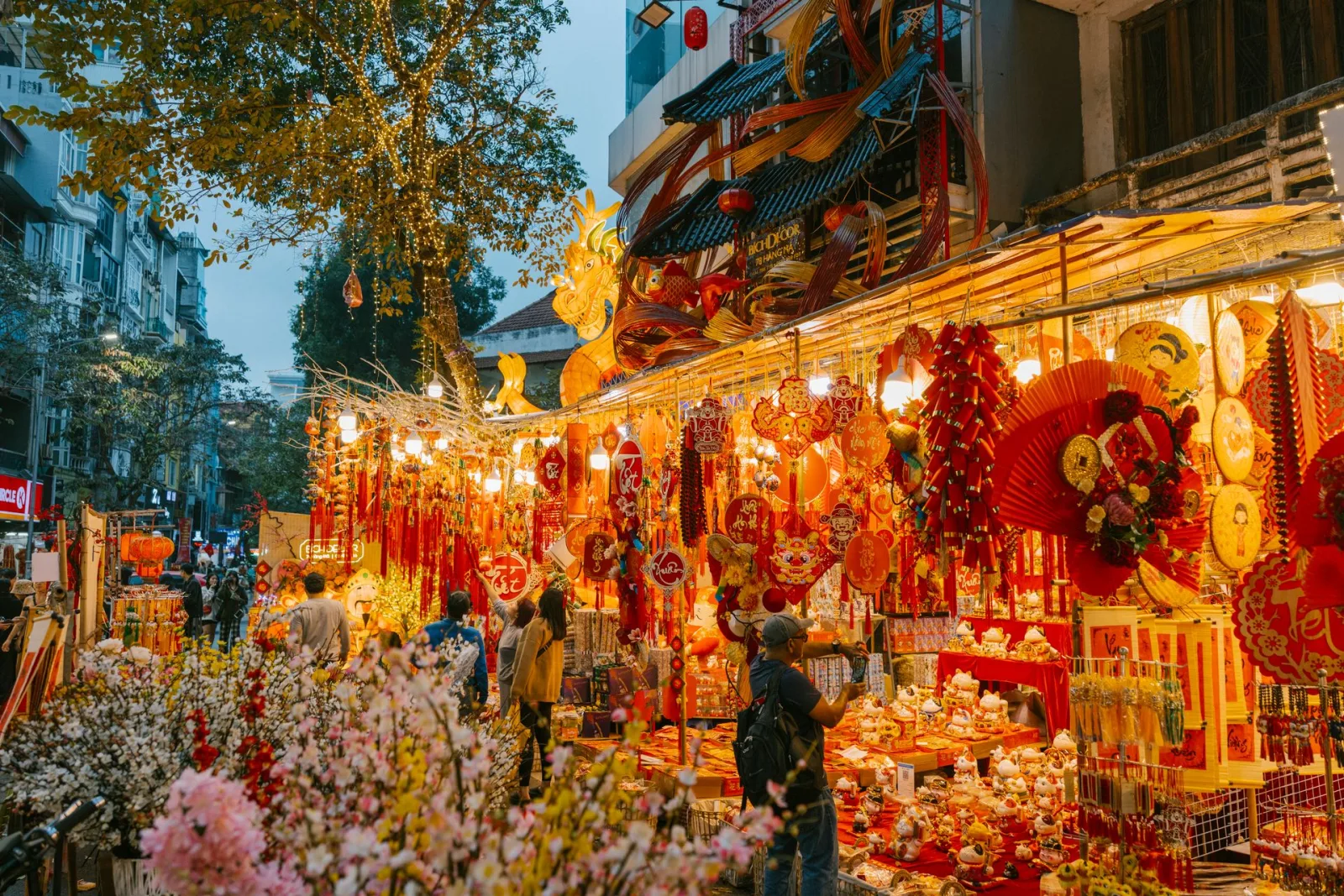
Dong Xuan Market (Hanoi): The largest covered market in the North. Great for wholesale textiles, spices, and local snacks. Located in the heart of the Old Quarter.
Ben Thanh Market (Ho Chi Minh City): The most famous market in the South. Iconic for souvenirs, coffee, and dried fruits. Bargaining here is aggressive; start low.
Hoi An Night Market: Operating every evening along the riverside. Famous for silk lanterns, custom clothing stalls, and incredible street food. A magical experience.
Han Market (Da Nang): A bustling local market near the river. Excellent for dried seafood, local produce, and fabrics at more reasonable prices than tourist hubs.
Payment Note: Carry cash (VND) for these markets. While some larger stalls may accept cards, cash is king. For a detailed breakdown of how much cash to budget, see our Vietnam trip cost from India guide.
The Hoi An Tailoring Experience
Why Indian travelers flock to Hoi An for custom clothing.
Custom Clothing for Indians
Hoi An is world-famous for its tailors. They can replicate almost any design from a photograph, making it a paradise for Indian travelers looking for custom suits, sherwanis, or high-quality silk shirts.
Turnaround Time: Most shops offer a 24-hour turnaround, but to ensure quality, plan for at least 2 to 3 days to allow for multiple fittings.
Fabric Selection: Inspect the fabric closely. High-quality silk and linen are excellent buys. Avoid cheap synthetic blends that may not drape well or breathe in the heat.
The Fitting Process: You will have an initial measurement, a first fitting (basted), and a final fitting. Be vocal about how you want the garment to fit—Asian tailors sometimes cut suits tighter than Indian preferences.
Budgeting: A custom linen shirt might cost ₹2,500, while a full three-piece suit can range from ₹8,000 to ₹15,000 depending on the imported fabric you choose.
For a deep dive into the tailoring process and recommended shops, check our detailed Hoi An travel guide.
Bargaining Etiquette & Tips
How to negotiate respectfully and get the best price in Vietnamese markets.
The Art of the Deal
Smile and Be Polite: Bargaining in Vietnam is a social interaction, not a confrontation. A smile goes a long way.
Start Low: Vendors often inflate prices for tourists. Start your counter-offer at about 40-50% of the initial asking price.
The "Walk Away" Technique: If the price isn't moving, politely thank them and start to walk away. Often, the vendor will call you back with a better offer.
Know When to Stop: If you've reached a price you are happy with, pay it. Don't argue over a few thousand Dong (a few rupees) at the end of a negotiation.
Fixed-Price Zones: Remember that bargaining is NOT expected in supermarkets, malls, convenience stores, or restaurants. Paying the printed price is the norm there.
Frequently Asked Questions — Vietnam Shopping
Quick answers to help you navigate the markets and shops with confidence.
1Is bargaining expected in Vietnam markets?
Yes, bargaining is absolutely expected at traditional markets, night markets, and independent street boutiques. However, it is not practiced in modern shopping malls, supermarkets, or fixed-price chain stores. Always start your offer at about 40-50% of the initial asking price and negotiate with a smile.
2Can I use international credit cards at Vietnamese markets?
Generally, no. Traditional markets and street vendors operate almost exclusively on cash (Vietnamese Dong - VND). While some larger stalls in tourist areas may accept cards, you should always carry sufficient local currency. UPI is not available in Vietnam, so exchange USD to VND at authorized gold shops or banks for the best rates.
3How long does custom tailoring take in Hoi An?
Most tailors in Hoi An offer a 24-hour turnaround for simple garments. However, for high-quality suits, traditional Indian wear, or complex designs, you should plan for at least 2 to 3 days to allow for multiple fittings and intricate detailing. For a deep dive into the tailoring process, see our Hoi An travel guide.
4What is the best souvenir to bring back to India from Vietnam?
Vietnamese coffee (especially robust Robusta beans or Trung Nguyen brands), high-quality silk scarves, and traditional lacquerware are excellent, lightweight souvenirs. If you have luggage space, custom-tailored clothing from Hoi An offers unmatched value and quality compared to Indian market prices.
5Are there fixed-price shopping malls in Vietnam?
Yes, major cities like Hanoi and Ho Chi Minh City have modern, air-conditioned malls like Vincom Center, Lotte Mart, and Takashimaya. Prices here are fixed, and you can use international credit cards. These malls are perfect for escaping the midday heat and buying branded goods or local specialties at transparent prices.
Want a seamless Vietnam trip with expert local shopping recommendations? Our packages include guided market tours and tailoring assistance.
Note: Be cautious of "fake" designer goods in markets. While cheap, customs authorities in India may confiscate counterfeit branded items upon your return. Stick to authentic local crafts and unbranded high-quality goods.
Fill out the enquiry form below and our travel experts will help you plan a seamless Vietnam tour, including guided market visits and Hoi An tailoring schedules.
Get assistance with Vietnam e-Visa, flight bookings, hotel reservations, and complete Vietnam tour packages.