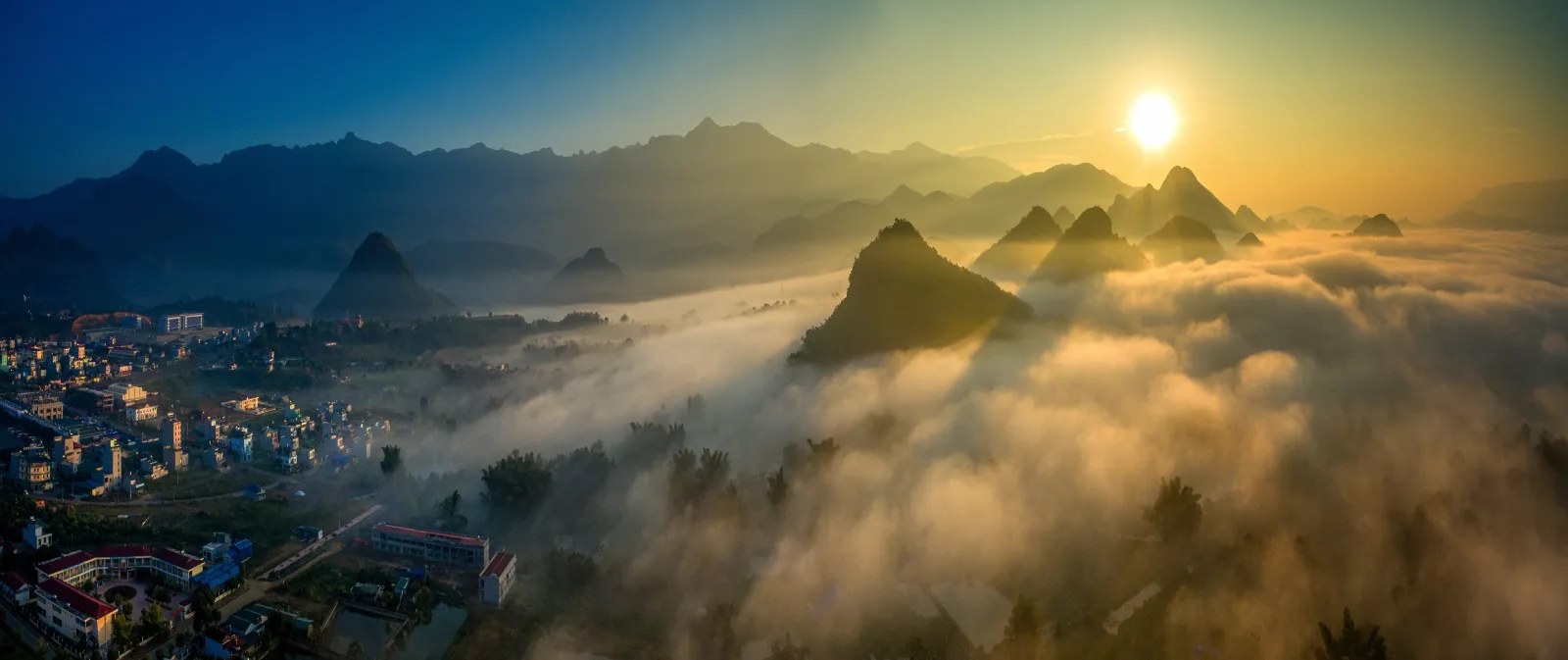
Aerial view of limestone karsts rising from emerald waters in Ha Long Bay, Vietnam

Vietnam Travel Guide
for Indian Travelers

Visa, cost, itinerary & tips — your complete guide to planning a trip to Vietnam from India in 2026.

Updated for 2026 Travelers
Written by Nisha Chaudhary — Asia Travel Specialist
Reviewed by Namrata Sethi · Asia Travel Reviewer
Last updated after reviewing:
  • Vietnam e-visa 90-day extension update (Aug 2023)
  • New express train routes connecting Hanoi and HCMC
  • Updated travel advisories for Indian tourists in Ha Long Bay 2026

Last updated: May 2026

Vietnam Trip Cost from India (Detailed Breakdown)
Realistic cost breakdown for flights, visa, hotels, food, and total budget for 2026

Cost Breakdown 2026

  • Return Flights: ₹35,000 – ₹65,000
  • E-Visa Fee: $25–$50 USD (~₹2,100–₹4,200)
  • Hotels (per night): ₹1,500 – ₹5,000
  • Food (per day): ₹800 – ₹2,500
  • Local Transport (per day): ₹500 – ₹1,500
  • Activities & Cruises: ₹8,000 – ₹18,000 total
  • Travel Insurance: ₹1,200 – ₹2,500
  • Total (7–10 days): ₹60K – ₹1.5L per person

Vietnam offers exceptional value for Indian travelers. While flights from India are moderately priced, on-ground expenses like accommodation, street food, and domestic transport are incredibly affordable.

Best Departure Cities

  • Delhi (DEL) — Direct flights available to Hanoi/HCMC via Bangkok or Singapore
  • Mumbai (BOM) — Excellent connectivity via Bangkok, Singapore, or Kuala Lumpur
  • Chennai (MAA) — Frequent flights via Kuala Lumpur
  • Bangalore (BLR) — Good options via Singapore
  • Kolkata (CCU) — Budget-friendly routes via Bangkok

South and East India cities generally offer shorter and cheaper flight routes to Vietnam due to geographical proximity.

Ready to plan your Vietnam trip? Let us handle flights, visa, hotels, and tours.

View Vietnam Tour Packages →
Flight Routes from India to Vietnam
Flights from India to Vietnam take 6–10 hours with one layover. Here are the most popular routes.

Delhi to Hanoi / Ho Chi Minh City

  • Route 1: DEL → Bangkok → Hanoi (Thai Airways + Vietnam Airlines)
  • Route 2: DEL → Singapore → Ho Chi Minh City (Singapore Airlines + Scoot)
  • Route 3: DEL → Kuala Lumpur → Hanoi (AirAsia / Malaysia Airlines)
  • Duration: 6–9 hours
  • Price Range: ₹38,000 – ₹62,000

Mumbai to Hanoi / Ho Chi Minh City

  • Route 1: BOM → Singapore → Hanoi (IndiGo / Air India + Vietnam Airlines)
  • Route 2: BOM → Bangkok → Ho Chi Minh City (Thai Airways / Vietjet)
  • Route 3: BOM → Kuala Lumpur → Hanoi (AirAsia)
  • Duration: 7–10 hours
  • Price Range: ₹35,000 – ₹58,000

Note: Hanoi (HAN) serves Northern Vietnam while Tan Son Nhat (SGN) serves the South. Domestic flights take ~2 hours between cities. Check Asia travel guides for more regional information.

Vietnam vs Europe Cost for Indian Travelers
How does Vietnam compare to popular European destinations on cost? Here is a practical comparison for Indian travelers.
Expense Vietnam (7 days) Europe (7 days)
Flights₹35K – ₹65K₹60K – ₹1L
Visa₹2.1K – ₹4.2K (E-Visa)₹7K – ₹9K (Schengen)
Hotels/night₹1.5K – ₹5K₹8K – ₹20K
Food/day₹800 – ₹2.5K₹5K – ₹12K
Local Transport₹500 – ₹1.5K/day₹2K – ₹5K/day
Total Trip₹60K – ₹1.5L₹2L – ₹4.5L
Flights
Vietnam₹35K – ₹65K
Europe₹60K – ₹1L
Visa
Vietnam₹2.1K – ₹4.2K
Europe₹7K – ₹9K
Hotels/night
Vietnam₹1.5K – ₹5K
Europe₹8K – ₹20K
Food/day
Vietnam₹800 – ₹2.5K
Europe₹5K – ₹12K
Total Trip
Vietnam₹60K – ₹1.5L
Europe₹2L – ₹4.5L

Vietnam offers significantly better value on-ground compared to Europe. Even with similar flight costs from India, your daily expenses in Vietnam are drastically lower.

Best Time to Visit Vietnam from India
Vietnam's elongated geography means weather varies significantly by region. The best time depends on your planned itinerary.
Month Vietnam Season North (Hanoi) Central (Hoi An) South (HCMC) India Travel Note
JanWinter CoolChilly 15–20°C, drizzleCool 20–25°C, pleasantDry & warm 25–30°CIndia winter holidays — peak season
FebSpring ✓✓Mild, spring blossomsSunny & dryHot & dryBest weather nationwide — ideal for trips
MarSpring ✓Warming 20–25°CWarm & humidVery hot 30°C+Good weather, fewer crowds
AprLate SpringWarm, occasional rainHot & humidHot, dry seasonGood pre-monsoon window
MayEarly SummerHot & rainyHot & sunnyHeavy rains startIndia school hols begin — budget season
JunSummer HeatHumid & wetPeak heatRainy seasonIndia school holidays — low season
JulTyphoon RiskHeavy rainDry, sunny (best for beach)RainyIndia monsoon — avoid North
AugLate SummerHot & humidPeak heat & rainHeavy rainIndia monsoon — central coast viable
SepAutumn Starts ✓Cooling down, clearTyphoon riskHeavy rainPost-monsoon window — North ideal
OctAutumn ✓✓Pleasant 22–28°CHeavy rain & floodsRainy endingExcellent for Hanoi & Ha Long Bay
NovLate Autumn ✓Cool & dryWeather improvingDry & warmBest nationwide weather window
DecWinter CoolChilly, festiveCool & pleasantDry & sunnyIndia winter holidays — peak demand
7-Day Vietnam Itinerary for Indian Travelers
A perfect one-week Vietnam itinerary covering Hanoi, Ha Long Bay, Hoi An, and Ho Chi Minh City.

Day-by-Day Plan

  • Day 1: Arrive in Hanoi — rest, explore Old Quarter, try Bun Cha & egg coffee
  • Day 2: Hanoi city tour — Hoan Kiem Lake, Temple of Literature, Ho Chi Minh Mausoleum
  • Day 3: Overnight Ha Long Bay cruise — kayaking, cave exploration, seafood dinner
  • Day 4: Return to Hanoi — fly to Hoi An — evening lantern walk & night market
  • Day 5: Hoi An ancient town — tailor visits, An Bang beach, Vietnamese cooking class
  • Day 6: Fly to Ho Chi Minh City — War Remnants Museum, Ben Thanh Market, Bitexco Tower
  • Day 7: Cu Chi Tunnels half-day trip — depart from SGN airport in the evening

Planning Notes

  • Domestic flights: Use Vietjet, Bamboo Airways, or Vietnam Airlines for cheap internal hops (~₹3,000–₹6,000)
  • Budget option: Skip Hoi An/HCMC — focus on Hanoi, Sapa, and Ha Long Bay for a nature-focused trip
  • Currency: Carry USD to exchange at local banks or gold shops for best VND rates
  • Language: Vietnamese is tonal. Download Google Translate offline pack for navigation
  • Connectivity: Viettel SIM cards are cheapest and offer the best 4G coverage nationwide
  • Vegetarians: Look for "Com Chay" (vegetarian rice) shops — Vietnam is Buddhist-friendly
  • Book ahead: For Dec–Feb peak season, book Ha Long Bay cruises 2–3 months in advance

Want a hassle-free Vietnam trip? Our packages include flights, hotels, transfers, and guided tours.

Book Vietnam Tour Package →
Vietnam Visa for Indians — Complete Guide & Travel Essentials
Essential information for Indian travelers — from Vietnam e-visa requirements and time zones to SIM cards and local transport apps.

Tip: Avoid third-party visa agencies. The official e-visa portal is fast, secure, and only costs $25 USD.

Vietnam Visa for Indians — 2026 Update

Update (Aug 2023): Vietnam now issues a 90-day e-visa for Indian nationals, valid for single or multiple entry. Processing takes 3–5 working days. Source: Vietnam Immigration Portal.

  • E-Visa Eligibility: Indian passport holders are eligible for 90-day e-visa
  • Fee: $25 USD (single entry) or $50 USD (multiple entry) — paid online via card
  • Application: Official government e-visa portal only
  • Documents: Valid passport (6+ months validity), digital passport photo (4x6cm, no glasses), digital passport scan
  • Processing time: 3–5 working days
  • Entry/Exit: Can use e-visa at 13 international airports, 16 land borders, and 13 sea ports
  • Extension: E-visas cannot be extended. Apply for a new one if needed.
CLICK TO KNOW MORE ABOUT VISA DOCUMENTATION & FEES

Time Zone

Vietnam follows Indochina Time (ICT), which is UTC+7 and 1.5 hours ahead of Indian Standard Time (IST). There is no daylight saving time.

  • Indochina Time (ICT): UTC+7
  • Vietnam is 1.5 hours ahead of Indian Standard Time (IST)
  • When it is 12:00 PM in Vietnam, it is 10:30 AM in India
  • Vietnam does not observe Daylight Saving Time
  • Business hours typically run from 8 AM to 5 PM ICT on weekdays
  • Banks operate from 8:30 AM to 3:30 PM on weekdays
  • Shopping malls open from 9:30 AM to 10 PM daily
  • Street food and cafes stay open until midnight, especially in tourist areas

Country Code

To call Vietnam from India, use the international dialing code +84 followed by the area code and local number.

  • International Dialing Code: +84
  • To call Vietnam from India, dial: 00-84-XX-XXXX-XXXX
  • Hanoi area code: 24
  • Ho Chi Minh City area code: 28
  • Da Nang area code: 236
  • Emergency services: 113 (Police), 114 (Fire), 115 (Ambulance)
  • Tourist police hotline: 115 (varies by province)
  • Major telecom providers: Viettel, Vinaphone, Mobifone
  • Tourist SIM cards available at airports and convenience stores
  • Free Wi-Fi widely available in hotels, cafes, and restaurants

Socket & Plugs

Vietnam primarily uses Type A, C, and F electrical outlets with 220V at 50Hz. Indian travelers should carry a universal adapter.

  • Type A, C, F — 220V, 50Hz
  • Type A: Two flat pins (US/Japan style)
  • Type C: Two round pins (European style)
  • Type F: Two round pins with grounding clips
  • Indian Type C plugs (2-pin round) work without adapter ✅
  • Indian Type D (3-pin round) plugs require a universal adapter
  • Most modern devices support 100–240V and will work fine

Indian Embassy in Vietnam

The Embassy of India in Hanoi provides consular services for Indian nationals.

  • Address: 58-60 Tran Hung Dao Street, Hai Ba Trung District, Hanoi
  • Contact: +84 24 3824 4989 / 3824 4990
  • Email: [email protected]
  • Emergency (24/7): +84 913 238 283
  • Working Hours: Mon–Fri, 9:00 AM – 1:00 PM & 2:00 PM – 5:00 PM
  • Services: passport renewal, emergency certificates, assistance to Indian nationals
  • Register with MADAD portal before travel for advisories and assistance

Vietnam Embassy in India

The Embassy of Vietnam in New Delhi handles visa inquiries, though most tourists use the online e-visa system.

  • Embassy New Delhi: 20 Kautilya Marg, Chanakyapuri, New Delhi 110021
  • Contact Delhi: +91 11 2687 9868
  • Email: [email protected]
  • Note: Embassy primarily handles diplomatic and official visas
  • Tourist Visas: Apply online via official e-visa portal
  • Working Hours: Mon–Fri, 8:30 AM – 12:00 PM & 2:00 PM – 5:00 PM

Car Driving Orientation

Right-Hand Drive (Same as India)

  • Vietnam follows right-hand driving, identical to India
  • International Driving Permit (IDP) required for car rentals
  • Speed limits: 50 km/h urban, 90 km/h highways
  • Motorbikes dominate traffic — drive defensively
  • Seat belts mandatory for front passengers
  • Car rental available in major cities but not recommended for first-timers
  • Public buses and Grab taxis are safer, cheaper alternatives
  • Chauffeur-driven tours widely available for long-distance travel

App Based Taxi

Grab & Gojek are Primary Ride-Hailing Apps

  • Grab operates nationwide for cars and motorbike taxis (GrabBike)
  • Gojek is another reliable alternative with good coverage
  • Traditional taxis (Vinasun, Mai Linh) are metered and safe
  • Payment options include cash (VND) and in-app wallet
  • Average fare for city center rides: 50,000–150,000 VND
  • Avoid unmetered "Xe Om" (motorbike taxis) on streets to prevent overcharging
  • Always use apps for transparent pricing and safety
  • Public buses in Hanoi and HCMC are extremely cheap but complex for tourists

Need help with Vietnam visa? Our visa team assists with documentation, application, and follow-up.

Vietnam Visa Assistance →
Vietnam Culture, Language & Local Customs
Understand Vietnamese language basics, local etiquette, and cultural norms to connect better with locals.

Official Language

Vietnamese (Tiếng Việt) — Official Language

  • Vietnamese is a tonal language with 6 distinct tones
  • Latin-based alphabet with diacritical marks introduced during French colonial era
  • "Xin chào" means Hello — universally understood
  • "Cảm ơn" means Thank you
  • English is widely spoken in tourist hubs like Hoi An and HCMC District 1
  • Older generations may speak limited English; younger Vietnamese are highly fluent
  • Learning basic phrases shows respect and enhances hospitality received
  • Translation apps work well in cities but struggle with local dialects in rural areas

Local Vocabulary

Understanding these basic Vietnamese phrases and slang terms helps connect with locals and navigate daily life.

  • Xin chào — Hello
  • Cảm ơn — Thank you
  • Xin lỗi — Sorry / Excuse me
  • Bao nhiêu? — How much?
  • Đẹp quá! — Very beautiful!
  • Ngon! — Delicious!
  • Chào tạm biệt — Goodbye
  • Người ơi — Hey/Waiter (used to call street vendors)
  • Mắc quá! — Too expensive!
  • Phở — Famous noodle soup
  • Bia hơi — Fresh draft beer

Toilet Signs

Public restrooms are called "Nhà vệ sinh" or "WC" in Vietnam. Signs typically display "WC" or "Toilet" with pictograms.

  • Men's toilets marked with "Nam"
  • Women's toilets marked with "Nữ"
  • Public toilets in major cities are generally clean and modern
  • Street-side restrooms may charge 5,000–10,000 VND
  • Shopping malls, restaurants, and hotels have free restrooms
  • Always carry tissues as some facilities lack toilet paper
  • Western-style seated toilets are standard; squat toilets still exist in older buildings
  • Accessible facilities available in modern tourist sites and malls

Interesting Facts

Vietnam is the world's second-largest coffee exporter and has a unique "sleep on a plane" culture on overnight buses.

  • Vietnam produces over 1.7 million tons of coffee annually, mainly Robusta beans
  • The country has the largest cave in the world — Sơn Đoòng Cave
  • Water Puppetry is a traditional Vietnamese art form dating back to the 11th century
  • Ao Dai is the traditional national dress, elegant and worn on special occasions
  • Vietnamese New Year (Tết) is the most important holiday, usually in February
  • The Reunification Express train runs 1,726 km from Hanoi to Ho Chi Minh City
  • Ha Long Bay contains nearly 2,000 limestone islands
  • Vietnam has a 95% literacy rate despite historical challenges
Vietnam Shopping & Markets Guide
From silk and handicrafts to coffee and night markets.

Shopping Hours

Most Shops: 8:00 AM – 9:00 PM (Daily)

  • Shopping malls typically operate from 9:00 AM to 10:00 PM, seven days a week
  • Street markets open early (6–7 AM) for fresh produce and close by evening
  • Night markets in tourist areas open from 5 PM to midnight
  • Small boutiques may close for lunch (12–2 PM) in smaller towns
  • Supermarkets open from 8 AM to 10 PM or later
  • Best shopping season: Tet holiday sales (Jan/Feb) and end-of-year discounts (Dec)
  • Tax-free shopping available for tourists on purchases over specific amounts
  • Haggling is expected at markets; fixed prices apply in malls

Flea Markets

Vietnam's markets offer unique souvenirs including handicrafts, lanterns, coffee, and local snacks.

  • Dong Xuan Market — Hanoi's largest indoor market (wholesale & retail)
  • Ben Thanh Market — Iconic HCMC market for souvenirs and street food
  • Hoi An Night Market — Lanterns, handmade goods, riverside dining
  • Con Market — Da Nang's famous local market
  • Cho Lon (Binh Tay Market) — Largest wholesale market in HCMC Chinatown
  • Cash (VND) preferred at markets though cards increasingly accepted in malls
  • Bargaining is expected — start at 50% of asking price and negotiate politely
  • Watch for pickpockets in crowded market aisles

Famous Products

Shopping for silk, lacquerware, and coffee offers excellent value compared to international prices.

  • Silk & Tailoring: Hoi An offers custom-tailored suits and Ao Dai in 24 hours
  • Coffee: Trung Nguyen and local Robusta beans — world-renowned quality
  • Lacquerware: Hand-painted trays, vases, and boxes
  • Lotus Tea: Premium Vietnamese tea scented with lotus flowers
  • Handicrafts: Bamboo, rattan, and bamboo products
  • Conical Hats (Non La): Traditional symbol of Vietnam
  • Dried Fruits & Snacks: Mango, jackfruit, cashews (great gifts)
  • Propaganda Posters: Vintage-style communist era reproductions

Supermarkets

Major supermarket chains like Lotte Mart, VinMart, and Co.op Mart offer wide product ranges with competitive prices.

  • Lotte Mart — Korean chain, widespread, excellent selection
  • VinMart / WinMart — Largest Vietnamese chain, convenient locations
  • Co.op Mart — Local favorite with good fresh produce
  • AEON Mall — Japanese mega-malls with supermarkets and food courts
  • Most supermarkets open from 8 AM to 10 PM; some 24-hour outlets
  • Local products affordable and high quality (coffee, tea, spices, rice noodles)
  • Bottled water recommended outside major cities; tap water not safe to drink
  • Mini-marts (Circle K, FamilyMart) open 24/7 in urban areas
Vietnam Food & Cuisine Guide
Vietnamese cuisine is famous for Pho, Banh Mi, fresh herbs, and balanced flavors.

Do: Try local street food — it's safe, cheap, and the highlight of the Vietnamese culinary experience.

Famous Cuisines

Vietnamese cuisine emphasizes fresh ingredients, herbs, and balance between five fundamental taste senses.

  • Pho — Noodle soup with beef (Pho Bo) or chicken (Pho Ga), national dish
  • Banh Mi — French baguette sandwich with pate, cold cuts, pickled vegetables
  • Bun Cha — Grilled pork with noodles and dipping sauce (Hanoi specialty)
  • Goi Cuon — Fresh spring rolls with shrimp, herbs, and rice paper
  • Banh Xeo — Crispy turmeric pancake stuffed with pork and beansprouts
  • Cao Lau — Noodle dish unique to Hoi An with crispy wontons
  • Bun Bo Hue — Spicy beef noodle soup from Hue
  • Che — Sweet dessert soup or pudding with beans and jelly
  • Egg Coffee (Ca Phe Trung) — Hanoi specialty with creamy egg yolk topping

Famous Fruits

Summer (May–August) offers the best fruit variety. Street vendors sell seasonal fruits fresh and cheap.

  • Mangosteen (Mang Cut) — Sweet, tangy tropical fruit known as the "queen of fruits"
  • Rambutan (Chom Chom) — Hairy red fruit with juicy flesh
  • Dragon Fruit (Thanh Long) — Mildly sweet, refreshing, widely available
  • Durian (Sau Rieng) — Pungent "king of fruits" — loved or hated
  • Mango (Xoai) — Sweet and tart, used in salads and smoothies
  • Jackfruit (Mít) — Sweet, aromatic, used in desserts
  • Pomelo (Buoi) — Large citrus fruit, often eaten with chili salt

National Dish — Pho

Pho is Vietnam's culinary pride — a fragrant noodle soup that defines Vietnamese breakfast culture.

  • Pho originated in the early 20th century in Northern Vietnam
  • Broth simmered for hours with charred ginger, star anise, cinnamon, and bones
  • Served with fresh herbs (cilantro, basil), bean sprouts, lime, and chili
  • Southern style is sweeter; Northern style is more savory and minimalist
  • Best enjoyed sitting on low plastic stools at street-side eateries
  • Popular chains: Phở 24, Phở Thìn, and local family-run stalls
  • Vegetarian version (Phở Chay) widely available using mushrooms and tofu
  • A bowl typically costs 30,000–60,000 VND (₹100–₹200)

Avg Cost Of Food

Budget travelers can eat incredibly well for 150,000–300,000 VND per day at street stalls and local eateries. Tipping is not expected.

  • Street Pho: 30,000–60,000 VND
  • Banh Mi: 15,000–30,000 VND
  • Bia Hoi (Fresh Beer): 5,000–15,000 VND per glass
  • Local Restaurant Meal: 80,000–150,000 VND
  • Mid-range Restaurant: 200,000–400,000 VND per person
  • Fine Dining: 500,000–1,500,000+ VND per person
  • Coffee: 15,000–40,000 VND
  • Smoothies/Juices: 20,000–40,000 VND

Tipping: Not customary. Rounding up the bill or leaving small change is appreciated.

Vietnam Weather & Packing Tips
Vietnam spans multiple climate zones. Pack for your destinations — from chilly Hanoi to tropical Ho Chi Minh City.

Tip: Pack lightweight, breathable clothes for the South and warm layers for the North in winter.

Weather

Vietnam has diverse climates due to its elongated S-shape spanning tropical and temperate zones.

  • Hanoi (North): Distinct four seasons. Hot humid summer (Jun–Aug, 30–38°C), cool damp winter (Dec–Feb, 10–20°C)
  • Ha Long Bay: Similar to Hanoi but more humid. Best visited in spring and autumn
  • Hoi An (Central): Hot dry season (Feb–Aug), rainy season with typhoons (Sep–Jan)
  • HCMC (South): Tropical, hot year-round (25–35°C), rainy season May–Nov
  • Sapa: Mountain climate, can drop to near freezing in winter
  • Best time overall: February–April and September–November
  • Summer: Hot and rainy in most regions; good for beach destinations
  • Winter: Chilly in the North, pleasant in the South

Clothes To Wear

Vietnamese dress casually but modestly, especially when visiting pagodas and temples. Pack accordingly.

For Cities & South:

  • Light, breathable clothing (cotton, linen) for tropical heat
  • Light rain jacket or compact umbrella (sudden downpours common)
  • Comfortable walking sandals or sneakers
  • Modest attire for temple visits (covered shoulders and knees)
  • Quick-dry fabrics ideal for humidity

For North (Winter) & Mountains:

  • Warm layers, fleece jacket, and windproof coat (Dec–Feb)
  • Thermal innerwear if visiting Sapa or Ha Giang
  • Sturdy hiking boots for mountain treks
  • Hat, gloves, and scarf for chilly mornings
Vietnam Heritage & Cultural Highlights
UNESCO sites, national symbols, films, and souvenirs that capture Vietnam's rich cultural identity.

UNESCO World Heritage Sites

Vietnam has 8 UNESCO World Heritage Sites total. Many sites offer guided tours and visitor centers.

  • Complex of Hue Monuments (1993) — Imperial citadel and royal tombs
  • Ha Long Bay (1994, 2000) — Iconic seascape of limestone karsts
  • Hoi An Ancient Town (1999) — Well-preserved trading port
  • My Son Sanctuary (1999) — Ancient Hindu temple ruins of the Champa Kingdom
  • Phong Nha-Ke Bang National Park (2003) — Massive cave systems including Son Doong
  • Imperial Citadel of Thang Long (2010) — Hanoi's historical political center
  • Trang An Landscape Complex (2014) — Scenic river, caves, and pagodas

National Symbols

The water buffalo symbolizes rural agriculture, while the lotus flower represents purity and commitment.

  • National Animal: Water Buffalo (cultural and agricultural significance)
  • National Bird: Silvery Pheasant
  • National Flower: Lotus (Sen)
  • National Sport: Vovinam (Vietnamese martial art)
  • National Drink: Tra Da (Iced Tea) / Ca Phe (Coffee)
  • National Dish: Pho
  • National Dress: Ao Dai

Films Shot in Vietnam

Vietnam's stunning landscapes have attracted international filmmakers and documentaries in recent years.

  • Kong: Skull Island (2017) — Filmed in Quang Binh and Ninh Binh
  • Indochine (1992) — Oscar-winning French drama showcasing colonial era
  • The Quiet American (2002) — Historical drama set during French rule
  • Good Morning, Vietnam (1987) — Set in Saigon during the war
  • The Lover (1992) — Based on Marguerite Duras novel, filmed in Mekong Delta
  • Cyclo (1995) — Gritty Vietnamese film about Ho Chi Minh City life

Souvenirs

Best places to shop for souvenirs: Ben Thanh Market, Hoi An Ancient Town, and airport duty-free.

  • Silk Products — Scarves, Ao Dai, and tailored garments (excellent quality)
  • Coffee & Tea — Trung Nguyen coffee and lotus tea
  • Lacquerware — Hand-painted trays, boxes, and decor
  • Conical Hats — Iconic Vietnamese non la
  • Ceramics — Bat Trang pottery and vases
  • Water Puppets — Miniature puppets and craft sets
  • Propaganda Art — Vintage-style communist era posters
  • Dried Fruits — Mango, jackfruit, and durian chips
Notable Highlights for Indian Travelers
From coffee culture to motorbike dominance, discover what makes Vietnam unique on the global stage.

Famous Personalities

  • Ho Chi Minh (1890–1969) — Revolutionary leader and founder of modern Vietnam
  • Vo Nguyen Giap (1911–2013) — Renowned military general
  • Nguyen Du (1765–1820) — Author of "The Tale of Kieu", Vietnam's greatest literary work
  • Pham Nhat Vuong (1968–) — Vietnam's first billionaire, founder of Vingroup
  • Nguyen Trai (1380–1442) — Scholar, poet, and national hero
  • Quynh Thi Nguyen — Miss Universe Vietnam 2018, global beauty icon
  • Quang Le — Internationally recognized martial arts actor

Unique Cultural Aspects

Vietnam has a unique blend of Chinese, French, and indigenous influences visible in architecture, food, and daily life.

  • Motorbike Culture — Over 65 million registered motorbikes, primary transport mode
  • Bia Hoi — World's cheapest fresh draft beer, brewed daily on streets
  • Tet Holiday — Vietnamese New Year, the most important cultural celebration
  • Coffee Culture — Second-largest coffee exporter, famous for condensed milk coffee
  • Street Food — Ranked among the best in the world by international culinary critics
  • Ancestor Worship — Practiced in almost every household and business
  • Water Puppetry — Unique traditional art form using water as a stage

Record-Breaking Sites

  • Phong Nha-Ke Bang National Park — Home to Son Doong, the world's largest cave
  • Ha Long Bay — Nearly 2,000 limestone islands rising from the sea
  • Reunification Express — 1,726 km long railway line
  • Hai Van Pass — "One of the most spectacular coastal roads in the world" (Top Gear)
  • Golden Bridge — Held by giant stone hands in Da Nang hills
  • Cu Chi Tunnels — 250 km underground tunnel network used during the Vietnam War
  • Lantern Town — Hoi An's ancient town, beautifully preserved and car-free at night

Is Vietnam expensive for Indians? A trip costs ₹60,000–₹1.5 lakh for 7–10 days excluding flights. Food and accommodation are extremely affordable.

Do Indians need a visa? Yes, a 90-day e-visa is required, costing $25 USD. Apply online 3–5 days before travel.

Flight duration? Flights from India to Vietnam typically take 6–10 hours with one layover via Bangkok, Singapore, or KL.

Is Vietnam safe for Indian tourists? Extremely safe. Violent crime is rare. Exercise standard caution against petty theft.

Currency? Vietnamese Dong (VND). Carry USD to exchange locally. UPI and INR not accepted.

Frequently Asked Questions — Vietnam Travel for Indians
Quick, honest answers to the most common Vietnam travel questions from Indian travellers
1Do Indians need a visa for Vietnam? Has anything changed recently?
Yes. Indian nationals require a visa. The standard option is the 90-day e-visa (introduced Aug 2023), costing $25 USD for single entry or $50 USD for multiple entry. Processing takes 3–5 working days via the official immigration portal.
2Is Vietnam expensive for Indian tourists?
No, Vietnam is highly affordable. A 7–10 day trip (excluding flights) costs approximately ₹60,000–₹1.5 lakh per person. Street food, local transport, and budget accommodation are incredibly cheap compared to India.
3How long is the flight from India to Vietnam?
Flights take 6–10 hours with one layover, typically via Bangkok, Singapore, or Kuala Lumpur. Direct flights are occasionally available seasonally but are rare.
4What is the best time to visit Vietnam from India?
February to April and September to November are ideal, offering pleasant weather nationwide. December is great for the South but chilly in the North. Avoid September-October in Central Vietnam due to typhoon season.
5Is Vietnam safe for Indian tourists?
Yes, Vietnam is very safe for Indian tourists. Violent crime is extremely rare. Standard precautions against bag snatching and pickpocketing in crowded areas apply.
6Do Indians need a transit visa for Vietnam flights?
If transiting within the same airport without clearing immigration, no transit visa is required. However, if changing terminals or collecting baggage in Vietnam, you will need a valid e-visa or transit visa.
7What is the Vietnam tourist visa fee for Indians?
The official e-visa fee is $25 USD for a 90-day single entry or $50 USD for multiple entry. Payment is made online via credit/debit card. Processing takes 3–5 working days.
8What plug type is used in Vietnam?
Vietnam uses Type A (two flat pins), Type C (two round pins), and Type F (two round pins with grounding clips) outlets at 220V, 50Hz. Indian Type C plugs work directly. Type D plugs require an adapter.
9Can I use Indian Rupee or UPI in Vietnam?
No. Indian Rupee and UPI are not accepted. Carry USD to exchange at local banks or gold shops for the best VND rates. Credit/debit cards are widely accepted in cities and hotels.
10What is the national dish of Vietnam?
Pho (noodle soup) is the undisputed national dish, enjoyed primarily for breakfast. Banh Mi and Bun Cha are also iconic staples loved globally.
11What is the time difference between India and Vietnam?
Vietnam is 1.5 hours ahead of Indian Standard Time (IST). Vietnam follows UTC+7 year-round with no daylight saving time.
12Can vegetarian Indians find food in Vietnam?
Yes, Vietnam is highly vegetarian-friendly due to Buddhist influences. Look for "Com Chay" signs. Pho Chay, Banh Mi Chay, and fresh spring rolls are widely available and delicious.
13Which is better for first-time visitors — Hanoi or Ho Chi Minh City?
Hanoi offers a richer cultural and historical experience with its Old Quarter and proximity to Ha Long Bay. Ho Chi Minh City is more modern, fast-paced, and serves as a gateway to the Mekong Delta. Both are highly recommended for a complete trip.
14Is Vietnam better than Thailand for Indian tourists on budget?
Vietnam is slightly cheaper than Thailand for food, local transport, and domestic travel. Flights from India are comparable. Vietnam offers more affordable accommodation and unique heritage experiences, making it a top budget choice.
15Does Destination To Plan offer group tour packages to Vietnam?
Yes. Destination To Plan offers customised group and family tour packages to Vietnam from India — including flights, hotels, guided city tours, Ha Long Bay cruises, airport transfers, and visa assistance. Contact us for a personalised quote.

Have more questions? Our Vietnam travel experts can help plan your perfect trip.

Talk to a Vietnam Travel Expert →

Note: Information provided is subject to change. Verify visa requirements, exchange rates, opening hours, and travel advisories before your trip. Prices are approximate and may vary based on location, season, and inflation. Vietnam's economy is rapidly growing; costs can fluctuate.

About This Vietnam Travel Guide

This Vietnam travel guide covers everything Indian travelers need from e-visa requirements and Hanoi travel tips to local food, weather, shopping, and top attractions. Researched, regularly updated, and trusted by group tour planners and independent travelers.

Expert Curated Content

Every section — from Vietnam e-visa rules to Hanoi shopping hours — is verified by travel professionals with Southeast Asia experience.

Regularly Updated Information

Vietnam travel costs, visa rules, and embassy details are reviewed and refreshed to reflect current conditions including the 2023 e-visa expansion.

Trusted by Indian Travelers

Used by group tour organizers, corporate travel planners, and independent travelers from India researching Vietnam itineraries, Ha Long Bay cruises, and Hanoi city breaks.

Complete Vietnam Resource

One guide covering visa requirements, cost, flights, itinerary, food, culture, weather, shopping, and heritage — all with India-specific context and 2026 accuracy.

More Travel Guides

Explore Other Destinations

Plan Your Vietnam Trip from India

Fill out the enquiry form below and our travel experts will help you plan your Vietnam tour — visa, flights, hotels, and guided tours.

Get assistance with e-visa ($25), flight bookings, Hanoi hotels, Ha Long Bay cruises, and complete Vietnam packages.

Enquire About This Package