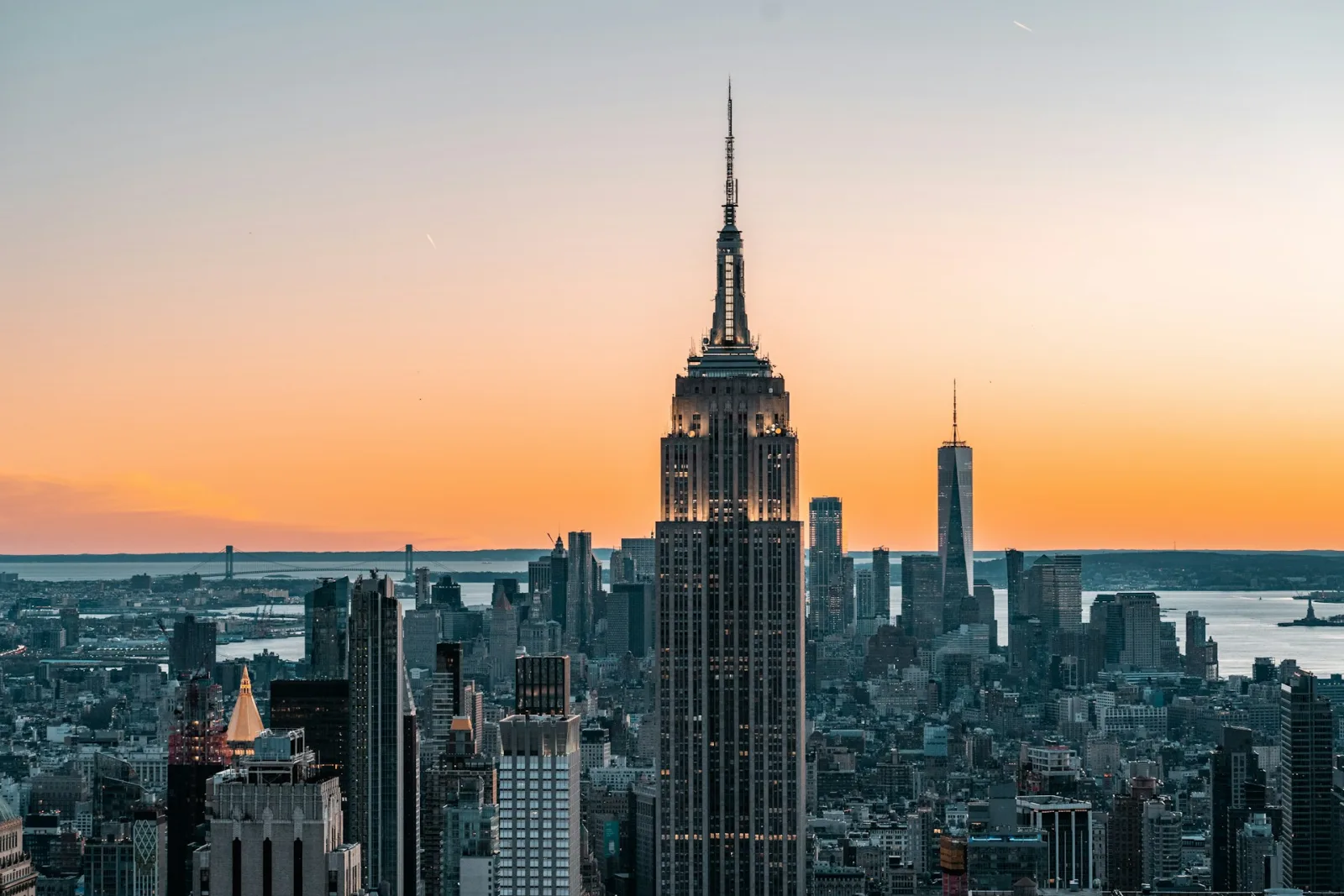
Autumn foliage in Central Park, New York, representing the ideal travel season

Best Time to Visit the USA
from India

Month-by-month weather guide, regional climate differences, and seasonal tips to plan your perfect American vacation in 2026.

Updated for 2026 Travelers
Written by Sunita Lal — North America Travel Specialist
Reviewed by Anita Pattigili · North America Travel Reviewer
Last updated after reviewing:
  • Regional climate shifts and wildfire season impacts on Western US national parks (2026)
  • Daylight Saving Time (DST) transition dates and their effect on US-India time differences
  • Peak summer domestic flight and national park lodging booking windows for Indian travelers
USA Weather by Region: What to Expect
The USA is roughly the size of Europe, meaning the weather in New York can be drastically different from Los Angeles on the exact same day.

East Coast (NYC, Washington D.C.)

Experiences four distinct seasons. Summers are hot and highly humid, while winters are cold with frequent snowfall.

  • Summer (Jun-Aug): 25°C to 32°C (77°F to 90°F). Very humid, especially in July.
  • Autumn (Sep-Nov): 10°C to 22°C (50°F to 72°F). Crisp, clear, and famous for fall foliage.
  • Winter (Dec-Feb): -5°C to 8°C (23°F to 46°F). Snowy and freezing; indoor activities are preferred.
  • Spring (Mar-May): 10°C to 20°C (50°F to 68°F). Mild, but rain is common. Cherry blossoms peak in April.

West Coast (Los Angeles, San Francisco)

Features a Mediterranean climate. It is generally sunny and dry, with cooler, wetter winters.

  • Summer (Jun-Aug): 18°C to 28°C (65°F to 82°F). LA is hot and dry; SF is surprisingly cool and foggy.
  • Autumn (Sep-Nov): 15°C to 25°C (60°F to 77°F). Often the warmest and clearest time of year.
  • Winter (Dec-Feb): 10°C to 18°C (50°F to 65°F). Mild but rainy. Snow only in surrounding mountains.
  • Spring (Mar-May): 14°C to 22°C (57°F to 72°F). Pleasant, with blooming wildflowers in the south.

National Parks & Southwest

Regions like the Grand Canyon, Zion, and Yellowstone have extreme temperature variations based on elevation.

  • Summer (Jun-Aug): 30°C to 40°C+ (86°F to 104°F+). Dangerous heat in desert parks; peak season for Yellowstone.
  • Autumn (Sep-Nov): 10°C to 25°C (50°F to 77°F). Ideal for hiking. Watch for early snow in high elevations.
  • Winter (Dec-Feb): -10°C to 10°C (14°F to 50°F). Many northern park roads close due to heavy snow.
  • Spring (Mar-May): 15°C to 25°C (59°F to 77°F). Waterfalls are at peak flow, but higher trails may still be snowed in.

The South & Florida

Subtropical and tropical climates. Expect high heat, high humidity, and a distinct wet season.

  • Summer (Jun-Aug): 26°C to 34°C (79°F to 93°F). Extremely humid with daily afternoon thunderstorms.
  • Autumn (Sep-Nov): 20°C to 30°C (68°F to 86°F). Hurricane season peaks in September; late autumn is safer.
  • Winter (Dec-Feb): 15°C to 24°C (59°F to 75°F). The "dry season" and absolute best time to visit Florida.
  • Spring (Mar-May): 20°C to 28°C (68°F to 82°F). Warming up rapidly; spring break crowds hit in March.

India Context: Unlike India's distinct summer, monsoon, and winter, the USA's weather is highly regional. Always check the specific forecast for your exact cities. For a complete overview of costs, flights, and itineraries, refer to our comprehensive USA travel guide.

Month-by-Month Travel Guide
A quick snapshot of what to expect each month to help you align your USA trip with Indian holidays and weather preferences.
Season Months Weather & Highlights India Traveler Note
Spring Mar – May Mild temperatures, blooming flowers, fewer crowds. East Coast cherry blossoms in April. Aligns with Holi and spring breaks. Excellent shoulder-season pricing.
Summer Jun – Aug Hot and humid in cities; warm and dry in the West. Peak season for National Parks. Aligns with Indian school summer holidays. Book flights and hotels 4-6 months early.
Autumn Sep – Nov Crisp air, spectacular fall foliage (Oct), comfortable hiking weather. Harvest festivals. The absolute best time to visit. Aligns with Diwali/Dussehra holidays.
Winter Dec – Feb Snowy in the North, mild in the South. Ski season in Colorado/Utah. Christmas markets. Aligns with Indian winter holidays. Great for skiing or escaping to Florida.
Spring (Mar-May)
VibeMild, Blooming
Summer (Jun-Aug)
VibeHot, Peak Season
Autumn (Sep-Nov)
VibeCrisp, Fall Foliage
Winter (Dec-Feb)
VibeSnowy, Festive
Peak vs. Shoulder Season: Planning for Indian Holidays
Balancing Indian school holidays with US weather and pricing realities.

Peak Season (June – August)

This is the busiest time in the USA, driven by American school holidays and international tourism.

  • Pros: All national parks and attractions are fully open. Long daylight hours. Guaranteed good weather for outdoor activities.
  • Cons: Maximum crowds at landmarks (Times Square, Grand Canyon). Highest flight and hotel rates. Heatwaves in cities.
  • India Context: Aligns perfectly with Indian summer vacations. If traveling now, apply for your USA B1/B2 visa by January to secure interview slots.

Shoulder Season (Apr – May, Sep – Oct)

The "sweet spot" for experienced travelers. The weather is excellent, but the massive summer crowds have thinned out.

  • Pros: Pleasant temperatures (15°C to 25°C). Lower hotel rates and better flight availability. Beautiful seasonal changes (spring blooms or autumn leaves).
  • Cons: Some high-altitude national park roads may be closed in early spring or late autumn. Weather can be slightly unpredictable.
  • India Context: Traveling during these shoulder months can reduce your overall expenses by 20-30%. For a detailed breakdown, see our USA trip cost from India guide.

Pro Tip: Once you've picked your ideal travel dates, use our recommended 10-day USA itinerary to plan a logical route that maximizes the weather in your chosen season.

Weather-Specific Packing Tips for Indians
The USA's indoor climate control and regional weather shifts require strategic packing.

The "Layering" Rule

Whether you visit in summer or winter, the golden rule for the USA is to dress in layers.

  • Indoor AC is Aggressive: Even in the peak of July, US malls, museums, and flights blast the air conditioning. A light sweater or jacket is mandatory year-round.
  • Base Layer: Breathable cotton or moisture-wicking fabrics for summer; thermal wear for winter.
  • Mid Layer: A fleece, cardigan, or light hoodie for transitioning between indoors and outdoors.
  • Outer Layer: A windproof/waterproof shell for spring/autumn, or a heavy down jacket for winter.

Seasonal Must-Haves

Pack specifically for the region and month you are visiting.

  • Summer (Cities): Linen clothing, high-SPF sunscreen, sunglasses, and extremely comfortable walking shoes (you will walk 15,000+ steps a day in NYC).
  • Autumn (East Coast): A warm coat for evenings, scarves, and a camera for the foliage.
  • Winter (North): Insulated waterproof boots, thermal inners, gloves, and a beanie. Standard Indian winter jackets are often not warm enough for sub-zero US winters.
  • National Parks: Sturdy hiking boots with ankle support, a reusable water bottle, and a daypack.
Frequently Asked Questions — USA Weather & Timing
Quick answers to common questions about planning the timing of your USA vacation.
1What is the absolute best month to visit the USA from India?
September and October are widely considered the best months to visit the USA. The weather is pleasant across most regions, summer crowds have dispersed, and you can witness spectacular autumn foliage in the East Coast and national parks.
2Is summer (June-August) a good time to visit the USA?
Summer is peak tourist season in the USA. While it is ideal for visiting national parks like Yellowstone and the Grand Canyon, major cities like New York and Washington D.C. can be extremely hot and humid. Expect higher flight and hotel prices, and book domestic flights and park lodges 4-6 months in advance.
3When is the cheapest time to fly to the USA from India?
The cheapest time to fly is typically during the US winter months of January and February (excluding the New Year and MLK holiday weekends). Late autumn (November) and early spring (March) also offer competitive shoulder-season fares.
4Does the USA have a monsoon season like India?
No, the USA does not have a traditional monsoon season. However, the Southeast (like Florida) experiences a wet season with frequent afternoon thunderstorms from June to September. The Southwest has a minor monsoon season in July and August, while the West Coast has a distinct rainy season in winter.
5What is the best time to see autumn foliage in the USA?
For the best fall colors, visit the Northeast (New England, New York) and the Appalachian Mountains between late September and mid-October. The timing shifts slightly each year based on temperature drops.
6How does Daylight Saving Time affect travel to the USA?
The USA observes Daylight Saving Time (DST) from the second Sunday in March to the first Sunday in November. During DST, the time difference between India (IST) and the US East Coast (EDT) narrows from 10.5 hours to 9.5 hours.

Ready to lock in your dates? Let our experts design a USA itinerary that perfectly matches your preferred travel season.

Plan My USA Trip →

Note: Weather patterns can vary significantly year by year. Always check the 14-day forecast for your specific destinations before packing. National park road closures due to snow are typically announced in late autumn and early spring on the official NPS website.

More Travel Guides

Explore Other Destinations

Plan Your USA Trip by Season

Fill out the form below and our travel experts will help you design a USA itinerary that perfectly matches your preferred travel season and weather.

Get a customized quote for your USA trip, optimized for the best weather, seasonal events, and your specific travel dates.

Enquire About This Package