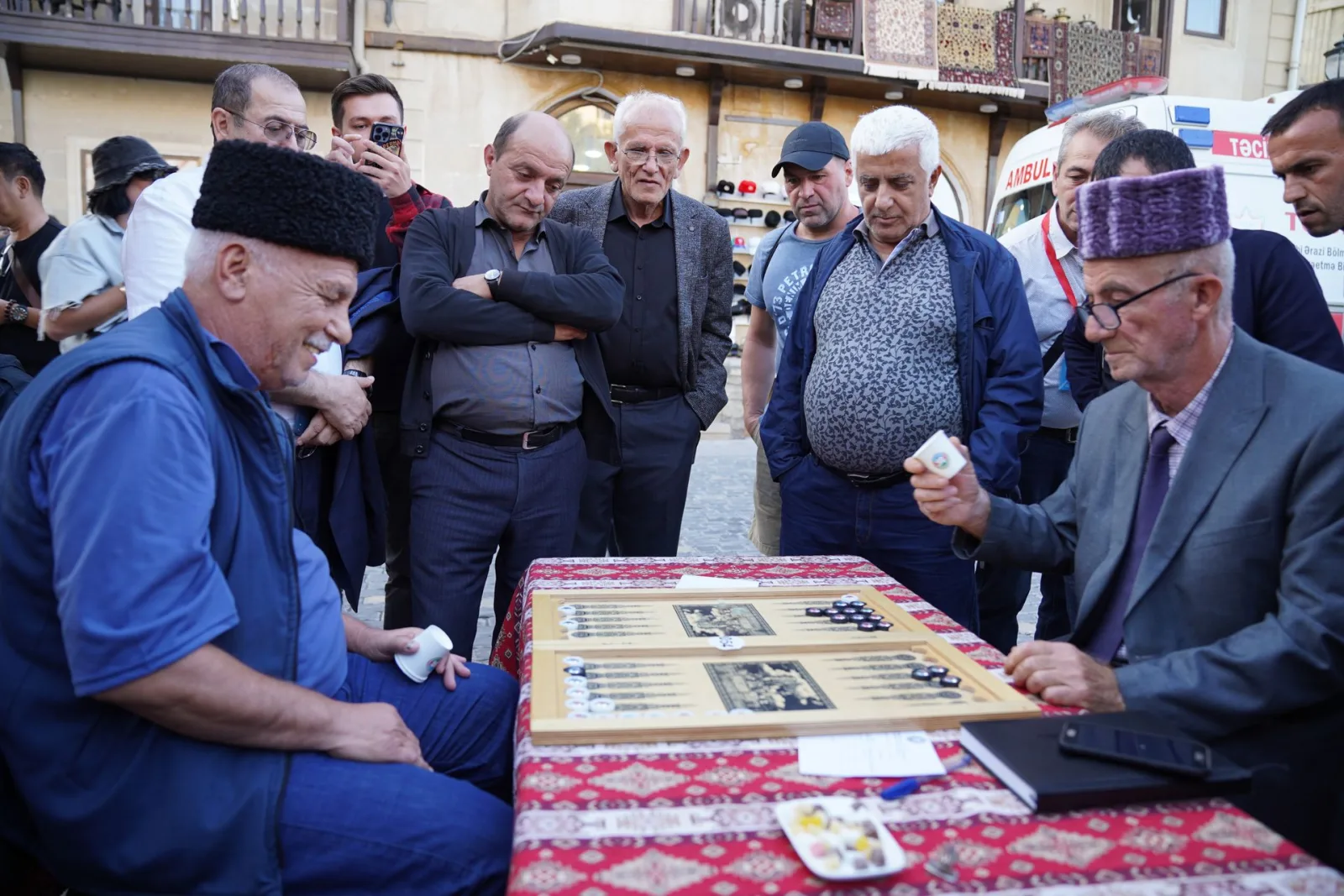
Armenian family sharing traditional meal with lavash bread and khachapuri, demonstrating hospitality customs

Armenia Culture & Customs Guide

Local etiquette, traditions, religious customs & cultural insights for Indian travelers exploring Armenia respectfully in 2026.

Updated April 2026
Written by Bilas Munda — Europe Travel Specialist
Reviewed by Vijay Prasad · Europe Travel Reviewer
Last updated after reviewing:
  • Armenian Orthodox Church liturgical calendar updates for tourist visits 2026
  • Armenian language preservation initiatives & English accessibility in tourism
  • Cross-cultural etiquette guidelines for Indian-Armenian interactions
Armenian Hospitality for Indian Travelers
Understanding the deep-rooted culture of welcoming guests — a shared value between India and Armenia.

Guest Culture Essentials

Armenian hospitality ("hyur") is legendary — guests are considered blessings. Indian travelers will find familiar warmth in this shared cultural value. Expect offers of food, drinks, or invitations to homes. Accepting graciously honors the host. When invited to an Armenian home: bring a small gift (sweets, flowers, or chocolates), remove shoes at the entrance, and accept offered refreshments. For complete Armenia trip planning, refer to the Armenia Travel Guide.

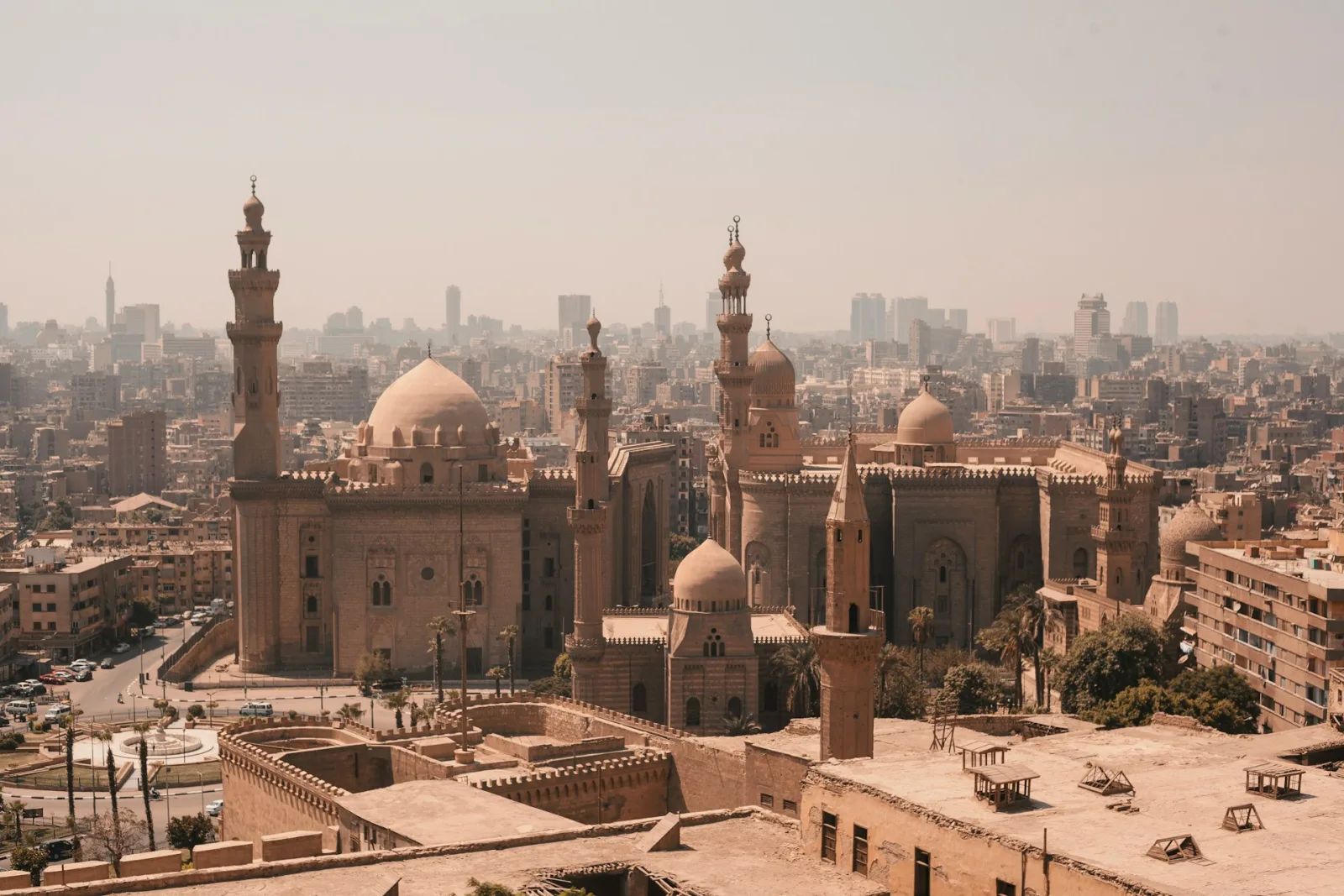
Shared Values: India & Armenia

  • Family centrality: Both cultures prioritize multi-generational family bonds
  • Respect for elders: Addressing older persons with honorifics is customary
  • Religious devotion: Deep spiritual traditions shape daily life in both nations
  • Food as connection: Sharing meals signifies trust and friendship
  • Storytelling tradition: Oral history and poetry hold cultural importance

These shared values create natural rapport between Indian travelers and Armenian hosts.

Religious Customs & Church Etiquette
Armenia was the first nation to adopt Christianity (301 AD). Understanding church customs ensures respectful visits.

Church Visit Guidelines

  • Dress code: Covered shoulders and knees for all; women carry a scarf for head covering
  • Entry protocol: Remove hats; men may be asked to remove hats inside
  • Photography: Permitted in most churches; avoid flash during services; ask permission for close-ups of icons
  • Behavior: Speak softly; avoid walking in front of worshippers during prayer
  • Lighting candles: Small donation expected; follow local worshippers' lead
  • Khachkars: Ancient carved cross-stones; do not touch or lean on them

For itinerary planning including monastery visits, see the Armenia itinerary guide.

Pro Tip: Visit churches during weekday mornings for quieter experiences. Major sites like Echmiadzin Cathedral may have guided tours in English — inquire at entrance.

Social Etiquette & Daily Customs
Practical guidance on greetings, gestures, and interactions for Indian travelers in Armenia.

Greetings & Gestures

  • Handshake: Standard greeting; firm but not aggressive; maintain eye contact
  • Cheek kisses: Close friends/family may kiss cheeks (1–3 times); follow the local's lead
  • Pointing: Avoid single-finger pointing; use open hand gesture instead
  • Toasting: Maintain eye contact during toasts; "Genatz" (to health) is a common toast
  • Gift-giving: When invited home, bring flowers (odd numbers only), sweets, or wine
  • Shoes: Remove shoes when entering Armenian homes; slippers often provided

Public Behavior Tips

  • Public affection: Modest displays (holding hands) acceptable; avoid excessive intimacy in conservative areas
  • Photography: Ask permission before photographing people, especially in rural villages
  • Queue etiquette: Lines may appear informal; patience and polite inquiry work best
  • Tipping: 10% in restaurants appreciated; round up taxi fares; small tips for guides
  • Bargaining: Expected at markets (Vernissage); not appropriate in fixed-price stores
  • Respect for elders: Offer seats to older persons; address with honorifics when appropriate
Language Tips for Indian Travelers
Basic Armenian phrases and communication strategies to enhance your cultural experience.

Essential Armenian Phrases

  • Barev (bah-rev) — Hello
  • Bari yerek (bah-ree yeh-rek) — Good evening
  • Shnorhakalutyun (shnor-ha-ka-loo-tyoon) — Thank you
  • Khndrem (khun-drem) — Please / You're welcome
  • Ayo / Voch (ah-yo / vohch) — Yes / No
  • Vortegh e...? (vor-tegh eh) — Where is...?
  • Qani arje? (kah-nee ar-jeh) — How much does it cost?
  • Genatz (geh-natz) — Toast to health (used when drinking)

Even attempting basic Armenian phrases earns smiles and warmer service. Most tourism workers speak English; Russian is also widely understood.

Pro Tip: Download Google Translate's Armenian offline pack before travel. Many signs use Armenian script; translation apps help navigate menus and directions.

Armenian Festivals & Cultural Events
Key celebrations that offer Indian travelers authentic cultural immersion opportunities.

Major Cultural Festivals

  • Vardavar (July): Water festival — participants drench each other with water; fun but pack waterproof gear
  • Golden Apricot Film Festival (July): Yerevan; international films, masterclasses, cultural exchange
  • Yerevan Wine Days (October): City-wide wine tasting; Armenian vineyards showcase varieties
  • Christmas (January 6): Armenian Orthodox Christmas; unique liturgical traditions at Echmiadzin Cathedral
  • Trndez (February): Fire-jumping purification ritual; authentic cultural experience in rural communities
  • Independence Day (September 21): Parades, concerts, and cultural events nationwide

Festival travel requires advance accommodation booking. For seasonal guidance, check the best time to visit Armenia guide.

India-Armenia Cultural Connections
Historical ties and modern bridges that enrich the travel experience for Indian visitors.

Shared Heritage Highlights

  • Ancient trade routes: Silk Road connections facilitated cultural exchange for centuries
  • Religious parallels: Both nations have ancient Christian/Hindu traditions emphasizing spirituality
  • Family values: Multi-generational households and respect for elders are central to both cultures
  • Culinary similarities: Use of herbs, breads, and communal dining styles resonate with Indian travelers
  • Modern diplomacy: Strong bilateral relations; Indian community in Armenia is small but welcomed

These connections create natural rapport. Indian travelers often report feeling "at home" in Armenian hospitality settings.

Want a culturally immersive Armenia experience? Our packages include local homestays, festival-aligned travel, and guided cultural tours.

View Armenia Cultural Packages →
Frequently Asked Questions — Armenia Culture for Indian Travelers
Quick answers to common cultural etiquette and customs questions from Indian tourists.
1What should Indian tourists know about Armenian hospitality?
Armenians are exceptionally hospitable. Guests are treated with great respect — you may be offered food, drinks, or invitations to homes. Accepting hospitality graciously is appreciated. A small gift (sweets, flowers) when invited to a home is customary.
2How should I dress when visiting Armenian churches?
Modest dress is required: covered shoulders and knees for both men and women. Women should carry a scarf to cover their head inside some churches. Remove hats upon entry. Photography is usually permitted but avoid flash during services.
3Is it appropriate to take photos of people in Armenia?
Always ask permission before photographing individuals, especially in rural areas or during religious ceremonies. Most Armenians are friendly and will agree, but respecting privacy is important. Avoid photographing military installations or border areas.
4What gestures or customs should Indian travelers be aware of?
Handshakes are common greetings. Avoid pointing with a single finger — use an open hand. When toasting, maintain eye contact. Removing shoes when entering homes is customary. Public displays of affection are modest; hold hands but avoid excessive intimacy in conservative areas.
5How do Armenians view Indian culture and tourists?
Armenians generally view Indian culture positively, appreciating shared values of family, hospitality, and spirituality. Indian tourists are welcomed warmly. Learning basic Armenian greetings ("Barev" = Hello) is greatly appreciated and opens doors to authentic interactions.
6Are there cultural taboos Indian travelers should avoid?
Avoid discussing the Armenian Genocide casually — it is a deeply sensitive historical topic. Do not disrespect religious symbols or churches. Avoid loud or disruptive behavior in sacred spaces. When offered food or drink, declining repeatedly may be seen as rude — accept at least a small portion.

Need guidance on cultural experiences in Armenia? Our travel experts provide personalized itinerary planning with cultural immersion focus.

Get a Custom Armenia Cultural Quote →

Plan Your Armenia Cultural Journey

Fill out the enquiry form below and our travel experts will help you plan your Armenia trip with cultural experiences, local homestays, and festival-aligned travel.

Get assistance with monastery visits, traditional cooking classes, festival timing, and complete Armenia packages with cultural immersion focus.

Enquire About This Package