Azerbaijan Culture & Festivals FAQ — Indian Travelers
Quick answers to common cultural questions from Indian tourists visiting Azerbaijan.
1What is the Novruz festival in Azerbaijan?
Novruz is Azerbaijan's most important cultural celebration, marking the Persian New Year and spring equinox on March 20-21. Celebrations include bonfire jumping, traditional sweets (shekerbura, pakhlava), street performances, and family gatherings. Public holidays typically run March 20-24.
2Can Indian travelers attend Novruz celebrations in Azerbaijan?
Yes, Indian travelers are welcome at public Novruz celebrations in Baku, Sheki, and other cities. Fountain Square and Old City host major public events with music, dance, and traditional food. Book flights and hotels 2-3 months ahead as this is peak domestic travel time.
3What music festivals happen in Azerbaijan for Indian travelers?
Major festivals: International Mugham Festival (biennial, traditional Azerbaijani music), Baku International Jazz Festival (October), Gabala International Music Festival (summer). Most concerts are in Baku; tickets ₹800–₹2,500. Book ahead for popular events.
4Are there cultural workshops Indian travelers can join in Azerbaijan?
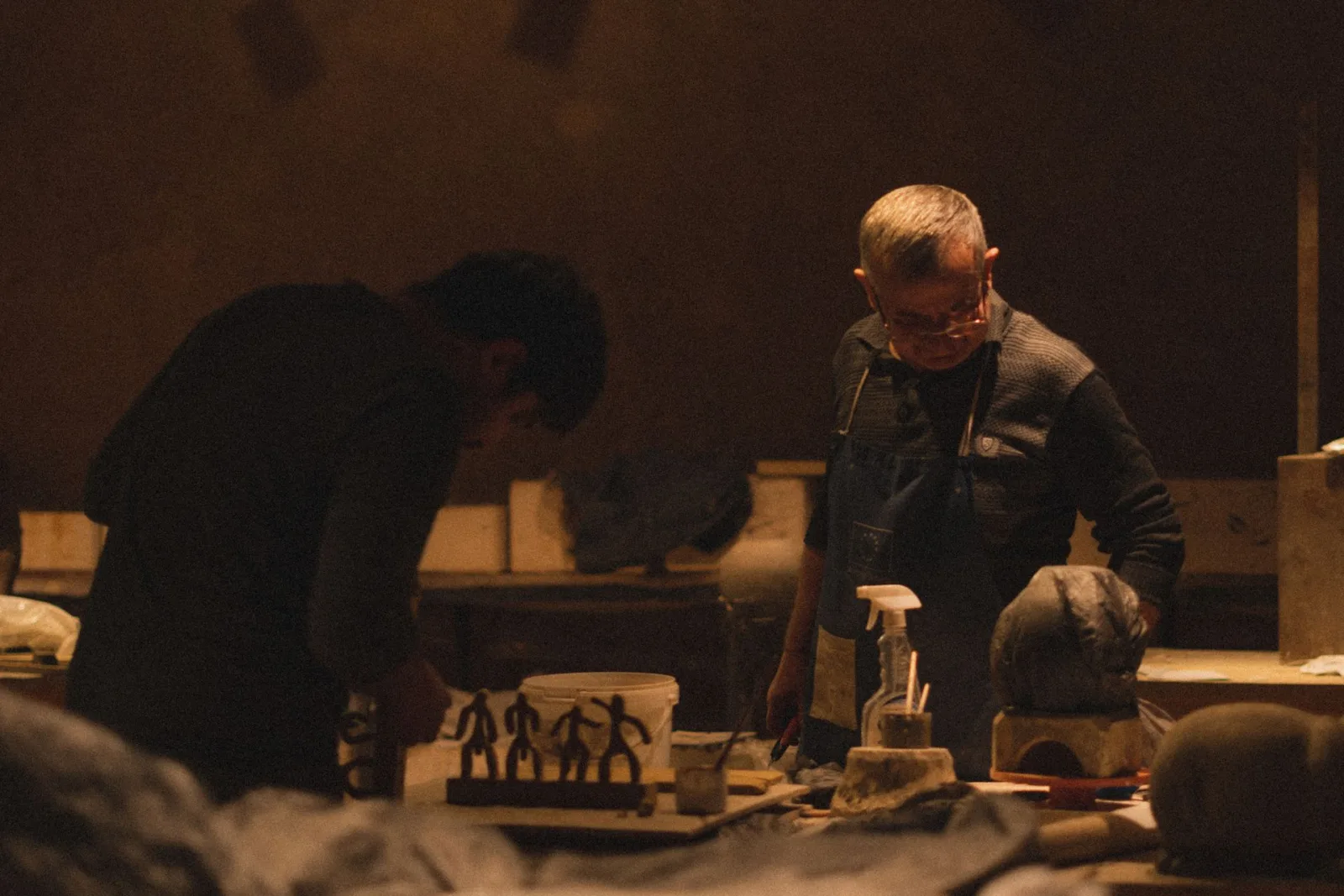
Yes. Popular workshops include: silk weaving in Sheki (kelaghayi scarves), carpet weaving demonstrations in Baku, traditional cooking classes (qutab, plov), and Mugham music introductions. Most workshops cost ₹1,500–₹4,000 and require advance booking.
5What traditional Azerbaijani customs should Indian travelers respect?
Key customs: accept offered tea (hospitality ritual), remove shoes when entering homes, greet elders first, dress modestly in rural areas and religious sites, ask permission before photographing people. Learning basic greetings like "Salam" (hello) is appreciated.
6When is the best time to experience Azerbaijan culture as an Indian traveler?
March for Novruz festival (book early), April-June for pleasant weather and cultural events, September-October for harvest festivals and music events. Avoid July-August if sensitive to heat; many cultural events pause during peak summer.