Madagascar National Parks (MNP) seasonal closure schedules and road accessibility updates for 2026
Indian traveler advisories for east coast cyclone impacts and domestic flight disruption protocols
Medical evacuation network availability during peak cyclone months (January–March)
Fact-checked April 2026
Last updated: April 2026
The Reality of Traveling Madagascar During the Rains
While the wet season (November to March) transforms the island into a lush green paradise, it also brings severe logistical challenges and dangerous weather systems.
For Indian travelers planning trips around the Diwali, Christmas, or New Year holidays, it is critical to understand that Madagascar's wet season coincides with peak cyclone activity. For a complete overview of the best times to visit, refer to our comprehensive Best Time to Visit Madagascar guide. This advisory details the specific risks, closures, and safety protocols you must consider if traveling between November and March.
The Wet Season Reality: November to March
High humidity, daily downpours, and degraded infrastructure define this period.
Weather & Humidity
Rainfall: Expect heavy, tropical downpours almost daily, particularly on the east coast and in the highlands.
Humidity: Coastal areas like Nosy Be and Toamasina become oppressively hot and humid, often exceeding 35°C with 90% humidity.
Leeches: Rainforest trails in Andasibe and Ranomafana become heavily infested with leeches, making trekking highly unpleasant.
Road Infrastructure
Dirt Roads: The unpaved roads to Morondava, Maroantsetra, and the Tsingy turn into deep, impassable mud traps. 4x4 vehicles frequently get stuck.
Paved Roads: Even the Route Nationale 7 (RN7) suffers from severe potholing, landslides, and flooding, turning a 6-hour drive into a 12-hour ordeal.
Bridges: Temporary pontoon bridges are often washed away by swollen rivers, completely cutting off regions for days.
Cyclone Risks & Safety Protocols
Madagascar sits directly in the Indian Ocean cyclone belt. The peak risk period is January to March.
The Peak Threat: Jan – Mar
Frequency: Madagascar is hit by an average of 2 to 3 severe tropical cyclones every year during this window.
Impact: Cyclones bring destructive winds, torrential flooding, and landslides. The east coast (Toamasina, Maroantsetra) takes the direct brunt, but the effects ripple across the entire island.
Infrastructure: Power outages can last for weeks. Cell towers are frequently damaged, leaving remote areas completely cut off from communication.
Travel Disruptions
Flight Cancellations: Tsaradia domestic flights are highly susceptible to weather. A cyclone warning will immediately ground all internal flights, potentially stranding you in a remote location for days.
Hotel Closures: Many eco-lodges and smaller hotels voluntarily close from January to March due to the lack of tourists and the logistical nightmare of supplying food and fuel.
Medical Access: In the event of a severe storm, medical facilities are overwhelmed. Emergency evacuations by air are impossible until the storm passes.
To understand the broader safety implications and emergency contacts, review our Madagascar Safety Tips guide.
National Park Closures & Access Issues
Madagascar National Parks (MNP) enforces strict seasonal closures to protect both tourists and the fragile ecosystem.
Official Closures
Tsingy de Bemaraha: Strictly CLOSED from December to May. The dirt access roads and the pontoon crossing over the Manambolo River are completely impassable.
Marojejy National Park: Often closed or highly restricted during peak cyclone months due to extreme rainfall and landslide risks on the mountain trails.
Technically Open, But...
Andasibe & Ranomafana: The parks remain open, but the trails are knee-deep in mud and leeches. Wildlife spotting is difficult as animals take cover in the dense, wet canopy.
Isalo National Park: Certain canyon hikes and natural swimming pools are frequently closed by park rangers due to the risk of sudden, deadly flash floods.
Where is it Safe to Visit During the Rains?
If your schedule forces you to travel during the wet season, limit your itinerary to these relatively safer options.
Nosy Be (With Caveats)
Staying in a high-end, cyclone-proof resort in Nosy Be is the most viable wet-season option.
You can enjoy the spa, resort grounds, and short boat trips if the weather permits.
Risk: If a cyclone approaches, you will be confined to the resort, and your flight back to TNR will likely be canceled.
Morondava (Early January Only)
The west coast is in the rain shadow and receives significantly less rainfall than the east.
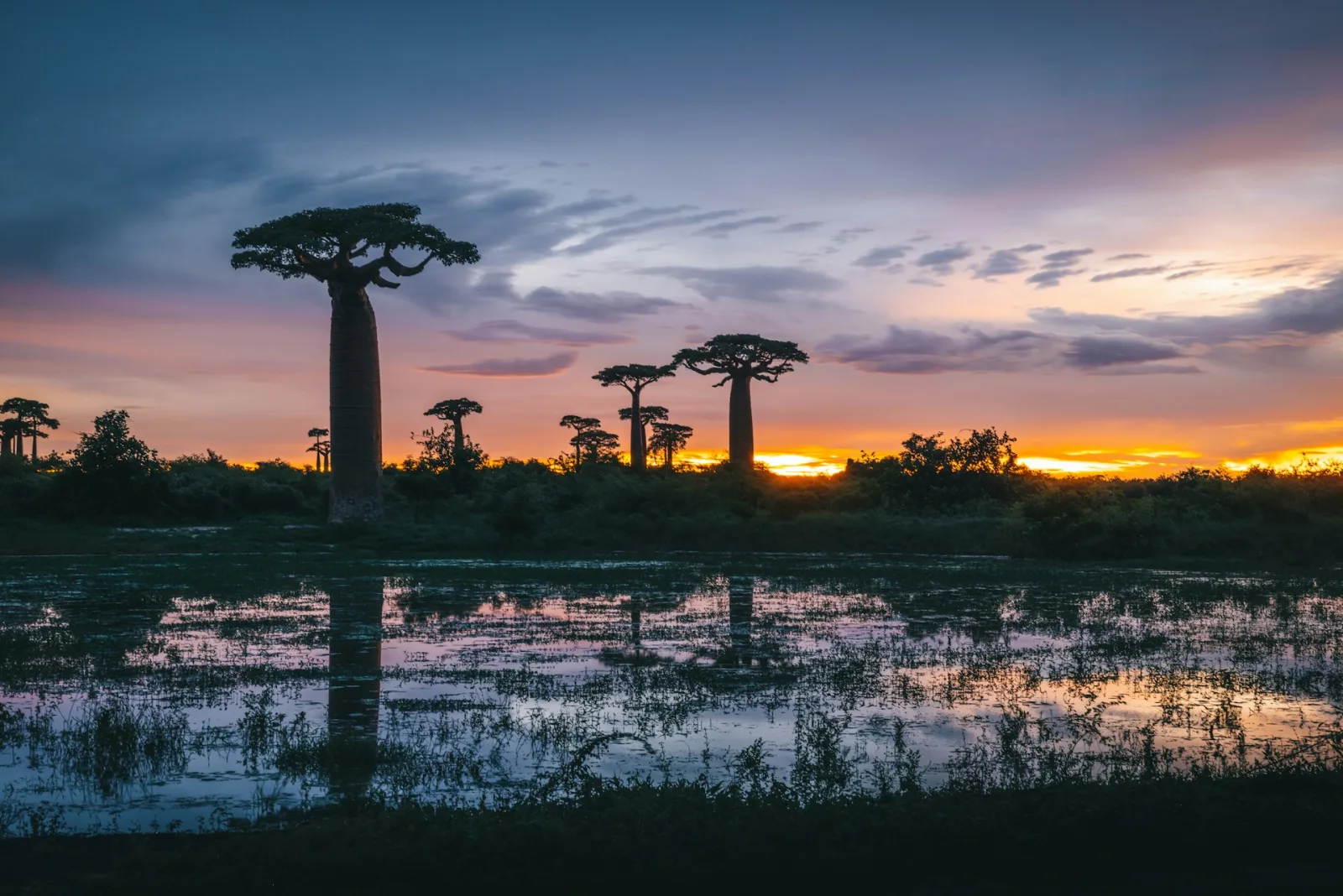
Visiting the Avenue of the Baobabs in early January is possible, but the roads from Tana will still be extremely rough.
Risk: The heat and humidity in Morondava during this period are intense and uncomfortable for most Indian travelers.
Travel Insurance & Evacuation Protocols
Standard travel insurance is insufficient during cyclone season. You need specialized coverage.
Mandatory Coverage
Natural Disasters: Ensure your policy explicitly covers trip interruptions and cancellations due to "natural disasters" or "severe weather events."
Medical Evacuation: If a cyclone damages local infrastructure, you may need an emergency medical evacuation to Réunion or South Africa. Coverage must exceed $250,000 USD.
Exclusions: Read the fine print. Many basic Indian policies exclude "acts of God" or travel against government advisories.
Frequently Asked Questions — Wet Season & Cyclones
Quick, honest answers to the most common weather risk questions from Indian travellers
1Is it safe to visit Madagascar during the wet season?
Generally, no. The wet season (November to March) brings heavy rains, high humidity, and a severe risk of cyclones, particularly from January to March. Roads become impassable, and many national parks close. We strongly advise Indian travelers to avoid this window unless you are strictly staying in a luxury resort in Nosy Be.
2Which national parks close during the cyclone season?
Tsingy de Bemaraha is officially closed from December to May due to flooded access roads. Parks like Isalo, Ranomafana, and Andasibe remain technically open, but their dirt access roads and internal trekking trails become dangerously muddy, leech-infested, and sometimes completely impassable.
3What happens if a cyclone hits while I am in Madagascar?
Domestic flights (Tsaradia) will be canceled, and roads will be blocked. If you are in a remote area, you may be stranded for days. Luxury resorts in Nosy Be have generators and emergency protocols, but independent travelers in rural areas face significant logistical and medical evacuation challenges.
4Is Nosy Be safe during the wet season?
Nosy Be is relatively safer than the mainland because it is an island with better infrastructure. However, it is still in the cyclone belt. January to March sees high humidity, heavy tropical downpours, and the risk of cyclones disrupting flights to and from Antananarivo.
5Do domestic flights get canceled during the rains?
Yes, frequently. Tsaradia operates small ATR turboprop aircraft that are highly sensitive to severe weather. During the wet season, especially in January and February, flight cancellations and multi-day delays are common due to low visibility and cyclone activity.
6Should I buy special cyclone travel insurance for Madagascar?
Yes. If you must travel between November and March, ensure your travel insurance explicitly covers "natural disasters," "cyclones," and "emergency medical evacuation." Standard policies often exclude weather-related trip interruptions or acts of God.
Need help timing your Madagascar trip to avoid the cyclone season? Our Africa travel experts can assist with optimal routing and dry-season bookings.
Note: Weather patterns and cyclone tracks are unpredictable. Always monitor the Madagascar National Meteorological and Hydrological Service (Météo Madagascar) and your airline's advisories before and during your trip. Infrastructure damage from storms can affect travel logistics for weeks after the event.
About This Madagascar Weather Advisory
This Madagascar wet season and cyclone advisory provides Indian travelers with a transparent, 2026-ready breakdown of weather risks, park closures, and safety protocols. Researched, regularly updated, and trusted by group tour planners and independent travelers.
Expert Curated Safety Data
Every weather risk and road closure update is verified by travel professionals with on-ground Africa experience.
Regularly Updated Forecasts
National park closure schedules, cyclone tracking protocols, and flight disruption policies are reviewed quarterly to reflect current conditions.
Trusted by Indian Travelers
Used by group tour organizers, families, and independent travelers from India researching Madagascar itineraries and weather risks.
India-Specific Alignment
One guide covering weather, closures, and insurance — all aligned with Indian holiday schedules and flight connectivity risks.