Indian vegetarian meal availability at Croatian ferries & excursion tours
Fact-checked May 2026
Last updated: May 2026
Must-Try Croatian Dishes for Indian Travelers
Understand regional Croatian cuisine blending Mediterranean seafood, Central European meats, and Balkan grilled specialties.
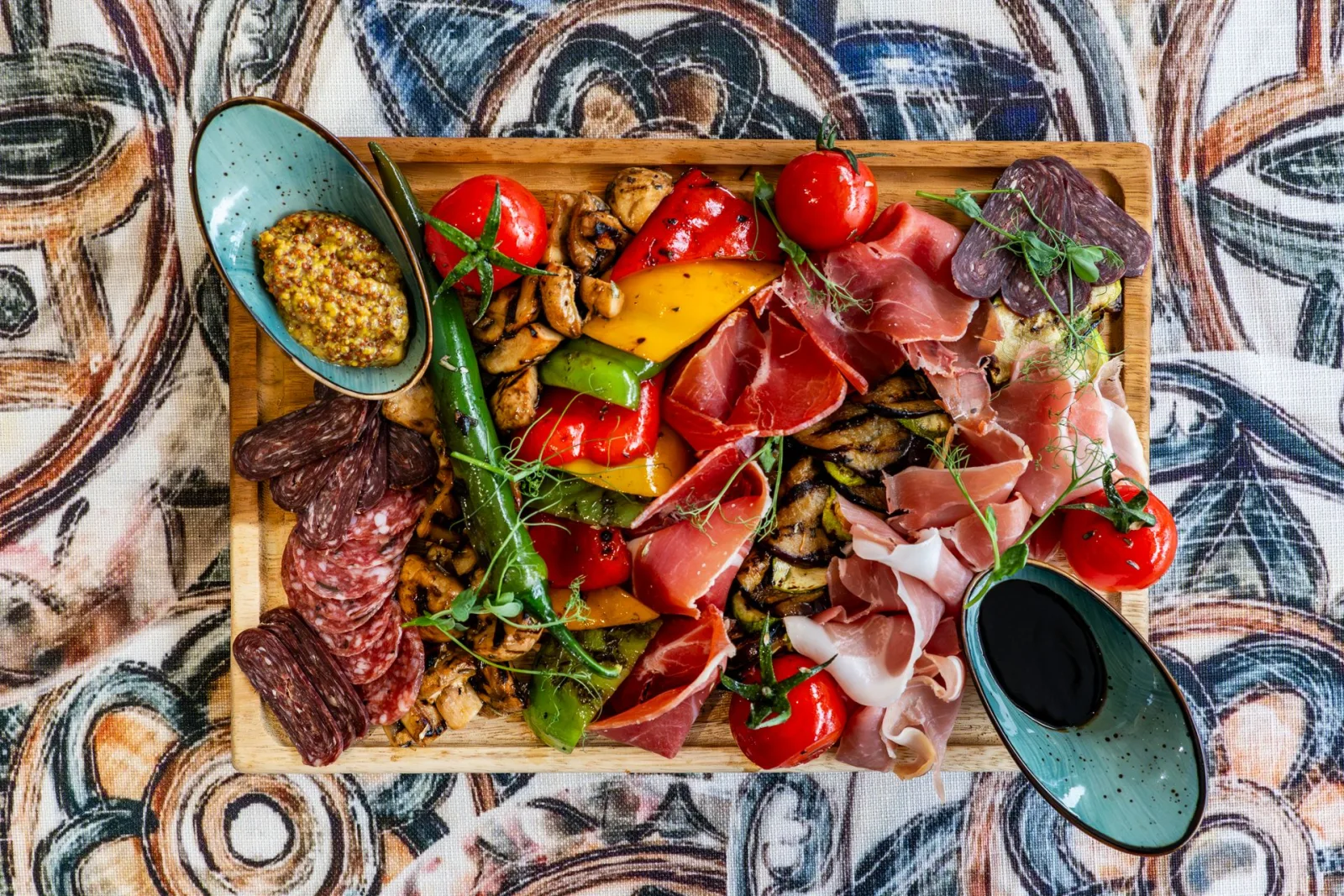
Croatian cuisine varies dramatically by region. The Dalmatian coast emphasizes olive oil, grilled fish, and slow-cooked meats, while Istria is famous for truffles, handmade pasta, and premium wine. For Indian travelers, the flavors are familiar yet distinct—heavy on herbs, garlic, and slow-roasting techniques. For complete destination planning including visa and itinerary, refer to our Croatia travel guide. If you're budgeting your trip alongside dining plans, see our Croatia trip cost guide.
Iconic Dishes 2026
Peka: Meat/seafood slow-cooked under an iron dome with potatoes & herbs (2–3 hrs prep)
Ćevapi: Grilled minced sausages with flatbread, onions, and ajvar (red pepper sauce)
Truffle Fuži: Istrian handmade pasta with black/white truffle shavings & butter
Pag Cheese (Paški Sir): Aged sheep cheese with salty, herbal notes from Adriatic wind
Soparnik: Traditional Dalmatian flatbread pie with Swiss chard, garlic & olive oil
Tip: Peka requires 48-hour advance ordering at konobas. Black risotto contains seafood; request vegetarian version without cuttlefish if needed.
Drinks & Desserts
Croatian Wines: Plavac Mali (Dalmatia), Malvazija (Istria), Pošip (Korčula)
Rakija: Traditional fruit brandy (šljivovica, lozovača), 40–50% ABV
Kava (Espresso): Strong Turkish-style coffee served in small cups; social ritual
Fritule: Deep-fried doughnuts dusted with powdered sugar (Adriatic specialty)
Rožata: Dalmatian caramel custard, similar to crème brûlée but with rose liqueur
Coffee culture is central to Croatian daily life. "Spica" (morning coffee) is a 1–2 hour social tradition in Split & Dubrovnik.
Vegetarian & Indian Food Guide in Croatia
Dietary Note: Mediterranean cuisine is naturally vegetable-forward. Notify restaurants 24 hours ahead for ferry/excursion days to ensure vegetarian meal availability.
Vegetarian-Friendly Options
Vegetarian Risotto: Mushroom, asparagus, or pumpkin risotto (confirm no seafood stock)
Trfuši & Fuži: Handmade pasta with truffle sauce, olive oil & parmesan (vegetarian)
Spice levels in Croatia are mild. Carry chili flakes or paprika packets if you prefer heat. Most coastal towns have at least 1–2 fully vegetarian restaurants.
Dining Costs & Restaurant Etiquette
Meal Cost Estimates 2026
Street Food/Burek: ₹200 – ₹400
Ćevapi Plate: ₹600 – ₹1,000
Konoba Lunch: ₹1,200 – ₹2,500
Seafood Dinner: ₹2,000 – ₹4,000
Coffee (Kava): ₹100 – ₹180
Wine (Glass): ₹300 – ₹700
Tipping 10% is customary in restaurants. Round up for casual spots. Service charge is sometimes included in tourist zones; check bill before tipping.
Dining Etiquette for Indians
Meal Times: Lunch 12–3 PM, Dinner 7–10 PM. Restaurants close between meals.
Water: Bottled water served by default. Request tap water (voda iz slavine) to save cost.
Cover Charge: Some tourist restaurants charge "cover" (€1–2/person) for bread/utensils.
Reservations: Essential for konobas in July–August. Book 1–3 days ahead.
Payment: Cards accepted in 90% of restaurants. Carry €10–€20 cash for tips & small stalls.
Sep–Oct: Truffle season begins, grape harvest, mushrooms, pomegranates
Nov–Dec: Black truffles, olives pressed, preserved fish, holiday pastries (fritule)
Istrian truffle festivals in Motovun & Livade run Oct–Nov. Dalmatian sardine festivals in Vela Luka & Komiža occur Jul–Aug. Plan itineraries around harvests for authentic tasting experiences.
Frequently Asked Questions — Croatian Food for Indians
1What is the national dish of Croatia?
Peka and Ćevapi are the most iconic. Peka is meat/seafood slow-cooked under a bell-shaped lid with potatoes. Ćevapi are grilled minced sausages served with flatbread. Coastal regions emphasize fresh seafood, truffles, and olive oil dishes.
2Can vegetarian Indians find food in Croatia?
Yes. Coastal cities offer Mediterranean pasta, risotto, grilled vegetables, and cheese dishes. Istrian truffle pasta and Dalmatian vegetarian black risotto are widely available. Notify hotels 24 hours ahead for ferry/excursion days.
3How much does a meal cost in Croatia?
Budget travelers: ₹1,000–₹2,200/day. Mid-range konobas: ₹2,000–₹3,500/meal. Fine dining: ₹4,000–₹8,000+. Tipping 10% is customary. Tap water is safe. Street food (burek, ćevapi) costs ₹300–₹800.
4What is the best time for truffle tasting in Croatia?
October to November is peak Istrian truffle season. White truffles are harvested Sep–Oct, black truffles Nov–Dec. Many konobas in Motovun and Rovinj offer truffle-focused tasting menus and foraging tours.
5Are restaurants in Croatia Indian-friendly?
Most konobas and coastal restaurants understand dietary restrictions. They accommodate vegetarian, gluten-free, and Jain requests if notified 24 hours in advance. English menus are standard. Spice levels are mild; carry chili flakes or ask for paprika.
6Is tap water safe to drink in Croatia?
Yes. Croatian tap water is among Europe's cleanest. Restaurants serve bottled water by default, but you can safely request tap water (voda iz slavine). Ferries and islands may have desalinated water; carry bottled water for long excursions.
Disclaimer: Restaurant hours, menu availability, and food pricing are subject to seasonal changes and operator updates. Verify current information on official Croatian tourism websites and local operator portals before travel. Allergy and dietary accommodations should be confirmed 24–48 hours in advance.
Planning your culinary journey through Croatia? Our experts can arrange truffle tasting tours, vegetarian-friendly konoba reservations, and seasonal harvest festival itineraries.