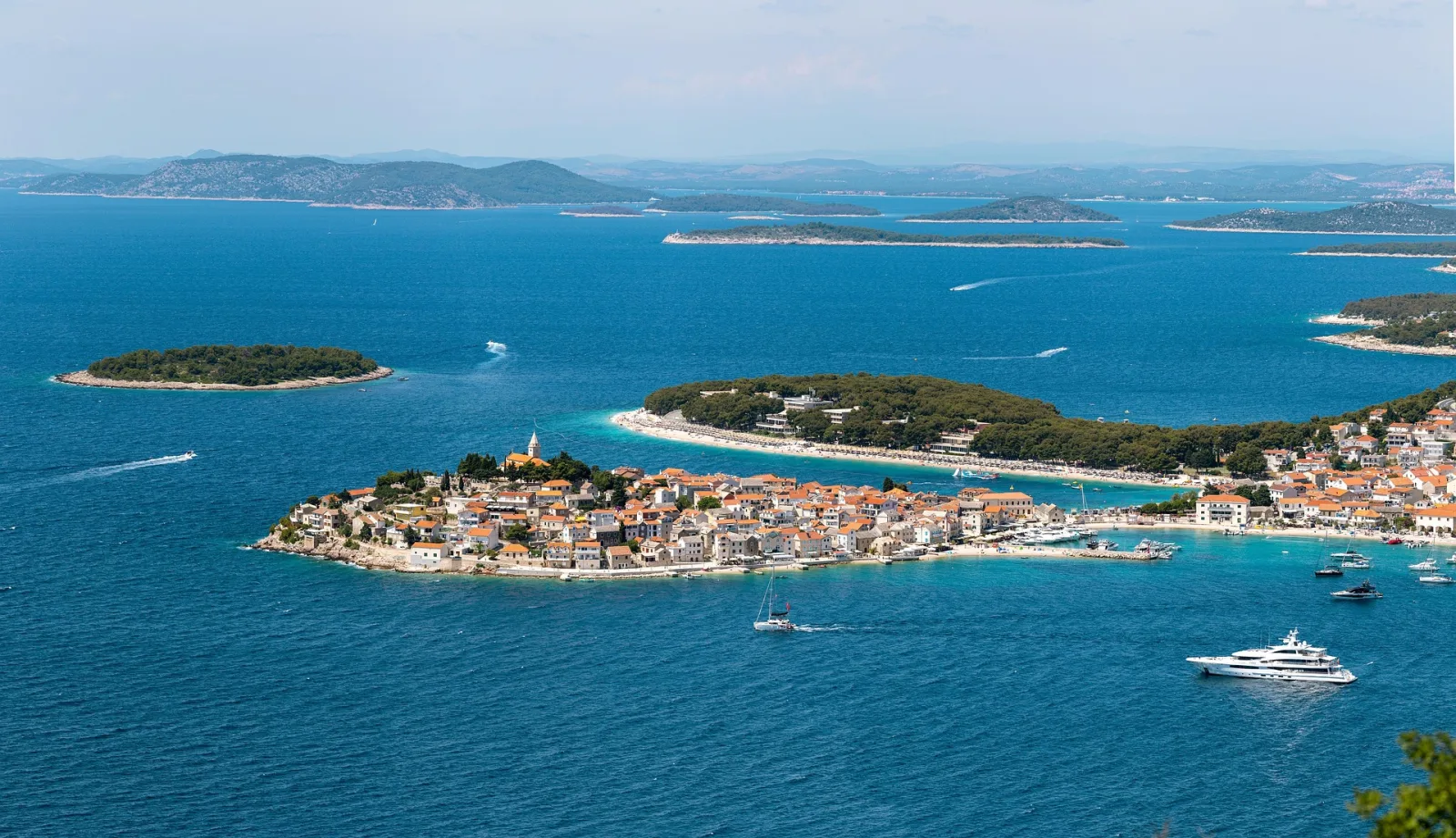
Aerial view of Dubrovnik old town walled city and Adriatic coastline, Croatia

Croatia Travel Guide
for Indian Travelers

Schengen visa, cost, itinerary & tips — your complete guide to planning a trip to Croatia from India in 2026.

Updated for 2026 Travelers
Written by Bilas Munda — Europe Travel Specialist
Reviewed by Vijay Prasad · Europe Travel Reviewer
Last updated after reviewing:
  • Croatia Schengen visa implementation & Euro adoption (Jan 2023)
  • New seasonal direct flight routes to Dubrovnik & Split (Summer 2026)
  • Indian traveler entry requirements & ETIAS readiness updates 2026

Last updated: May 2026

Croatia Trip Cost from India (Detailed Breakdown)
Realistic cost breakdown for flights, Schengen visa, hotels, ferries, food, and total budget for 2026

Cost Breakdown 2026

  • Return Flights: ₹65,000 – ₹1,20,000
  • Schengen Visa Fee: ₹8,000 – ₹11,000 (incl. VFS charges)
  • Hotels (per night): ₹5,000 – ₹15,000
  • Food (per day): ₹2,500 – ₹6,500
  • Ferries & Transport: ₹8,000 – ₹20,000 total
  • Activities & Entry Fees: ₹8,000 – ₹18,000 total
  • Travel Insurance: ₹1,500 – ₹3,000
  • Total (7–10 days): ₹1.2L – ₹2.5L per person

Croatia uses the Euro (EUR). On-ground costs are lower than Switzerland or France, but island ferries and coastal hotels in peak summer can be expensive. Booking ferries and accommodations early saves significantly.

Best Departure Cities

  • Delhi (DEL) — Most flight options via Istanbul, Frankfurt, or Vienna
  • Mumbai (BOM) — Excellent connections via Doha or Dubai to Zagreb/Split
  • Bangalore (BLR) — Good routes via Munich or Frankfurt
  • Hyderabad (HYD) — Options via Doha or Istanbul
  • Kolkata (CCU) — Fewer direct routes, usually via Middle East hubs

Delhi and Mumbai offer the best flight connectivity to Zagreb, Split, and Dubrovnik with competitive summer fares.

Ready to plan your Croatia trip? Let us handle flights, visa, hotels, and ferry bookings.

View Croatia Tour Packages →
Flight Routes from India to Croatia
Flights from India to Croatia take 9–14 hours with one layover. Here are the most popular routes.

Delhi to Zagreb/Split

  • Route 1: DEL → Istanbul (IST) → Zagreb (ZAG) (Turkish Airlines)
  • Route 2: DEL → Frankfurt (FRA) → Zagreb (Lufthansa/Croatia Airlines)
  • Route 3: DEL → Vienna (VIE) → Split (SPU) (Austrian Airlines)
  • Route 4: DEL → Doha (DOH) → Zagreb (Qatar Airways seasonal)
  • Duration: 9–12 hours
  • Price Range: ₹75,000 – ₹1,20,000

Mumbai to Dubrovnik/Split

  • Route 1: BOM → Dubai → Zagreb (Emirates)
  • Route 2: BOM → Doha → Split (Qatar Airways seasonal)
  • Route 3: BOM → Istanbul → Dubrovnik (Turkish Airlines seasonal)
  • Duration: 10–14 hours
  • Price Range: ₹80,000 – ₹1,35,000

Note: Zagreb (ZAG) is the main international airport. Dubrovnik (DBV) and Split (SPU) operate seasonal international routes. Check Europe travel guides for more regional information.

Croatia vs Italy Cost for Indian Travelers
How does Croatia compare to Italy on cost? Here is a practical comparison for Indian travelers.
Expense Croatia (7 days) Italy (7 days)
Flights₹65K – ₹1.2L₹60K – ₹1L
Visa₹8K – ₹11K (Schengen)₹8K – ₹11K (Schengen)
Hotels/night₹5K – ₹15K₹7K – ₹20K
Food/day₹2.5K – ₹6.5K₹4K – ₹10K
Local Transport₹2K – ₹4K/day₹3K – ₹7K/day
Total Trip₹1.2L – ₹2.5L₹1.8L – ₹3.5L
Flights
Croatia₹65K – ₹1.2L
Italy₹60K – ₹1L
Visa
Croatia₹8K – ₹11K
Italy₹8K – ₹11K
Hotels/night
Croatia₹5K – ₹15K
Italy₹7K – ₹20K
Food/day
Croatia₹2.5K – ₹6.5K
Italy₹4K – ₹10K
Total Trip
Croatia₹1.2L – ₹2.5L
Italy₹1.8L – ₹3.5L

Croatia offers significantly better value on-ground compared to Italy's major tourist hubs (Rome, Venice, Florence). The identical Schengen visa cost makes Croatia a more budget-friendly alternative for coastal and historic itineraries.

Best Time to Visit Croatia from India
Croatia can be visited year-round, but the best time depends on coastal activities, ferry schedules, and your travel goals.
Month Croatia Season Dubrovnik & Coast Plitvice & Inland Island Ferries India Travel Note
JanWinterQuiet, 5–10°C, some closuresCold, occasional snowLimited schedulesOff-season from India
FebWinterChilly, carnival seasonQuiet, lower pricesReducedLow demand window
MarEarly SpringWarming, 10–15°CWaterfalls activeGradual returnGood shoulder window
AprSpring ✓Ideal for sightseeing, 15–20°CExcellent hikingSummer schedules resumePre-summer bookings open
MayLate Spring ✓✓Warm, clear, fewer crowdsPeak greenery, perfectFull frequencyBest month from India — book early
JunEarly Summer22–28°C, beach weather beginsWarm, busy weekendsFull summerSchool holidays approach
JulSummer PeakHot, crowded, 28–32°CVery busy, book months aheadPacked ferriesIndia holidays — peak pricing
AugSummer PeakHottest, vibrant festivalsCrowded, best weatherMaximum frequencyHigh demand — secure packages 6mo ahead
SepEarly Autumn ✓✓Perfect 24–28°C, clear waterExcellent, fewer crowdsStill frequentIdeal post-monsoon India travel
OctLate AutumnMild 18–23°C, some closuresAutumn colors, quieterReducedGood budget window
NovLate AutumnCool, rainy days beginQuiet, lower ratesLimitedOff-peak travel
DecWinter/ChristmasChristmas markets, 5–10°CFestive, coldWinter schedulesYear-end holidays — book early
7-Day Croatia Itinerary for Indian Travelers
A perfect one-week Croatia itinerary covering Dubrovnik, Split, Hvar, and Plitvice Lakes highlights.

Day-by-Day Plan

  • Day 1: Arrive in Zagreb → Transfer to Plitvice Lakes National Park (overnight nearby)
  • Day 2: Full-day Plitvice Lakes walking tour → Evening transfer to Split
  • Day 3: Split city tour (Diocletian's Palace, Riva) → Afternoon ferry to Hvar Island
  • Day 4: Hvar Island exploration (Stari Grad, Pakleni Islands, sunset at fortress)
  • Day 5: Morning ferry to Korčula or ferry back to Split → Bus/transfer to Dubrovnik
  • Day 6: Dubrovnik Old Town walls, Fort Lovrijenac, Stradun walk
  • Day 7: Lokrum Island or Mount Srđ cable car → Depart from Dubrovnik

Planning Notes

  • Ferries: Book Jadrolinija or Krilo ferries 1–2 months ahead for May–Sept routes
  • Budget option: Skip Korčula — Split + Hvar + Dubrovnik is the most cost-effective coastal route
  • Currency: Euro (EUR) is official. Cards widely accepted; carry small cash for markets & tolls
  • Language: English widely spoken. Basic Croatian phrases appreciated
  • Connectivity: EU roaming works; local SIM/eSIM (T-Mobile, A1, Telemach) affordable
  • Vegetarians: Coastal restaurants offer Mediterranean pasta, salads, and risotto. Notify hotels for ferries
  • Book ahead: July–August accommodation and ferries require 4–6 month advance booking

Want a hassle-free Croatia trip? Our packages include flights, Schengen visa assistance, hotels, ferries, and guided tours.

Book Croatia Tour Package →
Croatia Visa for Indians — Complete Guide & Travel Essentials
Essential information for Indian travelers — from Schengen visa requirements and VFS booking to time zones and plug adapters.

Tip: Carry Euros (EUR) for small purchases. Croatia fully adopted the Euro in January 2023, replacing the Kuna.

Croatia Visa for Indians — 2026 Update

Update (Jan 2023): Croatia is a full Schengen member. Indian nationals require a Schengen short-stay visa processed via VFS Global. Source: VFS Croatia Visa India.

  • Visa Type: Schengen Type C (Tourism/Business, max 90 days in 180-day window)
  • Where to apply: VFS Global centers in New Delhi, Mumbai, Bengaluru, Hyderabad, Kolkata, Chandigarh
  • Documents: Valid passport (3+ months post-departure, 2 blank pages), application form, Schengen-compliant travel insurance (€30,000+), return flight itinerary, hotel bookings, bank statements (3 months), cover letter
  • Processing time: 15 calendar days (apply 1–6 months in advance)
  • Fee: €90 (~₹8,100) + VFS service charges
  • Biometrics: Required every 59 months
CLICK TO KNOW MORE ABOUT SCHENGEN DOCUMENTATION & FEES

Time Zone

Croatia follows Central European Time (CET, UTC+1) and observes daylight saving time. It is 3.5 hours behind IST in winter and 4.5 hours behind in summer.

  • Standard Time (CET): UTC+1 (Late Oct – Late Mar)
  • Summer Time (CEST): UTC+2 (Late Mar – Late Oct)
  • When it is 12:00 PM in Croatia, it is 3:30 PM or 4:30 PM in India
  • Business hours typically run from 8 AM to 4 PM (weekdays) or 8 AM to 2 PM (Saturdays)
  • Banks operate from 8 AM to 3 PM on weekdays
  • Most shops open from 9 AM to 9 PM; coastal areas stay open later in summer
  • Restaurants serve lunch 12–3 PM and dinner 7–10 PM

Country Code

To call Croatia from India, use the international dialing code +385 followed by the area code and local number.

  • International Dialing Code: +385
  • To call Croatia from India, dial: 00-385-XX-XXX-XXXX
  • Zagreb area code: 1
  • Split area code: 21
  • Dubrovnik area code: 20
  • Emergency services: 112 (Pan-European Emergency)
  • Police: 192 | Ambulance: 194 | Fire: 193
  • Major telecom providers: Hrvatski Telekom (T-Mobile), A1, Telemach
  • EU roaming works for Indian SIMs; local tourist eSIMs widely available

Socket & Plugs

Croatia uses Type C (Europlug 2-pin) and Type F (Schuko) electrical outlets with 230V at 50Hz. Indian Type C plugs work directly.

  • Type C and Type F — 230V, 50Hz
  • Croatia uses standard European 2-pin round sockets
  • Standard voltage is 230V with a frequency of 50Hz
  • Indian Type C plugs (2-pin round) work without adapter ✅
  • Indian Type D (3-pin round) plugs require a universal adapter
  • Hotels and guesthouses provide adapters on request
  • Modern devices (laptops, phone chargers) support 100–240V auto-switch

Indian Embassy in Croatia

The Embassy of India in Zagreb provides consular services for Indian nationals visiting or residing in Croatia.

  • Address: Trg Nikole Šubića Zrinskog 4, 10000 Zagreb
  • Contact: +385 1 486 7541 / 486 7542
  • Email: [email protected]
  • Emergency (24/7): +385 91 892 5555
  • Working Hours: Mon–Fri, 9:00 AM – 5:00 PM
  • Services: passport renewal, emergency certificates, consular assistance
  • Register with MADAD portal before travel for advisories

Croatia Embassy in India

The Embassy of Croatia in New Delhi oversees diplomatic relations and tourist visa processing coordination via VFS Global.

  • Address: N-67, Panchsheel Park, New Delhi 110017
  • Contact: +91-11-4058-4480
  • Email: [email protected]
  • Visa Note: Applications processed exclusively via VFS Global centers
  • Website: croatiaembassyindia.in
  • Working Hours: Mon–Fri, 9:00 AM – 3:00 PM (Appointments only)

Car Driving Orientation

Right-Hand Drive (Same as India)

  • Croatia follows right-hand driving, identical to India's system
  • Indian driver's license valid for short visits (up to 12 months) with translation/IDP recommended
  • Speed limits: 50 km/h urban, 90 km/h open roads, 130 km/h motorways
  • Seat belts mandatory for all passengers; child seats required under 35kg
  • Zero tolerance for drinking and driving
  • Motorway vignettes (ENC) not required; pay per km at toll booths
  • Coastal roads scenic but winding; drive cautiously in summer traffic
  • Ferry schedules require early booking for vehicle transport

App Based Taxi

Bolt, Uber, and CamMeT are Primary Ride-Hailing Apps

  • Uber and Bolt operate in Zagreb, Split, and Dubrovnik
  • CamMeT is the official Zagreb taxi app; widely used and reliable
  • Rides from airports to city centers: Zagreb (~€15-20), Split (~€20-25), Dubrovnik (~€25-35)
  • Traditional taxis are metered; ensure they use the official app/meter
  • Payment options: Cash (EUR), card, or in-app wallets
  • Local buses (Promet Split, Libertas Dubrovnik) are affordable and efficient
  • Intercity buses (FlixBus, Croatia Express) connect major towns

Need help with Croatia Schengen visa? Our visa team assists with documentation, appointment booking, and follow-up.

Croatia Visa Assistance →
Croatia Culture, Language & Local Customs
Understand Croatian language, local etiquette, and cultural norms to connect better with locals.

Official Language

Croatian (Hrvatski) — Official Language

  • Croatian uses Latin script, closely related to Serbian, Bosnian, and Montenegrin
  • Grammar is complex with seven grammatical cases and gendered nouns
  • English is widely spoken in tourist areas, hotels, and by younger generations
  • Italian and German are also understood in Istria and coastal regions
  • Learning basic Croatian phrases (hvala, molim, dobro jutro) is highly appreciated
  • Regional dialects (Kajkavian, Chakavian, Shtokavian) differ by location
  • Formal greetings expected in business and official settings
  • Translation apps work well in cities; rural areas rely on basic English

Local Vocabulary

Understanding these Croatian phrases helps navigate local interactions respectfully.

  • Hvala — Thank you
  • Molim — Please / You're welcome
  • Dobar dan — Good day (formal greeting)
  • Ćao / Bok — Hello / Bye (informal)
  • Isprika — Excuse me / Sorry
  • Da / Ne — Yes / No
  • Koliko košta? — How much does it cost?
  • Gdje je...? — Where is...?
  • Trg — Square/Plaza (common meeting point)
  • Kavana — Traditional café (strong coffee culture)

Toilet Signs

Public restrooms are marked "WC" or "Toaleti" in Croatia. Clean facilities are widely available in tourist zones.

  • Men/Women: "Muški" / "Ženski" with pictograms
  • Public toilets in historic centers are clean and well-maintained
  • Some public facilities charge a small fee (€0.50–€1)
  • Restaurants, museums, and malls offer free restrooms for customers
  • Always carry tissues for older public facilities
  • Western-style seated toilets are standard
  • Accessible/family restrooms available in modern venues and ferries

Interesting Facts

Croatia has the highest number of UNESCO sites per capita in Europe and a rich maritime history spanning millennia.

  • Croatia invented the necktie ("kravata") — 17th-century Croatian soldiers
  • Dubrovnik is one of the best-preserved medieval cities in the world
  • Croatia has over 1,200 islands; only 48 are permanently inhabited
  • Marco Polo is claimed to have been born in Korčula
  • Croatia has a strong coffee culture — "spica" (morning coffee ritual) is daily tradition
  • The Dalmatian dog breed originates from the Dalmatian coast region
  • Croatia won the 2018 FIFA World Cup Runner-Up medal
  • Zagreb is home to the world's smallest public museum (Broken Relationships)
Croatia Shopping & Markets Guide
From Istrian truffles and lavender to coral jewelry, licitars, and local olive oils.

Shopping Hours

Most Shops: 8:00 AM – 8:00 PM (Weekdays)

  • Shopping malls (Zagreb, Split) operate 9 AM – 9 PM, Sunday 9 AM – 5 PM
  • Small coastal boutiques often open 10 AM – 8 PM
  • Gundulićeva Poljana (Dubrovnik) and Dolac (Zagreb) are famous open-air markets
  • Flea markets operate on weekends; tourist shops stay open late in summer
  • Supermarkets open 7 AM – 10 PM; some 24-hour outlets in cities
  • Seasonal sales: January–February and July–August
  • VAT refund available for tourists spending over €100 in a single store
  • Markets close early on Sundays; plan purchases accordingly

Flea Markets

Croatia's local markets offer fresh produce, handmade crafts, and authentic regional specialties.

  • Dolac Market (Zagreb) — Daily open-air market, fresh produce, cheese, meats
  • Gundulićeva Poljana (Dubrovnik) — Daily morning market, lavender, truffles, souvenirs
  • Green Market (Split) — Local farmers, olive oil, figs, handmade crafts
  • Pula Antique Market — Sunday vintage finds, naval memorabilia, jewelry
  • Hvar Town Market — Island lavender, honey, herbal teas, ceramics
  • Euro (EUR) accepted everywhere; cards increasingly common
  • Bargaining rare in formal stores; acceptable at flea/outdoor stalls

Famous Brands & Souvenirs

Croatian products reflect Mediterranean craftsmanship and regional agricultural excellence.

  • Istrian Truffles: Premium white & black truffle oils, sauces, pasta
  • Lavender Products: Hvar island lavender sachets, soaps, essential oils
  • Olive Oil: Award-winning extra virgin olive oil from Istria & Dalmatia
  • Coral Jewelry: Adriatic red coral necklaces & earrings (Hvar, Dubrovnik)
  • Licitars: Heart-shaped gingerbread cookies, traditional Croatian symbol
  • Kravata (Tie): Authentic Croatian-designed neckties
  • Wine: Plavac Mali (Dalmatia), Malvazija (Istria), Pošip (Korčula)
  • Local Ceramics: Hand-painted tableware, pottery, decorative tiles

Supermarkets

Major supermarket chains like Konzum, Plodine, and Kaufland offer wide product ranges with competitive Euro pricing.

  • Konzum — Largest Croatian chain, widespread, good selection
  • Plodine — Popular discount supermarket chain
  • Kaufland & Spar — European chains with premium & budget options
  • Local products affordable and high quality (wine, olive oil, cheese, seafood)
  • Bottled water recommended; tap water safe in most cities
Croatia Food & Cuisine Guide
Croatian cuisine blends Mediterranean seafood, Central European meats, and Balkan grilled specialties.

Do: Try fresh Adriatic seafood, Istrian truffle dishes, and traditional peka.

Famous Cuisines

Croatian cuisine varies by region: coastal Mediterranean, inland Continental, and Slavonian Eastern European influences.

  • Ćevapi — Grilled minced meat sausages served with flatbread & onions
  • Peka — Meat or seafood slow-cooked under a bell-shaped lid with potatoes
  • Black Risotto (Crni Rižot) — Cuttlefish ink risotto, Dalmatian specialty
  • Pasticada — Slow-braised beef stew with prunes & gnocchi (traditional Sunday dish)
  • Pag Cheese — Aged sheep cheese with distinctive salty flavor from Adriatic wind
  • Truffle Pasta — Istrian region famous for white/black truffles & homemade fuži pasta
  • Octopus Salad — Fresh Mediterranean appetizer with olive oil & parsley
  • Soparnik — Traditional Dalmatian flatbread pie with Swiss chard & garlic
  • Ražnjići — Marinated grilled meat skewers, similar to Balkan ćevapi

Famous Fruits

Summer (June–August) offers the best fruit variety and prices. Local markets feature sun-ripened Mediterranean produce.

  • Figs (Smokve) — Dalmatian coast & Istria, fresh & dried varieties
  • Cherries (Trešnje) — Zagorje & Istria, peak in June
  • Plums (Šljive) — Inland Croatia, used for šljivovica (plum brandy)
  • Grapes (Grožđe) — Wine regions (Pelješac, Istria, Korčula)
  • Pomegranates (Nar) — Coastal orchards, autumn harvest
  • Olives (Masline) — Dalmatian & Istrian groves, cold-pressed oil
  • Citrus — Lemons & oranges in coastal microclimates

National Dish — Peka & Seafood

Peka is Croatia's iconic slow-cooked dish, emphasizing fresh local ingredients and traditional clay cooking methods.

  • Peka uses a bell-shaped iron lid buried in embers for hours
  • Traditional ingredients: lamb, veal, octopus, potatoes, carrots, onions
  • Cooked in "konoba" (traditional taverns) or outdoor hearths
  • Served with fresh bread, local olive oil, and Croatian wine
  • Requires 2–3 hours advance ordering at restaurants
  • Coastal regions emphasize seafood peka; inland favors meat
  • Best experienced in Dalmatia (Vis, Hvar) and Istrian konobas
  • Vegetarian peka available upon request (seasonal vegetables, cheese)

Avg Cost Of Food

Budget travelers can eat well for €15–€25 per day at local konobas. Tipping 10% is customary in restaurants.

  • Street Food/Burek: €2–€4
  • Ćevapi plate: €6–€10
  • Menu del Dia (Lunch Special): €10–€18
  • Seafood Restaurant: €20–€40 per person
  • Mid-range Konoba: €15–€25 per person
  • Fine Dining: €40–€80+ per person
  • Espresso (Kava): €1.20–€1.80
  • Wine (Glass): €3–€7

Tipping: 10% customary in restaurants (round up for casual spots). Service charge sometimes included in tourist zones.

Croatia Weather & Packing Tips
Croatia spans Mediterranean coastlines and continental interiors. Pack accordingly for your route.

Tip: Pack layers — coastal heat differs significantly from inland mountain weather.

Weather

Croatia has diverse climates due to its coastal geography and inland mountain ranges.

  • Dalmatian Coast: Mediterranean, hot dry summers (25–32°C), mild wet winters (8–14°C)
  • Istria: Similar to Italy, slightly cooler inland, excellent wine regions
  • Zagora & Inland: Continental, cold winters (0–5°C, occasional snow), warm summers (25–30°C)
  • Plitvice Lakes: Mountain climate, 10–15°C cooler than coast, snow Dec–Mar
  • Slavonia: Flat plains, hot summers, cold winters, continental agriculture
  • Best time overall: May–June & September–October
  • Summer (Jul–Aug): Peak tourist season, beach weather, high demand
  • Winter (Nov–Feb): Quiet coast, inland Christmas markets, skiing options (Medvednica)

Clothes To Wear

Croatians dress smart-casual. Avoid beachwear in city centers or churches.

For Coastal Cities & Islands:

  • Light, breathable clothing for summer (linen, cotton)
  • Sun protection: hat, sunglasses, reef-safe sunscreen
  • Comfortable walking sandals or sneakers (cobblestones everywhere)
  • Smart-casual attire for fine dining and historic site visits
  • Light rain jacket for spring/autumn showers
  • Modest cover-ups for church visits (shoulders & knees covered)

For Inland & Plitvice:

  • Layers essential (temperature drops quickly in mountains)
  • Sturdy hiking boots with good grip for wooden trails
  • Warm fleece or down jacket for winter/spring visits
  • Waterproof shell (Plitvice mist & rain common)
Croatia Heritage & Cultural Highlights
UNESCO sites, national symbols, films, and souvenirs that capture Croatia's cultural identity.

UNESCO World Heritage Sites

Croatia has 10 UNESCO World Heritage Sites, reflecting Roman, medieval, and natural wonders.

  • Historic City of Dubrovnik (1979) — Iconic walled city & Game of Thrones filming location
  • Plitvice Lakes National Park (1979) — 16 terraced lakes & cascading waterfalls
  • Episcopal Complex of Euphrasian Basilica, Poreč (1997) — 6th-century Byzantine mosaics
  • Historical Complex of Split with Diocletian's Palace (1979) — Roman emperor's palace
  • Stari Grad Plain, Hvar (2008) — Ancient Greek agricultural landscape
  • Stećci Medieval Tombstones (2016) — Transnational site including Croatian monuments

National Symbols

Croatia's checkerboard pattern (šahovnica) dates to the 10th century and remains the central coat of arms motif.

  • National Animal: Marten (kuna) — historical currency & forest dweller
  • National Bird: White Stork — symbol of home & rural life
  • National Flower: Iris croatica — endemic Dalmatian iris
  • National Sport: Football (soccer) & Water Polo
  • National Drink: Rakija (fruit brandy) & Croatian wine
  • National Dish: Ćevapi & Peka
  • National Folk Dance: Kolo — traditional circle dance

Films Shot in Croatia

Dubrovnik, Split, and Istria are major filming locations for international cinema and series.

  • Game of Thrones (2011–2019) — Dubrovnik = King's Landing
  • Star Wars: The Last Jedi (2017) — Dubrovnik = Crait
  • Robin Hood: Prince of Thieves (1991) — Dalmatian coast & islands
  • Dora and the Lost City of Gold (2019) — Jungle ruins & Split
  • The Hitman's Bodyguard (2017) — Zagreb & Split cityscapes
  • Diocletian's Palace frequently used for Roman-era historical dramas

Film & Arts Festivals

Croatia hosts vibrant summer festivals blending film, music, theater, and Mediterranean culture.

  • Pula Film Festival — Croatia's oldest, held in Roman Arena (July)
  • Dubrovnik Summer Festival — Theatre, music, dance (July–Aug)
  • Split Summer Festival — Classical concerts & opera in Diocletian's Palace
  • Zagreb Film Festival — Independent & animated cinema (Oct)
  • Ultra Europe — Electronic music festival in Split (July)
  • Motovun Film Festival — Independent & regional cinema in Istria

Souvenirs

Best places to shop: Dolac (Zagreb), Gundulićeva Poljana (Dubrovnik), local konobas & island markets.

  • Truffle Products: Oils, sauces, pasta (Istrian specialty)
  • Lavender: Sachets, essential oils, soaps (Hvar island)
  • Coral Jewelry: Adriatic red coral necklaces & earrings
  • Olive Oil: Award-winning Istrian & Dalmatian EVOO
  • Licitars: Heart-shaped gingerbread & traditional honey crafts
  • Wine: Plavac Mali, Malvazija, Graševina bottles
  • Kravata: Authentic Croatian neckties
  • Ceramics: Hand-painted Hvar & Pag tableware
Notable Highlights for Indian Travelers
From famous personalities to groundbreaking inventions, discover what makes Croatia unique on the global stage.

Famous People

  • Nikola Tesla (1856–1943) — Inventor & electrical engineer (born in Smiljan, Croatia)
  • Slavoljub Penkala (1871–1922) — Inventor of mechanical pencil & ballpoint pen
  • Marina Abramović (1946–) — Pioneer of performance art
  • Luka Modrić (1985–) — Ballon d'Or winner & Croatian football captain
  • Ivica Kostelić & Janica Kostelić — Olympic alpine skiing champions
  • Ruđer Bošković (1711–1787) — Physicist, astronomer, philosopher
  • Marko Polo (1254–1324) — Explorer & merchant (claimed birth in Korčula)
  • Marin Držić (1508–1567) — Renaissance playwright & poet

Famous Inventions

Croatian inventors have shaped modern technology, medicine, and everyday tools.

  • Necktie (Kravata) — 17th-century Croatian soldiers inspired European fashion
  • Ballpoint Pen — Slavoljub Penkala patented first mechanical pencil (1906)
  • Alternating Current Principles — Nikola Tesla's foundational electrical patents
  • Severance Technology — Fausto Veranzio designed early parachute & windmill (1595)
  • Torpedo — Ivan Lupis Vukić developed first self-propelled underwater weapon (1866)

Croatia consistently ranks high in scientific patents per capita and produces world-class engineers.

National Dish — Peka

  • Peka represents Croatian slow-food tradition & coastal heritage
  • Cooked under iron dome buried in embers for 2–3 hours
  • Traditional cuts: veal, lamb, octopus, or chicken with potatoes
  • Accompanied by local olive oil, rosemary, garlic, & crusty bread
  • The "peka master" holds honored position in family gatherings
  • Best experienced in Istrian konobas & Dalmatian island taverns
  • Weekend Peka is traditional family & friend gathering ritual
  • Vegetarian versions: seasonal vegetables, goat cheese, Mediterranean herbs

Is Croatia expensive for Indians? A trip costs ₹1.2–₹2.5 lakh for 7–10 days including flights, Schengen visa (~₹9K), hotels, ferries, and food. Croatia uses the Euro and is 20-30% cheaper than Italy or Switzerland on-ground.

Do Indians need a visa? Yes. Indian nationals require a Schengen short-stay visa processed via VFS Global. Fee: €90 (~₹8,100). Apply 1–3 months in advance.

Flight duration? Flights from India to Croatia typically take 9–14 hours with one layover via Istanbul, Frankfurt, or Doha.

Is Croatia safe for Indian tourists? Highly safe. Violent crime is rare. Standard precautions apply in crowded tourist zones & ferry terminals.

Currency? Euro (EUR). Cards widely accepted. UPI not available. Carry small cash for markets & tolls.

Frequently Asked Questions — Croatia Travel for Indians
Quick, honest answers to the most common Croatia travel questions from Indian travellers
1Do Indians need a visa for Croatia?
Yes. Since January 2023, Croatia is a full Schengen member. Indian nationals require a Schengen short-stay visa processed via VFS Global. The fee is €90 (~₹8,100) plus service charges. Processing takes 15 days; apply 1–3 months ahead.
2Is Croatia expensive for Indian tourists?
A 7–10 day Croatia trip costs approximately ₹1.2–₹2.5L per person including flights (₹65K–₹1.2L), Schengen visa, hotels (₹5K–₹15K/night), food (₹2.5K–₹6.5K/day), and ferries. It uses the Euro and is 20-30% cheaper than Italy or Switzerland on-ground.
3How long is the flight from India to Croatia?
Flights take 9–14 hours with one layover, typically via Istanbul, Frankfurt, Vienna, or Doha. Direct flights don't operate regularly, but seasonal charters to Split and Dubrovnik appear in summer. Zagreb (ZAG) is the main year-round hub.
4What is the best time to visit Croatia from India?
May–June and September are ideal. Weather is warm (20–26°C), sea is swimmable, and crowds/ferry prices are lower than peak July–August. April and October are excellent for inland sightseeing (Plitvice, Zagreb) with mild temperatures.
5Is Croatia safe for Indian tourists?
Croatia is one of Europe's safest destinations. Violent crime is extremely rare. Standard precautions apply in crowded tourist areas, ferry terminals, and late-night zones. Indian families and solo travelers consistently report high safety levels and helpful locals.
6Do Indians need a transit visa for Croatia flights?
If transiting via Schengen countries (Germany, Austria, France) outside the airport, a valid Schengen visa is required. Airport transit usually doesn't require extra visas. Transit via Istanbul, Doha, or Dubai is visa-free for Indian passport holders and highly recommended.
7What is the Croatia tourist visa fee for Indians?
The Schengen visa fee is €90 (~₹8,100) plus VFS service charges (~₹2,500–₹3,000 depending on city). Children 6–12 pay €45. Under 6 are free. Fees are non-refundable and payable in INR at VFS centers.
8What plug type is used in Croatia?
Croatia uses Type C (2-pin round) and Type F (Schuko) outlets at 230V, 50Hz. Indian Type C plugs work directly without an adapter. Type D (3-pin round) needs a universal adapter. Most hotels provide adapters on request.
9Can I use Indian Rupee or UPI in Croatia?
No. Croatia uses the Euro (EUR). UPI is not available. Carry internationally enabled Visa/Mastercard debit/credit cards for hotels, restaurants, and ferries. Keep small Euro notes/coins for markets, public toilets, and street vendors.
10What is the national dish of Croatia?
Peka and Ćevapi are the most iconic. Peka is slow-cooked meat/seafood under an iron dome with potatoes and herbs. Ćevapi are grilled minced sausages served with flatbread and onions. Coastal regions emphasize fresh seafood, truffles, and olive oil dishes.
11What is the time difference between India and Croatia?
Croatia is 3.5 hours behind IST during winter (CET, UTC+1) and 4.5 hours behind during summer daylight saving (CEST, UTC+2). Adjust your schedule gradually to manage jet lag during your first 1–2 days.
12Can vegetarian Indians find food in Croatia?
Yes. Coastal cities (Split, Dubrovnik, Zagreb) offer excellent Mediterranean vegetarian options: pasta, salads, risotto, grilled vegetables, and cheese dishes. Istrian truffle cuisine often includes vegetarian pasta. Notify hotels in advance for ferry/excursion days.
13Which is better for first-time visitors — Dubrovnik or Split?
Both complement each other perfectly. Start with Split (3 days) for Roman ruins, easy ferry access to Hvar, and lower costs. Move to Dubrovnik (3 days) for iconic walls, historic charm, and day trips. If budget is tight, prioritize Split + Hvar for better value.
14Is Croatia better than Italy for Indian tourists on budget?
Overall yes — Croatia costs 20-30% less than comparable Italian coastal trips. Schengen visa costs are identical. Accommodation, ferries, and dining in Croatia offer better value. Flights are slightly more expensive, but total trip cost still undercuts Italy.
15Does Destination To Plan offer group tour packages to Croatia?
Yes. Destination To Plan offers customised group and family tour packages to Croatia from India — including flights, Schengen visa assistance, hotels, island ferries, guided tours, and transfers. Contact us via the inquiry form below or visit our Croatia tour packages page for details and pricing.
Have more questions? Our Croatia travel experts can help plan your perfect Adriatic trip.

Talk to a Croatia Travel Expert →

Note: Information provided is subject to change. Verify visa requirements, exchange rates, opening hours, and travel advisories before your trip. Prices are approximate and may vary based on location, season, and EU inflation. Croatia experiences seasonal tourism fluctuations; book ferries and accommodations in advance.

About This Croatia Travel Guide

This Croatia travel guide covers everything Indian travelers need from Schengen visa requirements and coastal travel tips to local food, ferry logistics, shopping, and top attractions. Researched, regularly updated, and trusted by group tour planners and independent travelers.

Expert Curated Content

Every section — from Croatia visa rules to Dubrovnik shopping hours — is verified by travel professionals with European coast experience.

Regularly Updated Information

Croatia travel costs, Schengen rules, and embassy details are reviewed and refreshed to reflect current conditions including Euro adoption & 2026 entry updates.

Trusted by Indian Travelers

Used by group tour organizers, corporate travel planners, and independent travelers from India researching Croatia itineraries, Adriatic trips, and Dalmatian coastal breaks.

Complete Croatia Resource

One guide covering visa requirements, cost, flights, itinerary, food, culture, weather, shopping, and heritage — all with India-specific context and 2026 accuracy.

More Travel Guides

Explore Other Destinations

Plan Your Croatia Trip from India

Fill out the enquiry form below and our travel experts will help you plan your Croatia tour — visa, flights, hotels, island ferries, and guided tours.

Get assistance with Schengen visa (€90), flight bookings, coastal hotels, Dubrovnik and Split excursions, and complete Croatia packages.

Enquire About This Package