The Magic of Timkat: Ethiopia's Greatest Festival
A profound, colorful, and deeply spiritual celebration of faith and community.
Timkat, the Ethiopian Orthodox celebration of Epiphany, commemorates the baptism of Jesus Christ in the Jordan River. It is not merely a religious observance; it is a vibrant, nation-wide spectacle of faith, music, and color that transforms historic cities into living museums of devotion.
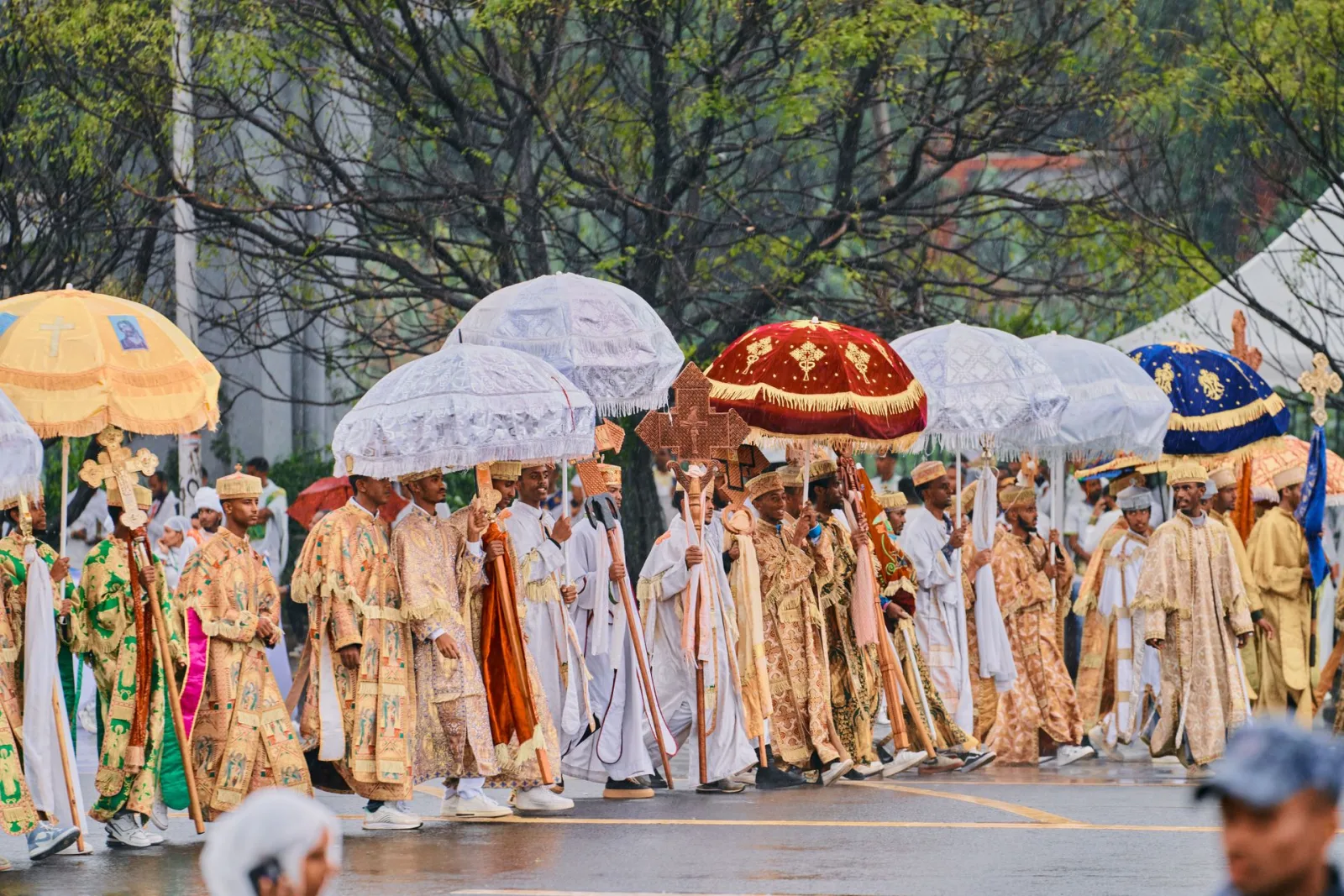
For Indian travelers, the visual grandeur of Timkat—thousands of devotees dressed in traditional white netela garments, priests carrying ornate Tabots (replicas of the Ark of the Covenant) under magnificent embroidered umbrellas, and the rhythmic beating of kebero drums—offers an unparalleled cultural immersion. This focused guide complements our broader Ethiopia Travel Guide by detailing exactly how to plan, book, and safely experience this bucket-list event.
Timkat Festival Dates & Schedule for 2026
Mark your calendar and plan your itinerary around these key events.
- January 18 (Ketera): The eve of Timkat. The Tabots are wrapped in rich cloth and carried in solemn, candlelit processions from their respective churches to nearby bodies of water (e.g., the Fasilides Bath in Gondar).
- January 19 (Timkat Day): The main celebration. Overnight vigils give way to dawn blessings of the water. Priests sprinkle holy water on the cheering crowds, symbolizing spiritual renewal. This is followed by a joyous return procession of the Tabots to their churches.
- January 20 (St. Michael's Day): The Tabots are formally returned to their sanctuaries. The atmosphere becomes slightly more subdued as the festival officially concludes, though local celebrations may continue.
Note: If 2026 is a leap year in the Ethiopian calendar, these dates shift to January 20–22. Always confirm with your tour operator.
Where to Celebrate: Gondar vs. Lalibela
Choosing the right location based on your travel style and expectations.
Gondar hosts the most famous and visually spectacular Timkat celebration. The focal point is the Fasilides Bath, a 17th-century royal pool. Thousands gather on its banks, creating a sea of white robes against the historic stone architecture. The processions here are massive, energetic, and highly photogenic. Best for: Travelers seeking the most vibrant, large-scale festival atmosphere.
Lalibela offers a more intimate, deeply spiritual experience. Processions wind through the narrow, ancient pathways connecting the 11 rock-hewn churches. The chanting echoing through the stone corridors and the sight of priests blessing the faithful in the church courtyards is profoundly moving. Best for: Travelers seeking a profound, authentic, and historically immersive religious experience.
Essential Travel Logistics for Indians
Practical tips to ensure a smooth and safe Timkat experience.
- Book 6–8 Months Ahead: This cannot be overstated. Hotels in Gondar and Lalibela sell out almost a year in advance for Timkat. Domestic flights also reach capacity. Use a reputable operator like Destination To Plan to secure logistics early.
- Dress Code: Modesty is mandatory. Wear white or light-colored clothing that covers shoulders and knees. Women should carry a scarf to cover their hair when near church processions. Remove shoes when entering church compounds.
- Crowd Management: The crowds are immense and can be overwhelming. Always stay with your licensed local guide. Keep valuables (phones, cameras, wallets) secure and out of sight in dense crowds.
- Health & Hydration: January days in the highlands are sunny and warm, but nights are cold. Dress in layers. Carry bottled water and hand sanitizer, as public facilities are stretched to their limits during the festival.
- Photography Etiquette: While the festival is highly photogenic, always ask for permission before photographing individuals, especially priests or devotees in deep prayer. Flash photography inside churches is strictly prohibited.
Want to experience Timkat hassle-free? Our specialized festival packages include guaranteed accommodations, licensed local guides, and seamless domestic flight bookings.
View Ethiopia Timkat Tour Packages →
Frequently Asked Questions — Timkat Festival
Quick answers to common questions from Indian travelers planning a January visit.
1When is the Timkat festival in Ethiopia in 2026?
In 2026, Timkat is celebrated on January 19th (or January 20th if it is a leap year in the Ethiopian calendar). The main processions and water blessings occur on this day.
2Where is the best place to experience Timkat: Gondar or Lalibela?
Both are spectacular but offer different experiences. Gondar is famous for its massive, vibrant processions around the Fasilides Bath. Lalibela offers a more spiritual, ancient atmosphere with processions winding through the rock-hewn churches.
3Is it safe for Indian tourists to attend Timkat?
Yes, Timkat is generally safe and locals are incredibly welcoming to respectful foreign visitors. However, crowds are immense. It is highly recommended to hire a local guide, stay with an organized tour group, and keep valuables secure.
4How far in advance should I book for Timkat in Ethiopia?
You should book flights, accommodations, and guides at least 6 to 8 months in advance. Hotels in Gondar and Lalibela sell out almost a year ahead for Timkat, and domestic flights reach capacity quickly.
5What is the dress code for Timkat?
Modest, conservative clothing is mandatory. Both men and women must cover their shoulders and knees. Women should carry a lightweight scarf to cover their hair when near church processions. White clothing is traditional and highly recommended.
Note: Festival dates and logistics can be subject to last-minute changes by local authorities or the Church. Always confirm your itinerary and accommodation details with your tour operator or hotel 1–2 months before departure. For broader safety tips, review our Ethiopia Safety Guide.