Colorful Spanish tapas spread featuring patatas bravas, jamón ibérico, olives, cheese, and pan con tomate on rustic wooden table

Spain Food Guide for Indian Travelers

Tapas etiquette, paella authenticity, vegetarian navigation & wine pairing tips — your complete Spanish cuisine guide from Destination To Plan.

Written by Bilas Munda — Europe Travel Specialist
Reviewed by Vijay Prasad · Europe Travel Reviewer
Last updated after reviewing:
  • Spanish restaurant menu labeling regulations updated for allergen transparency in 2026
  • Valencia paella authenticity certification program launched to combat tourist-trap versions
  • Vegetarian/vegan restaurant growth in Madrid & Barcelona up 40% since 2024

Last updated: April 2026

Spanish Regional Cuisine Breakdown for Indian Travelers
Spain's diverse geography creates distinct culinary traditions. Understand regional specialties to plan your food itinerary.

Andalusia (Seville, Granada, Córdoba)

  • Signature dishes: Gazpacho (chilled tomato soup), salmorejo (thick tomato cream), espinacas con garbanzos (spinach with chickpeas)
  • Vegetarian-friendly: Excellent — many traditional dishes are plant-based
  • India tip: Gazpacho is naturally vegan; request "sin jamón" for salmorejo; ask for "tortilla sin cebolla" if avoiding onions
  • Best for: Vegetarian travelers, spice-tolerant palates (garlic-heavy cuisine)
Catalonia (Barcelona, Girona)

  • Signature dishes: Pa amb tomàquet (bread with tomato), escalivada (roasted vegetables), crema catalana (custard dessert)
  • Vegetarian-friendly: Very good — Barcelona has dedicated vegan/vegetarian restaurants
  • India tip: Pa amb tomàquet is naturally vegan; escalivada is vegetable-based; ask for "sin anchoas" in salads
  • Best for: Urban foodies, fusion cuisine lovers, vegetarian/vegan travelers

Valencia (Paella Homeland)

  • Signature dishes: Authentic paella Valenciana (rice, saffron, rabbit/chicken/beans), horchata (tiger nut drink), fartons (sweet pastries)
  • Vegetarian-friendly: Moderate — paella de verduras (vegetable paella) available but less traditional
  • India tip: Request "paella de verduras" for vegetarian version; avoid "paella mixta" (often has hidden fish stock)
  • Best for: Paella purists, rice dish enthusiasts, cultural food experiences

Basque Country (San Sebastián, Bilbao)

  • Signature dishes: Pintxos (small skewered appetizers), bacalao al pil-pil (cod in garlic oil), txakoli (slightly sparkling white wine)
  • Vegetarian-friendly: Good — pintxos bars offer cheese, pepper, and vegetable options
  • India tip: Ask for "pintxos vegetarianos"; many bars label options clearly; txakoli pairs well with spicy food
  • Best for: Gourmet travelers, wine enthusiasts, small-plate dining lovers
Tapas Culture Guide for Indian Travelers
Navigate Spanish tapas bars like a local with these practical ordering and etiquette tips.

How to Order Tapas

  • Stand at the bar: Cheaper prices than seated tables; faster service; authentic experience
  • Order in rounds: Start with 2-3 tapas per person, then order more as needed
  • Share everything: Tapas are meant for communal eating; use small plates provided
  • Peak hours: 8-11 PM for dinner tapas; 1-4 PM for lunch tapas
  • Payment: Pay at the end; some bars tally on a napkin or card
  • India tip: Ask for "la cuenta, por favor" to request the bill; rounding up is appreciated but tipping not mandatory

Essential Tapas Vocabulary

  • ¿Es vegetariano? — Is this vegetarian? (essential question)
  • Sin jamón / Sin carne — Without ham / Without meat
  • Tabla de quesos — Cheese board (vegetarian ✅)
  • Verduras a la plancha — Grilled vegetables (vegetarian ✅)
  • Patatas bravas — Crispy potatoes with spicy sauce (vegetarian ✅)
  • Pimientos de Padrón — Blistered green peppers with salt (vegetarian ✅)
  • Tortilla española — Potato & egg omelette (vegetarian ✅)
  • Pro Tip: Many tapas contain hidden fish stock or ham; always confirm ingredients
Vegetarian & Vegan Navigation in Spain
Practical guidance for vegetarian, vegan, and Jain travelers dining in Spain.

Safe Vegetarian Dishes

  • Gazpacho — Chilled tomato soup (naturally vegan ✅)
  • Salmorejo — Thick tomato cream (request "sin jamón" for vegetarian)
  • Espinacas con garbanzos — Spinach with chickpeas, cumin, garlic (vegetarian ✅)
  • Pimientos de Padrón — Blistered green peppers with sea salt (vegetarian ✅)
  • Patatas bravas — Crispy potatoes with spicy tomato sauce (vegetarian ✅)
  • Tortilla española — Potato & egg omelette (vegetarian ✅; request "sin cebolla" if avoiding onions)
  • Ensalada mixta — Mixed salad (confirm no tuna/anchovies)
  • Queso manchego — Sheep's milk cheese (vegetarian ✅; confirm rennet source for strict vegetarians)

Vegetarian-Friendly Restaurants

  • Madrid: Veggie Garden, La Ensaladería, Terra Vegan — dedicated vegetarian/vegan menus
  • Barcelona: Teresa Carles, Flax & Kale, CatBar — innovative plant-based cuisine
  • Seville: Egaña Origen, La Azotea — creative vegetarian options within traditional menus
  • Valencia: Veggie House, Arrel — vegetarian paella specialists
  • India tip: Download HappyCow app for real-time vegetarian/vegan restaurant locations
  • Jain travelers: Inform restaurants 24 hours ahead; many can customize dishes without root vegetables
Paella Authenticity Guide for Indian Travelers
Avoid tourist traps and experience authentic Valencian paella with these expert tips.

Authentic Paella Characteristics

  • Origin: Valencia region only — authentic paella is a Valencian dish
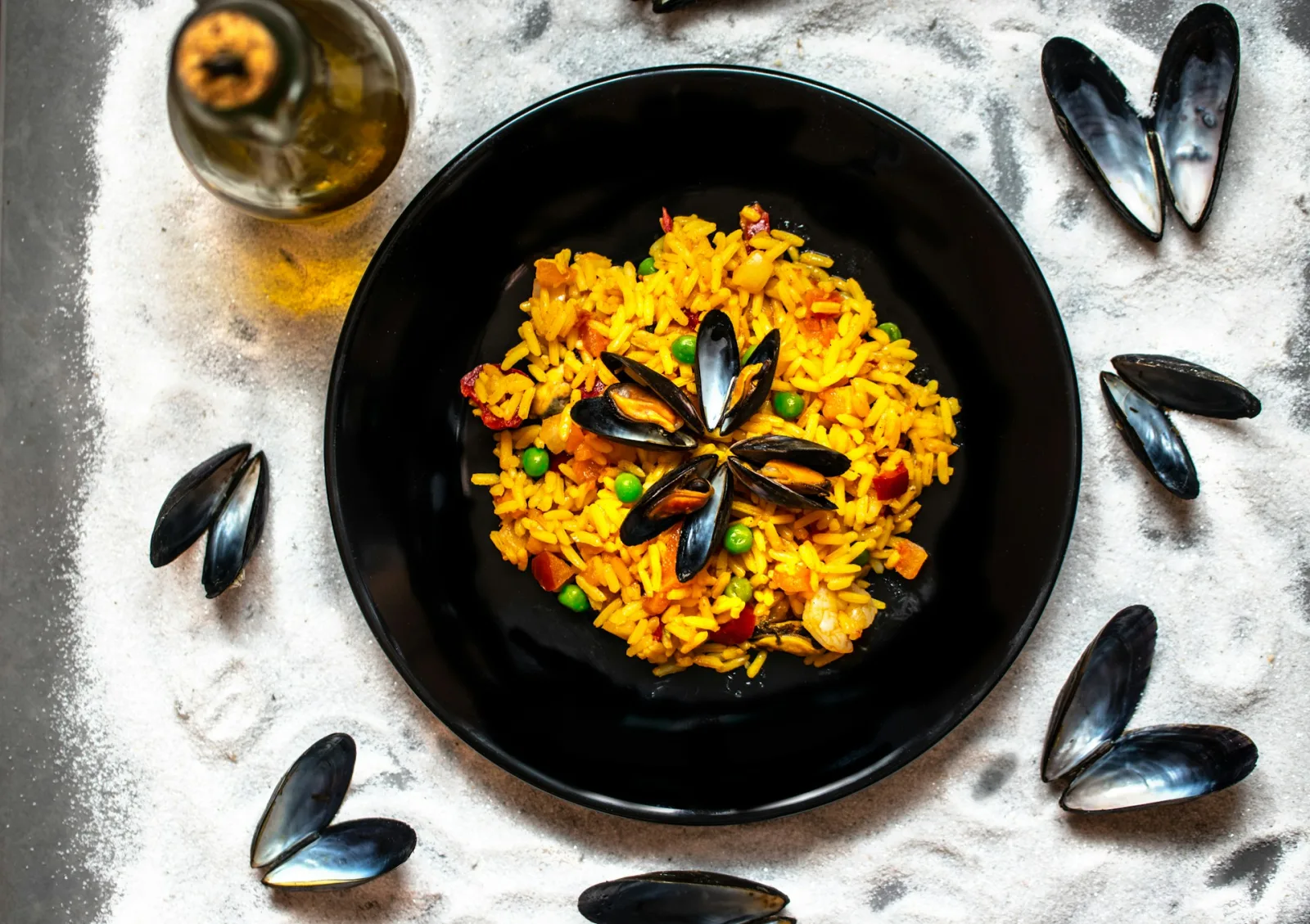
  • Rice: Bomba or Senia short-grain rice (absorbs broth without becoming mushy)
  • Saffron: Real saffron threads (not food coloring) for golden color and aroma
  • Cooking vessel: Wide, shallow paellera pan for even rice cooking
  • Socarrat: Crispy caramelized rice crust at the bottom (highly prized)
  • Proteins: Traditional: rabbit, chicken, snails, green beans (Paella Valenciana); OR seafood only (Paella de Marisco)
  • Red flag: Chorizo in paella is NOT traditional — avoid restaurants adding it

Where to Eat Authentic Paella

  • Valencia city: La Riua, Casa Carmela, Restaurante Levante — traditional paella specialists
  • Albufera region: El Palmar, El Rincón de Juan — lakeside villages where paella originated
  • Barcelona/Madrid: Seek restaurants with "Paella Valenciana" certification or Valencia-born chefs
  • Avoid: Restaurants on La Rambla (Barcelona) or near major tourist traps offering "paella for two" at suspiciously low prices
  • India tip: Paella is traditionally eaten for lunch (1-4 PM), not dinner; order 30-45 minutes ahead as it's cooked fresh
  • Vegetarian option: Request "paella de verduras" — vegetable paella with artichokes, beans, peppers
Spanish Wine & Beverage Guide for Indian Travelers
Navigate Spanish wines, beers, and non-alcoholic options with pairing tips for Indian palates.

Spanish Wines for Indian Palates

  • Rioja Crianza: Medium-bodied red with vanilla notes; pairs well with tapas and mild curries
  • Albariño: Crisp white from Galicia; excellent with seafood and spicy dishes
  • Cava: Spanish sparkling wine; refreshing, low-alcohol, pairs with almost anything
  • Tinto de Verano: Red wine + lemon soda; light, refreshing, perfect for summer tapas
  • Sherry (Jerez): Fortified wine from Andalusia; try Fino (dry) or Cream (sweet) based on preference
  • India tip: For spice-tolerant palates: Tempranillo or Garnacha reds complement bold flavors; for milder preferences: Albariño or Cava
  • Price range: House wine €2-4/glass; quality bottle €8-20 in restaurants

Non-Alcoholic & Traditional Beverages

  • Agua con gas/sin gas: Sparkling/still water; tap water safe in most cities
  • Mosto: Non-alcoholic grape juice; traditional alternative to wine
  • Horchata: Sweet tiger nut drink from Valencia; naturally vegan, refreshing
  • Café con leche: Spanish-style latte; strong espresso with steamed milk
  • Granizados: Flavored ice slushies; popular summer refreshment
  • India tip: Request "sin azúcar" if avoiding sugar; most beverages can be customized
Indian Dietary Considerations in Spain
Practical tips for vegetarian, vegan, Jain, and spice-preference travelers dining in Spain.

Vegetarian & Jain Travelers

  • Communicate clearly: Use "Soy vegetariano/a" (I am vegetarian) or "Soy jainista" (I am Jain)
  • Avoid hidden ingredients: Many soups/stews use ham bones or fish stock; always ask "¿Lleva jamón o caldo de pescado?"
  • Safe staples: Rice dishes (arroz), legumes (legumbres), eggs (huevos), cheese (queso), bread (pan)
  • Jain-specific: Request "sin raíces" (no root vegetables) and "sin cebolla/ajo" (no onion/garlic) where possible
  • Advance notice: Inform hotels/tour operators 24-48 hours ahead for excursion meal planning
  • Apps: HappyCow, VegVisor, and Google Maps "vegetarian" filter help locate suitable restaurants

Spice & Flavor Preferences

  • Spanish cuisine is mild: Most dishes use garlic, paprika, saffron, and herbs rather than chili heat
  • Request spice: Ask for "picante" or "con guindilla" to add heat; many kitchens keep chili oil or flakes
  • Carry condiments: Small packets of Indian chili powder or chutney can enhance meals when traveling outside cities
  • Fusion options: Madrid and Barcelona have Indian/South Asian restaurants for occasional home-flavor breaks
  • Breakfast tip: Spanish breakfast is light (coffee + pastry); carry protein snacks if accustomed to heavier Indian breakfasts
Frequently Asked Questions — Spain Food for Indians
Direct answers to dining doubts from Indian travelers planning Spain trips.
1Can vegetarian Indians find good food in Spain?
Yes. Spain offers excellent vegetarian options, especially in Madrid and Barcelona. Traditional dishes like patatas bravas, pimientos de padrón, gazpacho, and tortilla española are naturally vegetarian. Always ask "¿Es vegetariano?" to avoid hidden ham or fish stock. Dedicated vegetarian restaurants are growing rapidly in major cities.
2What is authentic paella and where should I eat it?
Authentic paella originates from Valencia and uses Bomba rice, saffron, olive oil, and local proteins (rabbit, chicken, or seafood). Avoid tourist-trap versions with chorizo or mixed proteins. Best authentic spots: Valencia, Denia, Sueca. In Barcelona/Madrid, seek restaurants with "Paella Valenciana" certification or Valencia-born chefs.
3How does tapas culture work for Indian travelers?
Tapas are small plates meant for sharing. Order 3-4 per person to sample variety. Stand at the bar for cheaper prices vs. seated tables. Peak tapas time is 8-11 PM. Many bars offer vegetarian options; ask for "tabla de quesos" (cheese board) or "verduras a la plancha" (grilled vegetables).
4What Spanish wines pair well with Indian spice preferences?
For spice-tolerant palates: Rioja Crianza (medium-bodied red) or Albariño (crisp white) complement tapas well. For milder preferences: Cava (Spanish sparkling) or Tinto de Verano (red wine + lemon soda) are refreshing and low-alcohol. Avoid heavy Tempranillo with very spicy dishes.
5Are there Jain-friendly food options in Spain?
Jain travelers should inform restaurants in advance. Many dishes use animal-derived stocks or gelatin. Safe bets: gazpacho (confirm no ham), ensalada mixta (ask for no tuna/egg), patatas bravas, pan con tomate. Dedicated vegan restaurants in Madrid/Barcelona can customize Jain meals with advance notice.

Need help planning vegetarian-friendly Spain meals? Our travel experts coordinate with hotels and restaurants to ensure dietary needs are met throughout your trip.

Plan Your Spain Food Experience →

Disclaimer: Restaurant menus, ingredients, and allergen information can change. Always confirm dietary requirements directly with establishments. Prices are approximate and subject to seasonal variation and EUR/INR exchange fluctuations.

More Travel Guides

Explore Other Destinations

Get Your Spain Food Experience Planned

Share your dietary preferences and food interests. We'll coordinate vegetarian/Jain meal options and authentic tapas experiences for your Spain trip.

Our Spain specialists work with local restaurants to ensure your dietary needs are met while experiencing the best of Spanish cuisine.

Enquire About This Package