Holy Sites in Israel for Indian Pilgrims
Sacred destinations for Christian, Jewish, and Muslim travelers in the Holy Land
Israel is a spiritual crossroads for three major faiths. For Indian pilgrims, the compact geography allows meaningful visits to multiple sacred sites within a 7–10 day itinerary, with excellent infrastructure for guided group tours.
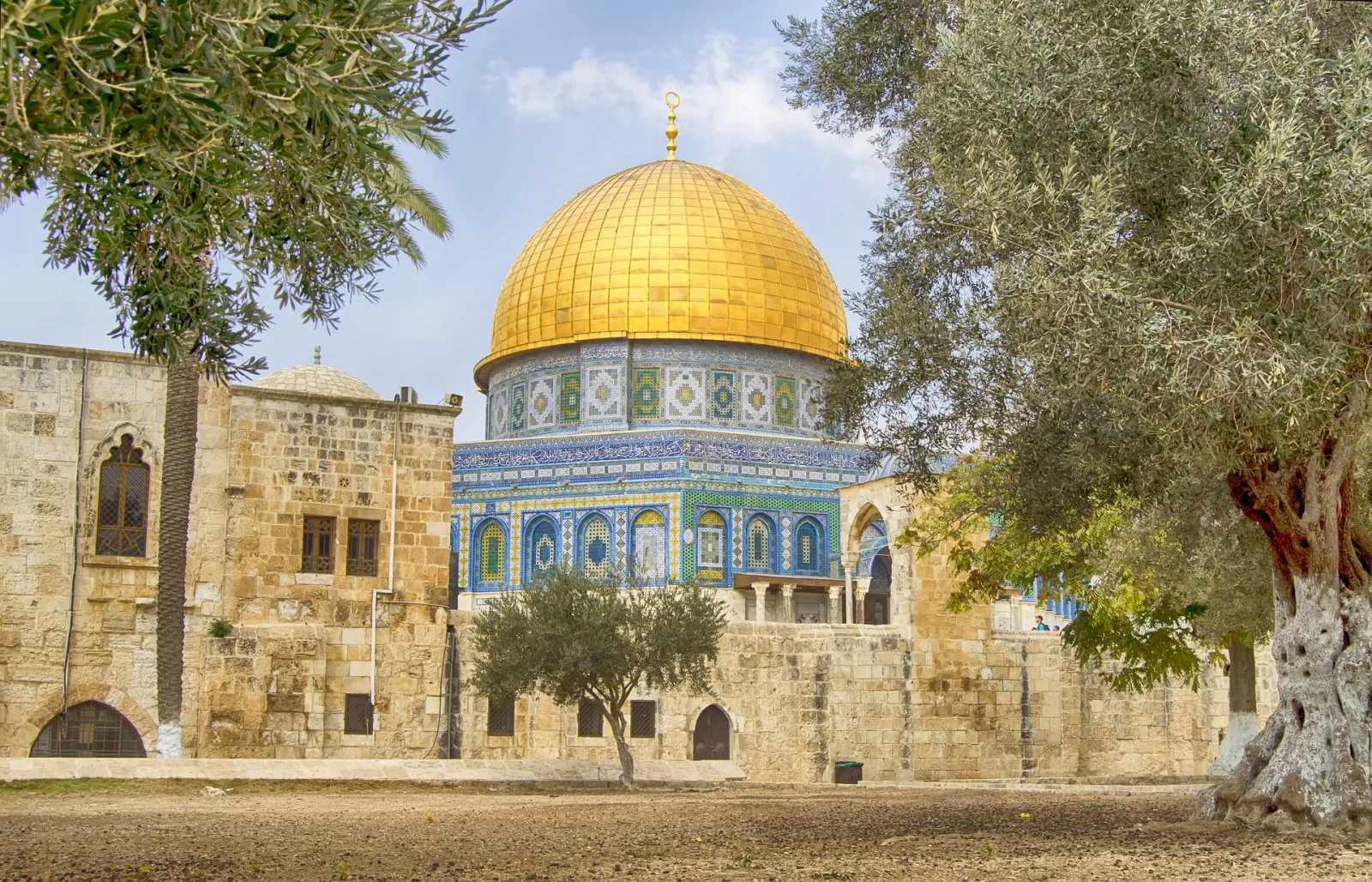
- Jerusalem Old City: Western Wall, Church of Holy Sepulchre, Dome of the Rock, Via Dolorosa
- Sea of Galilee Region: Capernaum, Tabgha (Multiplication of Loaves), Mount of Beatitudes
- Nazareth: Basilica of Annunciation, Mary\'s Well, historic Christian sites
- Jordan River (Yardenit): Baptism site with facilities for group ceremonies
- Bethlehem: Church of Nativity (accessible via guided tour from Jerusalem)
- Mount of Olives: Panoramic views, ancient Jewish cemetery, Chapel of Ascension
- Group coordination: Most Indian pilgrims travel in escorted groups — book licensed operators with experience handling Indian travelers
- Modest attire: Carry light scarves/shawls for quick coverage at religious sites; knees and shoulders must be covered
- Vegetarian meals: Inform tour operators of dietary needs in advance; most pilgrimage hotels accommodate Indian vegetarian preferences
- Prayer items: Carry small prayer books, rosaries, or religious tokens; security checks at holy sites are thorough but respectful
- Language support: Many licensed guides speak Hindi/English; request when booking group tours
Related: For complete Israel planning, see our Israel Travel Guide and Jerusalem City Guide.
Christian Pilgrimage Sites in Israel
Following the footsteps of Jesus: sacred locations for Indian Christian travelers
| Site | Location | Significance | India Traveler Tip |
|---|
| Church of Holy Sepulchre | Jerusalem Old City | Traditional site of Jesus\' crucifixion & tomb | Enter early morning (7–8 AM) to avoid crowds; modest dress strictly enforced |
| Via Dolorosa | Jerusalem Old City | Path Jesus walked carrying the cross | Walk with licensed guide for historical context; allow 1–2 hours for stations |
| Garden of Gethsemane | Mount of Olives, Jerusalem | Site of Jesus\' prayer before arrest | Peaceful morning visits; combine with Mount of Olives panoramic views |
| Capernaum | Sea of Galilee | Jesus\' ministry base; ancient synagogue ruins | Combine with Tabgha & Mount of Beatitudes for full Galilee day tour |
| Yardenit Baptism Site | Jordan River, near Sea of Galilee | Modern baptism facility with river access | Book group baptism ceremonies in advance; bring white robe & towel |
| Basilica of Annunciation | Nazareth | Traditional site of Angel Gabriel\'s announcement to Mary | Impressive modern architecture; allow time for underground archaeological levels |
Jewish Heritage Sites for Indian Travelers
Connecting with Jewish history, faith, and culture in Israel
- Western Wall (Kotel): Judaism\'s holiest prayer site; separate men\'s/women\'s sections; prayer notes permitted
- Mount of Olives Jewish Cemetery: Ancient burial ground with panoramic Old City views
- Rachel\'s Tomb: Bethlehem; revered by Jews, Christians, and Muslims; accessible via guided tour
- City of David: Archaeological park in Jerusalem; ancient Jerusalem excavations, Hezekiah\'s Tunnel
- Yad Vashem: Holocaust memorial museum; powerful educational experience; free entry, advance registration recommended
- Historic Synagogues: Hurva Synagogue, Four Sephardic Synagogues in Jerusalem\'s Jewish Quarter
- Modest dress: Covered shoulders, knees, and head covering for men at Western Wall (kippot provided)
- Shabbat awareness: Avoid visiting Orthodox Jewish sites on Friday sunset to Saturday night
- Photography: Ask permission before photographing worshippers; some sites restrict photography
- Quiet reverence: Maintain respectful silence at prayer sites; follow posted guidelines
- Guided context: Licensed guides provide valuable historical and religious context for heritage sites
Religious Etiquette & Modest Dress Codes
Practical guidance for respectful visits to holy sites in Israel
Golden Rule: When in doubt, dress more modestly and observe local worshippers for guidance.
- Shoulders covered: No tank tops, sleeveless shirts, or bare shoulders at any religious site
- Knees covered: Skirts, dresses, or pants must extend below the knee for all genders
- Head covering: Men required to cover heads at Western Wall (kippot provided free); women may cover heads at some Orthodox sites
- Carry a scarf: Lightweight shawl or scarf for quick coverage; useful for sudden site entry requirements
- Footwear: Remove shoes at some Muslim sites; wear easy-on/off shoes for convenience
- Quiet reverence: Speak softly or whisper at prayer sites; avoid loud conversations
- Photography etiquette: Ask permission before photographing worshippers; some sites prohibit photography entirely
- Prayer participation: Visitors of other faiths may observe but should not participate in religious rituals unless invited
- Security cooperation: Cooperate respectfully with security checks; allow extra time for site entry procedures
- Cultural sensitivity: Learn basic greetings in Hebrew/Arabic; a simple "Shalom" or "Salaam" is appreciated
Pilgrimage Group Tours for Indian Travelers
Benefits of escorted tours and how to choose a reliable operator
- Accommodation: Hotels near holy sites (Jerusalem Old City, Tiberias for Galilee)
- Meals: Vegetarian-friendly breakfast/dinner; boxed lunches for site visits
- Transport: Air-conditioned coach with licensed driver; airport transfers included
- Guides: Licensed English/Hindi-speaking guides with religious site expertise
- Entry fees: Admission to holy sites, baptism ceremony arrangements, museum entries
- Support: Tour manager for logistics, emergency assistance, and group coordination
- Typical cost: ₹1.8L–₹3.2L per person for 7–9 days excluding international flights
- Licensing: Verify operator is licensed by Israel Ministry of Tourism
- Experience: Choose operators with proven experience handling Indian pilgrimage groups
- Vegetarian capability: Confirm ability to provide consistent vegetarian meals throughout itinerary
- Group size: Smaller groups (15–25) allow better site access and personalized attention
- References: Request testimonials from previous Indian pilgrimage groups
- Flexibility: Ensure itinerary allows time for personal prayer/reflection at key sites
Frequently Asked Questions — Israel Pilgrimage for Indians
Quick answers to pilgrimage travel questions from Indian travelers
1Is Israel safe for Indian pilgrimage groups?
Yes, Israel is generally safe for Indian pilgrimage groups. Major holy sites in Jerusalem, Nazareth, and the Sea of Galilee are well-secured with visible police presence. Escorted group tours with licensed guides provide additional safety and logistical support.
2What are the must-visit holy sites in Israel for Christian pilgrims?
Top Christian pilgrimage sites: Church of Holy Sepulchre (Jerusalem), Garden of Gethsemane, Via Dolorosa, Mount of Olives, Sea of Galilee (Capernaum, Tabgha), Nazareth (Basilica of Annunciation), and Yardenit Baptism Site on the Jordan River.
3Can Jewish heritage travelers visit holy sites in Israel?
Yes. Key Jewish heritage sites include the Western Wall (Kotel), Rachel\'s Tomb (Bethlehem), Mount of Olives Jewish Cemetery, and historic synagogues in Jerusalem\'s Jewish Quarter. Modest dress and respectful conduct are required at all religious sites.
4Do Indian pilgrims need special permits for holy sites in Israel?
No special permits are required for Indian tourists to visit most holy sites. Entry to Temple Mount/Haram al-Sharif has restricted hours for non-Muslims (typically mornings, Sun–Thu). Group tours may require advance coordination for large groups at popular sites.
5What is the best time for pilgrimage travel to Israel from India?
March–May and September–November offer pleasant weather (18–26°C) ideal for walking pilgrimages. These windows avoid summer heat and winter rain. Easter and Christmas periods are spiritually significant but crowded — book 5–6 months ahead.
6Can vegetarian Indian pilgrims find suitable food near holy sites?
Yes. Israel is highly vegetarian-friendly. Near holy sites, you\'ll find falafel, hummus, fresh salads, cheese burekas, and dairy-based kosher meals. Many pilgrimage tour operators arrange vegetarian meals in advance for Indian groups.
Disclaimer: Site access hours, entry requirements, and security protocols are subject to change. Verify current details with official sources before travel. Destination To Plan provides guidance only and does not guarantee site access or opening hours during religious holidays.