Sunlit Jerusalem Old City skyline and ancient stone walls at dusk, Israel

Israel Travel Guide
for Indian Travelers

Visa, cost, itinerary & tips — your complete guide to planning a trip to Israel from India in 2026.

Updated for 2026 Travelers
Written by Neeta Parmar — Middle East Travel Specialist
Reviewed by Mariam Shah · Middle East Travel Reviewer
Last updated after reviewing:
  • Israel visa exemption for Indian B2 holders updated (May 2023 onwards)
  • Ben Gurion Airport (TLV) security screening & terminal routing changes 2026
  • Indian traveler advisories & travel safety updates for Jerusalem & Tel Aviv 2026

Last updated: May 2026

Israel Trip Cost from India (Detailed Breakdown)
Realistic cost breakdown for flights, visa, hotels, food, and total budget for 2026

Cost Breakdown 2026

  • Return Flights: ₹55,000 – ₹95,000
  • Visa Fee: ₹0 (if US B2 holder) / ~₹2,500–₹3,000 (standard B2)
  • Hotels (per night): ₹8,000 – ₹18,000
  • Food (per day): ₹3,000 – ₹7,500
  • Local Transport (per day): ₹1,500 – ₹4,000
  • Activities & Entry Fees: ₹15,000 – ₹35,000 total
  • Travel Insurance: ₹2,000 – ₹4,000
  • Total (7–10 days): ₹1.5L – ₹3.5L per person

Israel’s on-ground costs are higher than Thailand or Vietnam, but comparable to Southern/Western Europe. The shorter flight duration (7–11 hrs) reduces transit fatigue and layover expenses for Indian travelers.

Best Departure Cities

  • Delhi (DEL) — Direct flights (Air India/El Al) and 1-stop European/Middle Eastern options
  • Mumbai (BOM) — Excellent connectivity via Doha, Dubai, Istanbul, Athens
  • Bangalore (BLR) — Good 1-stop options via Middle Eastern hubs
  • Hyderabad (HYD) — 1–2 stop connections available via Doha or Dubai
  • Chennai (MAA) — Fewer direct options, typically 2 layovers via Middle East

Delhi and Mumbai offer the shortest and most competitive flight options to Tel Aviv Ben Gurion (TLV).

Ready to plan your Israel trip? Let us handle flights, visa, hotels, and guided tours.

View Israel Tour Packages →
Flight Routes from India to Israel
Flights from India to Israel take 7–11 hours with direct or single-layover options. Here are the most popular routes.

Delhi to Tel Aviv

  • Route 1: DEL → TLV (Air India / El Al direct, seasonal)
  • Route 2: DEL → Istanbul (IST) → TLV (Turkish Airlines)
  • Route 3: DEL → Doha (DOH) → TLV (Qatar Airways)
  • Route 4: DEL → Athens (ATH) → TLV (Aegean Airlines)
  • Duration: 7–10 hours (1 stop) or ~8 hrs direct
  • Price Range: ₹55,000 – ₹95,000

Mumbai to Tel Aviv

  • Route 1: BOM → Doha → TLV (Qatar Airways)
  • Route 2: BOM → Dubai → TLV (Emirates + connecting partner)
  • Route 3: BOM → Istanbul → TLV (Turkish Airlines)
  • Route 4: BOM → Vienna → TLV (Austrian Airlines + El Al)
  • Duration: 9–11 hours
  • Price Range: ₹50,000 – ₹85,000

Note: Ben Gurion Airport (TLV) is Israel’s primary international gateway. Security screening is rigorous but efficient. Arrive 3 hours early for international departures. Check Middle East travel guides for more regional information.

Israel vs Europe Cost for Indian Travelers
How does Israel compare to popular European destinations on cost? Here is a practical comparison for Indian travelers.
Expense Israel (7 days) Europe (7 days)
Flights₹55K – ₹95K₹60K – ₹1L
Visa₹0–₹3K (varies)₹7K – ₹9K (Schengen)
Hotels/night₹8K – ₹18K₹8K – ₹20K
Food/day₹3K – ₹7.5K₹5K – ₹12K
Local Transport₹1.5K – ₹4K/day₹2K – ₹5K/day
Total Trip₹1.5L – ₹3.5L₹2L – ₹4.5L
Flights
Israel₹55K – ₹95K
Europe₹60K – ₹1L
Visa
Israel₹0–₹3K
Europe₹7K – ₹9K
Hotels/night
Israel₹8K – ₹18K
Europe₹8K – ₹20K
Food/day
Israel₹3K – ₹7.5K
Europe₹5K – ₹12K
Total Trip
Israel₹1.5L – ₹3.5L
Europe₹2L – ₹4.5L

Israel is comparable to Southern Europe in daily costs but offers significantly shorter flight times from India (7–11 hrs vs 12–15+ hrs), reducing transit fatigue and layover expenses.

Best Time to Visit Israel from India
Israel can be visited year-round, but spring and autumn offer the most comfortable weather for sightseeing and desert excursions.
Month Israel Season Tel Aviv Jerusalem Dead Sea India Travel Note
JanWinter / Mild RainCool, 10–17°CChilly, 6–13°C, occasional rainPleasant, 15–20°C, low humidityOff-season from India, lower prices
FebLate WinterCool, 10–18°CChilly, 7–14°C, rain possibleMild, 16–21°C, calm windsQuiet travel window, good for museums
MarSpring ✓Warming, 13–21°CMild, 10–18°C, wildflowers bloomExcellent, 20–25°CIdeal pre-summer window, book early
AprSpring ✓✓Pleasant, 16–24°CIdeal, 12–22°C, clear skiesExcellent for floating & hikingPassover/Easter period, high demand
MayLate Spring ✓Warm, 18–26°CComfortable, 14–24°CWarm, excellent beach/dead sea mixGreat for families, school breaks align
JunSummer StartHot, humid, 20–29°CHot, dry, 18–30°CVery hot, 35–40°CBegin summer planning from India
JulPeak SummerHot & humid, 22–32°CHot & dry, 20–32°CExtreme heat, avoid middayIndia school holidays, plan AC-heavy days
AugPeak SummerHot, crowded beachesVery hot, limited outdoor toursExtremely hot, morning/evening onlyBudget options, fewer Indian tourists
SepAutumn ✓✓Warming down, 20–29°CIdeal, 16–28°C, pleasant hikesExcellent, 30–35°C, calm watersPeak Indian travel month, book 4 months ahead
OctAutumn ✓Mild, 17–27°CComfortable, 14–25°C, Sukkot festivalPleasant, 28–33°CPost-monsoon window, great for tours
NovLate AutumnCooler, 14–22°CMild, 11–18°C, occasional showersComfortable, 20–25°CShoulder season, good deals from India
DecWinter StartCool, 11–18°C, rain likelyCool, 8–14°C, festive lightsMild, 15–20°C, quietIndia holiday season, plan warm layers
7-Day Israel Itinerary for Indian Travelers
A perfect one-week Israel itinerary covering Jerusalem’s Old City, Tel Aviv’s coast, Masada, and the Dead Sea.

Day-by-Day Plan

  • Day 1: Arrive at Tel Aviv (TLV) — transfer to city, Jaffa Old Town, evening seafront walk
  • Day 2: Tel Aviv highlights — Carmel Market, Rothschild Boulevard, beach time, nightlife
  • Day 3: Transfer to Jerusalem — Mount of Olives, Church of All Nations, Western Wall (Kotel)
  • Day 4: Old City deep dive — Via Dolorosa, Church of Holy Sepulchre, Tower of David, Machane Yehuda Market
  • Day 5: Yad Vashem Holocaust Museum, Knesset, Israel Museum (Dead Sea Scrolls)
  • Day 6: Day trip to Masada & Dead Sea — sunrise at Masada fortress, float at Ein Bokek
  • Day 7: Return to Tel Aviv/Jerusalem — souvenir shopping, departure from TLV

Planning Notes

  • Transport: Israel Rail connects TLV Airport to Jerusalem and Tel Aviv quickly. Buses are efficient nationwide.
  • Budget option: Use Egged/Rav-Kav transit cards for affordable public transport instead of private tours.
  • Currency: Israeli New Shekel (ILS). Cards widely accepted; ATMs dispense shekels at airports/malls.
  • Language: Hebrew & Arabic widely spoken, English fluency is high among service staff and youth.
  • Connectivity: Prepaid SIMs available at TLV arrivals or order eSIMs before departure.
  • Vegetarians: Israel is highly vegetarian-friendly. Hummus, falafel, salads, and dairy options are everywhere.
  • Book ahead: During Passover/Easter or Sep-Oct, secure hotels & guided tours 3–5 months in advance.

Want a hassle-free Israel trip? Our packages include flights, hotels, transfers, and expert-guided heritage tours.

Book Israel Tour Package →
Israel Visa for Indians — Complete Guide & Travel Essentials
Essential information for Indian travelers — from Israel visa rules and time zones to plug adapters and local transport.

Tip: Carry an international Visa/Mastercard — Israel is highly card-friendly and largely cashless.

Israel Visa for Indians — 2026 Update

Update: Indian nationals holding a valid US B2 tourist visa (multiple entry) or US Green Card may enter Israel visa-free for tourism for up to 90 days. No Israeli visa application required. Source: Israeli Ministry of Foreign Affairs.

  • With valid US B2 visa / Green Card: Enter Israel visa-free for up to 90 days for tourism
  • Without US visa: Apply for a standard B2 tourist visa at the Israeli Embassy in New Delhi
  • Where to apply: Israeli Embassy New Delhi or authorized visa facilitation centers across India
  • Documents: Valid passport (6+ months validity, 2 blank pages), application form, flight itinerary, hotel bookings, bank statements, travel insurance, passport photos
  • Processing time: 7–14 working days — apply 3–4 weeks before travel
  • Duration permitted: Up to 90 days for standard tourism
  • Note: Passport stamps are not given; a separate entry card is provided. Keep it safe for hotel check-in.
CLICK TO KNOW MORE ABOUT VISA DOCUMENTATION & FEES

Time Zone

Israel follows Israel Standard Time (IST/IDT), which is UTC+2 (UTC+3 during daylight saving). It is 3.5 hours behind Indian Standard Time (IST - India).

  • Israel Time: UTC+2 (Standard), UTC+3 (DST: late Mar – late Oct)
  • Israel is 3.5 hours behind Indian Standard Time
  • When it is 12:00 PM in Tel Aviv, it is 3:30 PM in India
  • Israel observes Daylight Saving Time (advances 1 hour in summer)
  • Business hours typically run from 8:30 AM to 5:30 PM on weekdays
  • Friday is a partial working day; Shabbat begins Friday sunset until Saturday night
  • Most shopping malls open from 9 AM to 9 PM (closed Saturday in religious areas)
  • Restaurants serve lunch from 12–4 PM and dinner from 7:30 PM onwards

Country Code

To call Israel from India, use the international dialing code +972 followed by the area code and local number.

  • International Dialing Code: +972
  • To call Israel from India, dial: 00-972-XX-XXXX-XXXX
  • Tel Aviv/Jerusalem area code: 3 / 2 (mobile numbers start with 05)
  • Emergency services: 100 (Police), 101 (Ambulance), 102 (Fire)
  • Major telecom providers: Cellcom, Partner, Pelephone
  • Tourist SIM/eSIM cards available at TLV Airport and major chains
  • Free Wi-Fi available in most hotels, cafes, and public libraries

Socket & Plugs

Israel uses Type C (European 2-pin round) and Type H (Israeli 3-pin) electrical outlets with 230V at 50Hz.

  • Type C and Type H — 230V, 50Hz
  • Type H is unique to Israel, but modern outlets accept Type C
  • Standard voltage is 230V with a frequency of 50Hz
  • Indian Type C plugs (2-pin round) work directly without adapter ✅
  • Indian Type D (3-pin round) plugs require a universal travel adapter
  • Universal travel adapters available at airports and electronics stores
  • Most hotels provide adapters at reception on request
  • Most modern devices (laptops, phone chargers) support 100–240V

Indian Embassy in Israel

The Embassy of India in Tel Aviv provides consular services for Indian nationals in Israel.

  • Address: 11 Ben Eliezer Street, Tel Aviv 6688326, Israel
  • Contact: +972 3 605 0322 / 605 0323
  • Email: [email protected]
  • Emergency (24/7): +972 3 605 0325
  • Working Hours: Mon–Fri, 9:00 AM – 4:30 PM
  • Services: passport renewal, emergency certificates, consular assistance
  • Register with MADAD portal before travel for advisories and tracking

Israel Embassy in India

The Embassy of Israel in New Delhi handles visa, consular, and diplomatic affairs for all of India.

  • Embassy New Delhi: 2, Panchsheel Marg, New Delhi 110021
  • Contact Delhi: +91-11-2415-8800
  • Consular Section: Visa & passport inquiries handled via BLS International
  • BLS Contact: +91-11-26670968 / 011-46091658
  • Working Hours: Mon–Thu 9:00 AM – 5:00 PM, Fri 9:00 AM – 1:00 PM
  • Visa Fee: ~₹2,500–₹3,000 (subject to change, confirm on official site)
  • Applications processed through authorized visa facilitation centers nationwide

Car Driving Orientation

Right-Hand Drive (Same as India)

  • Israel follows right-hand driving, same as India
  • International Driving Permit (IDP) required along with valid home country license
  • Speed limits: 50 km/h in urban, 90 km/h on rural, 110–120 km/h on highways
  • Seat belts mandatory for all passengers
  • Strict enforcement on mobile phone use & drinking while driving
  • Car rental widely available in Tel Aviv, Jerusalem, and at TLV Airport
  • Public buses & trains recommended for city-to-city travel
  • GPS navigation (Waze) is highly accurate and widely used

Public Transport & Taxis

Egged Buses, Israel Rail, and Gett/Yango are Primary Transport Options

  • Israel Rail connects TLV Airport ↔ Jerusalem ↔ Tel Aviv quickly
  • Egged & Dan buses operate nationwide with modern, AC fleets
  • Gett (taxi app) and Yango are popular for on-demand rides
  • Rav-Kav smart card works on buses, trains, and light rail
  • Average taxi fare from TLV to Tel Aviv: ₪120–₪150
  • Jerusalem Light Rail is efficient for tourist routes
  • Shabbat (Fri evening to Sat night) public transport halts in religious areas; Shabbos buses available
  • Intercity trains run daily except Shabbat (partial service via Haifa)

Need help with Israel visa or itinerary planning? Our experts assist with documentation, bookings, and guided tours.

Israel Visa Assistance →
Israel Culture, Language & Local Customs
Understand Hebrew, Arabic, local etiquette, and cultural norms to connect better with locals.

Official Languages

Hebrew & Arabic — Official Languages

  • Hebrew is the primary language; Arabic is widely spoken in Arab-majority cities
  • English is widely spoken, especially in tourism, business, and younger demographics
  • Russian, Amharic, and French are also commonly heard
  • Learning a few Hebrew phrases (Shalom, Toda, Bvakasha) is highly appreciated
  • Signage in cities is typically trilingual (Hebrew, Arabic, English)
  • Translation apps work seamlessly with high internet penetration
  • Service staff at hotels, restaurants, and museums are fluent in English
  • Religious sites provide multilingual guides and audio tours

Local Vocabulary

Understanding these basic Hebrew/Israeli phrases helps navigate daily life respectfully.

  • Shalom — Hello / Peace / Goodbye
  • Toda — Thank you
  • Bvakasha — Please / You're welcome
  • Ken / Lo — Yes / No
  • Slicha — Excuse me / Sorry
  • Yofi — Beautiful
  • Tov — Good
  • Mah nehedar — Wonderful / Amazing
  • L'hitraot — See you later
  • Achla — Best / Excellent

Toilet Signs

Public restrooms are clearly marked in Israel with trilingual signage. Most modern facilities are clean and well-maintained.

  • Men: זכרים / Men / רג'אל
  • Women: נקבות / Women / سوات
  • Public toilets in malls, airports, and tourist sites are generally clean
  • Some public facilities charge a small fee (₪2–₪5)
  • Shopping centers, cafes, and hotels provide free restrooms
  • Always carry tissues; not all public stalls supply toilet paper
  • Western-style seated toilets are standard throughout Israel
  • Accessible/family restrooms widely available in modern buildings

Interesting Facts

Israel is a global leader in technology and innovation, with the highest number of startups per capita in the world.

  • Israel has the world's highest number of museums per capita
  • The Dead Sea is the lowest land elevation on Earth (~430m below sea level)
  • Tel Aviv is known as the "Startup Nation" hub for tech & fintech
  • Israel is one of the few countries where the national currency features Braille
  • The Wailing Wall (Kotel) is the holiest site where Jews can pray
  • Israel revived the Hebrew language in the late 19th/early 20th century
  • The country has more green energy patents per capita than most nations
  • Israeli archaeology continuously uncovers 3,000+ year-old artifacts
Israel Shopping & Markets Guide
From vibrant open-air markets and handmade crafts to modern malls and religious souvenirs.

Shopping Hours

Most Shops: 9:00 AM – 7:00 PM (Weekdays), 9:00 AM – 2:00 PM (Fridays)

  • Shopping malls operate from 10:00 AM to 10:00 PM, closed Saturday (Shabbat) in religious zones
  • Friday afternoon sees early closures as Shabbat begins at sunset
  • Saturday (Shabbat): Most Jewish businesses remain closed; Arab districts remain open
  • Small markets open early (7–8 AM) and close by late afternoon
  • Supermarkets open from 7 AM to 10 PM; some 24-hour outlets in Tel Aviv
  • Best shopping season: Pre-Jewish holidays (Rosh Hashanah, Passover) for festive goods
  • VAT refund (17%) available for tourists on purchases over ₪150 (check eligibility)

Famous Markets

Israel's vibrant markets offer spices, textiles, religious artifacts, fresh produce, and artisanal crafts.

  • Machane Yehuda (Jerusalem) — Iconic open-air market, food tours, live music evenings
  • Carmel Market (Tel Aviv) — Bustling daily market, spices, textiles, street food
  • Nahalat Binyamin — Arts & crafts market (Tue/Fri evenings), local artisans
  • Old City Souks (Jerusalem) — Four quarters: spices, religious items, textiles, souvenirs
  • Ha'atikim (Jaffa) — Antiques, Judaica, coastal crafts, vintage finds
  • Payment: Cards widely accepted; cash preferred in smaller stalls
  • Bargaining acceptable in Old City souks, not in malls or fixed-price shops

Famous Brands & Goods

Israel is known for innovative tech products, Dead Sea skincare, and handcrafted Judaica.

  • Dead Sea Cosmetics: AHAVA, Mor, Sabon — mineral-rich skincare & salts
  • Judaica & Souvenirs: Mezuzot, menorahs, prayer shawls, olive wood crafts
  • Olive Oil & Dates: Premium local produce, Medjool dates, za'atar blends
  • Israeli Wine: Golan Heights Winery, Carmel, Barkan — excellent quality
  • Tech Gadgets: Waze, Mobileye, and local startup showcases in Tel Aviv
  • Handmade Ceramics: Armenian & Palestinian pottery from Old City artisans
  • Israeli Fashion: Emerging designers, sustainable brands, coastal lifestyle wear
  • Religious Artifacts: Authentic scrolls, crosses, prayer books (certified shops recommended)

Supermarkets

Major chains like Shufersal, Rami Levy, and Osher Ad offer wide product ranges with competitive pricing.

  • Shufersal — Largest national chain, widespread, good selection
  • Rami Levy — Budget-friendly, bulk options, excellent fresh produce
  • Yotvata — Famous dairy brand, kiosks at malls & gas stations
  • Super-Pharm — Leading pharmacy & beauty retailer nationwide
  • Most supermarkets open 7 AM – 10 PM; some 24/7 in Tel Aviv
  • Local products affordable: olive oil, dairy, fresh salads, pita, dates
  • Tap water is safe to drink across Israel; filtered water widely available
Israel Food & Cuisine Guide
Israeli cuisine blends Middle Eastern, Mediterranean, and global diaspora flavors with fresh, wholesome ingredients.

Do: Try local street food — Israeli markets are famous for hummus, falafel, and fresh produce.

Famous Cuisines

Israeli food culture emphasizes fresh vegetables, olive oil, legumes, dairy, and grilled proteins with minimal processing.

  • Hummus & Tahini — Staple dips served with warm pita bread
  • Falafel — Crispy chickpea fritters, often wrapped in pita or served with salads
  • Shakshuka — Eggs poached in spiced tomato & pepper sauce, popular for breakfast
  • Sabich — Yemenite-Israeli pita stuffed with fried eggplant, hard-boiled egg, amba, tahini
  • Shawarma — Rotisserie-spiced meat (chicken/lamb), wrapped in fresh lavash
  • Malahawi — Thin Yemenite flatbread served with zhug or honey
  • Knafeh — Sweet cheese pastry soaked in sugar syrup, popular in Arab districts
  • Schnitzel — Breaded chicken cutlet, adapted from European Jewish cuisine
  • Bourekas — Flaky pastry filled with spinach, cheese, or potato

Famous Fruits & Produce

Israel's Mediterranean climate supports year-round cultivation of citrus, dates, olives, and berries.

  • Medjool Dates — Premium, caramel-like sweetness from Arava Valley
  • Jaffa Oranges — Historically famous citrus, sweet and seedless
  • Olives & Olive Oil — Extra virgin, cold-pressed from Galilee & Judean hills
  • Figs & Pomegranates — Seasonal autumn fruits used in salads & desserts
  • Strawberries & Melons — Available spring through autumn, widely exported
  • Grapes — Golan Heights & Judean foothills produce table & wine grapes
  • Berries — Blueberries, raspberries grown in controlled climate farms

National Dish — Falafel & Hummus

Falafel and hummus form the culinary backbone of Israeli street food culture.

  • Falafel (deep-fried chickpea balls) is considered Israel's unofficial national dish
  • Best enjoyed fresh from market stalls with tahini, pickles, Israeli salad, and pita
  • Hummus is elevated to an art form — creamy, olive-oil drizzled, served warm
  • Versatile, affordable, and naturally vegetarian/vegan
  • Iconic spots: Abu Hassan (Jaffa), Lina (Jerusalem), Falafel Hakosem (Tel Aviv)
  • Often paired with shawarma, sabich, or grilled meats for protein balance
  • Cultural staple eaten across religious and ethnic communities
  • Global popularity originated from Levantine roots, refined in Israeli food culture

Avg Cost Of Food

Street food meals cost ₪30–₪60. Casual dining averages ₪50–₪120. Fine dining starts at ₪200+. Tipping 10–15% is customary.

  • Street Food/Falafel Wrap: ₪25–₪45
  • Shawarma Plate: ₪40–₪65
  • Market Breakfast (Sabich/Shakshuka): ₪35–₪60
  • Café Coffee: ₪14–₪22
  • Mid-range Restaurant: ₪80–₪150 per person
  • Fine Dining: ₪250–₪500+ per person
  • Beer/Wine (glass): ₪25–₪45 / ₪35–₪70
  • Water (1.5L): ₪6–₪10

Tipping: 10–15% standard in restaurants. Service charge sometimes included in tourist areas.

Israel Weather & Packing Tips
Israel has a Mediterranean coastal climate transitioning to desert heat inland. Pack for layering and sun protection.

Tip: Pack modest clothing for religious sites and sun protection for desert/summer excursions.

Weather

Israel has diverse microclimates due to coastal, mountain, and desert geography.

  • Tel Aviv/Coast: Mediterranean, hot humid summers (Jun–Sep, 24–32°C), mild wet winters (Dec–Feb, 10–17°C)
  • Jerusalem: Highland, dry summers (20–30°C), cool rainy winters (6–13°C), occasional light frost
  • Dead Sea: Desert climate, extreme heat year-round (30–45°C summer), pleasant winters (20–25°C)
  • Galilee/Upper North: Cooler, greener, winter rainfall supports lush landscapes and hiking
  • Negev Desert: Arid, hot days, cold nights in winter, excellent for stargazing & desert tours
  • Best time overall: March–May & September–November (mild, clear skies)
  • Summer: Peak beach season, high humidity on coast, extreme inland heat
  • Winter: Rainy in north/coast, mild south, festive atmosphere in Jerusalem

Clothes To Wear

Israelis dress casually but modestly in religious zones. Pack according to your itinerary.

For Tel Aviv & Coastal Areas:

  • Light, breathable clothing for summer (cotton, linen)
  • Swimwear, sandals, sun hats, high SPF sunscreen
  • Light jacket for breezy evenings (spring/autumn)
  • Comfortable walking shoes for city exploration
  • Smart-casual attire for upscale dining & nightlife

For Jerusalem & Religious Sites:

  • Modest clothing (covered shoulders & knees) for holy sites
  • Light sweater or shawl (carried for quick coverage at entrances)
  • Sturdy, comfortable shoes for cobblestone & hill walking
  • Warm layers in winter (rain jacket, fleece, scarf)

For Desert & Dead Sea:

  • Wide-brim hat, sunglasses, high SPF
  • Light, long-sleeve sun protection shirts
  • Water shoes (Dead Sea minerals are abrasive)
  • Hydration pack for hikes (Masada, Ein Gedi)
Israel Heritage & Cultural Highlights
UNESCO sites, archaeological wonders, religious landmarks, and contemporary Israeli arts & culture.

UNESCO World Heritage Sites

Israel has 9 UNESCO World Heritage Sites, reflecting millennia of religious, archaeological, and cultural significance.

  • Old City of Jerusalem & Walls — Holiest site for Judaism, Christianity, Islam
  • Masada — Ancient fortress, symbol of Jewish resistance
  • White City of Tel Aviv — Bauhaus architecture, modernist urban planning
  • Bahá'í Holy Places in Haifa & Galilee — Spiritual centers & gardens
  • Biblical Tels (Megiddo, Hazor, Beer Sheba) — Ancient Canaanite & Israelite settlements
  • Necropolis of Bet She'arim — Ancient Jewish burial site

National Symbols

Israel's national symbols reflect its historical revival, agricultural heritage, and cultural diversity.

  • National Animal: Hoopoe (national bird, chosen by public vote)
  • National Flower: Calanit (Red Anemone), symbolizes spring & resilience
  • National Tree: Olive Tree, ancient symbol of peace & continuity
  • National Drink: Arak (anise-flavored spirit), traditional Levantine beverage
  • National Dish: Falafel & Hummus (unofficial, culturally ubiquitous)
  • Flag Symbolism: Blue stripes & Star of David on white background
  • National Anthem: Hatikvah (The Hope), symbolizing 2,000-year aspiration for homeland

Films Shot in Israel

Israel's landscapes have hosted international productions and acclaimed local cinema.

  • The Passion of the Christ (2004) — Portions filmed near Jerusalem
  • World War Z (2013) — Jerusalem scenes captured on location
  • Exodus: Gods and Kings (2014) — Desert & historical sequences
  • Footnote (2011) — Acclaimed Israeli drama on academic rivalry
  • Gett: The Trial of Viviane Amsalem (2014) — Powerful courtroom drama
  • Norman: The Moderate Rise (2016) — Political thriller set in Jerusalem

Film & Cultural Festivals

Israel hosts vibrant arts, film, and music festivals celebrating regional & global creativity.

  • Jerusalem Film Festival — July, showcases Israeli & international cinema
  • Haifa International Film Festival — Autumn, acclaimed Arab & Jewish co-productions
  • Israel Festival Jerusalem — Summer, performing arts & avant-garde theatre
  • Red Sea Jazz Festival (Eilat) — August, global jazz musicians & coastal venue

Israel has a thriving contemporary arts scene with museums, galleries, and performing arts centers in major cities.

Souvenirs

Best places to shop for souvenirs: Old City Souks, Machane Yehuda, Carmel Market, and airport duty-free.

  • Dead Sea Products: Mineral mud, salts, lotions (AHAVA, Mor)
  • Judaica & Religious Items: Mezuzot, menorahs, prayer books, olive wood crosses
  • Olive Oil & Spices: Premium cold-pressed oil, za'atar, sumac, baharat
  • Medjool Dates: Premium boxed varieties from Arava farms
  • Israeli Wine: Golan Heights, Judean Hills, Galilee vintages
  • Handmade Crafts: Armenian ceramics, Palestinian embroidery, glassware
  • Tech & Startup Merch: Waze, Mobileye, and Tel Aviv startup souvenirs
  • Street Food Spice Blends: Take-home za'atar, dukkah, shawarma seasoning
Notable Highlights for Indian Travelers
From ancient history to modern innovation, discover what makes Israel a unique destination for Indian travelers.

Famous Figures

  • David Ben-Gurion (1886–1973) — Founding Prime Minister, nation builder
  • Golda Meir (1898–1978) — 4th Prime Minister, "Iron Lady" of Israel
  • Shimon Peres (1923–2016) — President & Nobel Peace Prize laureate
  • Amos Oz (1939–2018) — Renowned author, peace advocate, literary icon
  • Natalie Portman (1981–) — Academy Award-winning actress (born in Jerusalem)
  • Maya Angelou (influential ties) — Cultural exchanges with Israeli poets & writers
  • Chaim Weizmann (1874–1952) — First President, biochemist & statesman
  • Ada Yonath (1939–) — Nobel Prize in Chemistry (2009), ribosome research

Famous Inventions

Israel ranks among the world's top innovators per capita, with breakthroughs in agriculture, medicine, and tech.

  • USB Flash Drive — Pioneered by Israeli engineers (M-Systems)
  • Waze Navigation — Crowdsourced GPS, acquired by Google
  • Drip Irrigation — Netafim revolutionized desert agriculture
  • PillCam — Swallowable endoscopic camera for digestive diagnostics
  • Cherry Tomato — Sweet, durable variety developed for export
  • Mobileye Autonomous Driving — AI-based vision systems for vehicles
  • Iron Dome — Advanced missile defense system (civilian protection tech)
  • Water Desalination & Recycling — Global leader in sustainable water tech

National Dish — Falafel & Hummus

  • Falafel & hummus form the culinary heart of Israeli street food culture
  • Deep-fried chickpea balls served with tahini, pickles, fresh Israeli salad, and warm pita
  • Vegetarian, affordable, and deeply rooted in Levantine & Jewish diaspora history
  • Iconic spots span Tel Aviv, Jerusalem, Jaffa, and market alleys nationwide
  • Often paired with shawarma, sabich, or grilled meats for balanced meals
  • Elevated to fine dining in modern Israeli restaurants with gourmet presentations
  • Cultural bridge across Jewish, Arab, Druze, and Bedouin communities
  • Best enjoyed fresh from market stalls, preferably with hot sauce or zhug

Is Israel expensive for Indians? A trip costs ₹1.5–3.5 lakh for 7–10 days including flights (₹55K–₹95K), hotels, food, and guided tours. Comparable to Europe, but shorter flight times reduce transit fatigue.

Do Indians need a visa? Indians with a valid US B2 visa enter visa-free for up to 90 days. Without it, apply for a standard B2 tourist visa (~₹2.5K–₹3K) via the Israeli Embassy in New Delhi.

Flight duration? Direct or 1-stop flights take 7–11 hours. Common hubs: Doha, Istanbul, Athens, Dubai.

Is Israel safe for Indian tourists? Yes, with robust security infrastructure. Major tourist zones, beaches, and heritage sites are well-monitored. Always follow local advisories and avoid restricted border areas.

Currency? Israeli New Shekel (ILS). Cards widely accepted. Carry a backup Visa/Mastercard; UPI not available.

Frequently Asked Questions — Israel Travel for Indians
Quick, honest answers to the most common Israel travel questions from Indian travellers
1Do Indians need a visa for Israel? Has anything changed recently?
Yes — with an important exception. Indian nationals holding a valid US B2 tourist visa (multiple entry) or US Green Card can enter Israel visa-free for up to 90 days. No Israeli visa application required. Indians without a US visa must apply for a standard B2 tourist visa at the Israeli Embassy in New Delhi (~₹2,500–₹3,000). Processing takes 7–14 days.
2Is Israel expensive for Indian tourists?
A 7–10 day Israel trip from India costs approximately ₹1.5–₹3.5 lakh per person including flights (₹55K–₹95K), hotels (₹8K–₹18K/night), food (₹3K–₹7.5K/day), and activities. It's comparable to Southern/Western Europe on-ground but offers significantly shorter flight times from India (7–11 hrs).
3How long is the flight from India to Israel?
Direct flights (Air India/El Al) take ~8 hours. 1-stop routes via Doha, Istanbul, Athens, or Dubai take 9–11 hours. There are no layover transit visas required for Middle Eastern or European hubs if staying in international transit areas.
4What is the best time to visit Israel from India?
March to May (spring) and September to November (autumn) are ideal. Temperatures are pleasant (20–28°C), rainfall is low, and religious festivals are vibrant. Summer (Jun–Aug) is extremely hot, especially inland; winter can be rainy and chilly but festive in Jerusalem.
5Is Israel safe for Indian tourists?
Israel maintains robust security and tourism infrastructure. Major cities, historical sites, and coastal areas are safe for Indian travelers. Always monitor travel advisories, follow local security protocols, and avoid restricted border zones or protest gatherings.
6Do Indians need a transit visa for Israel flights?
No. Indian passport holders transiting through Doha, Istanbul, Athens, Dubai, or Frankfurt do not need a transit visa if remaining in the international transit zone. Direct entry to Israel follows standard visa rules or visa-free entry (if US B2 holder).
7What is the Israel tourist visa fee for Indians?
If you hold a valid US B2 visa, entry is visa-free (₹0). Otherwise, the standard Israeli B2 tourist visa costs approximately ₹2,500–₹3,000, processed via BLS International or the Israeli Embassy in New Delhi. Fees are subject to change; verify before applying.
8What plug type is used in Israel?
Israel uses Type C (European 2-pin round) and Type H (Israeli 3-pin) outlets at 230V, 50Hz. Indian Type C plugs work directly without an adapter ✅. Indian Type D (3-pin round) requires a universal travel adapter. Most modern devices auto-switch voltage.
9Can I use Indian Rupee or UPI in Israel?
No. The official currency is the Israeli New Shekel (ILS). UPI is not accepted. Use international Visa/Mastercard debit/credit cards, which work almost everywhere. ATMs dispense shekels nationwide. Carry a small amount of USD/EUR for emergency exchange at bureaus.
10What is the national dish of Israel?
Falafel and hummus are considered the unofficial national dishes. They reflect Levantine, Mediterranean, and Jewish diaspora culinary fusion. Sabich, shawarma, and shakshuka are equally iconic street foods enjoyed across all communities.
11What is the time difference between India and Israel?
Israel is 3.5 hours behind Indian Standard Time. Israel follows UTC+2 (UTC+3 during daylight saving). When it is 12:00 PM in Tel Aviv, it is 3:30 PM in India. Adjust sleep schedules gradually during the first 24 hours.
12Can vegetarian Indians find food in Israel?
Absolutely. Israel is one of the most vegetarian-friendly countries globally. Hummus, falafel, sabich, fresh salads, dairy-based dishes, and vegan alternatives are widely available. Many restaurants are clearly marked as kosher dairy or pareve.
13Which is better for first-time visitors — Tel Aviv or Jerusalem?
Combine both for a complete experience. Spend 2–3 days in Jerusalem for historical, religious, and archaeological sites, then 2 days in Tel Aviv for coastal culture, markets, and nightlife. Day trips to Masada & the Dead Sea are highly recommended.
14Is Israel better than Europe for Indian tourists on budget?
Comparable in daily costs, but Israel offers shorter flight times (7–11 hrs vs 12–15+ hrs to Europe), reducing transit fatigue and layover expenses. Visa exemptions for US B2 holders also save processing costs and time.
15Does Destination To Plan offer group tour packages to Israel?
Yes. Destination To Plan offers customised group and family tour packages to Israel from India — including flights, hotels, guided Old City & Dead Sea excursions, airport transfers, and visa assistance. Contact us for a personalised quote.
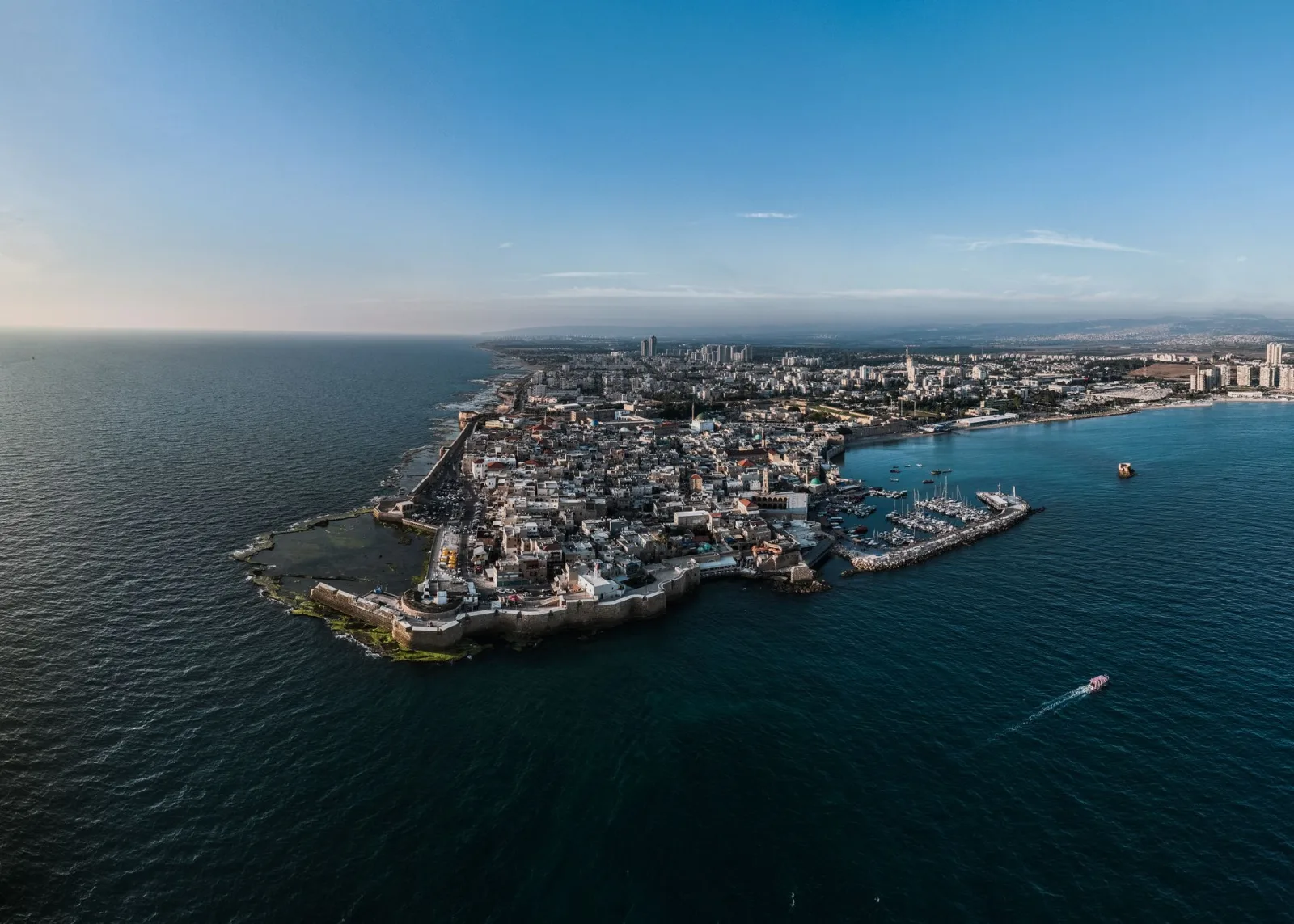
Have more questions? Our Israel travel experts can help plan your perfect trip.

Talk to an Israel Travel Expert →

Note: Information provided is subject to change. Verify visa requirements, exchange rates, opening hours, and travel advisories before your trip. Prices are approximate and may vary based on location, season, and economic conditions. Security situations and entry rules can change rapidly.

About This Israel Travel Guide

This Israel travel guide covers everything Indian travelers need from visa rules and Jerusalem itineraries to local food, weather, shopping, and heritage sites. Researched, regularly updated, and trusted by group tour planners and independent travelers.

Expert Curated Content

Every section — from Israel visa rules to Jerusalem market hours — is verified by travel professionals with Middle East experience.

Regularly Updated Information

Israel travel costs, visa exemptions, embassy details, and security advisories are reviewed and refreshed to reflect current 2026 conditions.

Trusted by Indian Travelers

Used by group tour organizers, pilgrimage planners, corporate travelers, and independent tourists from India researching Israel itineraries.

Complete Israel Resource

One guide covering visa requirements, cost, flights, itinerary, food, culture, weather, shopping, and heritage — all with India-specific context and 2026 accuracy.

More Travel Guides

Explore Other Destinations

Plan Your Israel Trip from India

Fill out the enquiry form below and our travel experts will help you plan your Israel tour — visa, flights, hotels, and guided tours.

Get assistance with visa documentation, flight bookings, Jerusalem & Tel Aviv hotels, Dead Sea excursions, and complete Israel packages.

Enquire About This Package