Accessible Holy Sites & Attractions for Seniors
Wheelchair-friendly pathways, elevators & rest areas at Israel's top destinations
Israel has made significant investments in accessible tourism infrastructure. For Indian senior travelers, most major holy sites and attractions offer ramps, elevators, and resting points to ensure a comfortable spiritual journey.
- Western Wall Plaza: Elevators from street level, wheelchair-accessible prayer areas, seating available
- Church of Holy Sepulchre: Ramps at main entrance, accessible chapels, staff assistance available
- Mount of Olives: Paved viewpoints with panoramic Old City views, rest benches along path
- Israel Museum: Wheelchair rentals, elevators to all floors, accessible restrooms, senior discounts
- Tower of David: Elevator to upper levels, accessible museum exhibits, shaded courtyard seating
- Tel Aviv Promenade: Flat, paved 14km path along beach, frequent benches, accessible restrooms
- Bahá'í Gardens Haifa: Paved terraces with gentle slopes, elevators between levels, rest areas with views
- Dead Sea Resorts: Beach access chairs, shallow entry points, accessible changing rooms, medical staff on-site
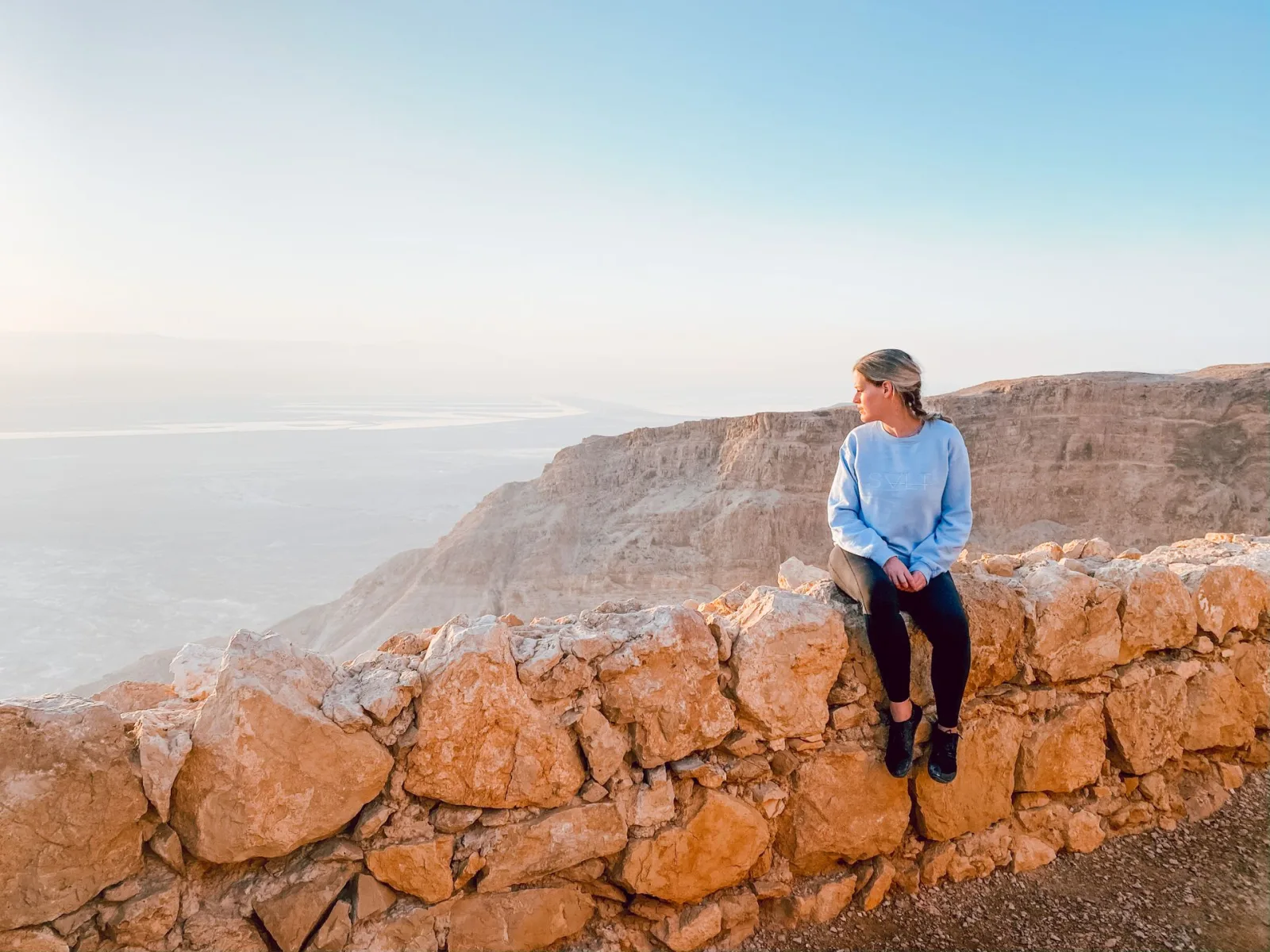
- Masada: Cable car alternative to Snake Path, accessible viewing platforms at summit
- Yad Vashem: Fully accessible museum, elevators, wheelchair rentals, quiet reflection spaces
Related: For complete Israel planning, see our Israel Travel Guide and Jerusalem City Guide.
Medical Facilities & Health Preparedness for Seniors
Healthcare access, insurance requirements & medication guidance for Indian seniors
Important: Carry a doctor's note with generic medication names and a list of medical conditions in English for Israeli healthcare providers.
- Hospitals: Hadassah (Jerusalem), Ichilov (Tel Aviv), Rambam (Haifa) — English-speaking staff, international patient services
- Clinics: Clalit, Maccabi, and Meuhedet have clinics in major cities with English-speaking doctors
- Pharmacies: Widely available; carry prescriptions with generic names; some Indian medications may require local equivalents
- Emergency: Dial 101 for ambulance; most hospitals accept international insurance with pre-authorization
- Insurance: Mandatory travel insurance with medical evacuation coverage (minimum USD 50,000) for senior travelers
- Medical consultation: Visit your doctor 4–6 weeks before travel for fitness assessment and medication review
- Medication supply: Carry 2-week supply in original packaging + doctor's note with generic names
- Vaccinations: Routine vaccines up to date; no mandatory vaccines for Israel entry
- Climate adaptation: Israel's dry heat can affect seniors; plan indoor activities during midday heat
- Mobility aids: Most attractions accommodate wheelchairs/walkers; notify tour operators in advance for assistance
Senior-Friendly Paced Itinerary for Israel
Comfortable daily pacing with rest breaks, accessible transport & flexible scheduling
- Day 1: Arrive Tel Aviv — transfer to hotel, rest, light evening walk on promenade
- Day 2: Tel Aviv accessible tour — Jaffa Port (paved paths), Carmel Market (seated lunch), hotel afternoon rest
- Day 3: Transfer to Jerusalem — check into accessible hotel, evening Western Wall visit (elevator access)
- Day 4: Jerusalem Old City morning — Church of Holy Sepulchre (ramps), afternoon rest at hotel
- Day 5: Israel Museum morning (wheelchair rental), afternoon free for personal reflection or rest
- Day 6: Dead Sea day trip — resort beach access chair, mineral mud treatment, return to Jerusalem
- Day 7: Relaxed morning, souvenir shopping at Mamilla Mall (accessible), airport transfer
Pacing note: One major activity per morning, afternoon rest time, flexible evening options based on energy levels.
Comfort & Safety Tips for Senior Travelers
Practical guidance for a comfortable, safe Israel experience for Indian seniors
- Hydration: Carry water bottle; Israel's dry climate increases dehydration risk for seniors
- Rest breaks: Plan 1–2 hour afternoon rest periods at hotel to recharge
- Footwear: Comfortable, non-slip walking shoes with good arch support for cobblestone paths
- Sun protection: Wide-brim hat, sunglasses, SPF 50+ sunscreen; UV index high year-round
- Temperature management: Layer clothing for varying indoor/outdoor temperatures; carry light jacket
- Emergency contacts: Save Indian Embassy Tel Aviv (+972-3-605-0325) and local emergency numbers (100/101/102)
- Travel companion: Seniors should travel with family member or join escorted group tours for support
- Medication management: Use pill organizer with time labels; set phone reminders for doses
- Communication: Carry hotel business card with address in Hebrew/Arabic for taxi drivers
- Insurance documents: Keep digital and physical copies of travel insurance policy and emergency contact numbers
Senior-Friendly Transport Options in Israel
Comfortable, accessible transportation choices for Indian senior travelers
- Private transfers: Most comfortable option — AC vehicle, door-to-door service, driver assistance with luggage
- Israel Rail: Elevators at major stations, priority seating for seniors, English announcements
- Taxis via Gett/Yango: App-based booking, transparent pricing, English-speaking drivers in tourist areas
- Accessible tour buses: Many operators offer wheelchair-accessible coaches with lift systems
- Avoid: Crowded public buses during peak hours; uneven cobblestone areas without assistance
- Advance booking: Reserve private transfers and accessible tours 2–4 weeks ahead for peak seasons
- Special requests: Notify operators of mobility needs, dietary requirements, and rest break preferences
- Hotel location: Choose hotels near major attractions or with shuttle service to minimize daily transport
- Driver assistance: Request drivers who can assist with boarding/alighting and luggage handling
- Backup plan: Keep hotel concierge contact for last-minute transport arrangements if needed
Frequently Asked Questions — Israel Senior Travel
Quick answers to senior travel questions from Indian retirees
1Is Israel suitable for senior Indian travelers?
Yes, Israel is well-suited for senior Indian travelers. Major attractions in Jerusalem, Tel Aviv, and the Dead Sea offer accessible pathways, elevators, and rest areas. Most hotels provide senior-friendly amenities, and English is widely spoken.
2What are the best accessible attractions in Israel for seniors?
Top accessible sites: Western Wall plaza (elevators available), Church of Holy Sepulchre (ramps), Bahá'í Gardens Haifa (paved paths), Dead Sea resorts (beach access chairs), and Israel Museum (wheelchair rentals).
3What medical facilities are available for Indian seniors in Israel?
Israel has excellent healthcare with English-speaking doctors in major cities. Hospitals in Jerusalem, Tel Aviv, and Haifa provide emergency care. Carry travel insurance with medical evacuation coverage and a list of medications with generic names.
4What is the best time for senior travelers to visit Israel from India?
March–April and October–November offer mild temperatures (18–26°C), ideal for seniors. These windows avoid summer heat and winter rain. Plan shorter daily activities with rest breaks and avoid peak holiday crowds.
5Can vegetarian Indian seniors find suitable food in Israel?
Yes. Israel is highly vegetarian-friendly. Seniors will find soft, easy-to-digest options like hummus, falafel, fresh salads, dairy-based kosher meals, and cooked vegetables. Most hotels accommodate dietary requests with advance notice.
6What transport options are best for senior travelers in Israel?
Private transfers with AC vehicles are most comfortable for seniors. Israel Rail has elevators and priority seating. Taxis via Gett/Yango apps offer door-to-door service. Avoid crowded public buses during peak hours.
Disclaimer: Accessibility features, medical facility details, and transport options are subject to change. Verify current details with official sources before travel. Destination To Plan provides guidance only and does not guarantee accessibility or medical service availability at specific locations.