When is the Best Time to Visit Canada from India?
Canada is the second-largest country in the world, meaning its weather varies dramatically by region and season.
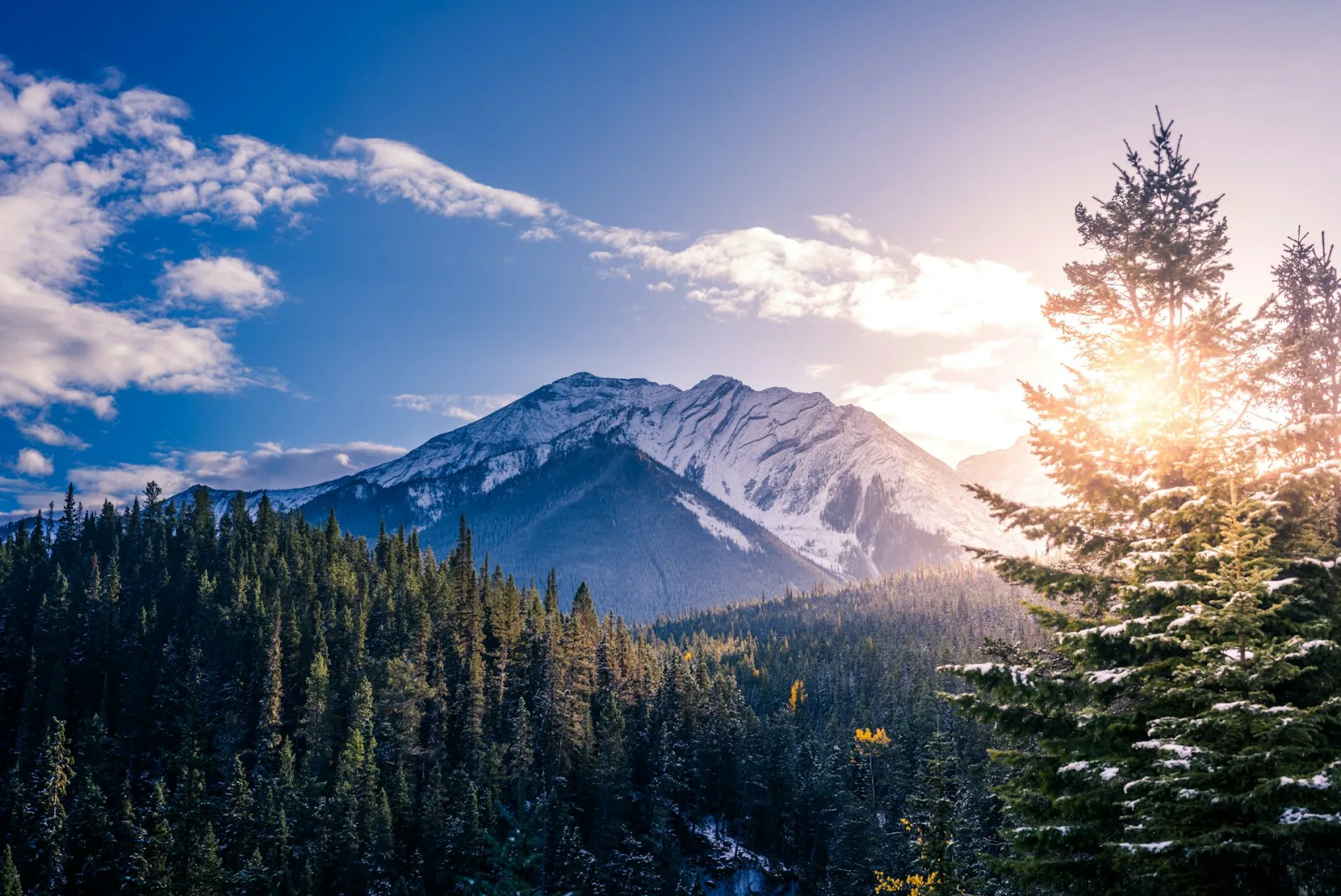
For most Indian travelers seeking a balance of pleasant weather, manageable crowds, and stunning scenery, September to October (Fall) is the absolute best time to visit Canada. During this window, the summer humidity has broken, the national parks are less crowded, and the eastern provinces explode into vibrant red and gold foliage.
If you are planning a comprehensive trip and need to align your dates with flight availability and visa processing, start by reviewing our complete Canada travel guide, which covers itineraries, costs, and essential entry requirements.
Canada's Four Seasons: What to Expect
Understanding the distinct seasonal shifts that define the Canadian travel experience.
The Peak Season. Warm, long days, and all national parks are fully accessible. This is the best time for hiking in Banff, exploring Toronto, and attending outdoor festivals.
- Weather: 20°C to 30°C (68°F – 86°F)
- Pros: Perfect weather, all attractions open, vibrant city life.
- Cons: Highest hotel rates, massive crowds, requires booking 4-6 months ahead.
- Best for: Families, first-time visitors, hikers, and road trippers.
The Sweet Spot. Crisp air, fewer tourists, and the world-famous Canadian fall foliage. The maple trees in Ontario and Quebec turn brilliant shades of red, orange, and gold.
- Weather: 10°C to 20°C (50°F – 68°F)
- Pros: Stunning scenery, comfortable temperatures, lower accommodation prices.
- Cons: Days get shorter, some remote northern attractions begin closing for winter.
- Best for: Photographers, couples, wine lovers (Niagara harvest), and budget-conscious travelers.
The Snow Season. Canada embraces the cold with world-class skiing, ice skating, and winter festivals. The Northern Lights are highly visible during these long, dark nights.
- Weather: -5°C to -25°C (23°F – -13°F) depending on region.
- Pros: Incredible winter sports, Northern Lights, festive holiday markets, cheapest flights.
- Cons: Bitterly cold in the interior, requires expensive thermal gear, some roads/parks close.
- Best for: Skiers, snowboarders, aurora hunters, and winter photography enthusiasts.
The Thaw. A transitional period where snow melts and cities bloom. It can be unpredictable, with late snowstorms possible in April, but by late May, the country is green and vibrant.
- Weather: 5°C to 15°C (41°F – 59°F)
- Pros: Shoulder season pricing, blooming gardens, maple syrup season (early spring).
- Cons: Muddy hiking trails, unpredictable rain, some mountain passes remain closed.
- Best for: Budget travelers, city explorers, and those looking to avoid peak summer crowds.
Regional Weather Variations
Canada is massive. The weather in Vancouver is completely different from Toronto or Banff at the exact same time of year.
Humid Continental Climate
- Summer: Hot and very humid. Temperatures frequently exceed 30°C with high humidity.
- Winter: Cold and snowy. Expect temperatures between -5°C and -15°C, with heavy snowfall.
- Best Time: September to October for mild weather and spectacular fall colors.
Oceanic Climate
- Summer: Warm, dry, and sunny. Rarely exceeds 25°C. Very comfortable.
- Winter: Mild and rainy. Temperatures hover around 5°C to 10°C. Snow is rare in the city.
- Best Time: June to September for the driest weather and outdoor activities.
Alpine Climate
- Summer: Cool and pleasant. Daytime temperatures are 15°C to 20°C, but nights drop sharply.
- Winter: Long, harsh, and snowy. Temperatures regularly fall below -15°C. Peak ski season.
- Best Time: June to August for hiking and turquoise lakes; December to March for skiing.
Planning your budget? Traveling in the shoulder seasons (May or September) can significantly reduce your overall expenses. Check our detailed Canada trip cost from India guide to see how timing impacts your budget.
Month-by-Month Weather & Travel Guide
A quick reference table to help you align your travel dates with Indian holidays and Canadian seasons.
| Month |
Season |
Toronto / East |
Banff / West |
India Travel Note |
| Jan | Winter | Cold, snowy -5 to -15°C | Peak ski season, Northern Lights | India winter holidays — book early |
| Feb | Winter | Cold, winter festivals | Excellent skiing, cold | Good for winter sports enthusiasts |
| Mar | Early Spring | Thawing, 0 to 10°C | Still snowy, transitioning | Moderate season, lower prices |
| Apr | Spring | Mild, 5 to 15°C, rain | Snow melting, trails opening | Shoulder season, good value |
| May | Late Spring ✓ | Warm, 10 to 20°C, blooming | Excellent, lakes thawing | Pre-summer window, fewer crowds |
| Jun | Summer Peak ✓✓ | Warm, 20 to 30°C, vibrant | Perfect, all parks open | Peak Indian travel month — book 4 months ahead |
| Jul | Summer Peak | Hot, humid, festivals | Busy, ideal hiking weather | India school holidays — high demand |
| Aug | Late Summer | Warm, 20 to 28°C | Great, start of fall colors | Good post-monsoon window |
| Sep | Fall ✓✓ | Mild, 15 to 22°C, foliage | Stunning fall colors, crisp | Best overall month for photography |
| Oct | Fall ✓ | Cool, 5 to 15°C, foliage ends | Cold, possible early snow | Excellent shoulder season value |
| Nov | Late Fall | Cold, 0 to 8°C, rainy/snowy | Ski resorts opening | Budget season, fewer tourists |
| Dec | Winter / Holidays | Cold, festive markets, snow | Peak winter wonderland | India school holidays — peak demand |
Frequently Asked Questions — Canada Timing & Weather
Quick answers to the most common seasonal questions from Indian travelers.
1What is the best month to visit Canada from India?
September to October is widely considered the best time to visit Canada from India. The weather is mild, the summer crowds have dispersed, and the fall foliage (especially in Ontario and Quebec) is at its peak. June to August is also excellent for national parks but comes with higher prices and larger crowds.
2Is Canada too cold for Indian tourists in winter?
It depends on the region. Cities like Vancouver have mild, rainy winters (5–10°C) and rarely see snow. However, Toronto, Montreal, and the Rocky Mountains (Banff) experience harsh, snowy winters (-10 to -30°C). If you are prepared with proper thermal layers and winter gear, it is a spectacular time for skiing, winter festivals, and seeing the Northern Lights.
3When is the cheapest time to fly to Canada from India?
The cheapest time to fly is during the shoulder and low seasons: late winter (February to early March) and late fall (November). Avoid flying during the Indian summer school holidays (June–July) and the December holiday peak, as airfares from Delhi and Mumbai are at their highest.
4Can I see the Northern Lights in Canada?
Yes, Canada is one of the best places in the world to see the Aurora Borealis. The best time to view the Northern Lights is from November to March, when the nights are longest and darkest. Head to northern destinations like Yellowknife (Northwest Territories) or Whitehorse (Yukon) for the highest probability of a sighting.
5When does the fall foliage peak in Canada?
Fall foliage in Canada typically peaks between late September and mid-October. The exact timing varies by latitude: northern regions and the Rockies see color in early to mid-September, while Ontario (Algonquin Park), Quebec, and the Maritime provinces peak in early to mid-October.
Note: Weather patterns can vary year by year. Always check local forecasts and park conditions (via Parks Canada) closer to your travel dates. If you are planning a winter trip, ensure your Canada visa is processed well in advance, as winter is a peak travel season for Indian tourists.